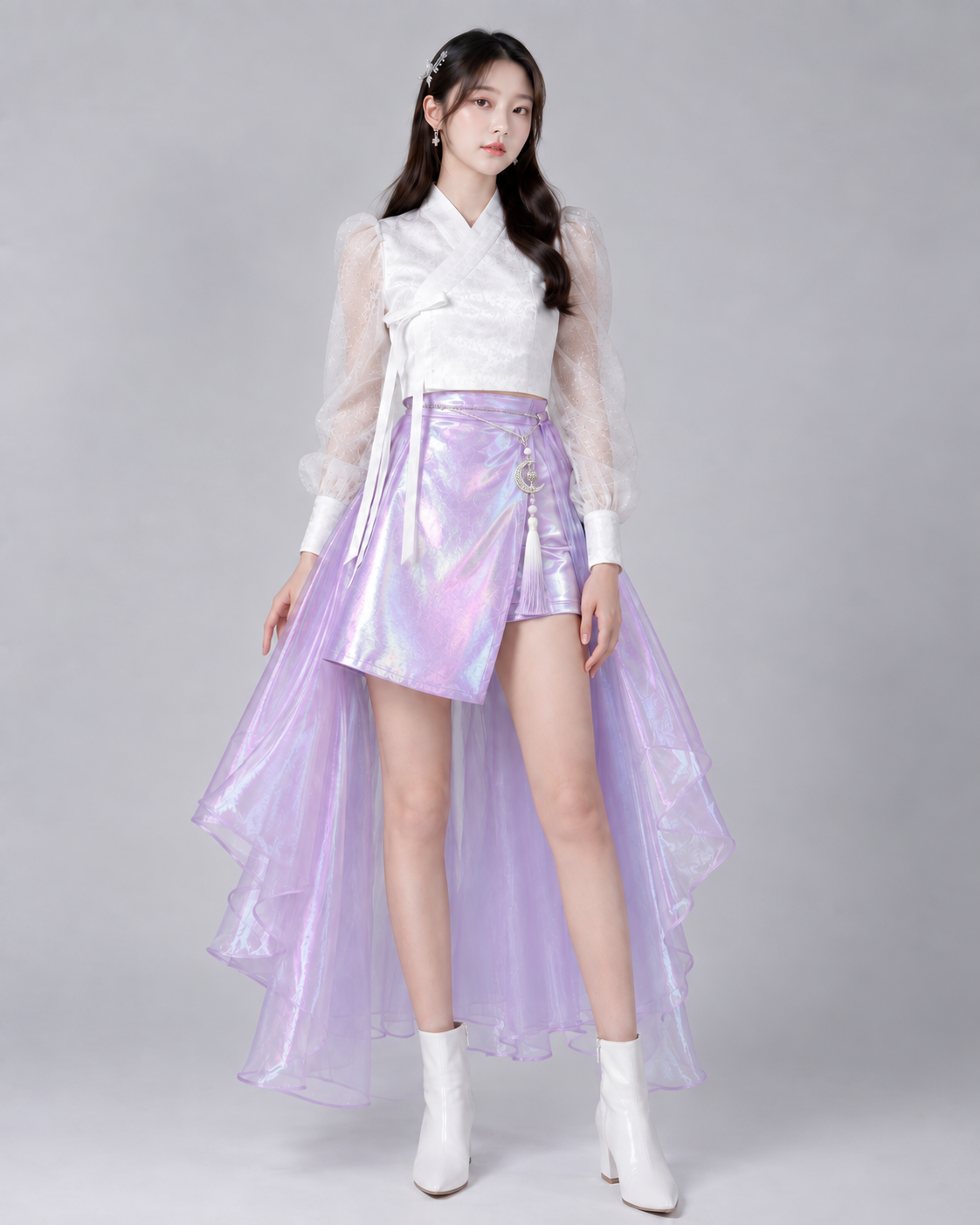
Traditional Japanese Kimono Clothing
Filter
Sortieren nach:
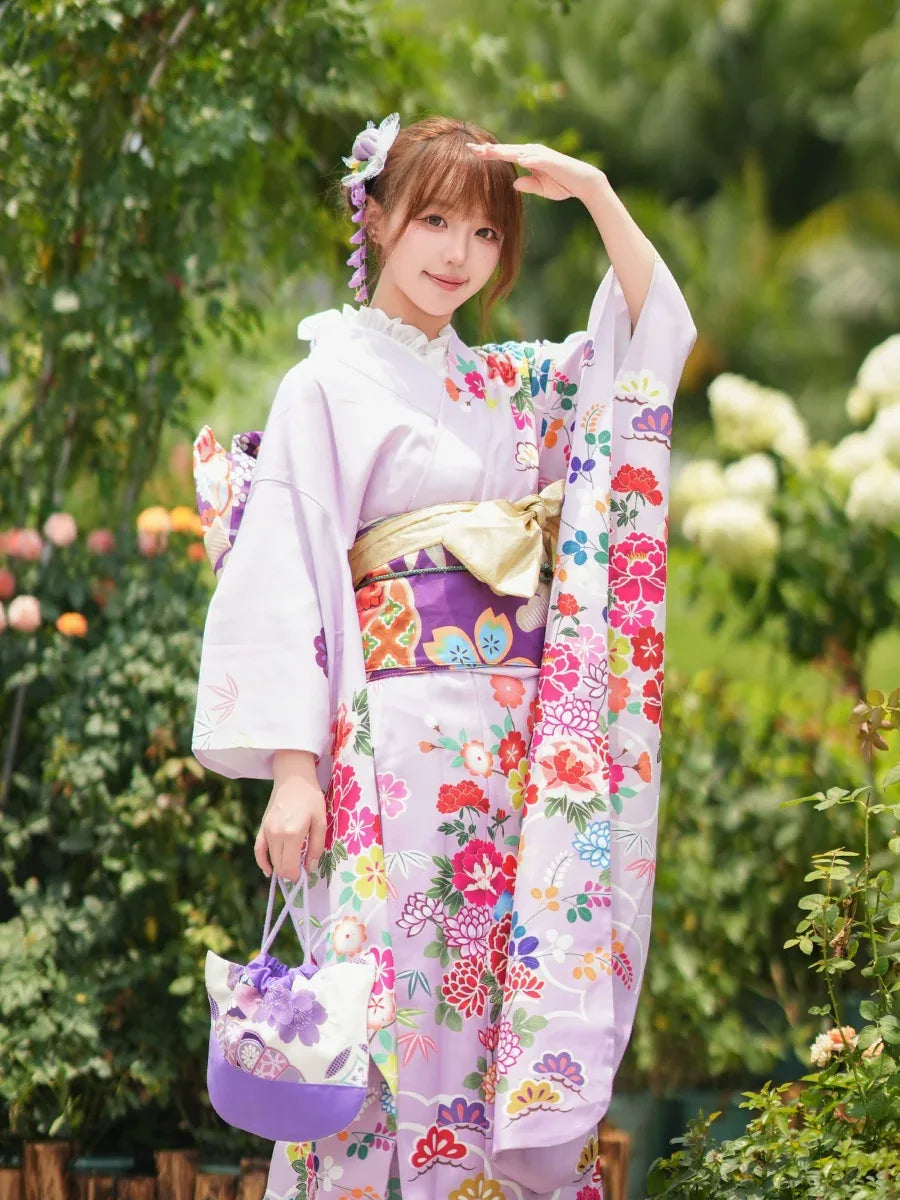
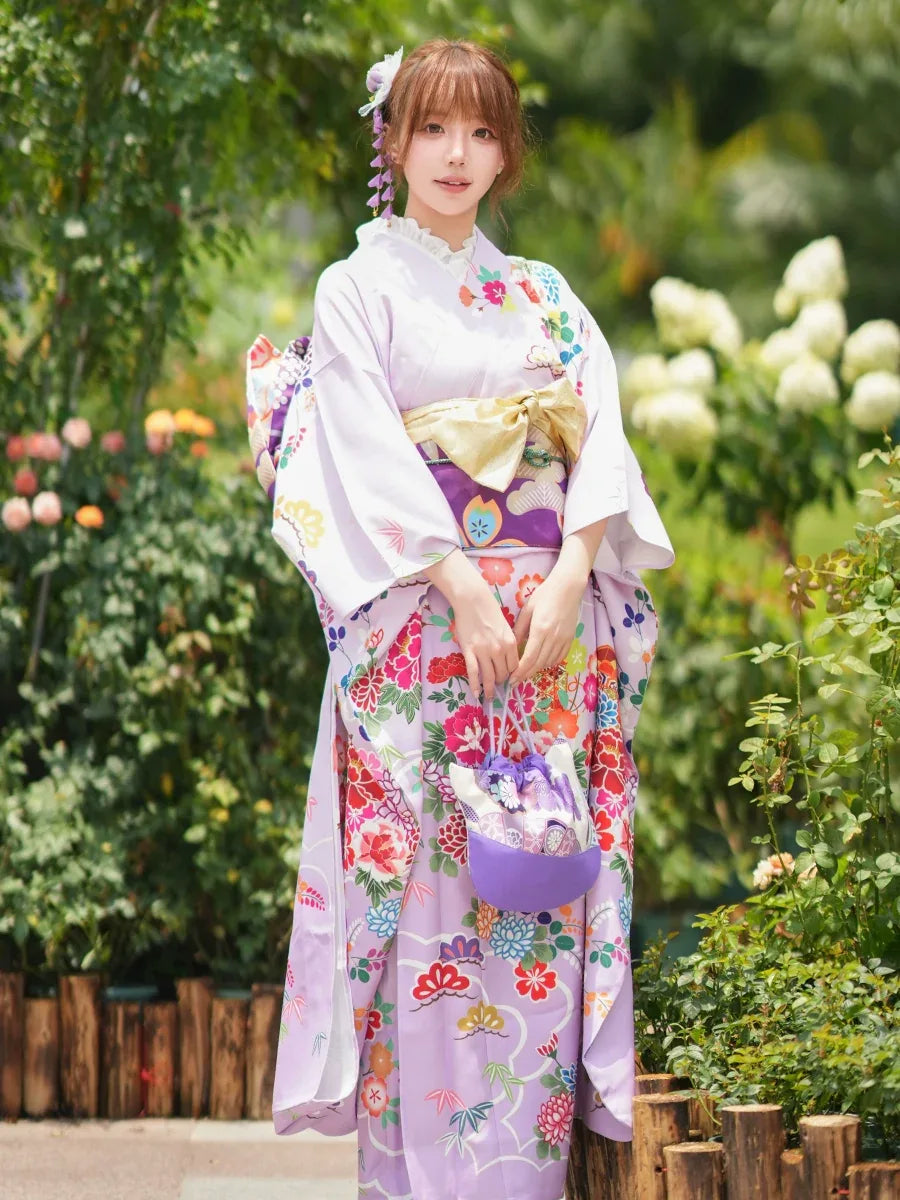
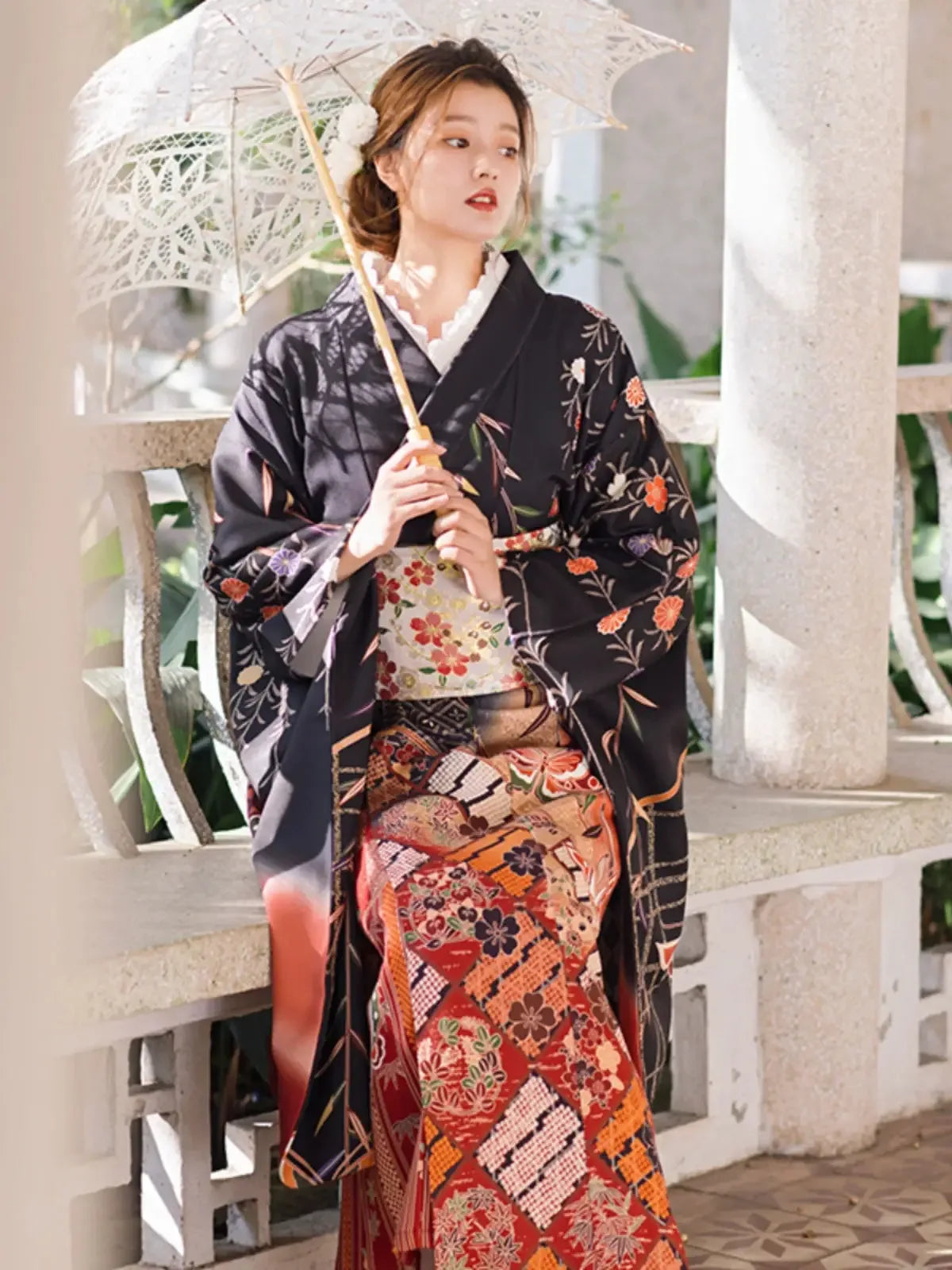
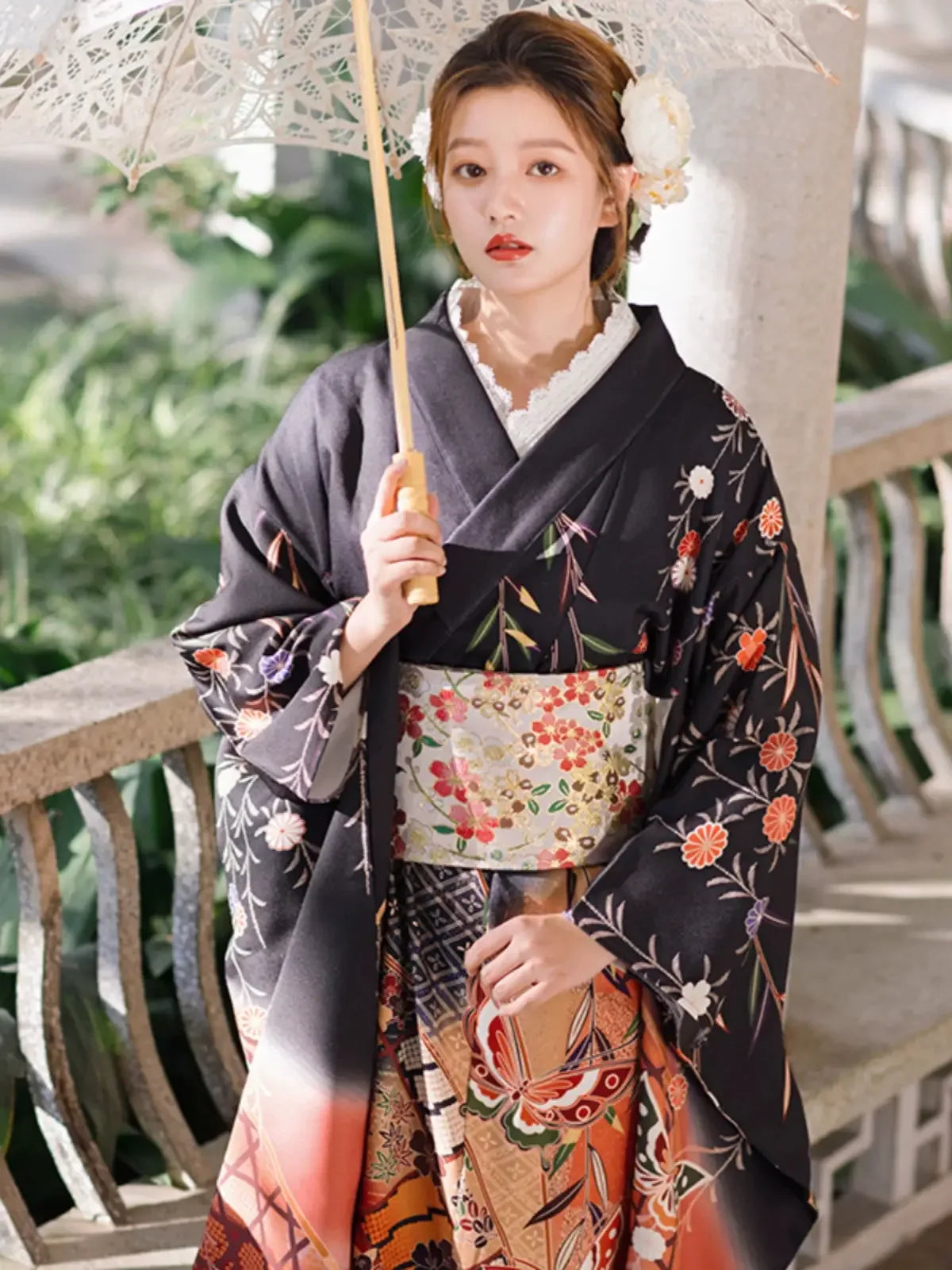
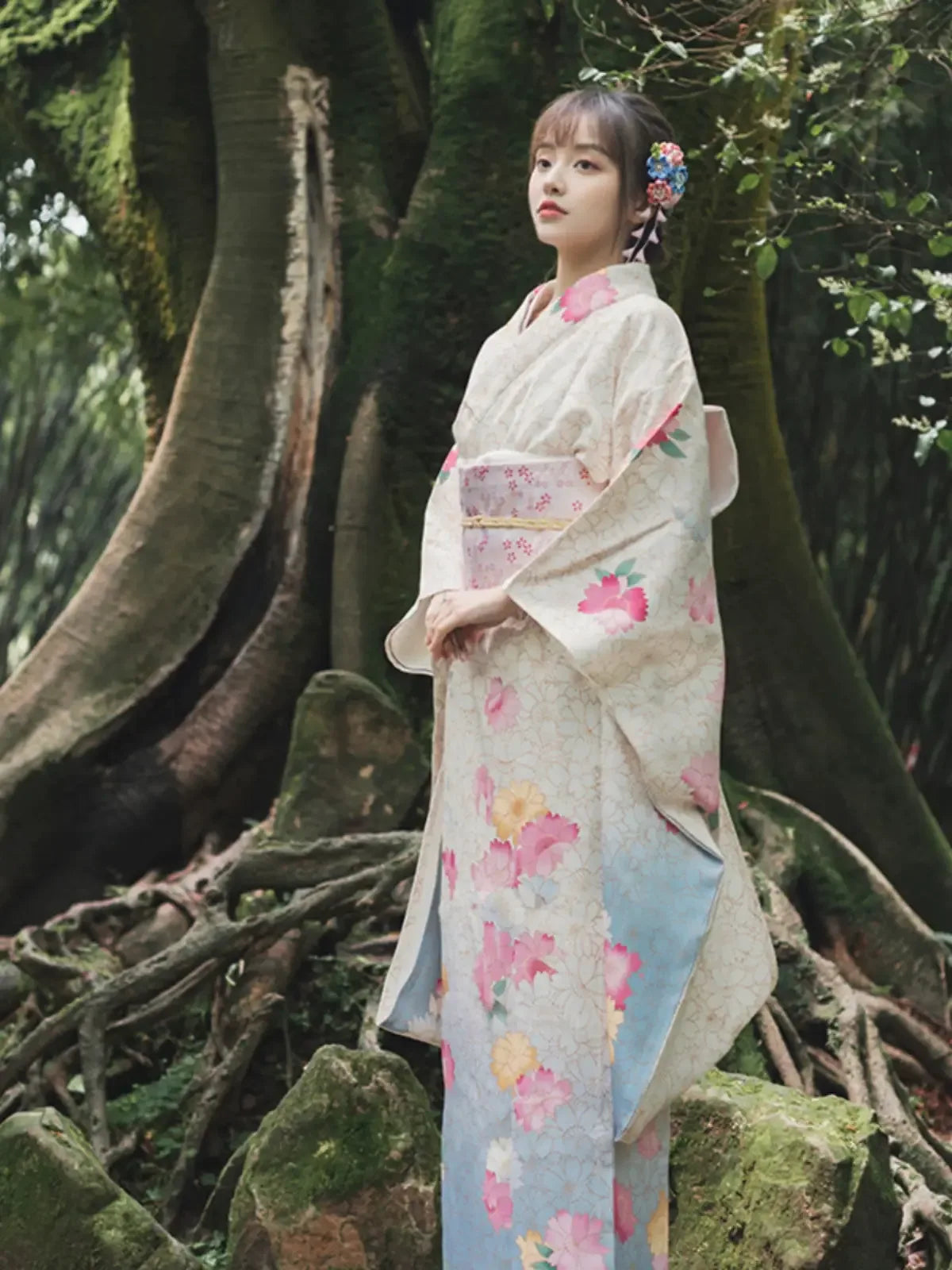
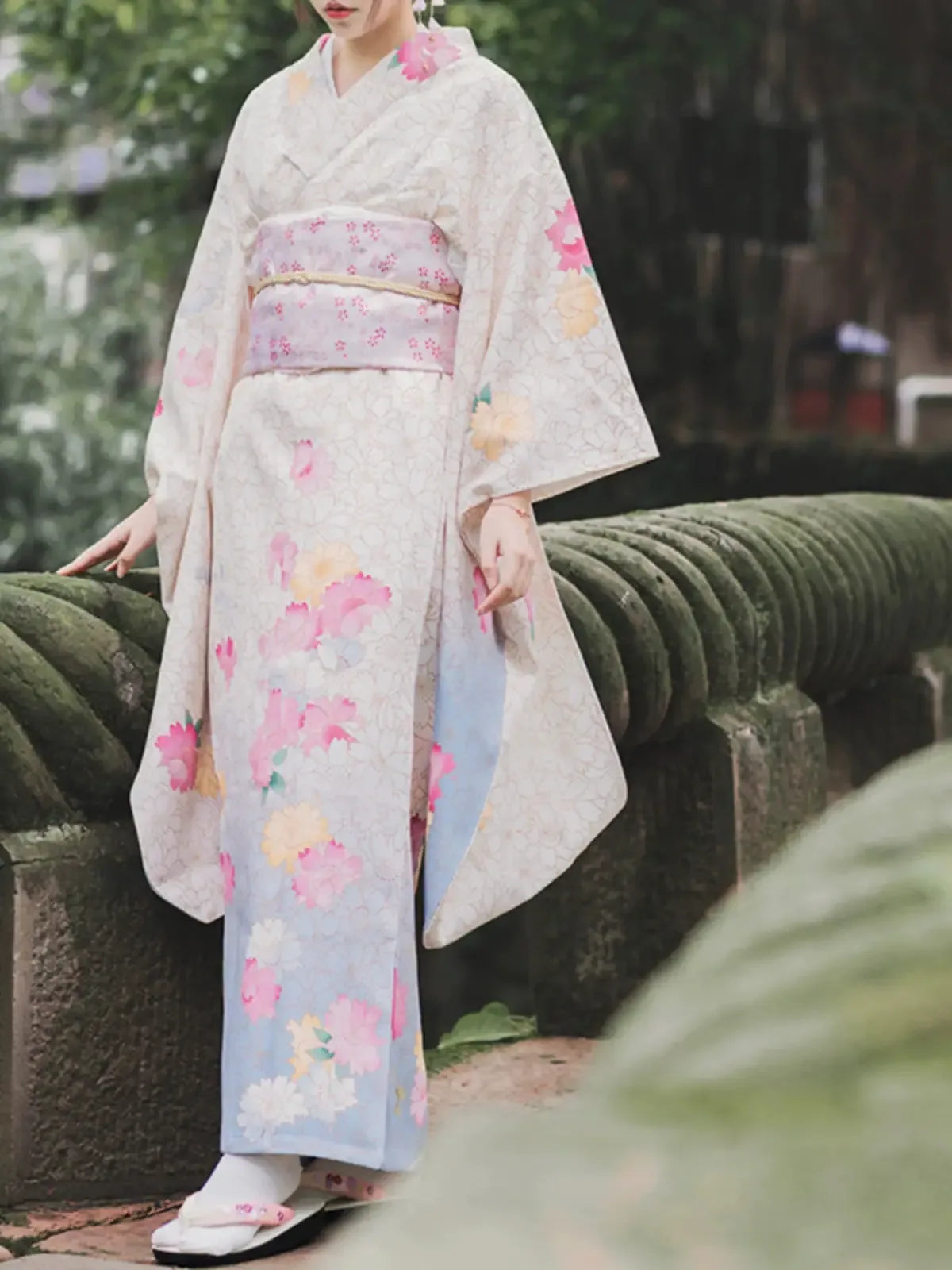
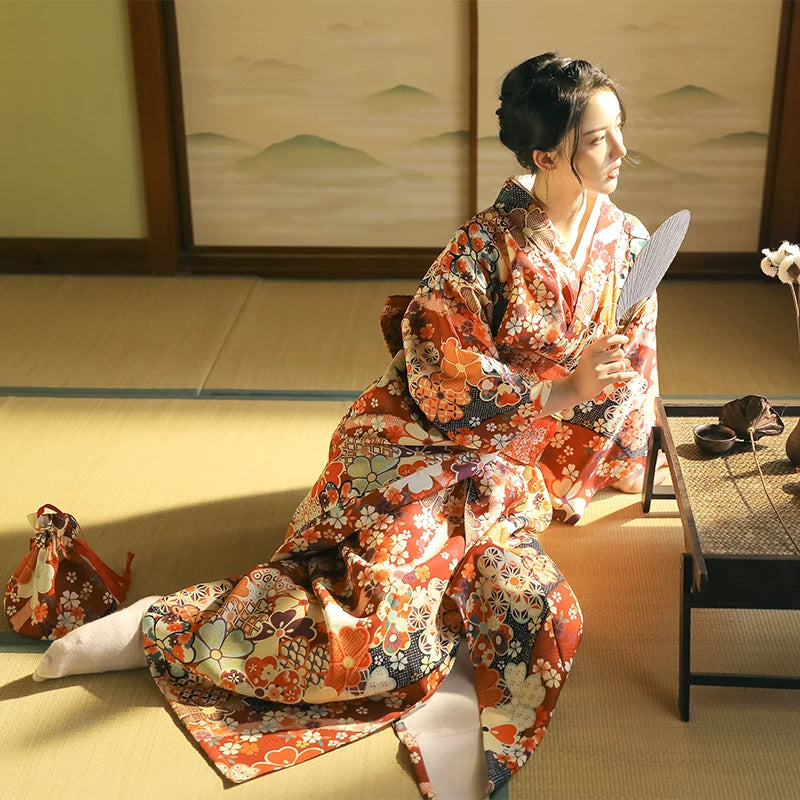
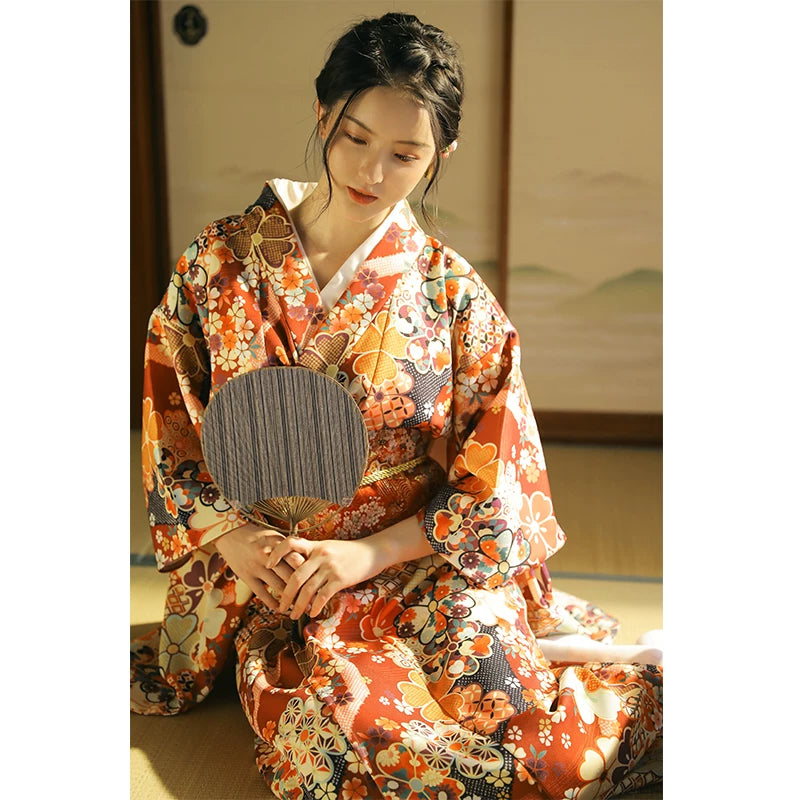


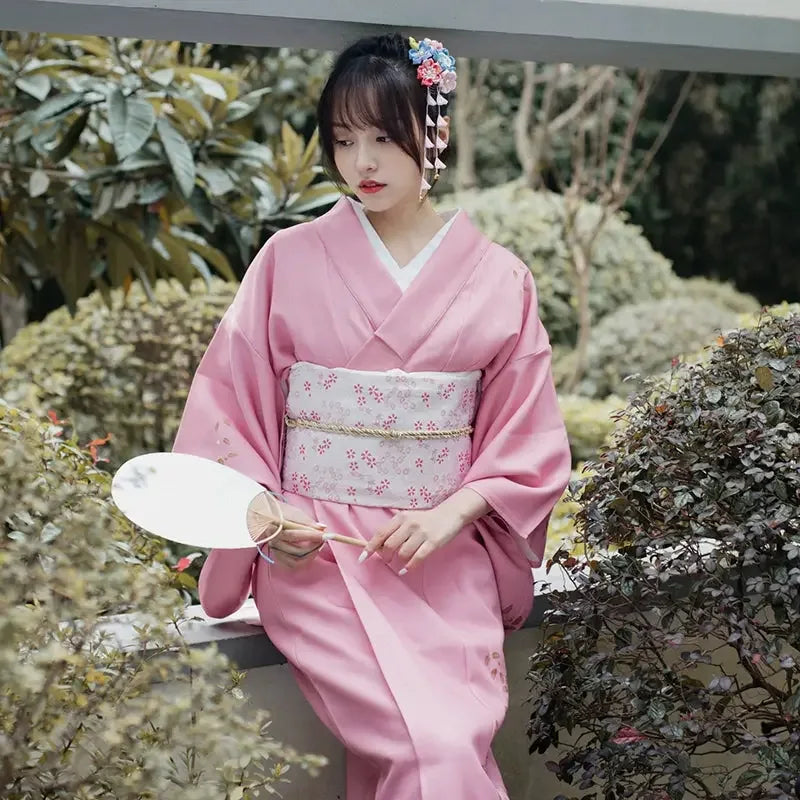
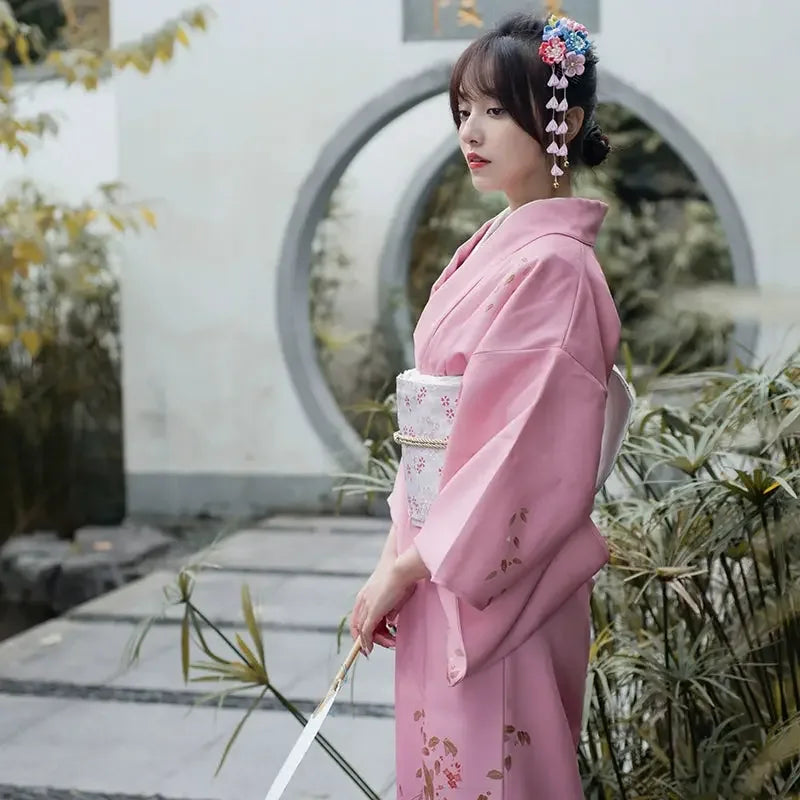
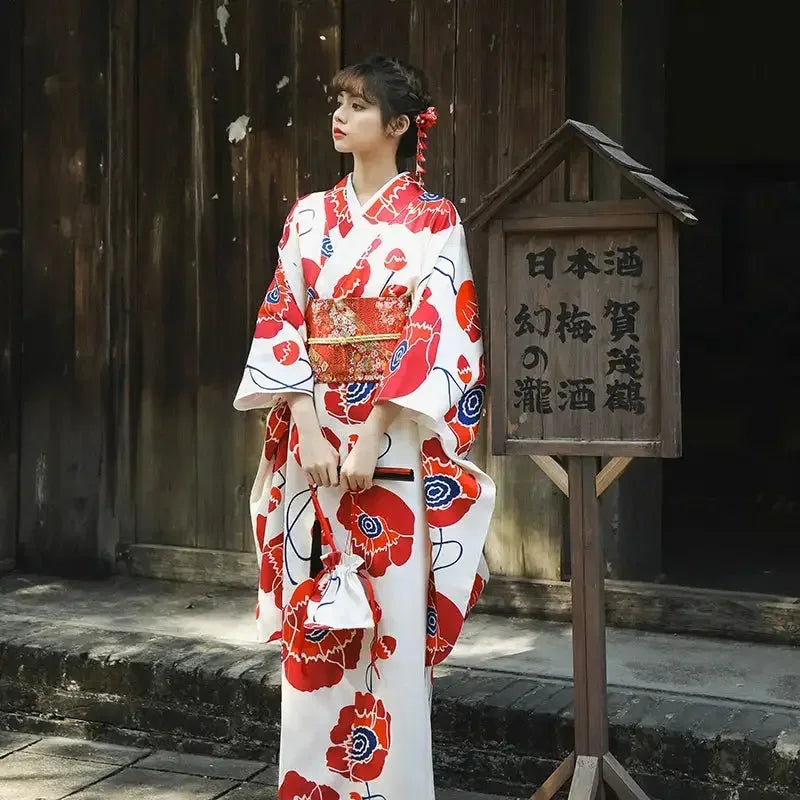
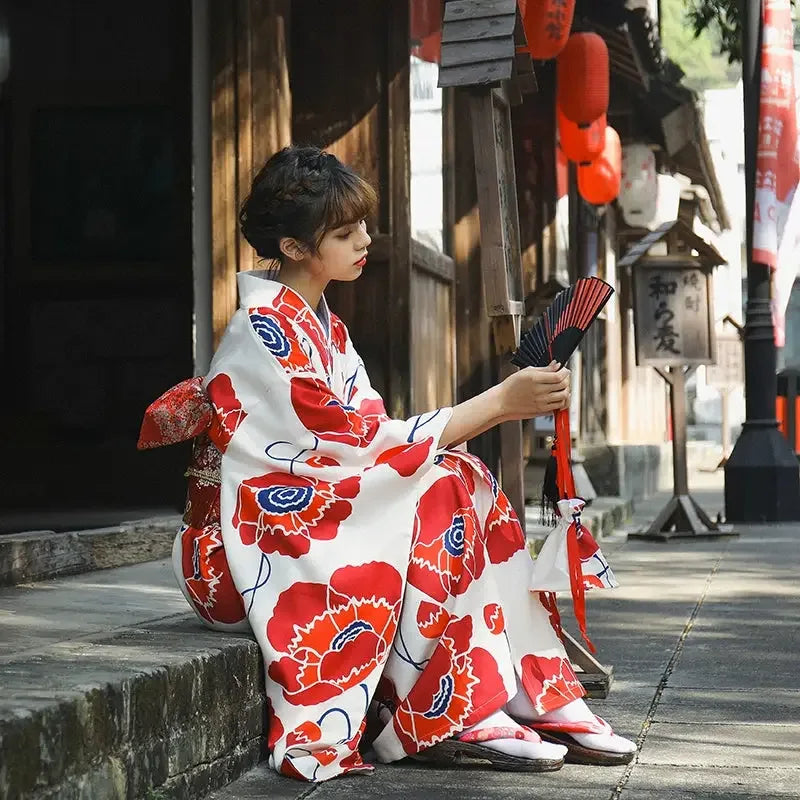
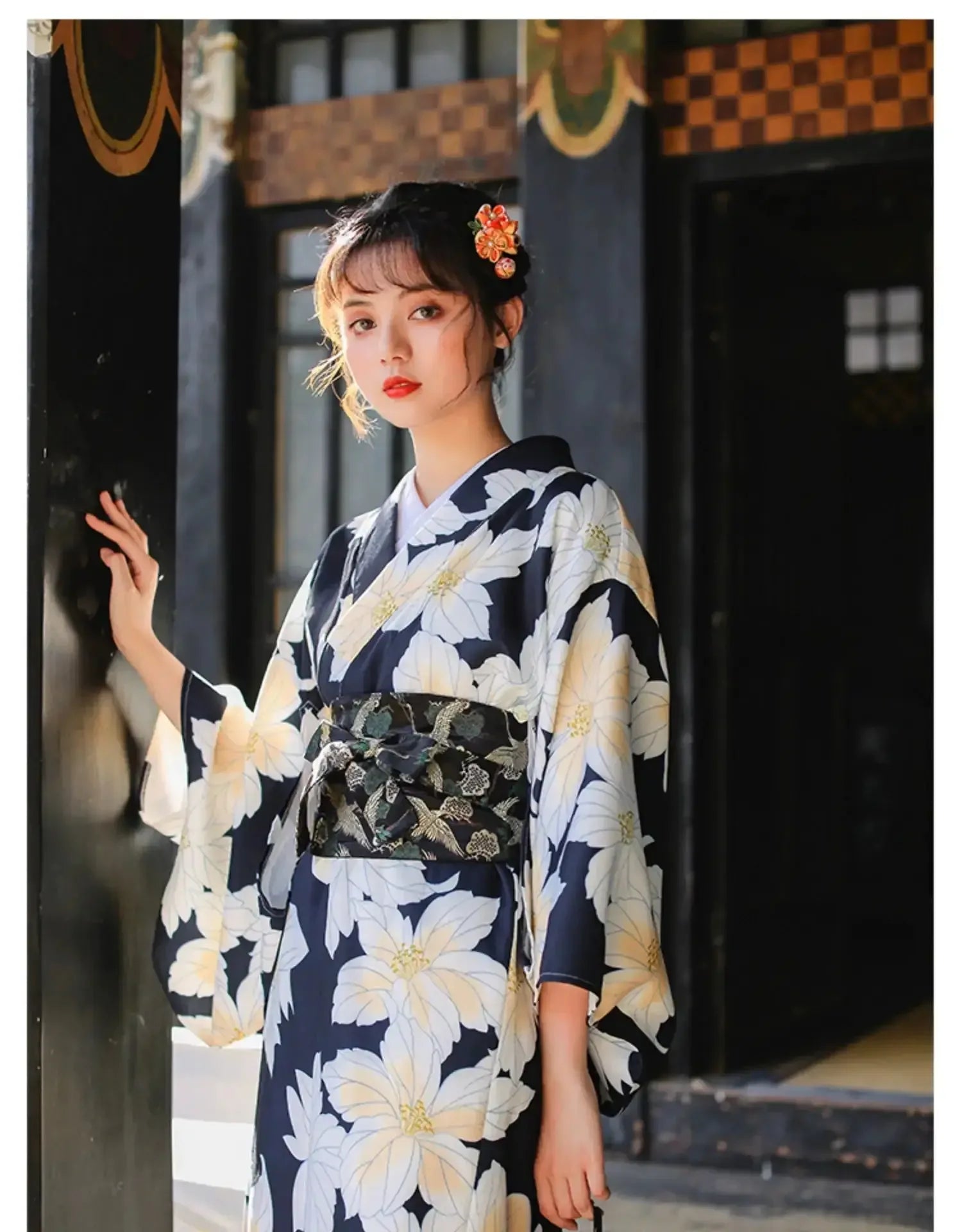
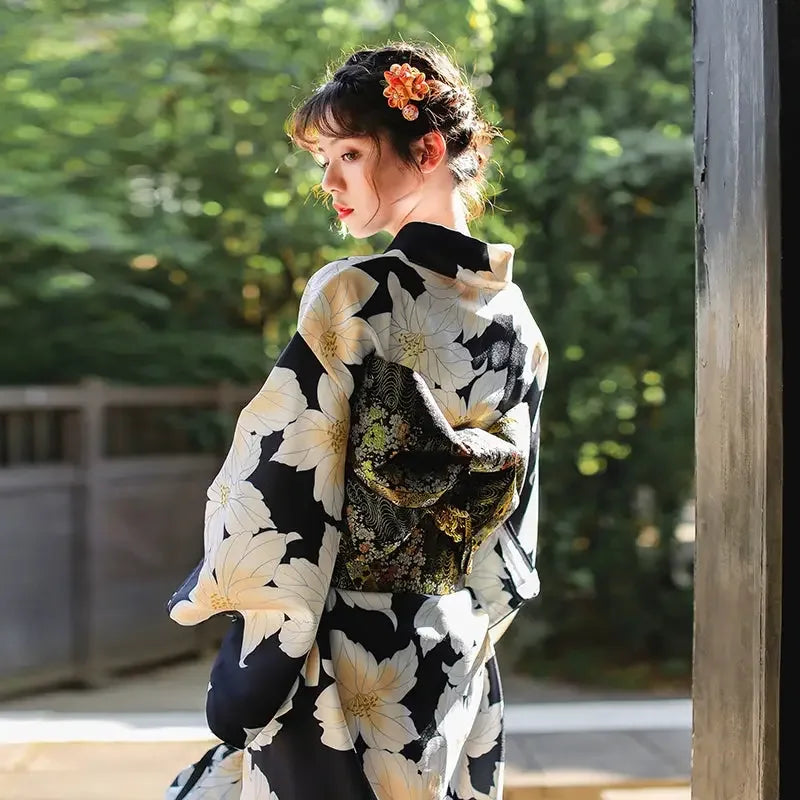
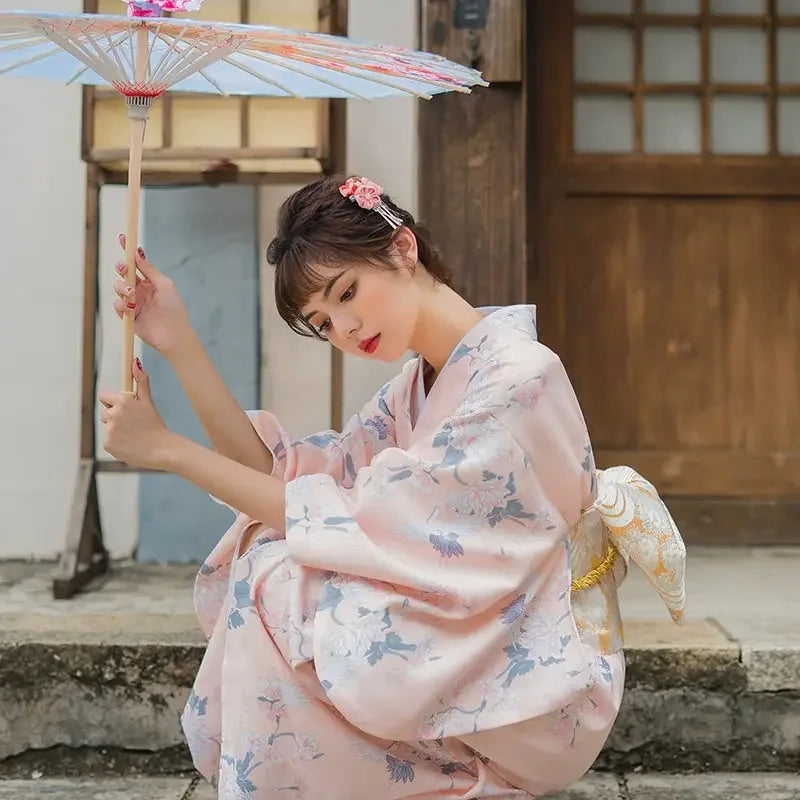
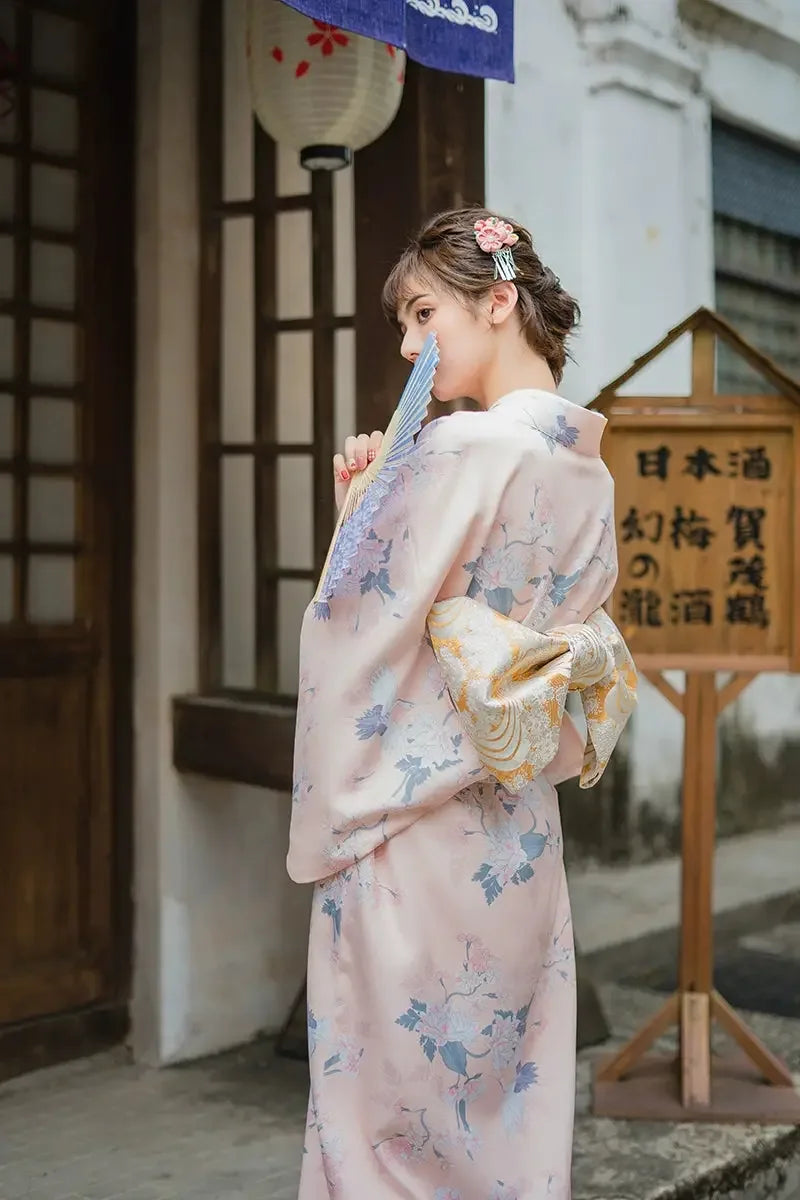
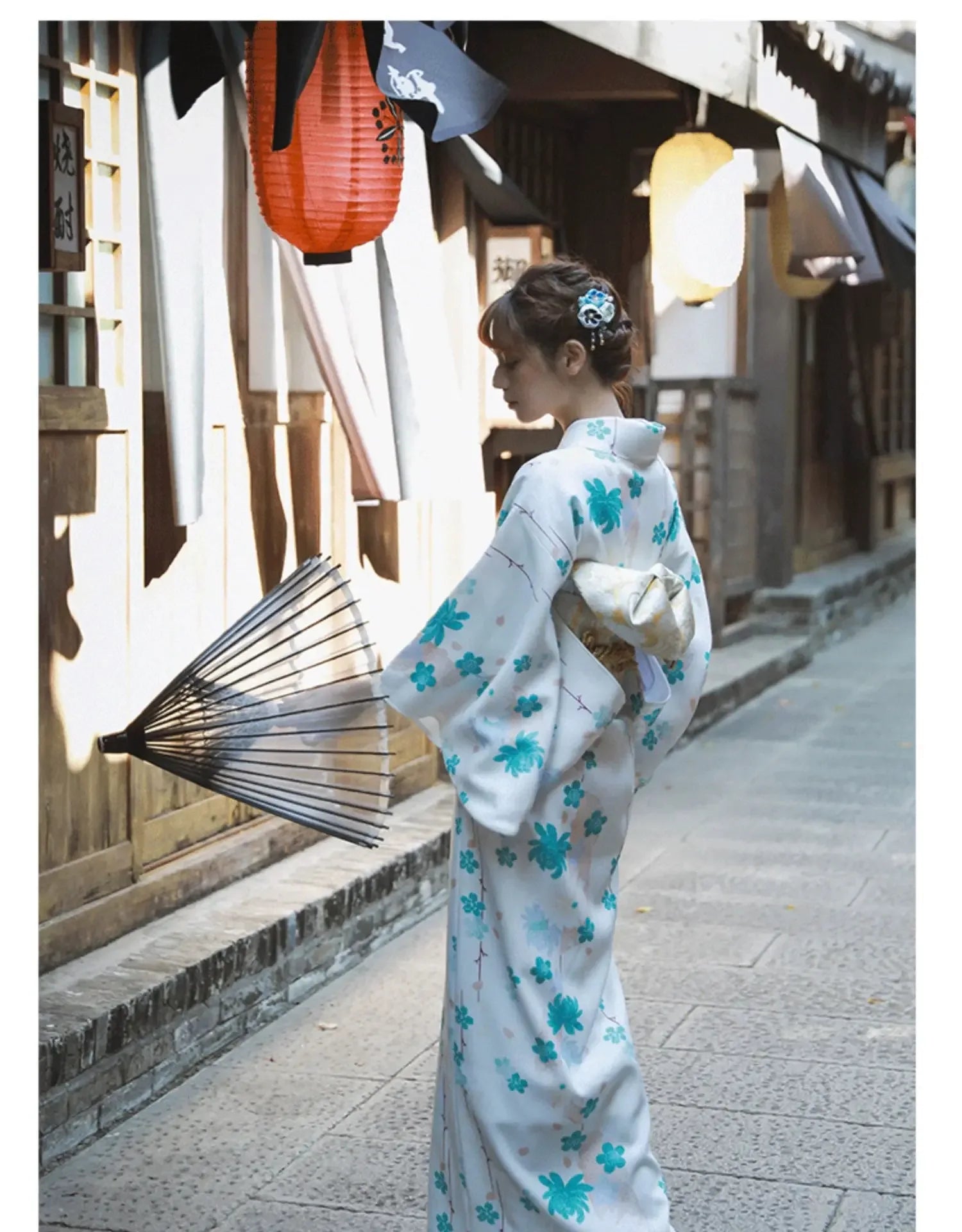

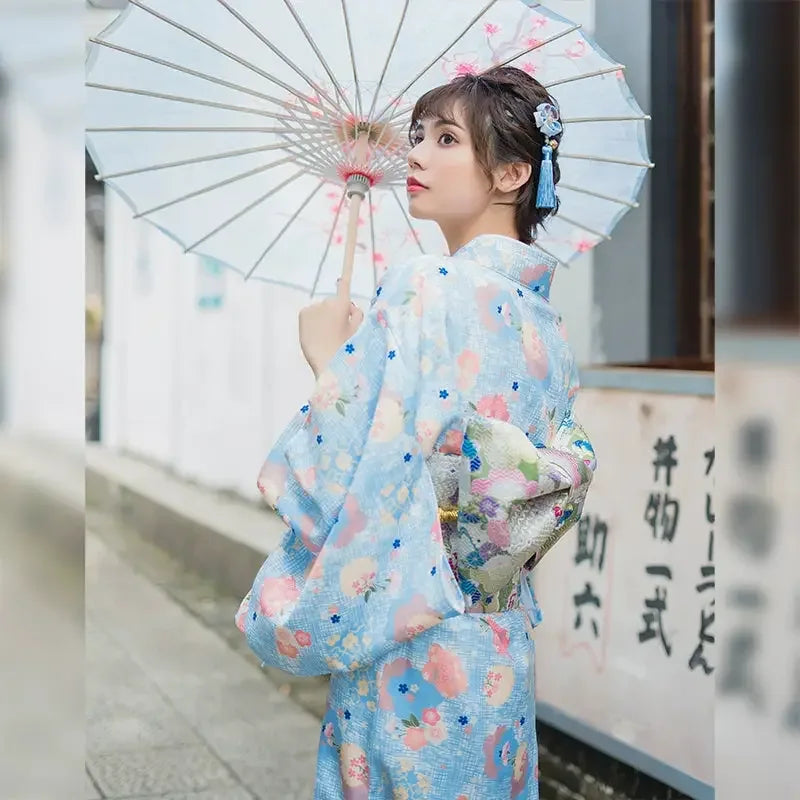
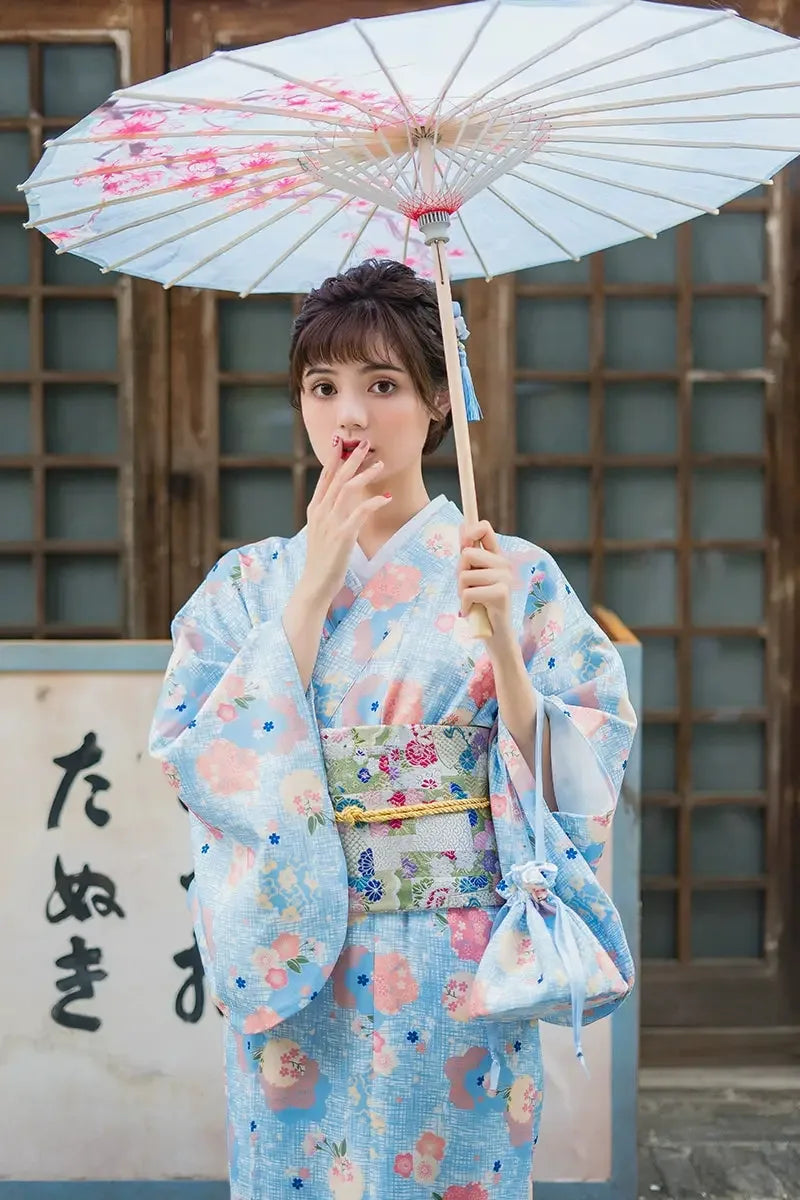


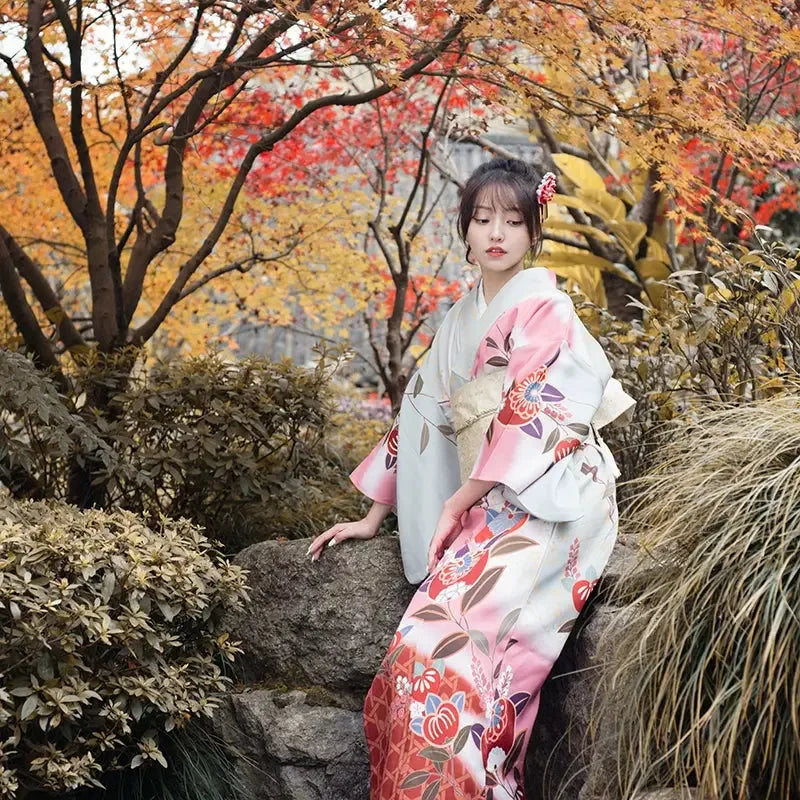
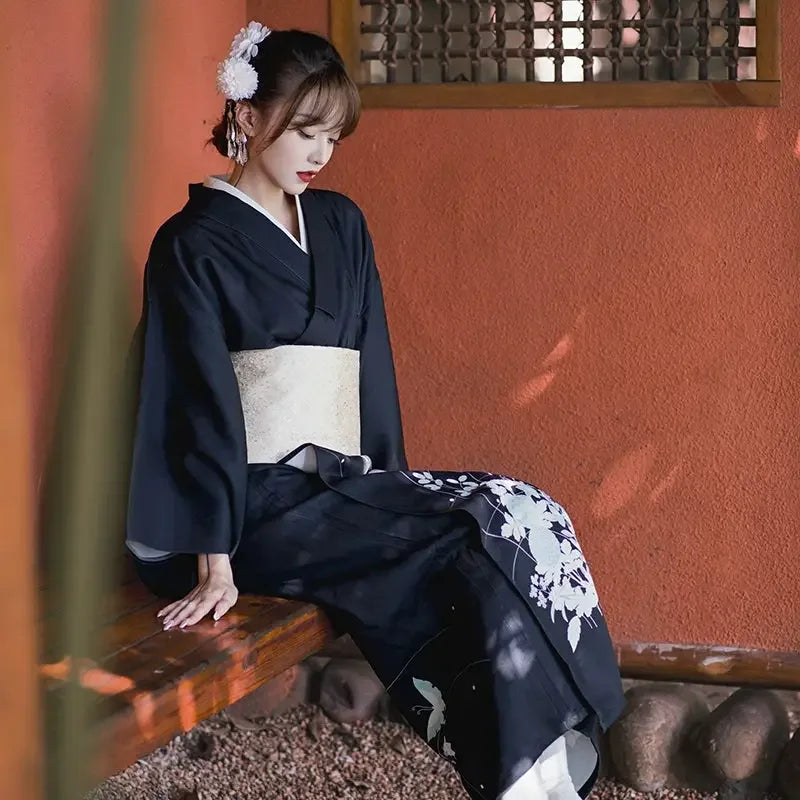
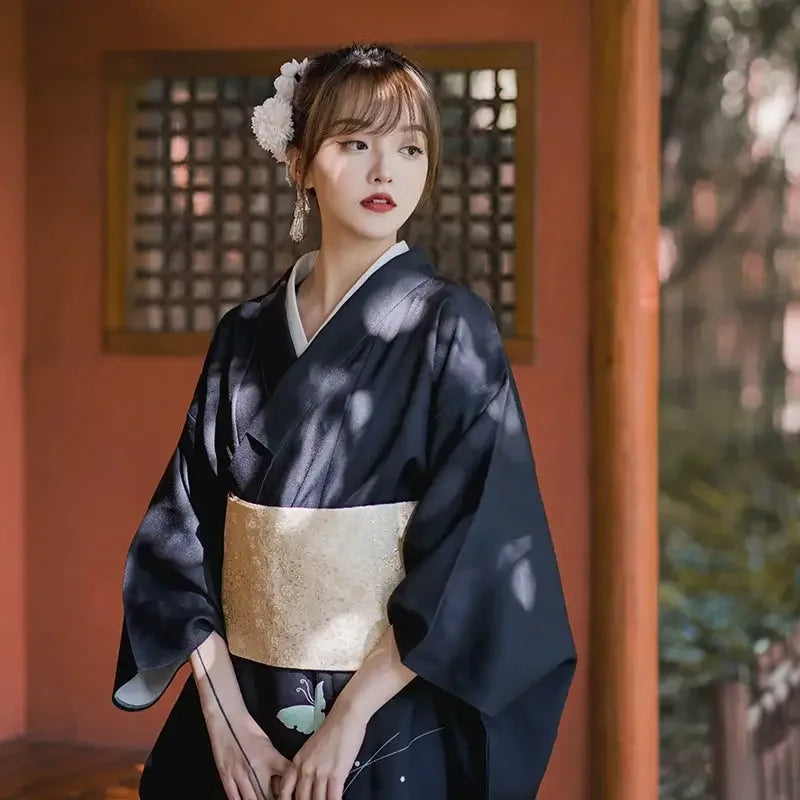
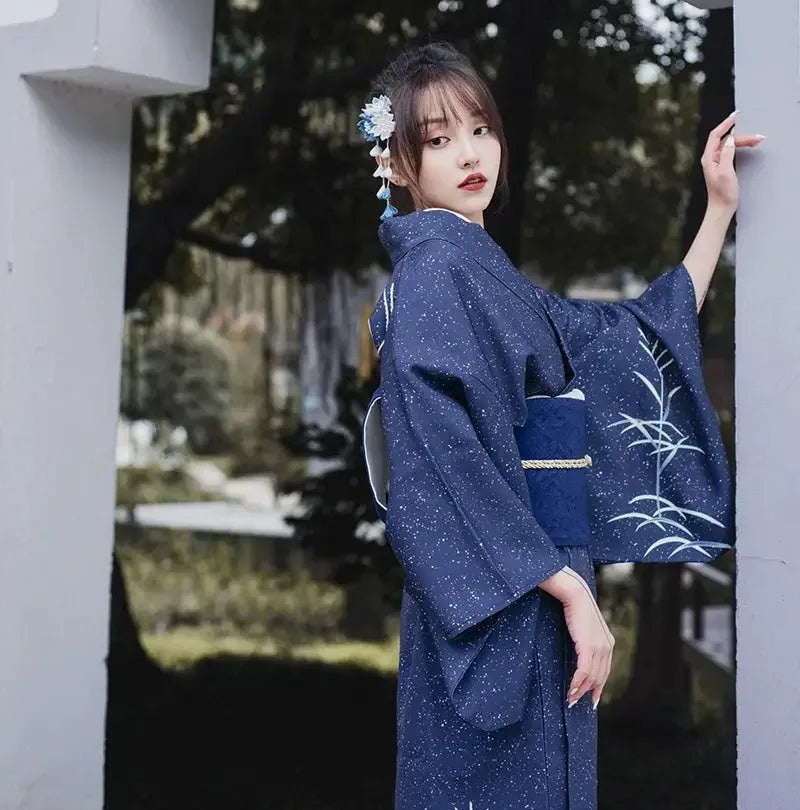
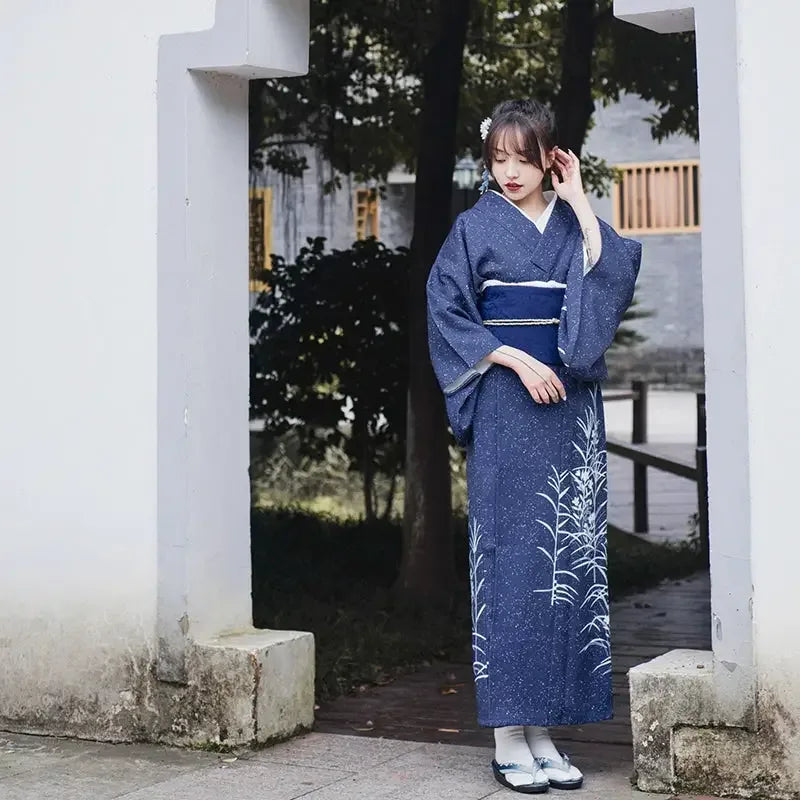
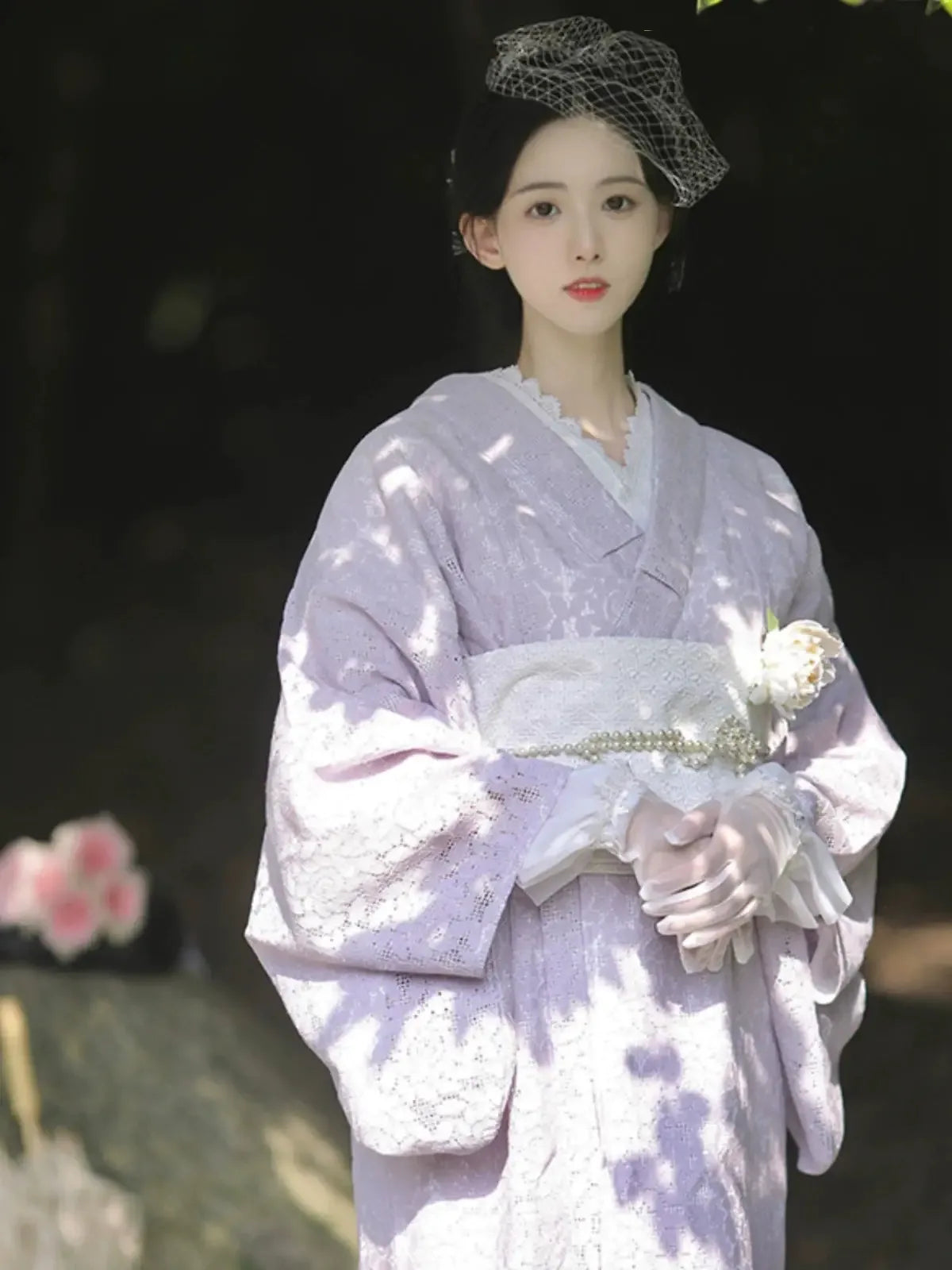
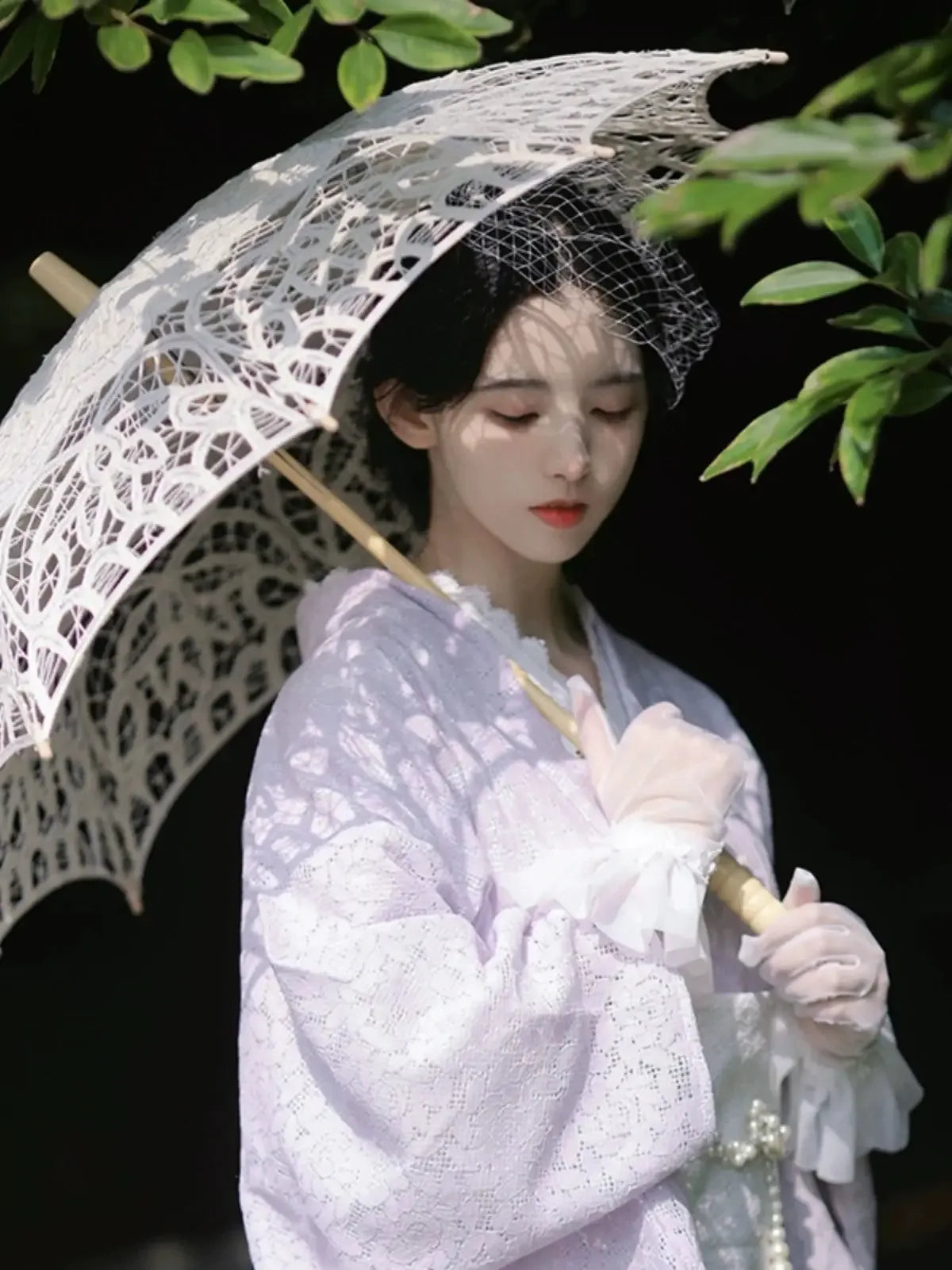
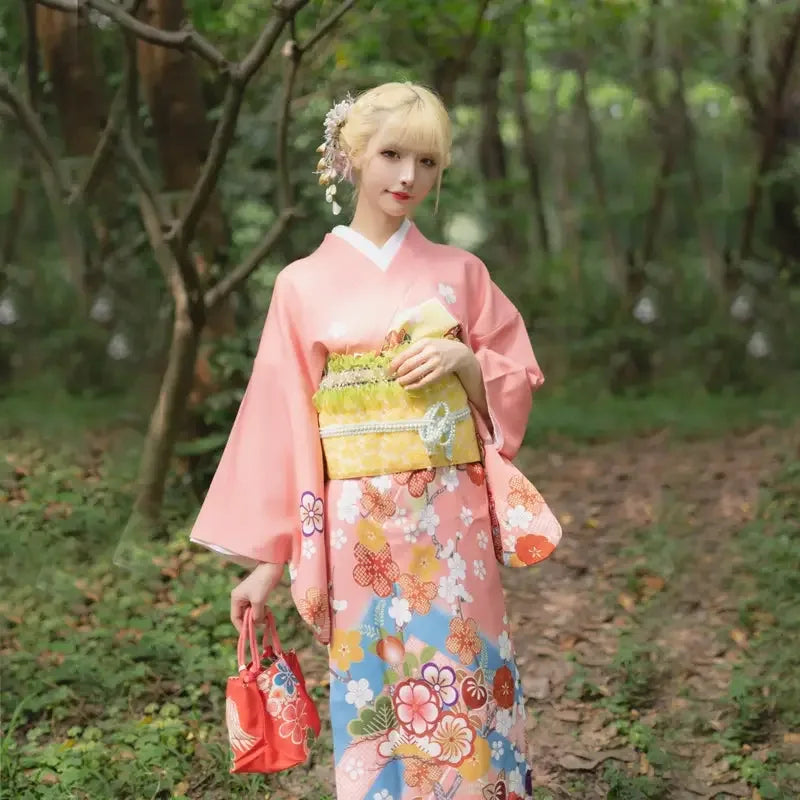
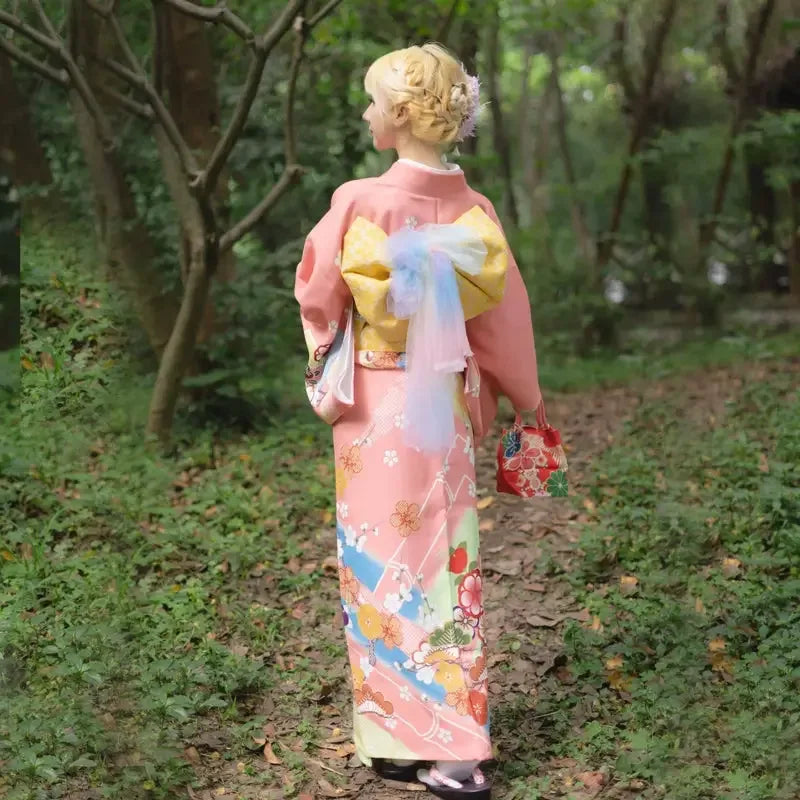
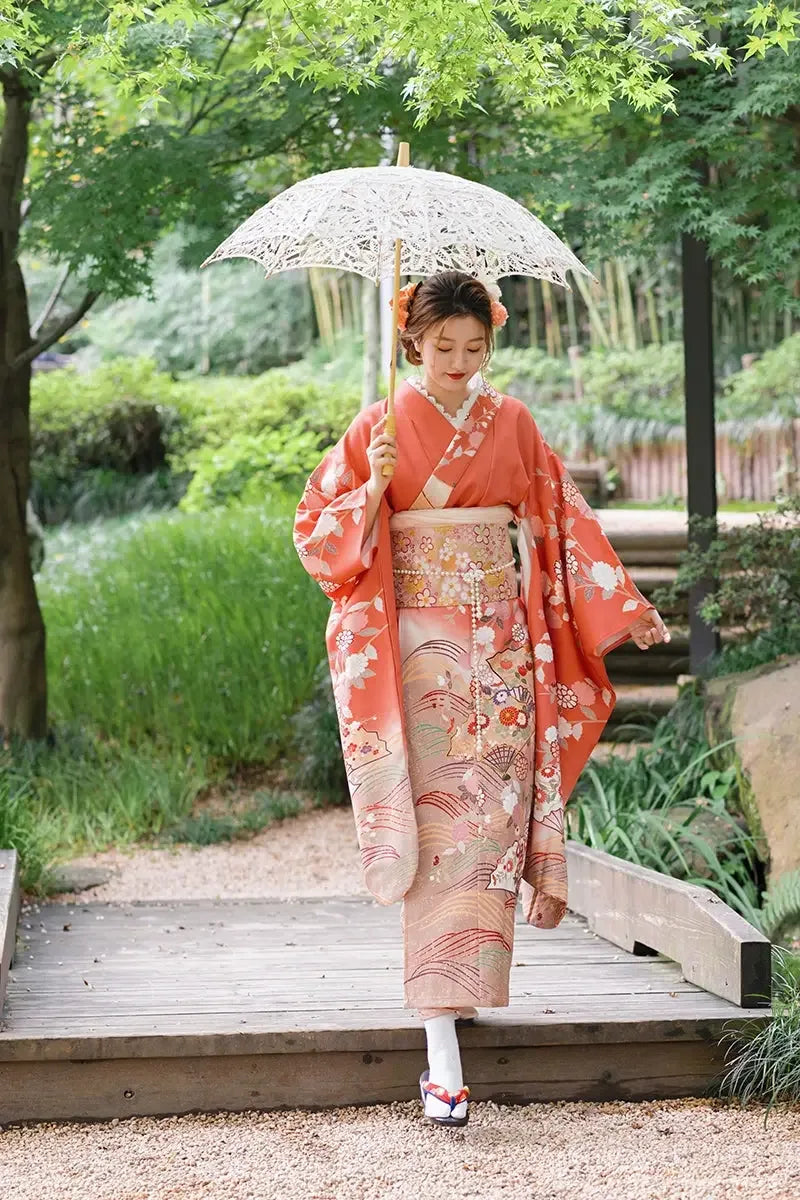
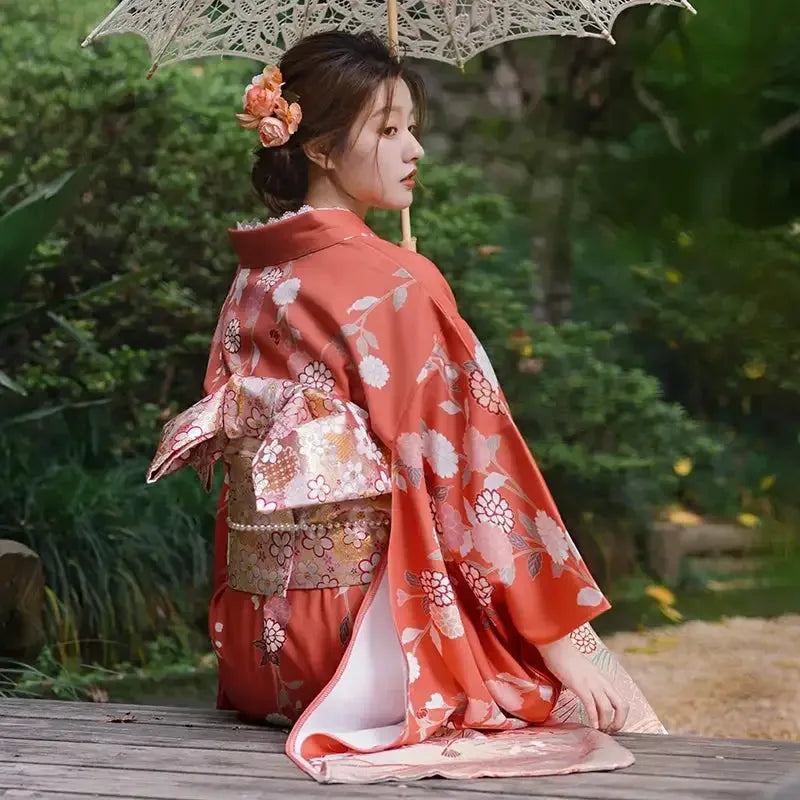
Explore traditional Japanese kimono clothing and modern interpretations for festivals, cultural events, photography and special occasions. The current assortment is primarily women’s kimono and yukata-inspired garments, including long wrap silhouettes, wide-sleeved styles and modified designs. It also includes a small number of men’s or unisex options. Because many pieces are contemporary adaptations rather than formal reproductions, check the construction and included components on each product page before choosing.
Traditional kimono, yukata and modified styles
A traditional kimono is a straight-seamed wrap garment worn left side over right and secured with an obi. Yukata are generally lighter, less formal garments associated with warm weather, festivals and casual settings. Several products in this collection are described as improved or modified kimono: they may preserve the wrap shape, long sleeves or Japanese-inspired pattern while simplifying the layers, changing the fabric or adapting the fit for photography and contemporary wear.
These labels matter when you are shopping for a ceremony or culturally specific event. A garment can create a beautiful Japanese-inspired look without following every convention of formal kimono dressing. Review the product title, images, closure, sleeve shape and component list rather than assuming that every item represents the same level of formality.
Choose by occasion and level of formality
- Festivals and seasonal events: lighter yukata-style garments and simplified sets can be easier to wear for walking, outdoor events and warm weather.
- Photography and performance: long sleeves, high-contrast prints and floor-length silhouettes create stronger movement on camera, but confirm that the garment allows enough room for the planned poses.
- Formal or ceremonial styling: look for clearly described wrap construction, appropriate length and product-specific dressing guidance. A listing called formal or wedding style should still be checked for its actual components and fabric.
- Contemporary fashion: modified kimono and kimono-inspired dresses may be more convenient when you want the visual language of Japanese dress without a complete traditional layering system.
Check what is included
Styled photographs may show an obi, waist cord, underlayer, handbag, tabi socks or other accessories that are not part of the selected option. Some current variants specify “single kimono without accessories,” while others mention included socks or a handbag. Read the exact variant text before ordering, especially when the same product offers garment-only and coordinated options.
If an obi or sash is not listed, plan for it separately. Also check whether the garment is single-layer, whether an inner layer is required for opacity, and whether the displayed footwear or hair accessories are sold independently.
Length, sleeve shape and sizing
Several current products use garment lengths around 130 to 140 cm or recommend a height range instead of relying only on standard letter sizes. Compare the stated length with your height and intended footwear. Measure bust, waist, shoulder width and sleeve reach, and allow room for any underlayers. Long or swinging sleeves need more clearance when eating, travelling or moving through crowded venues.
Do not assume that S or M means the same thing across makers. Use the product-specific chart and selected variant. If the listing gives a height range, verify the actual garment measurements whenever available, particularly if you prefer an ankle-length rather than floor-length result.
Materials and care
Material composition varies by design. Product names may refer to cotton, lace or other textiles, but a visual sheen alone does not establish that a garment is silk. Use the individual product description as the source of truth for fiber content, lining and care. Delicate prints, lace and embellished fabrics may require gentle handling or professional cleaning; follow the instructions supplied with the garment.
Respectful kimono styling
For a true wrap kimono, the left side is worn over the right. Formal dressing can also depend on sleeve type, obi style, accessories, season and occasion. When a piece uses only selected design elements or simplified construction, describing it as kimono-inspired or modified kimono is more accurate than presenting it as a formal traditional reproduction.
Frequently asked questions
Are all products traditional Japanese kimono?
No. The collection includes traditional-form references, yukata-style garments and modern modified designs. Check each listing for construction, materials and intended use.
Is an obi included?
Only when the chosen product or variant explicitly says so. Many current options are garment-only, even when the photographs show additional styling pieces.
Can these garments be worn to a Japanese cultural event?
That depends on the event and the garment. For a formal ceremony, confirm the dress expectations and choose a product with appropriate construction and components. For festivals, photography or general cultural events, a lighter or modified style may be suitable when worn respectfully.
For the broadest assortment, browse our Japanese Kimono & Yukata collection. If you specifically want contemporary dress construction, compare our kimono-inspired dresses. For the narrower robe question, use our kimono dressing gown comparison guide to distinguish the one explicit bathrobe/loungewear listing from modified kimono and event garments.