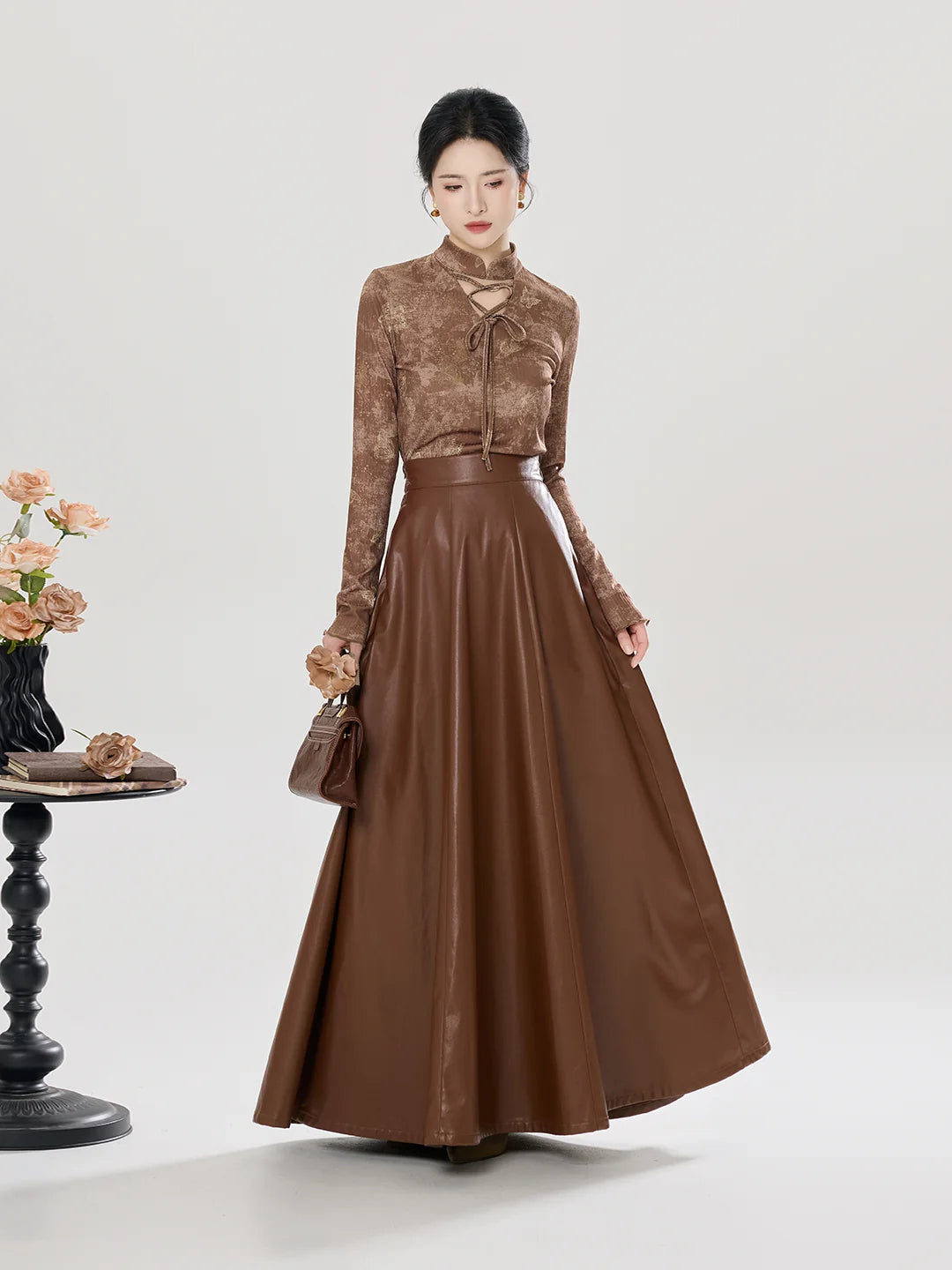
What Is Hanfu?
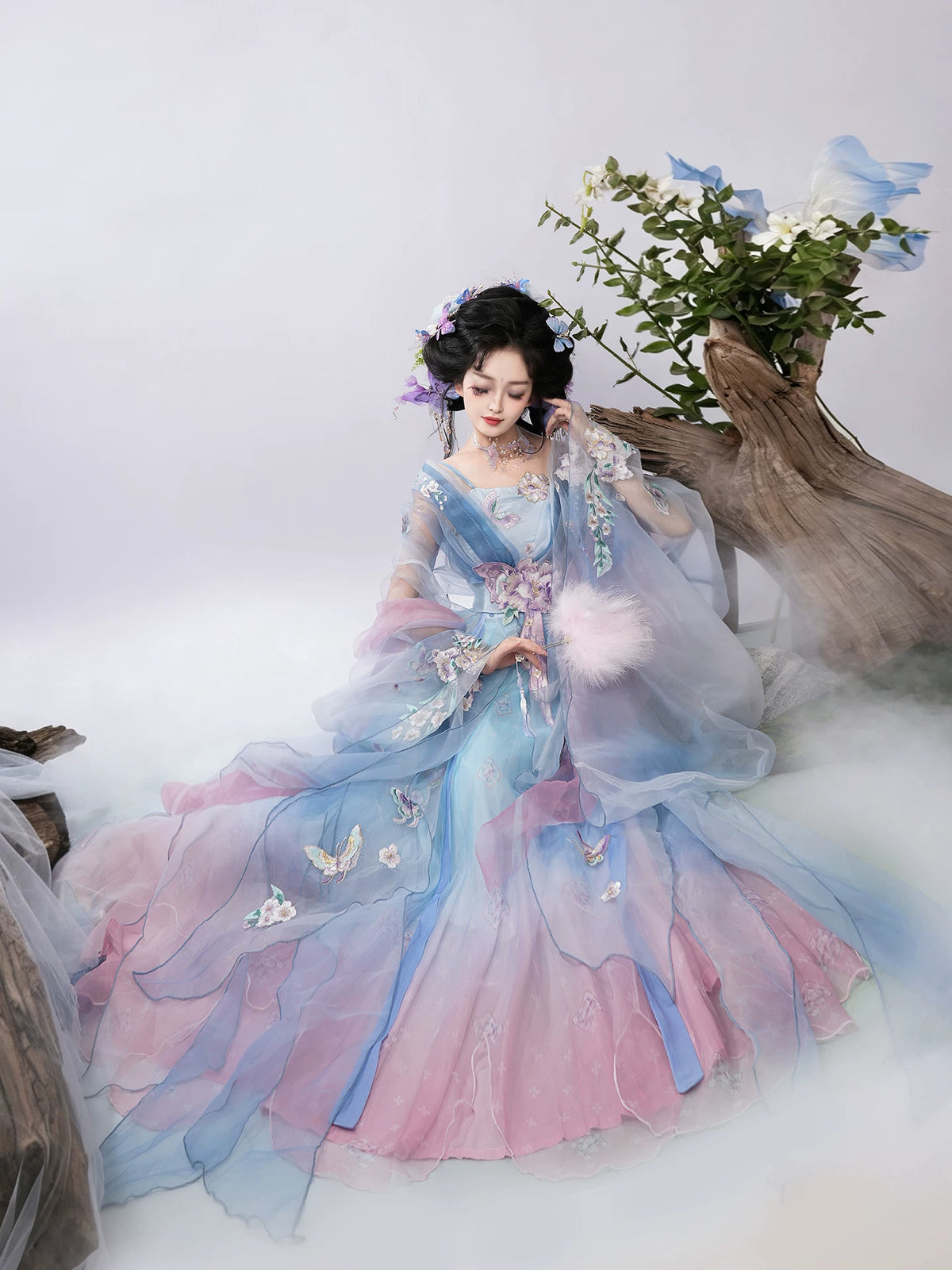
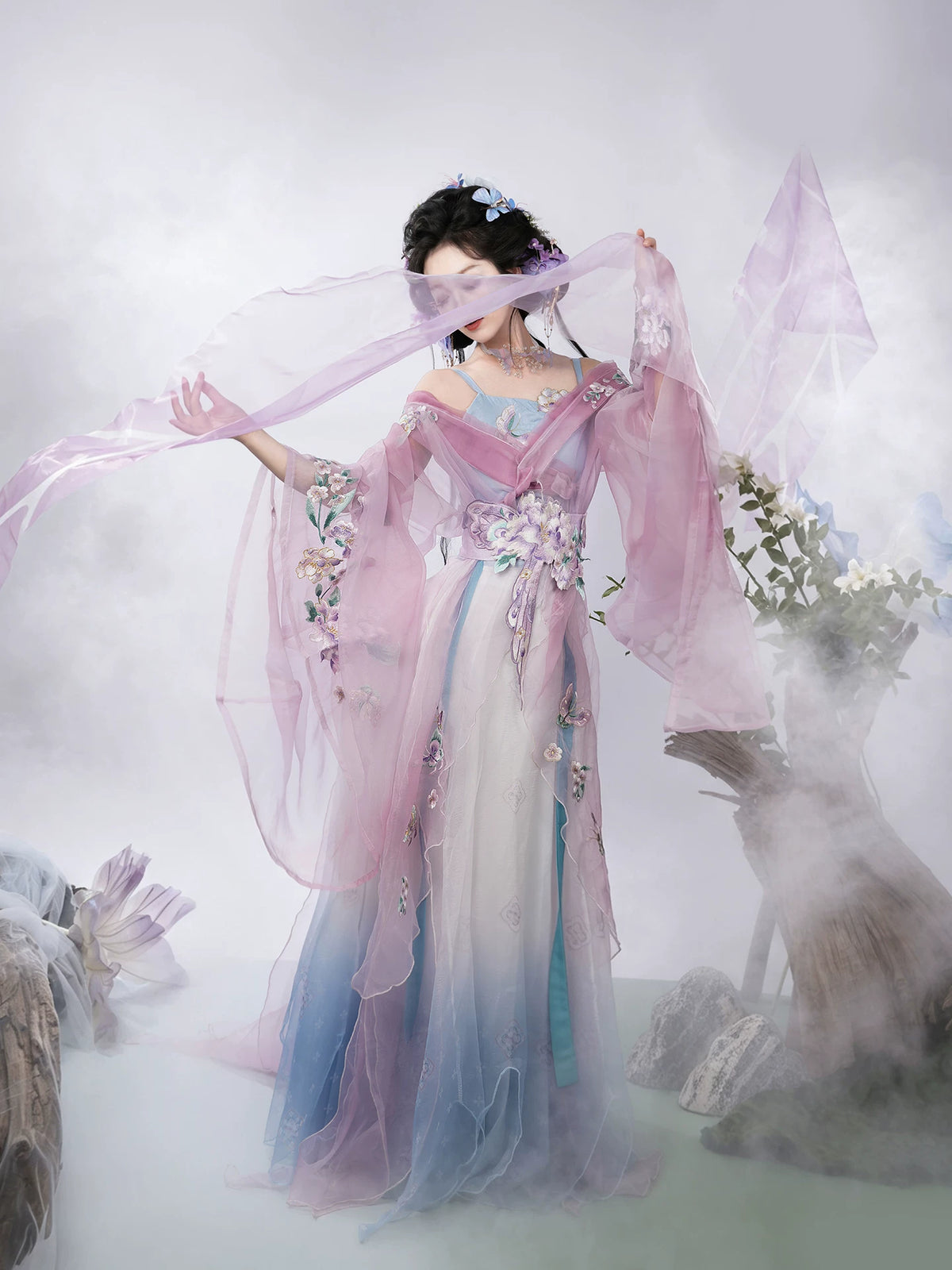
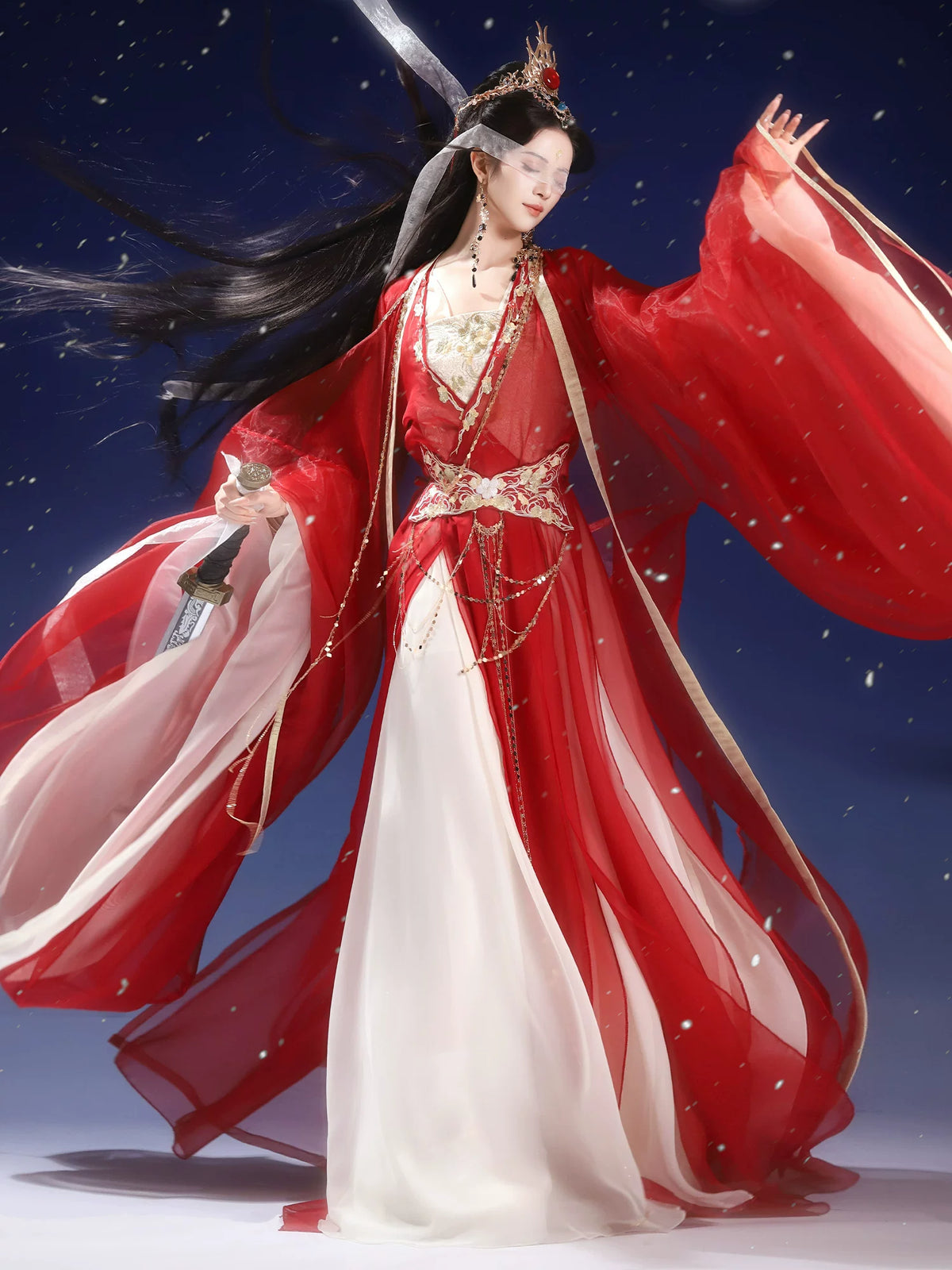
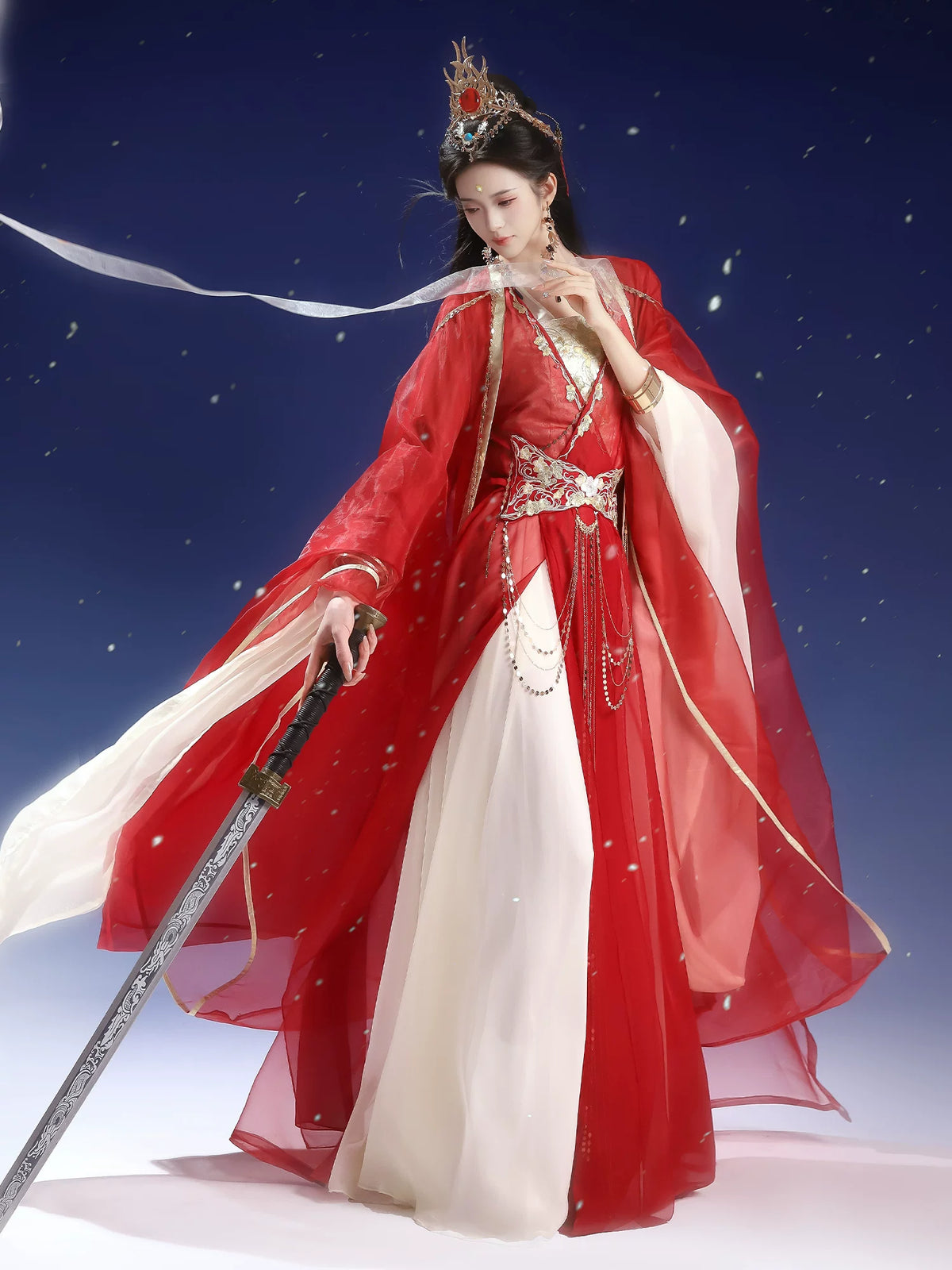
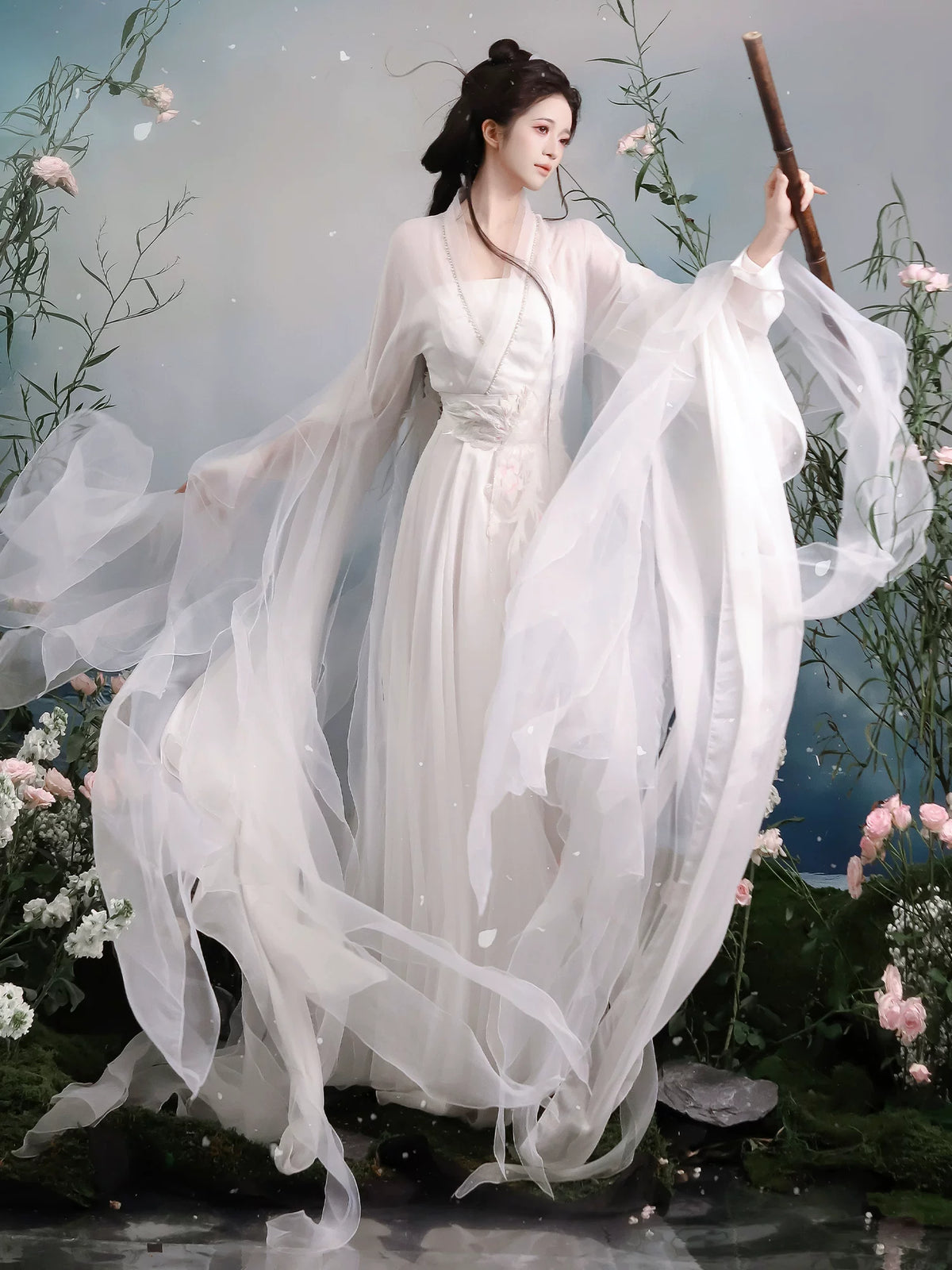
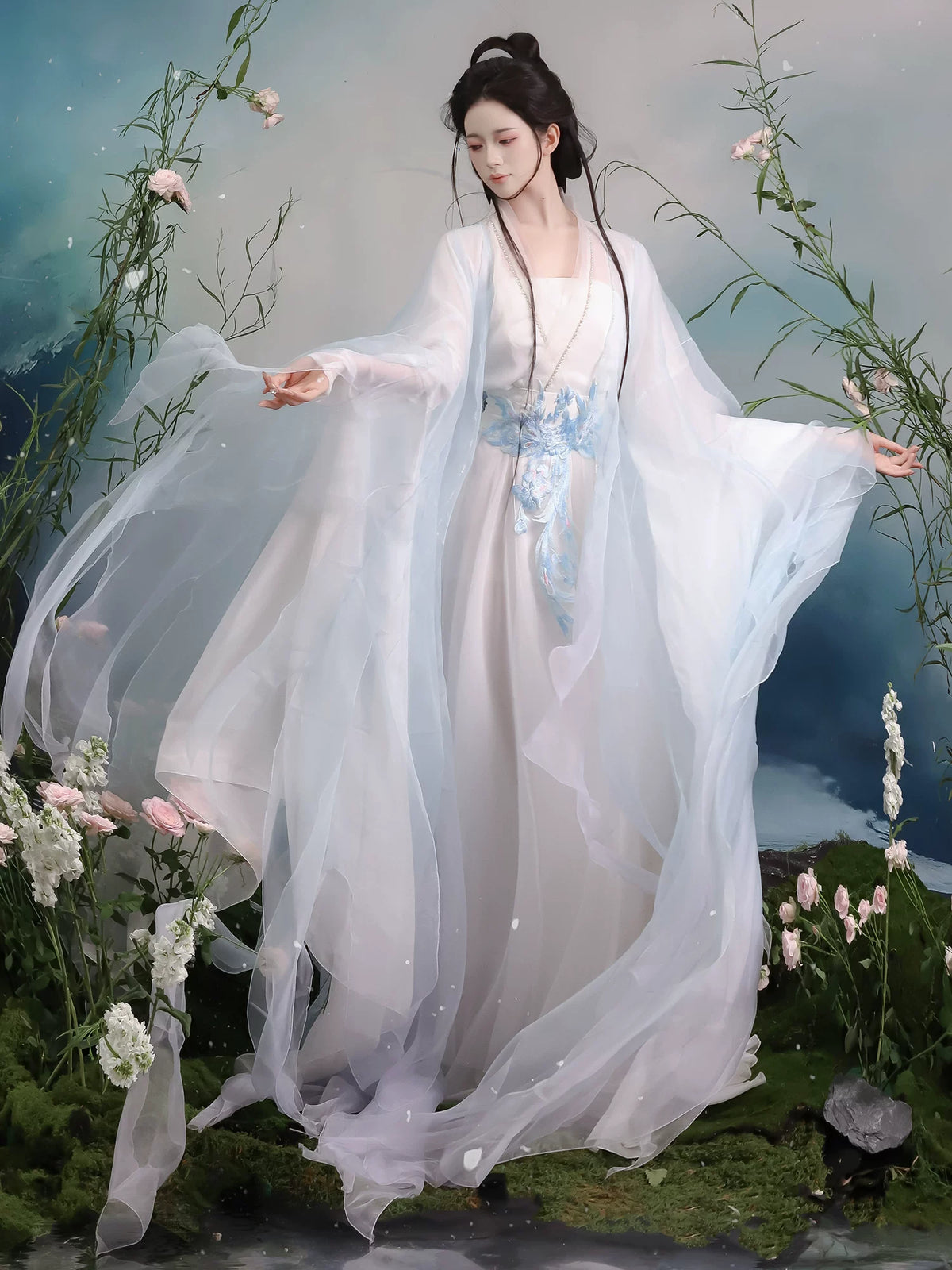
Hanfu (汉服) is the traditional clothing system of the Han Chinese people, with a history spanning over 3,000 years. The word "hanfu" literally means "clothing of the Han people." It is characterized by its distinctive cross-collar (jiaoling youren), flowing silhouettes, and layered construction — a style that developed and evolved across multiple Chinese dynasties.
Today, hanfu is experiencing a major cultural revival both in China and internationally, worn for cultural events, photography, festivals, cosplay, and everyday fashion by people who appreciate its timeless beauty.
The History of Hanfu
Hanfu developed during the reign of the Yellow Emperor (around 2700 BCE) and evolved continuously through China's major dynasties:
- Han Dynasty (206 BCE – 220 CE) — The classic Shenyi robe, a one-piece wrapped garment, became the standard. This era gave hanfu its name.
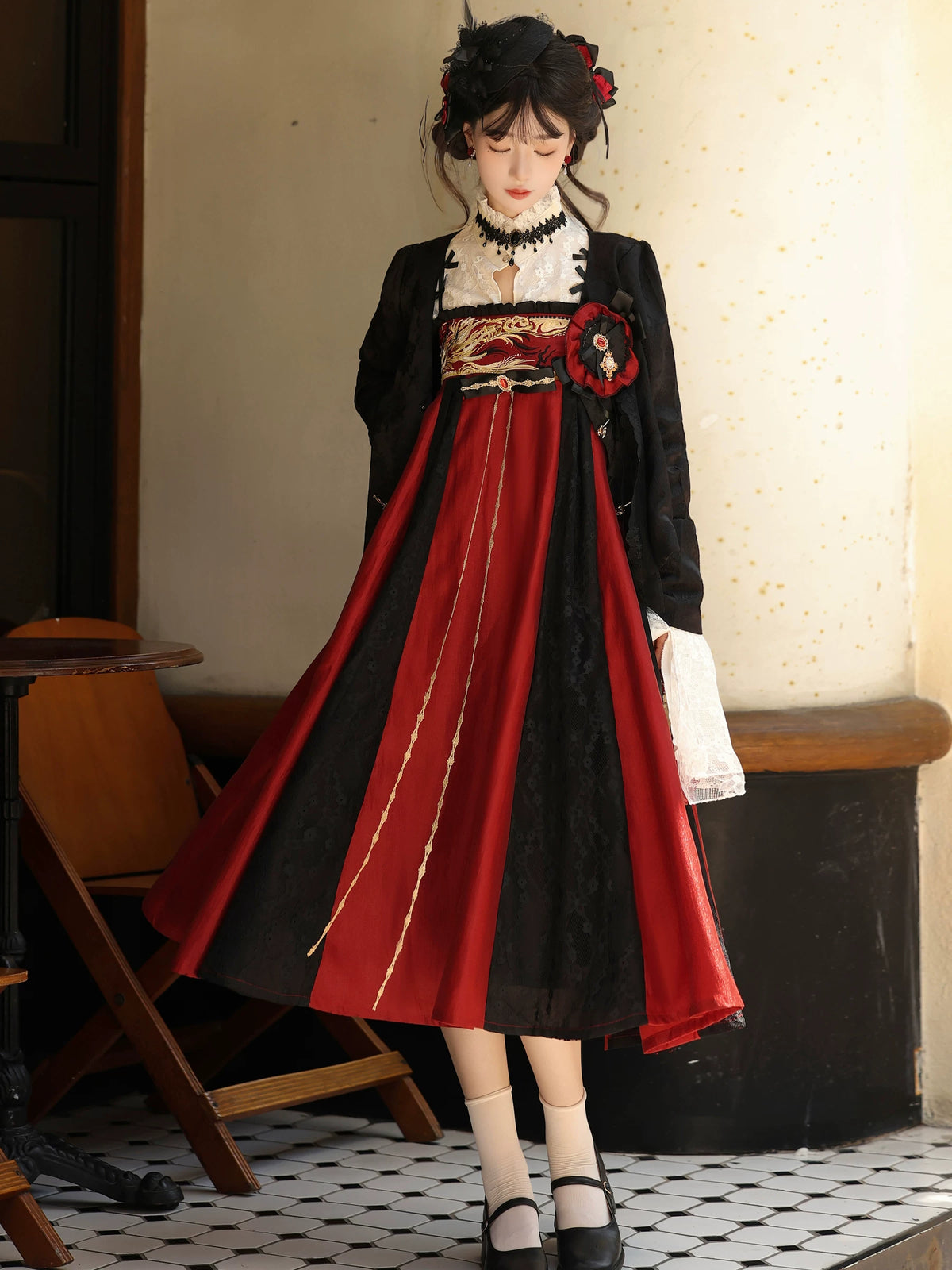
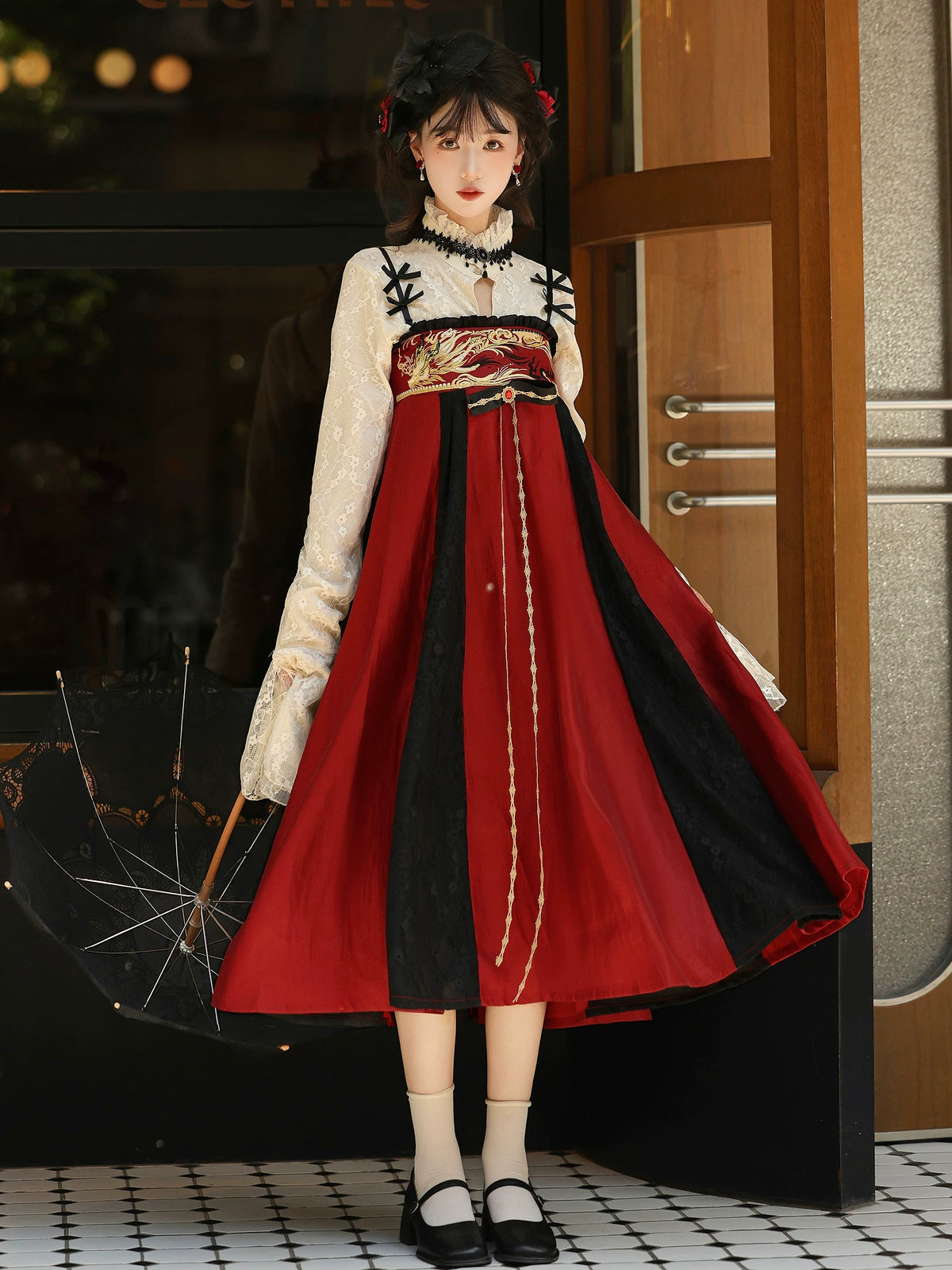
- Tang Dynasty (618–907 CE) — Bold colors, wide sleeves, and luxurious silk fabrics defined this golden age of hanfu. Women wore high-waisted Ruqun skirts with flowing tops.
- Song Dynasty (960–1279 CE) — Styles became more refined and understated, with elegant layering and subtle embroidery.
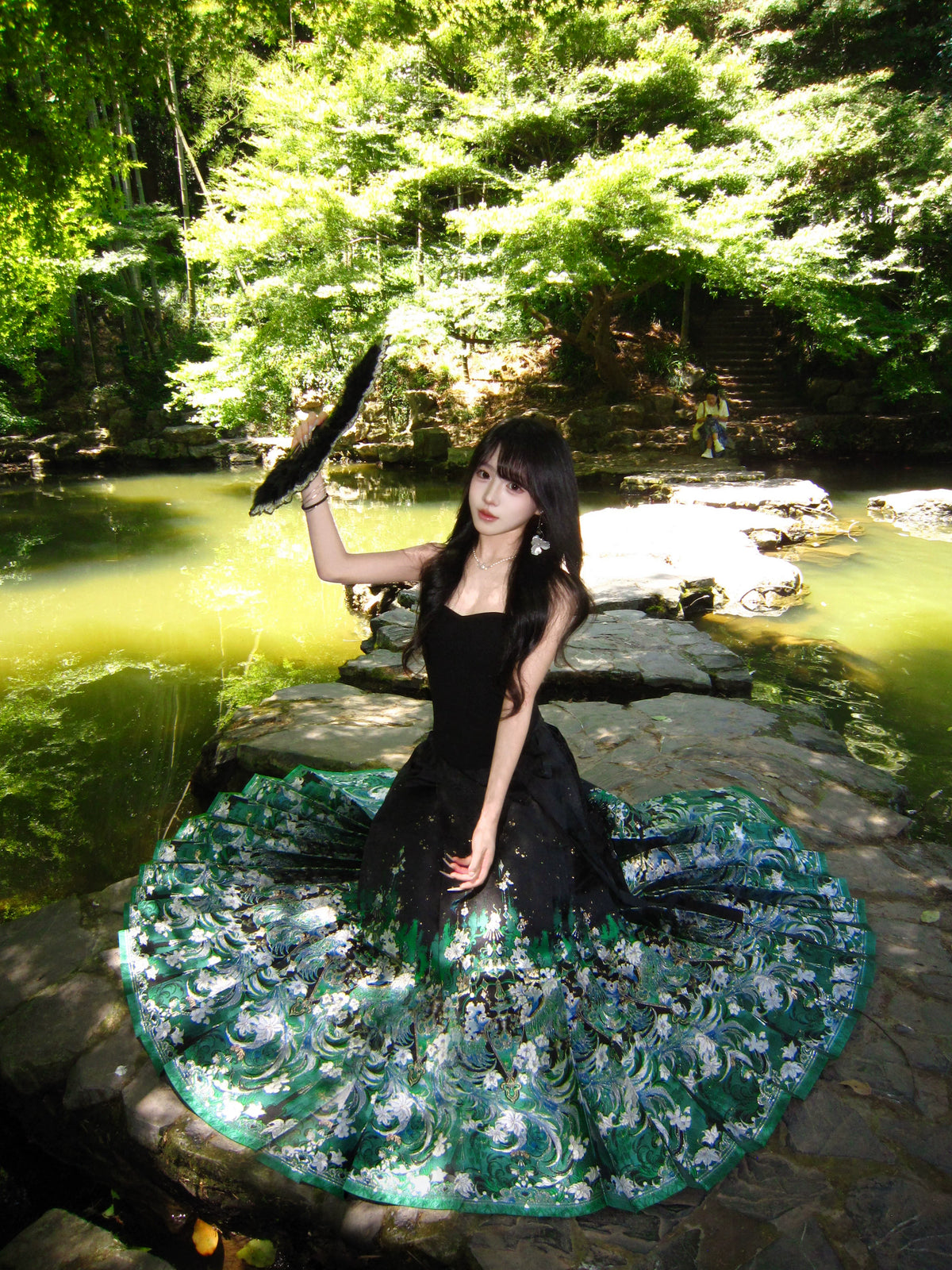
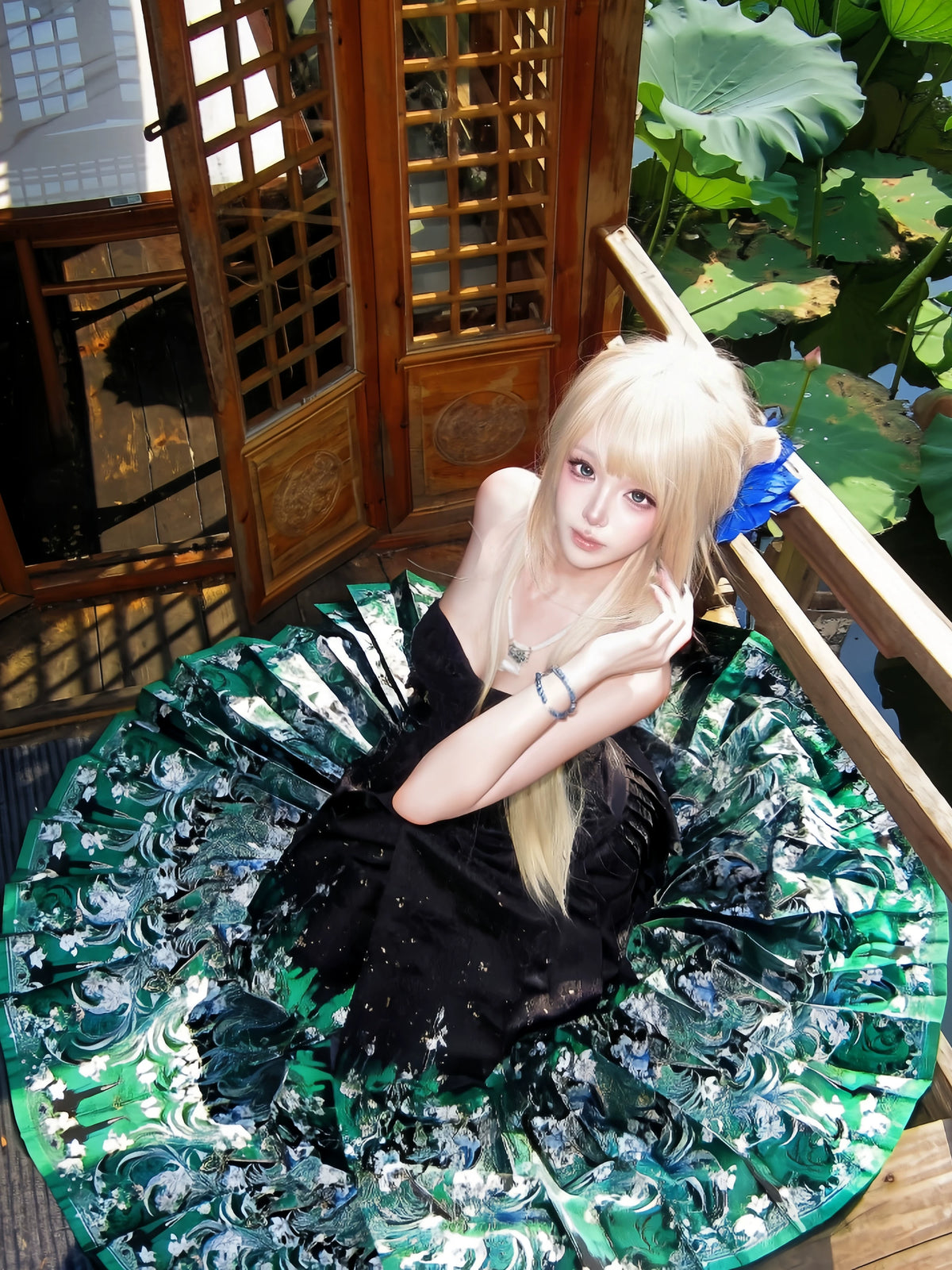
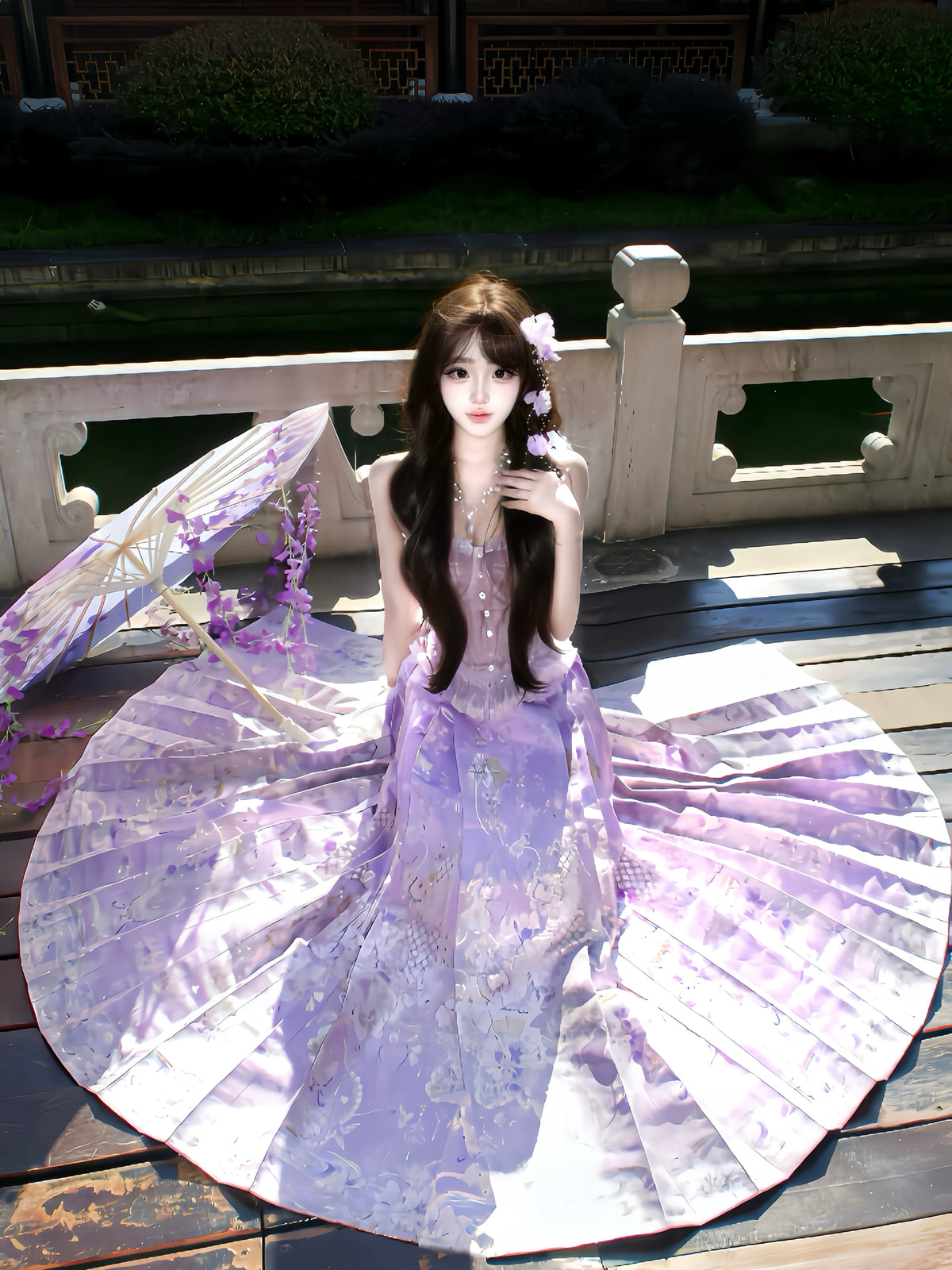
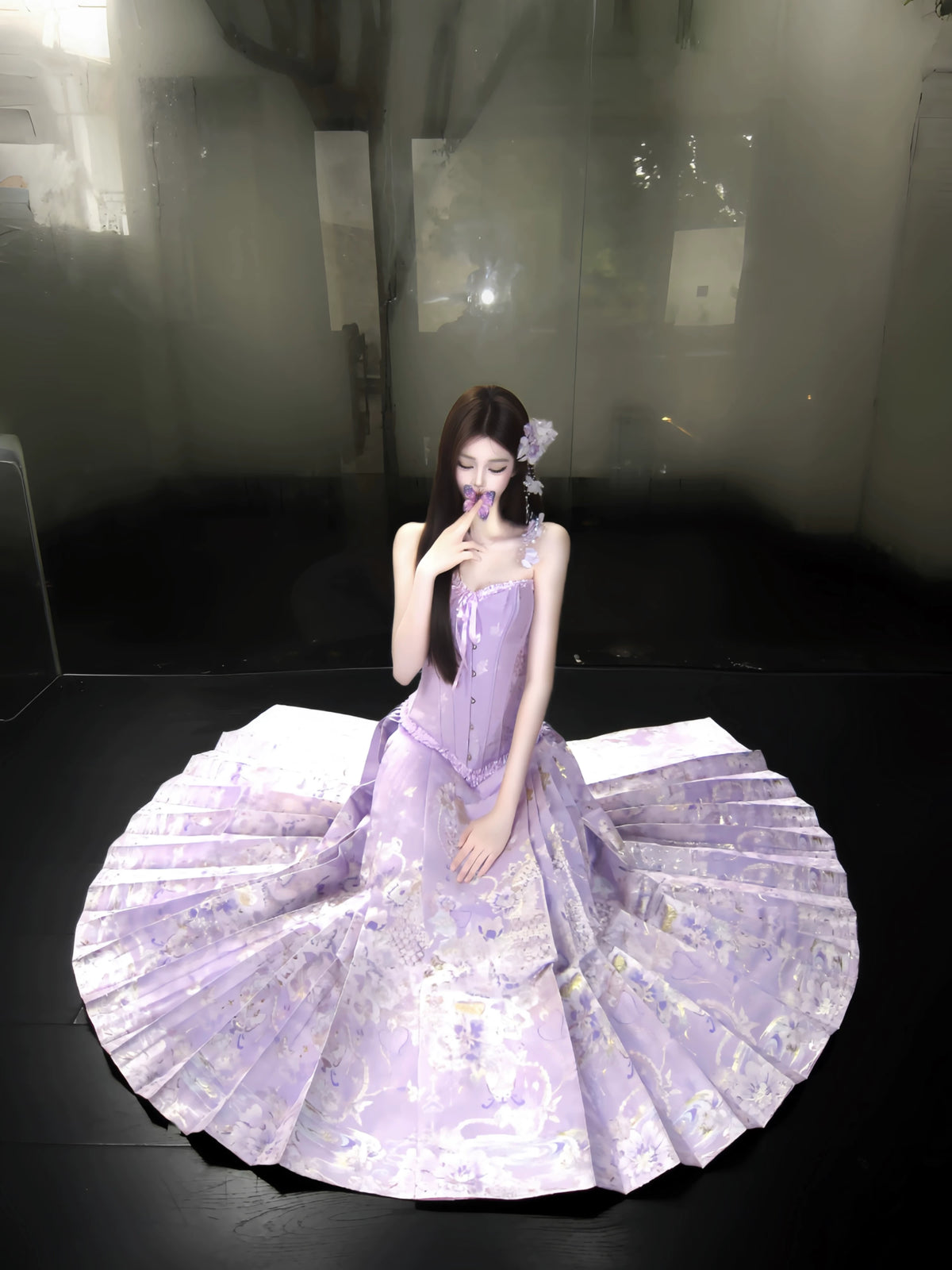
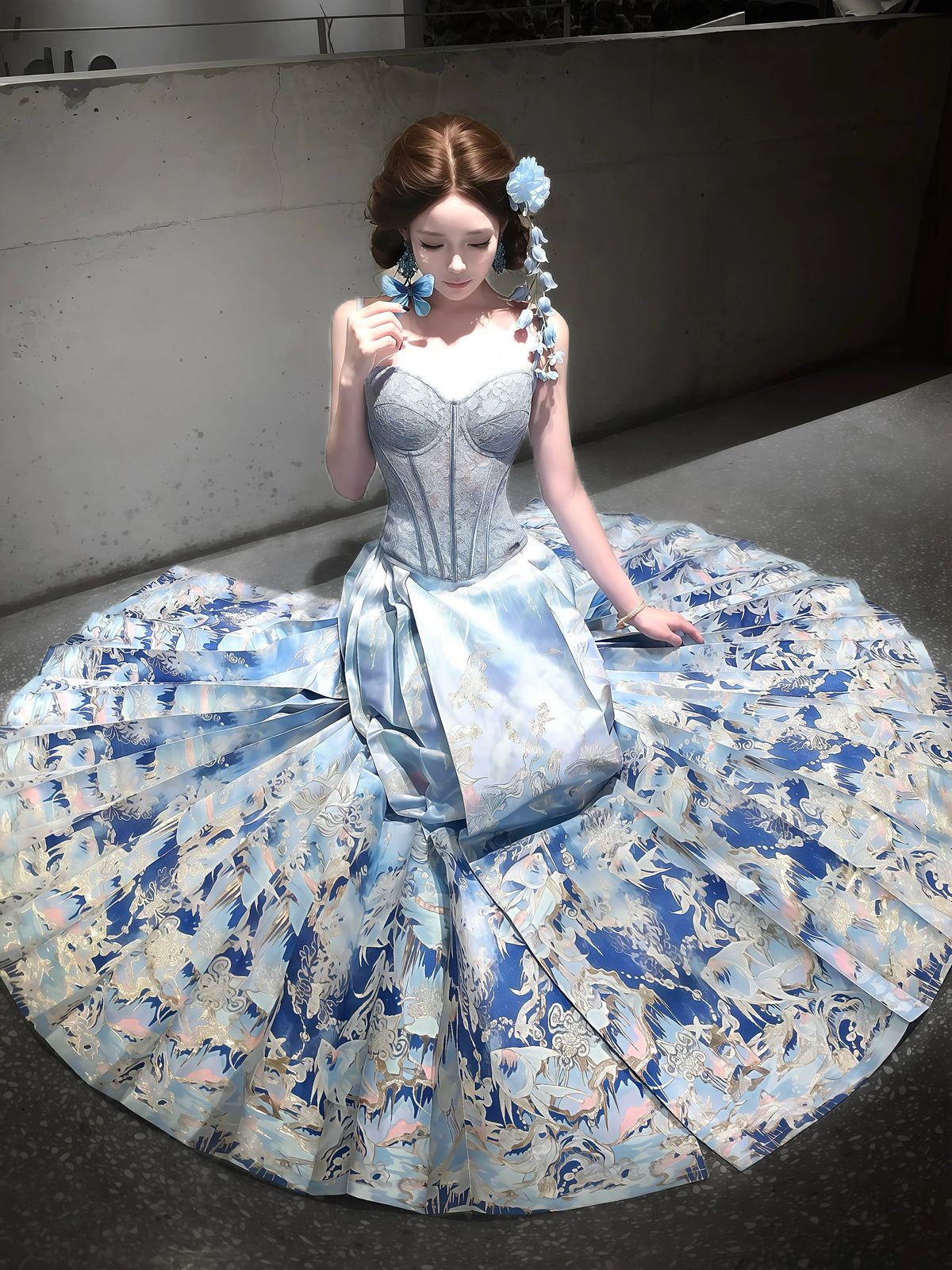
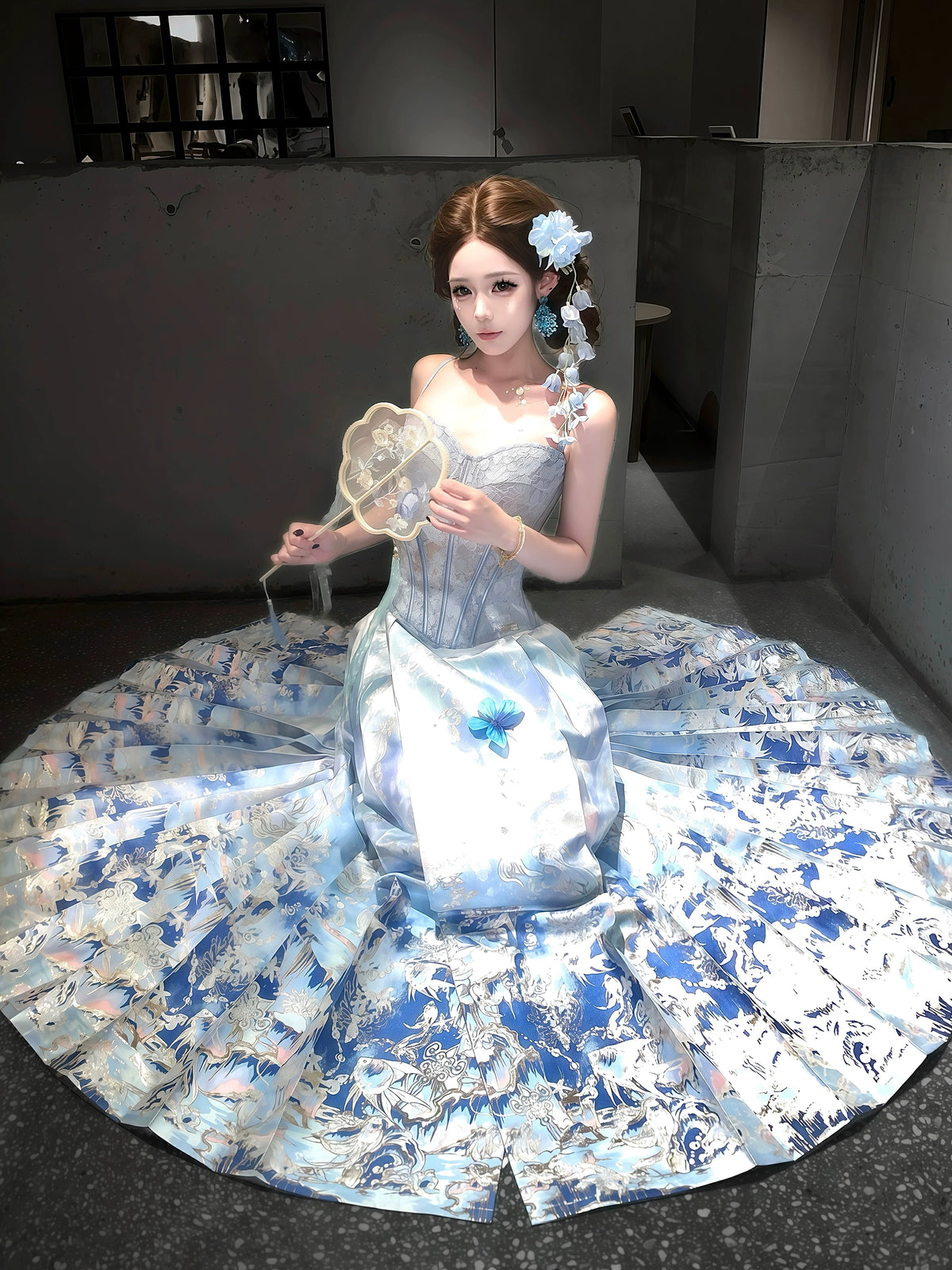
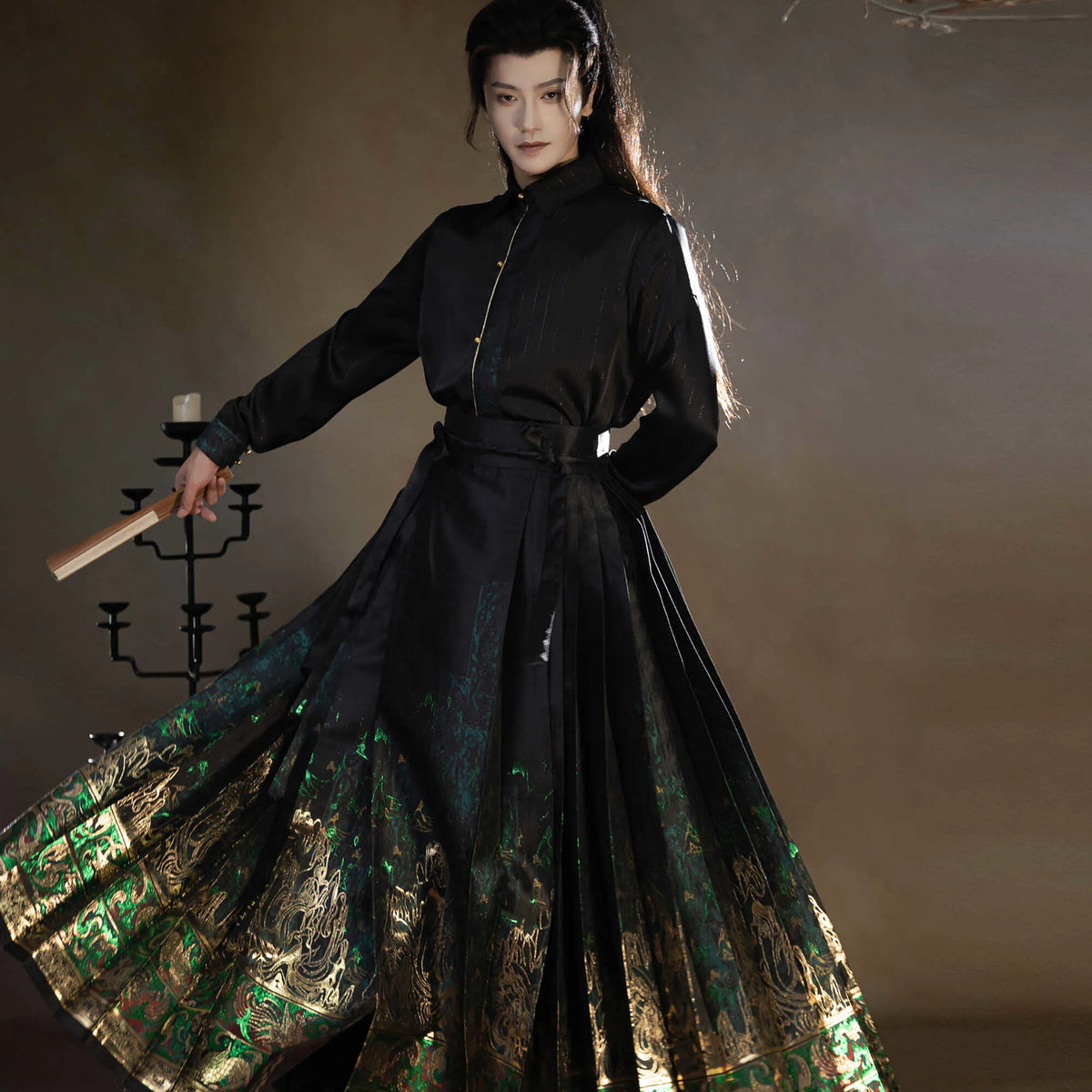
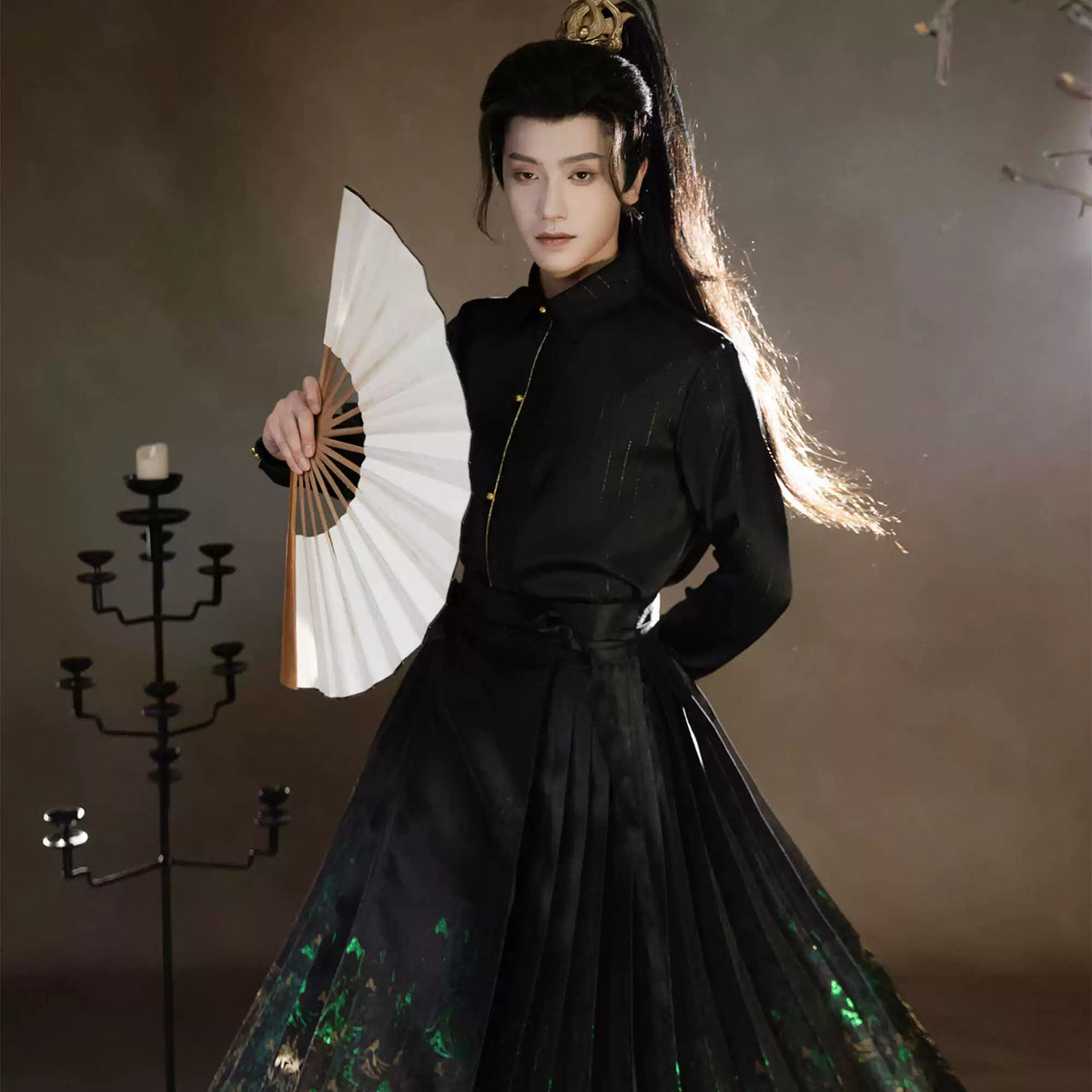
- Ming Dynasty (1368–1644 CE) — Structured collars, rich embroidery, and the iconic Mamian (horse-face) skirt defined this era. Ming hanfu is among the most popular styles today.
Main Types of Hanfu
Hanfu is not a single garment — it is a clothing system with many distinct styles:
- Ruqun (襦裙) — The most iconic hanfu style: a short top (ru) paired with a long skirt (qun). Can be worn with the skirt at the waist or chest (high-waisted).
- Aoqun (袄裙) — A longer, padded jacket paired with a skirt. Popular in Ming dynasty styles.
- Shenyi (深衣) — A one-piece robe where the top and bottom are sewn together. One of the oldest hanfu forms.
- Zhiduo (直裰) — A long robe popular for men, often worn by scholars.
- Beizi (褙子) — A long open-front vest or jacket worn over other garments.
- Banbi (半臂) — A short-sleeved top worn over the main garment, popular in Tang dynasty styles.
Hanfu vs Kimono vs Hanbok
Hanfu is often confused with Japanese kimono or Korean hanbok, but they are distinct traditions:
- Hanfu — Chinese, cross-collar design, flowing layers, wide variety of styles across dynasties
- Kimono — Japanese, T-shaped straight-line robe, worn with obi sash, more structured silhouette
- Hanbok — Korean, jeogori jacket with chima skirt, vibrant solid colors, shorter jacket
While kimono and hanbok were historically influenced by hanfu, each tradition developed its own unique aesthetic over centuries.
How to Wear Hanfu
Wearing hanfu correctly involves a few key steps:
- Start with the inner layer — Most hanfu sets include an inner robe (zhongyi) worn closest to the skin.
- Cross the collar right over left — This is the defining feature of hanfu. The right side always goes under the left.
- Tie the sash — Use the included ribbon or sash to secure the layers at the waist.
- Add outer layers — Depending on the style, add a beizi, banbi, or outer robe.
- Complete the look — Traditional hair accessories, hanfu shoes, and jewelry complete the outfit.
Can Non-Chinese People Wear Hanfu?
Yes! Hanfu is increasingly embraced by people of all backgrounds worldwide as a form of cultural appreciation. Many hanfu enthusiasts outside China wear it for photography, cosplay, cultural events, and fashion. The hanfu revival community generally welcomes international fans who approach the tradition with respect and curiosity.
What Occasions Can You Wear Hanfu To?
Hanfu is versatile and suitable for many occasions:
- Chinese New Year and traditional festivals
- Wedding ceremonies and tea ceremonies
- Photography and portrait sessions
- Cosplay and anime conventions
- Cultural events and museum visits
- Everyday casual wear (modern hanfu styles)
- Graduation photos
How to Choose Your First Hanfu
If you're buying hanfu for the first time, here are some tips:
- Start with a Ruqun — It's the most versatile and beginner-friendly style
- Choose your dynasty — Tang, Song, and Ming are the most popular for beginners
- Check the size guide carefully — Hanfu sizing often differs from Western sizing; measure your bust, waist, and height
- Consider the occasion — Casual modern hanfu for everyday wear; traditional sets for events and photography
- Look for quality fabrics — Silk, brocade, and cotton are traditional; polyester blends are more affordable and easy to care for
Shop Authentic Hanfu with Free Worldwide Shipping
At Yandan Hanfu, we offer a wide range of authentic hanfu clothing for women and men — from traditional Tang and Ming dynasty sets to modern everyday hanfu. Every order ships worldwide for free, with no customs duties at delivery.
Explore our collections:
Frequently Asked Questions
What does hanfu mean?
Hanfu (汉服) means "clothing of the Han people" — the dominant ethnic group of China.
Is hanfu still worn today?
Yes! The hanfu revival movement has grown significantly since the 2000s, with millions of people in China and worldwide wearing hanfu for cultural events, fashion, and daily life.
How much does hanfu cost?
Hanfu ranges from affordable everyday sets (around $50–$100) to elaborate ceremonial sets ($200+). At Yandan Hanfu, all orders include free worldwide shipping and duty-free delivery.
What is the difference between hanfu and qipao/cheongsam?
Hanfu refers to pre-Qing dynasty Han Chinese clothing. Qipao (cheongsam) developed during the Qing dynasty and Republic era, and has a different silhouette — typically a fitted one-piece dress with a mandarin collar. Both are beautiful traditions of Chinese fashion.