Kimono in Japanese – 着物 – The Meaning & Culture of the Japanese Kimono
フィルター
並べ替え:
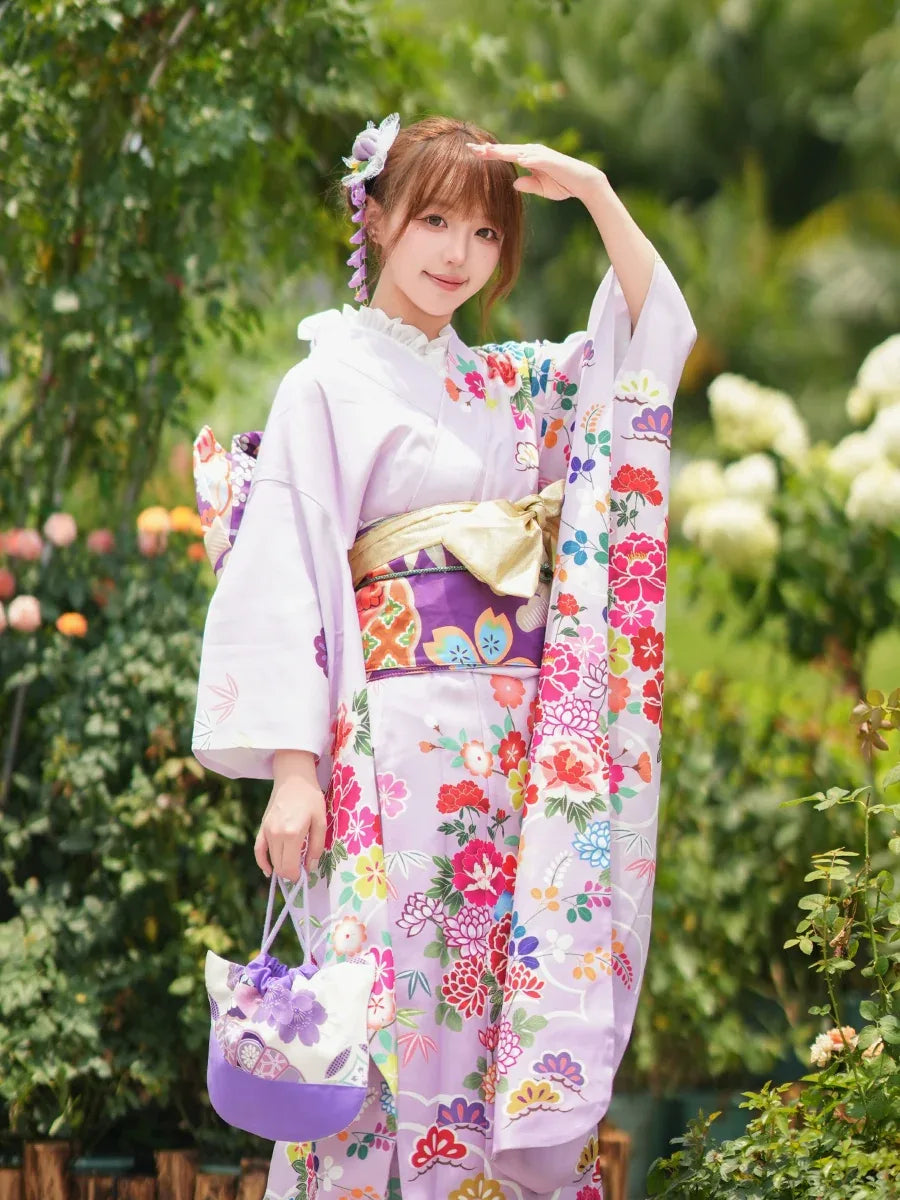
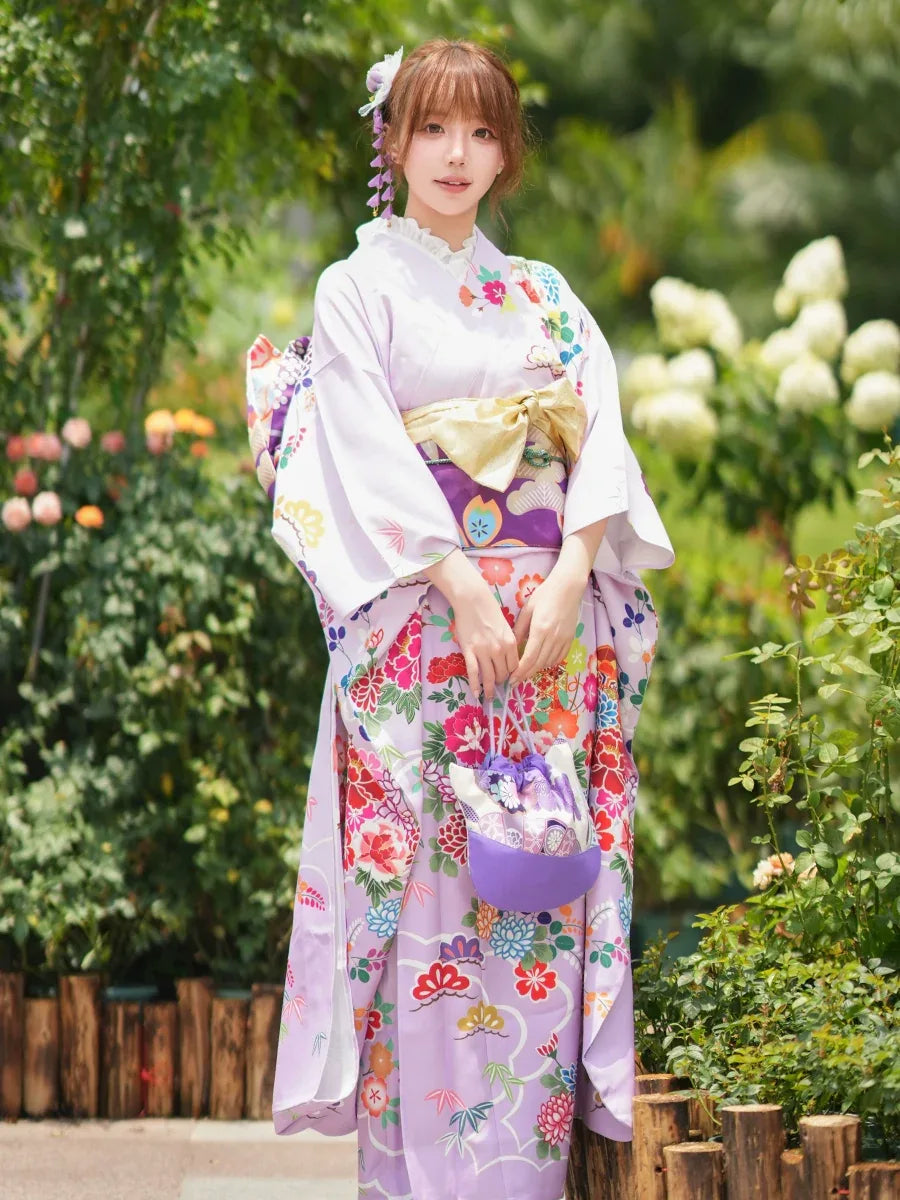
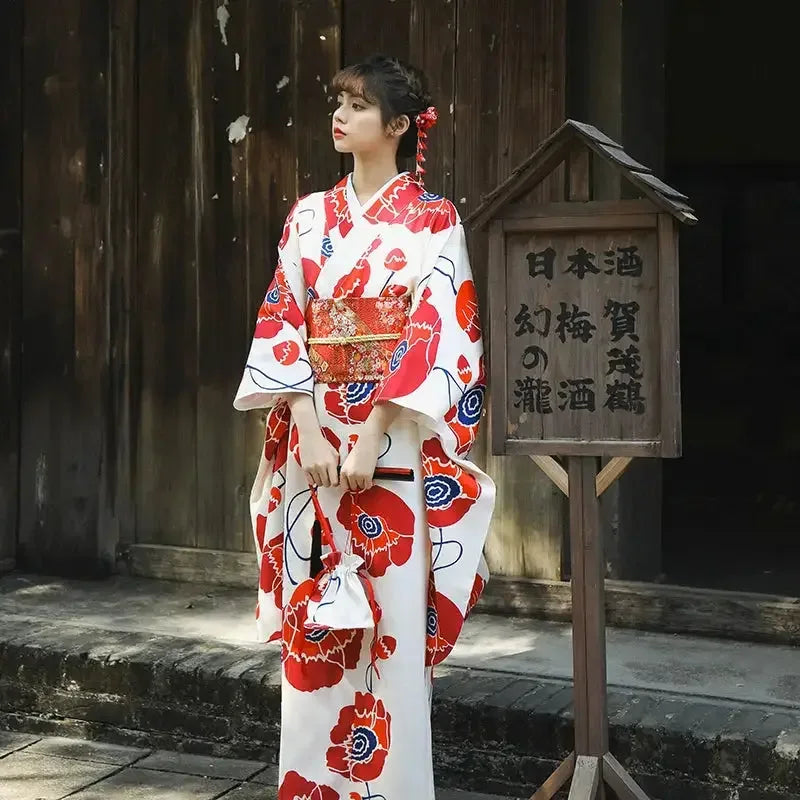
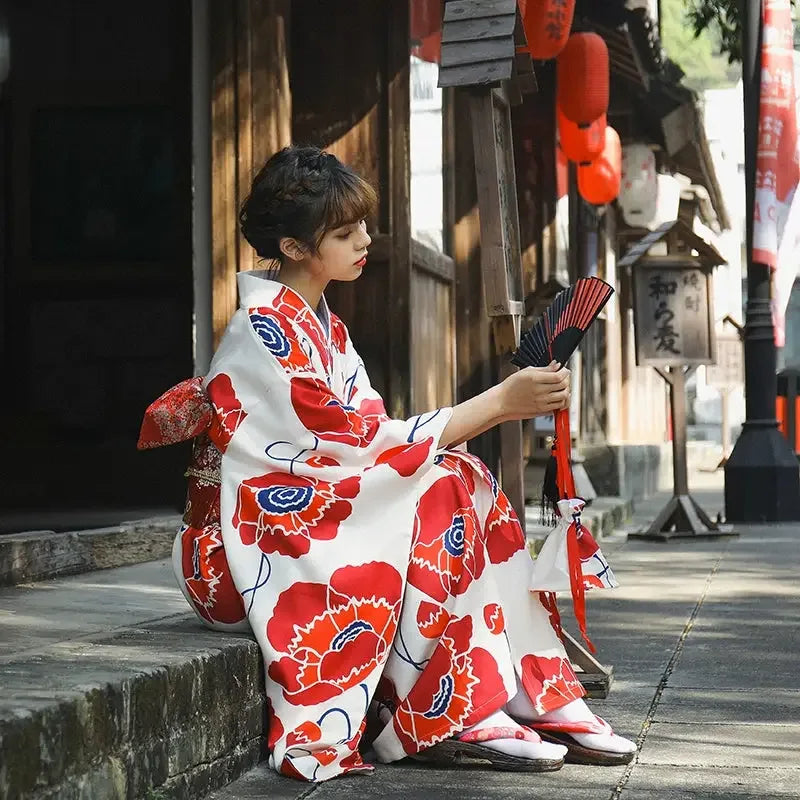


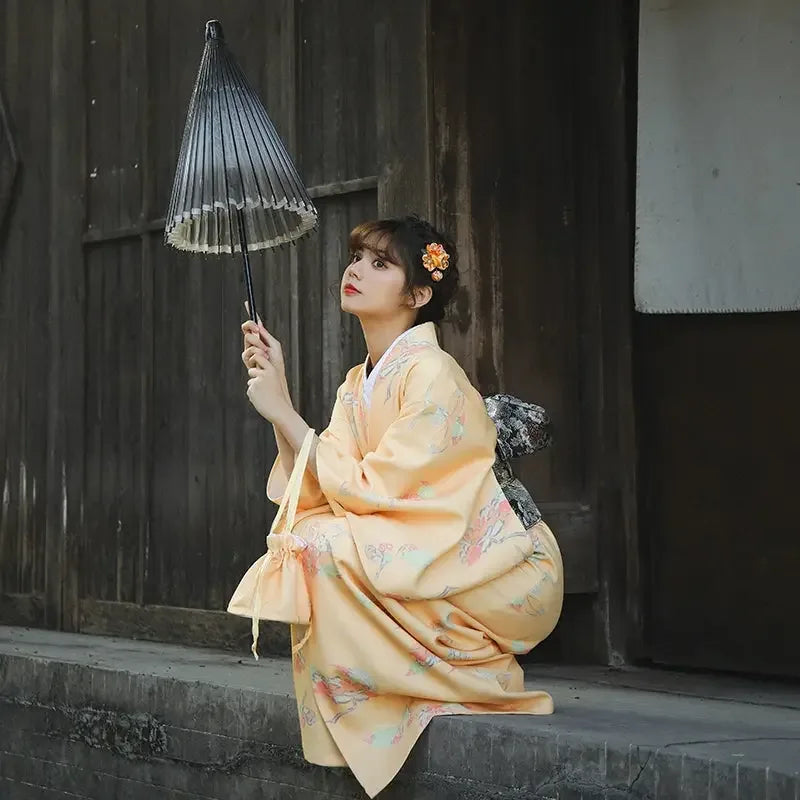
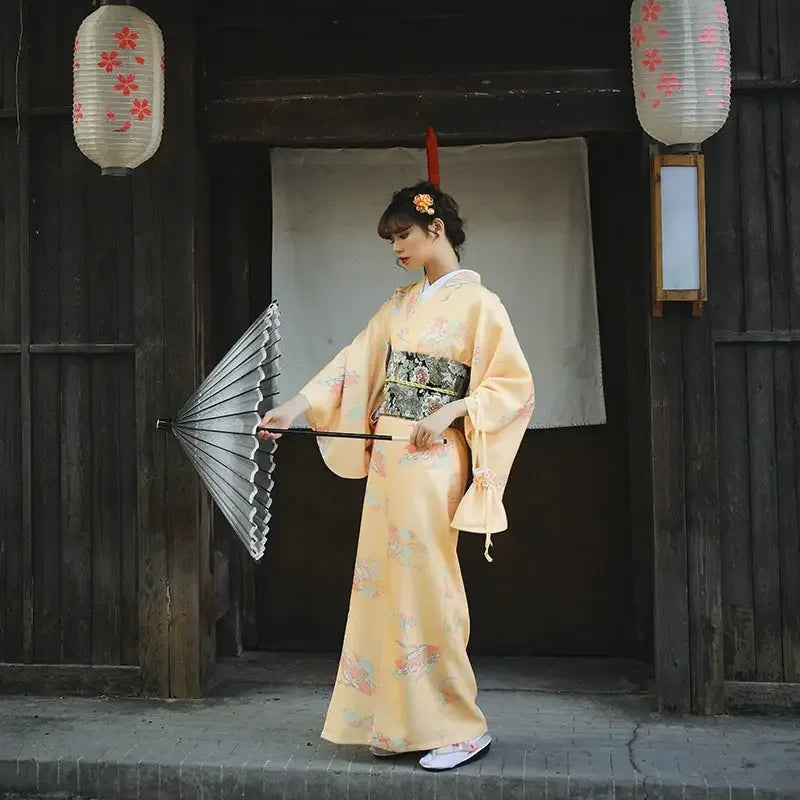
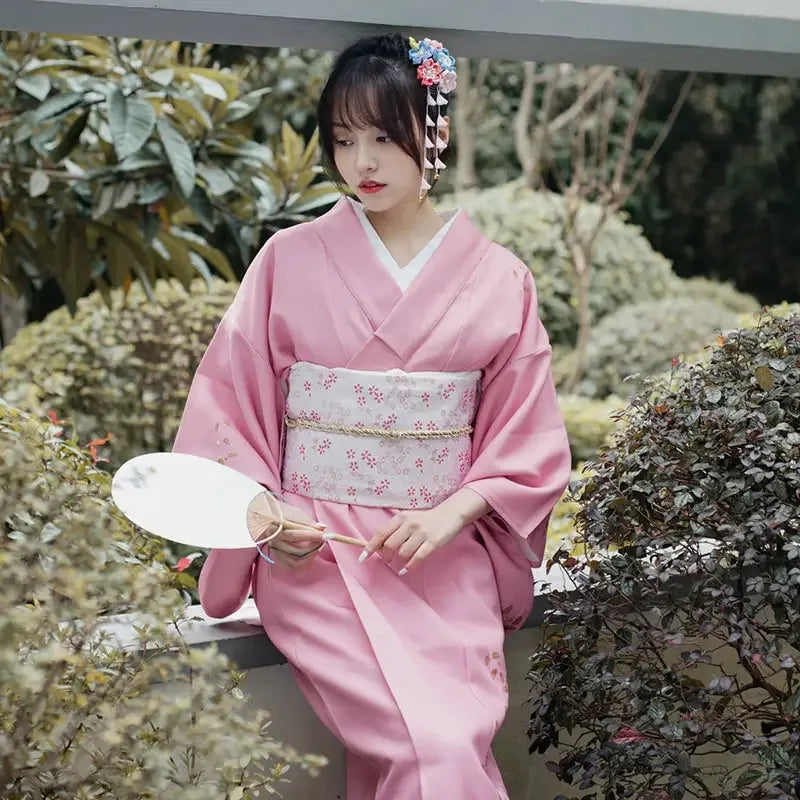
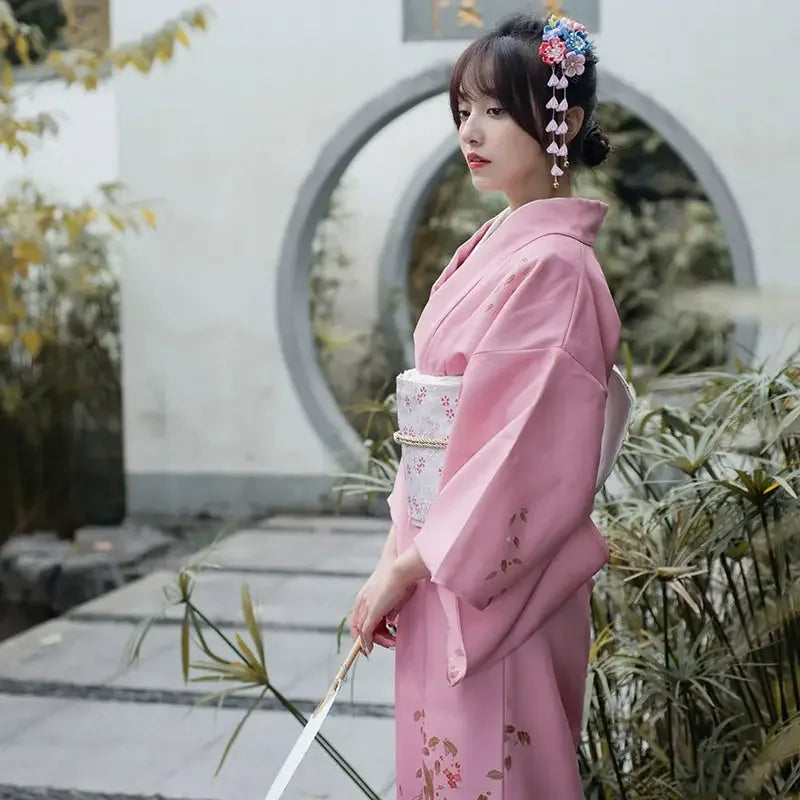
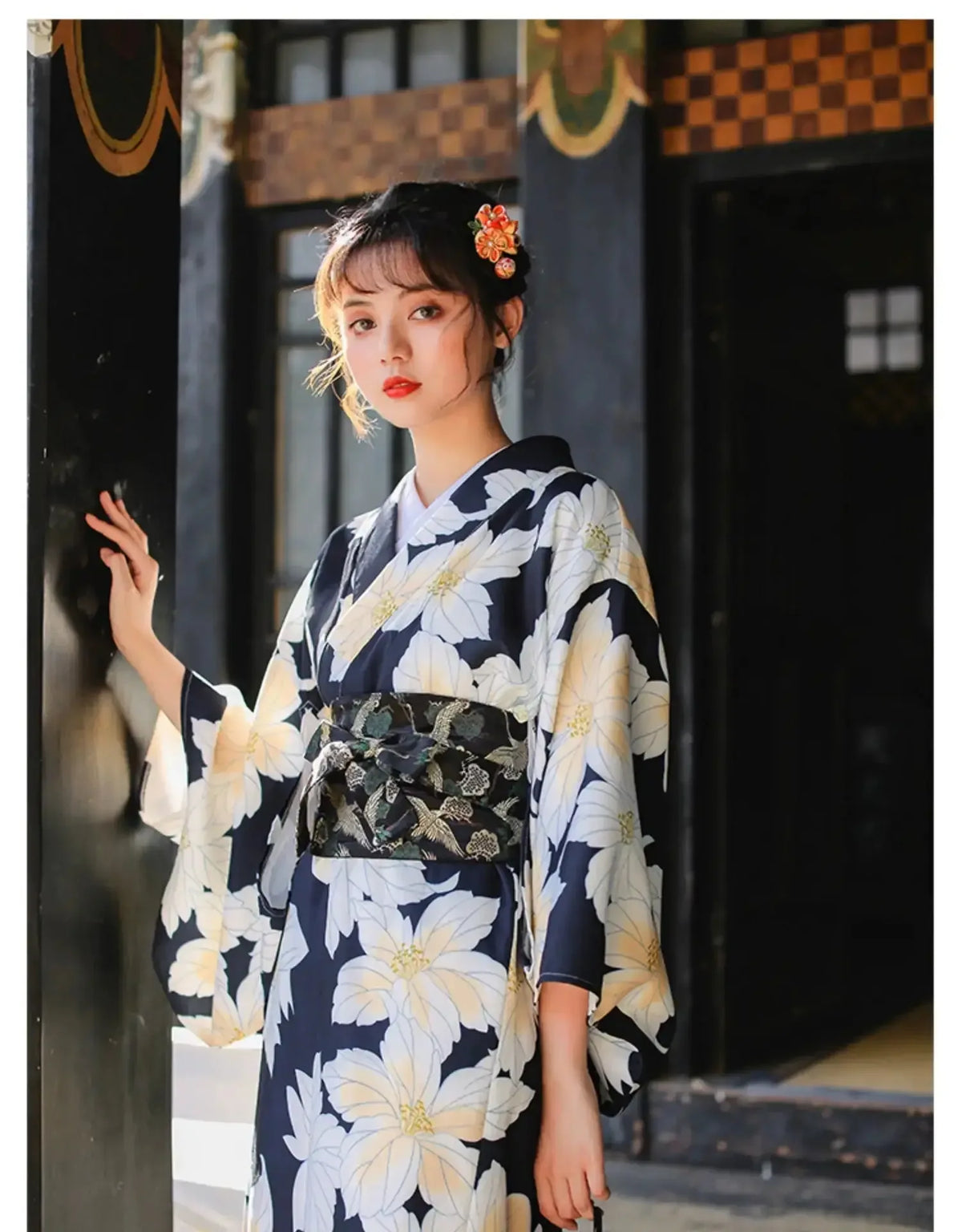

In Japanese, the word kimono is written 着物 and pronounced ki-mo-no — three syllables of equal stress. The word is composed of two kanji characters: ki (着) meaning “to wear”, and mono (物) meaning “thing” or “object”. Together, kimono simply means “thing to wear” or “clothing” — a beautifully simple name for one of the world’s most complex and culturally rich garments.
In Japan, the word kimono was originally used to refer to all clothing — it is only in the modern era, as Western dress became dominant in Japan, that kimono came to refer specifically to the traditional T-shaped Japanese robe. Today, the kimono (着物) is one of the most recognised and beloved symbols of Japanese culture worldwide — worn for the most important occasions in Japanese life and celebrated as a living art form of extraordinary beauty.
Key Kimono Vocabulary in Japanese
- 着物 (kimono) — the garment itself
- 帯 (obi) — the sash tied around the waist
- 袖 (sode) — the sleeve
- 襲 (hakama) — formal divided skirt worn over kimono
- 浴衣 (yukata) — casual summer cotton kimono
- 羽織 (haori) — hip-length kimono jacket
- 打掛 (uchikake) — formal bridal outer robe
Discover the language and culture of the kimono — explore our collection today.
Continue shopping: browse Japanese Kimono & Yukata for the main selection, or return to the complete Kimono Collection.


