Purple Hanfu - Traditional Chinese Purple Dresses & Robes
フィルター
並べ替え:





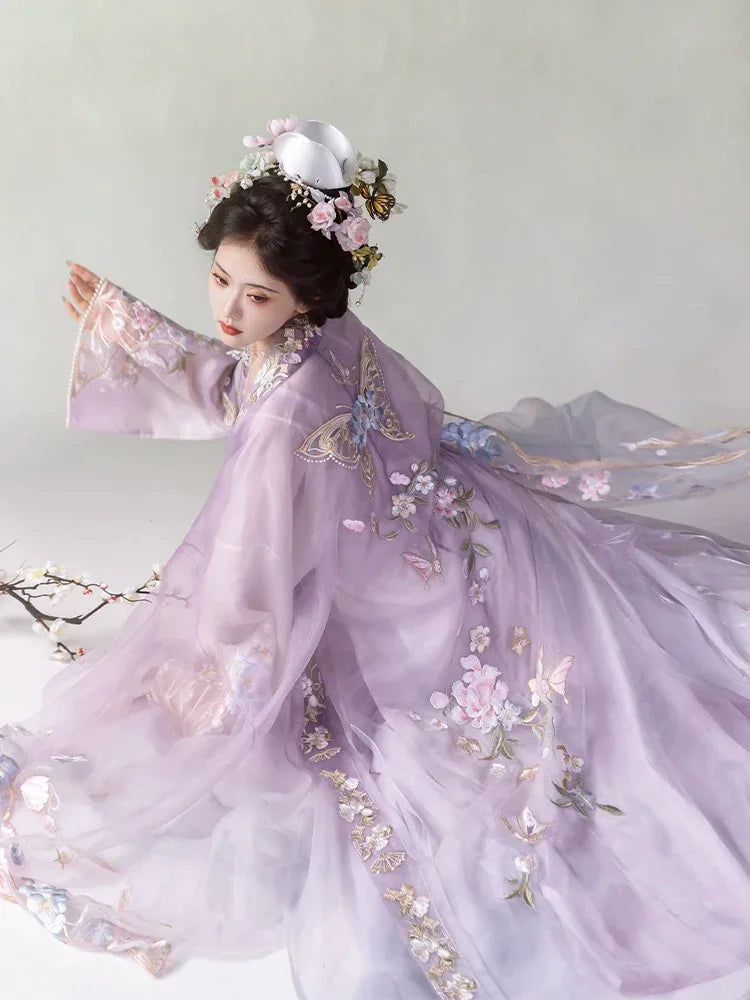
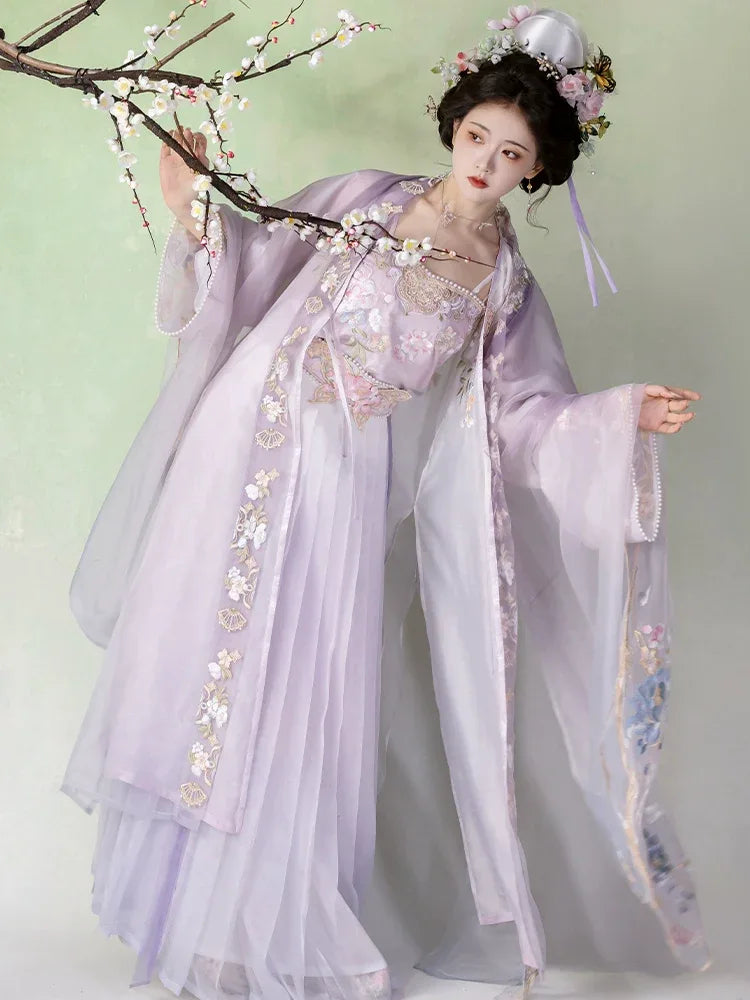
![[Hibiscus] Tang Dynasty purple Han element Hanfu - Yandan_Hanfu](http://yandanhanfu.com/cdn/shop/files/O1CN01KTuY9127VN3xTVVSW__2211844857802.jpg?v=1765384274&width=800)
![[Hibiscus] Tang Dynasty purple Han element Hanfu - Yandan_Hanfu](http://yandanhanfu.com/cdn/shop/files/O1CN01dZ4W7H27VN3vdqsd1__2211844857802.jpg?v=1765384275&width=800)
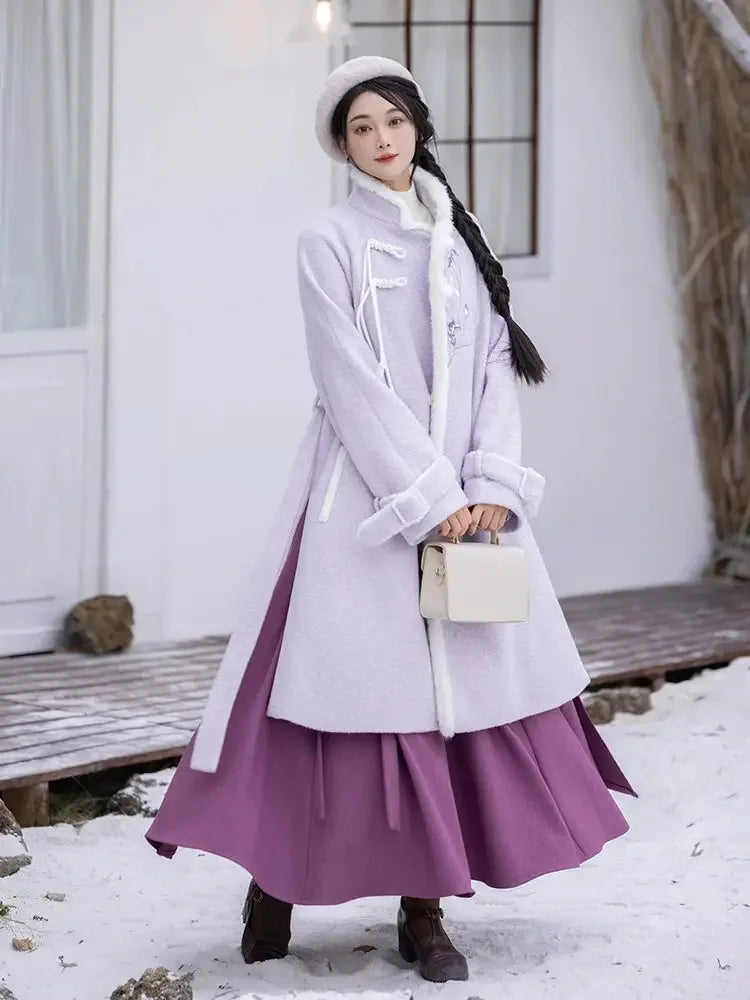
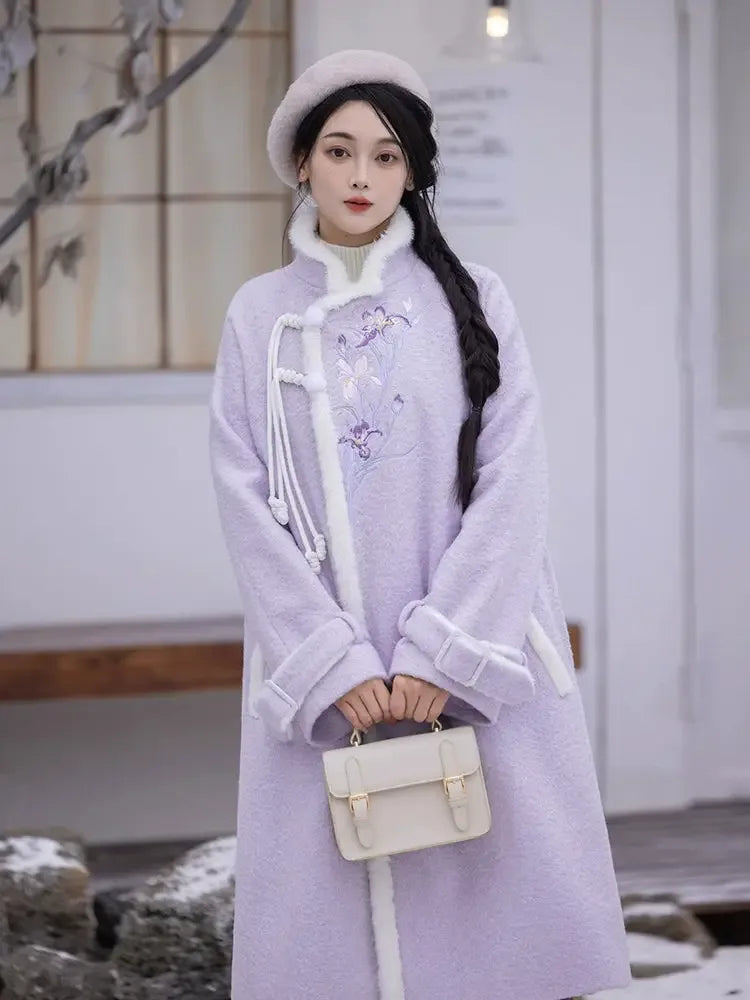
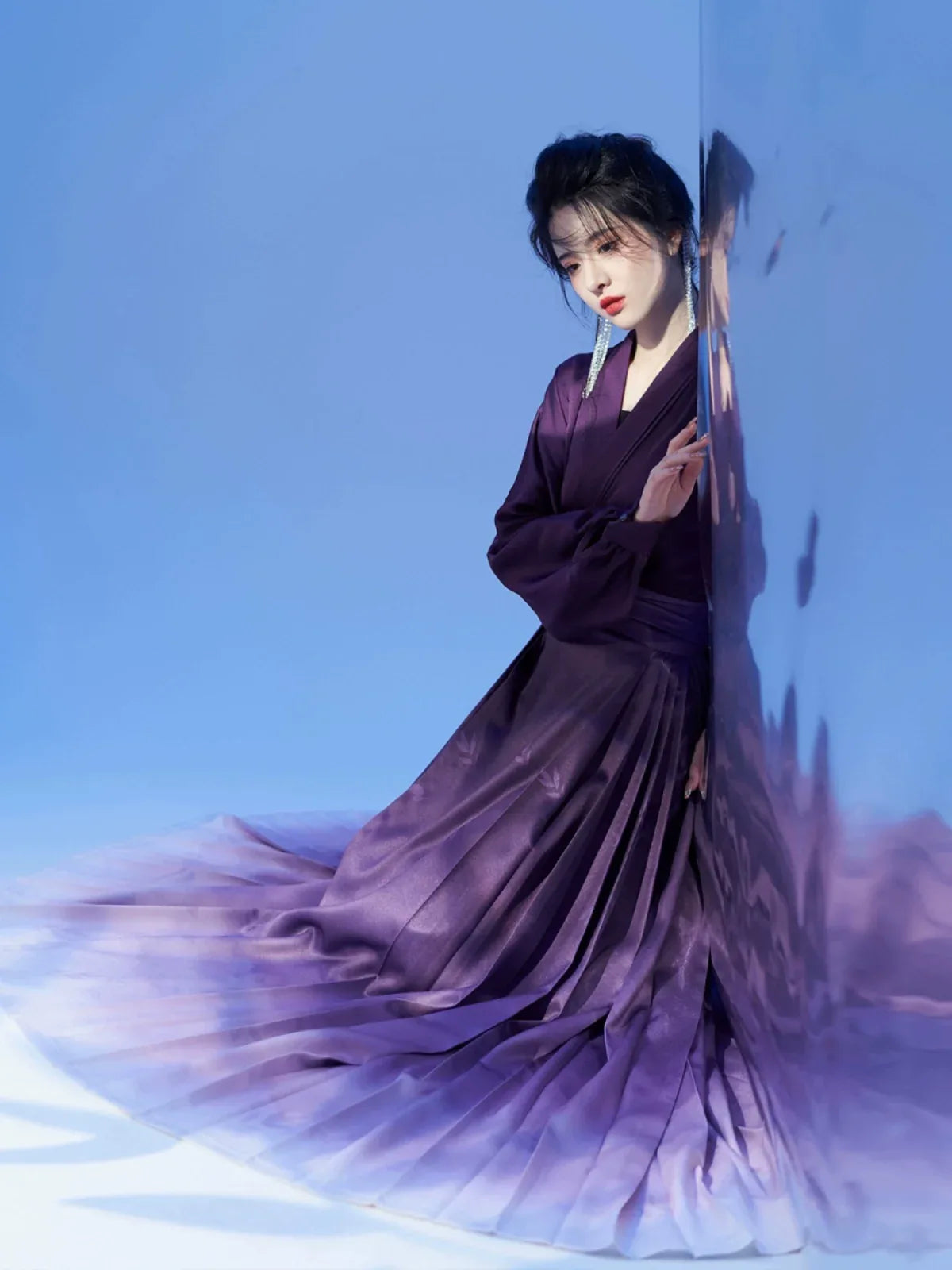
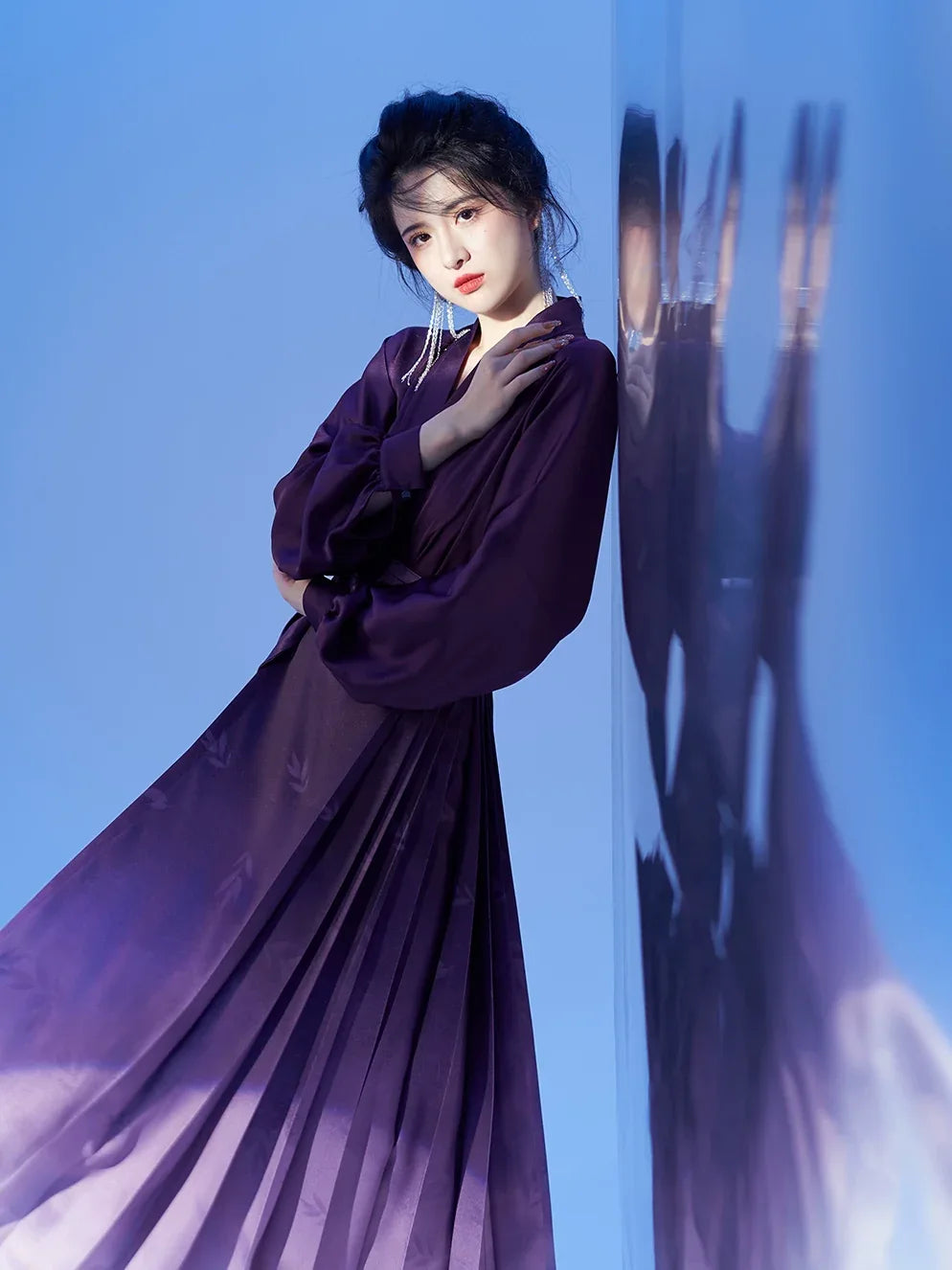
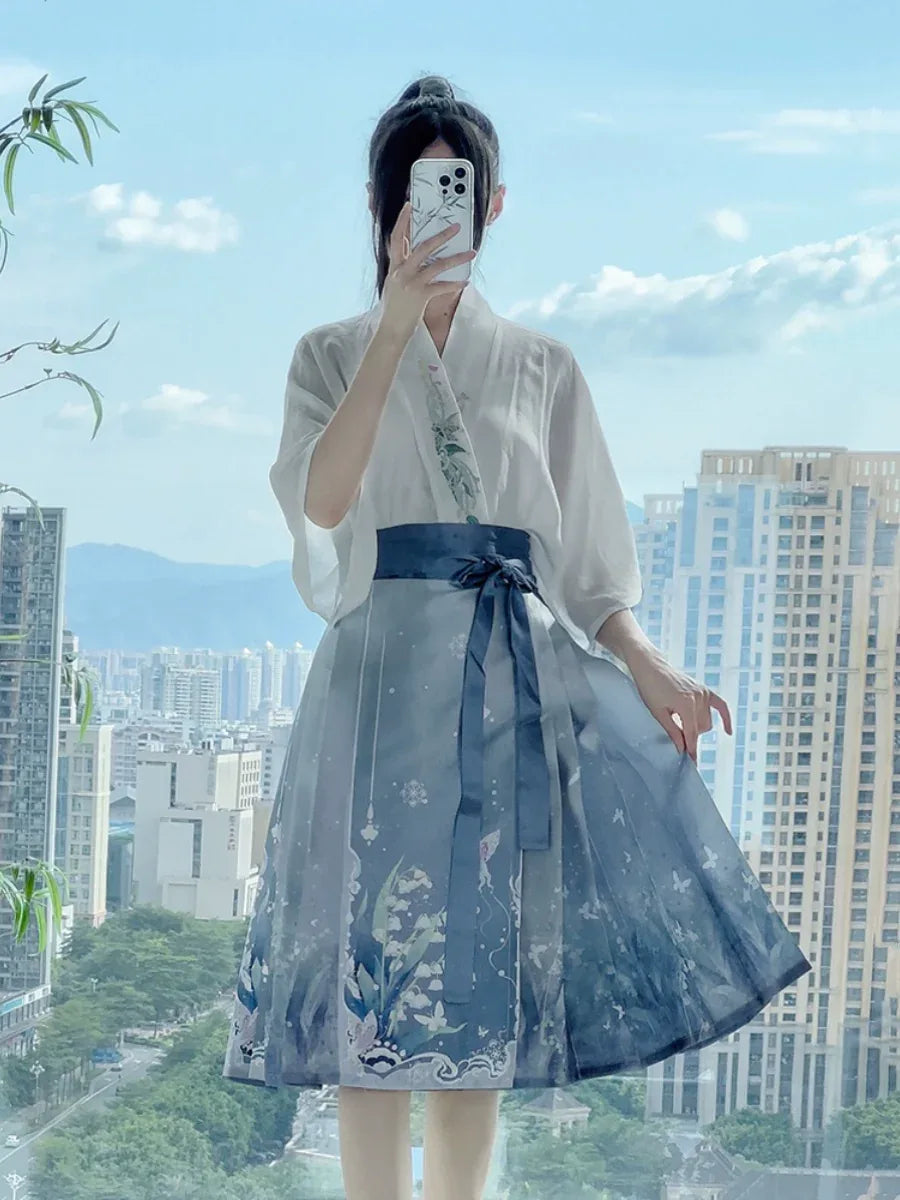
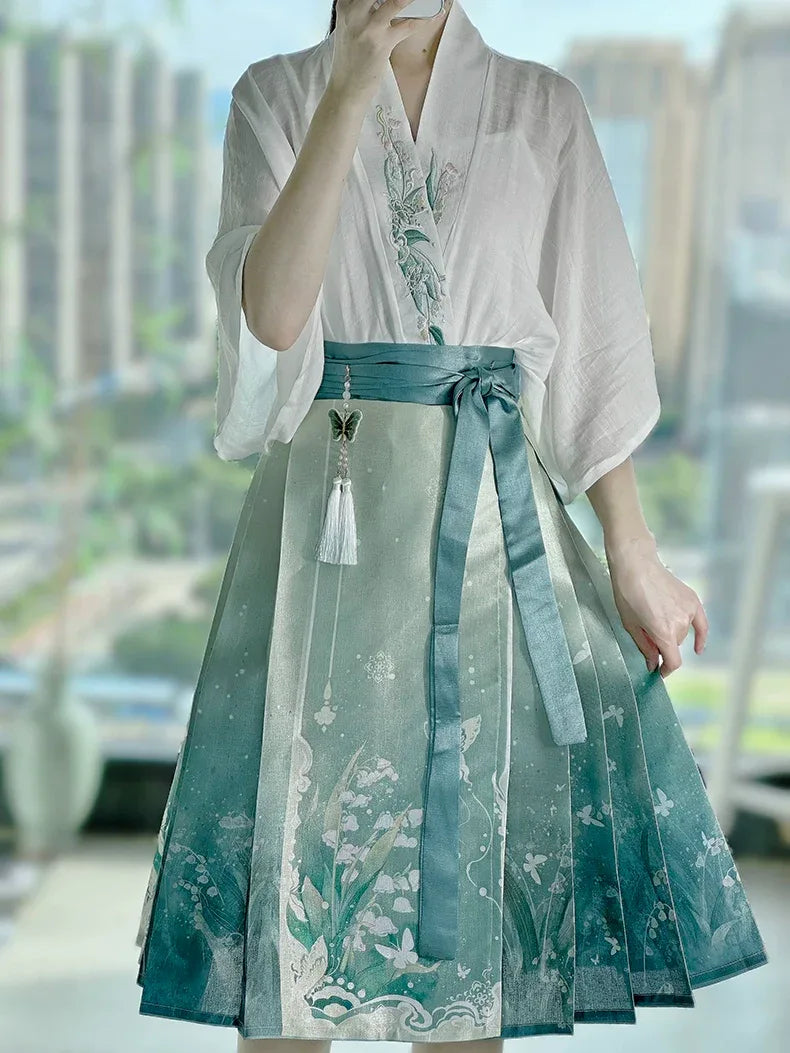
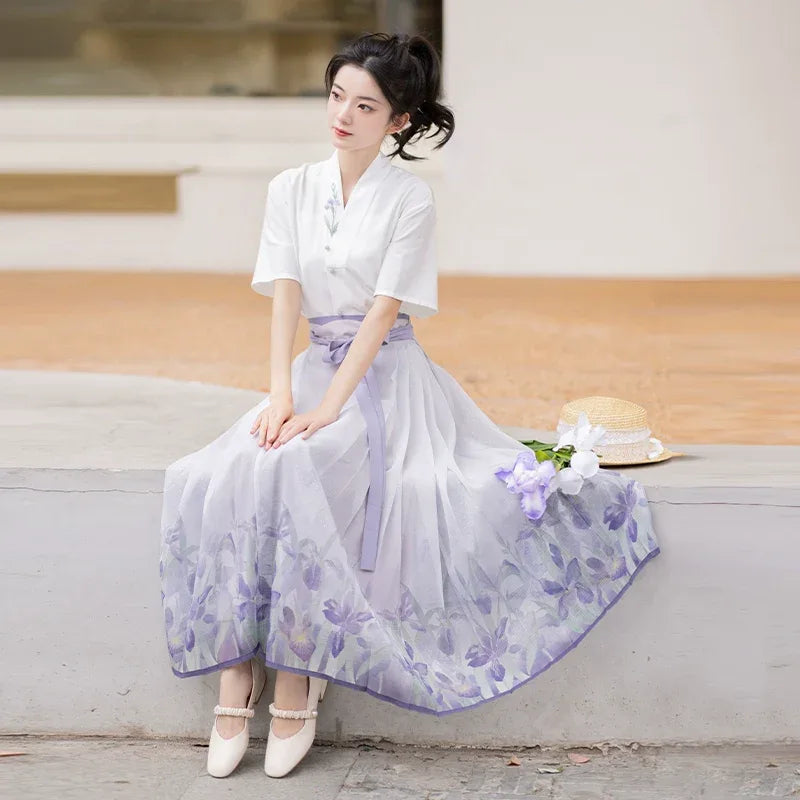
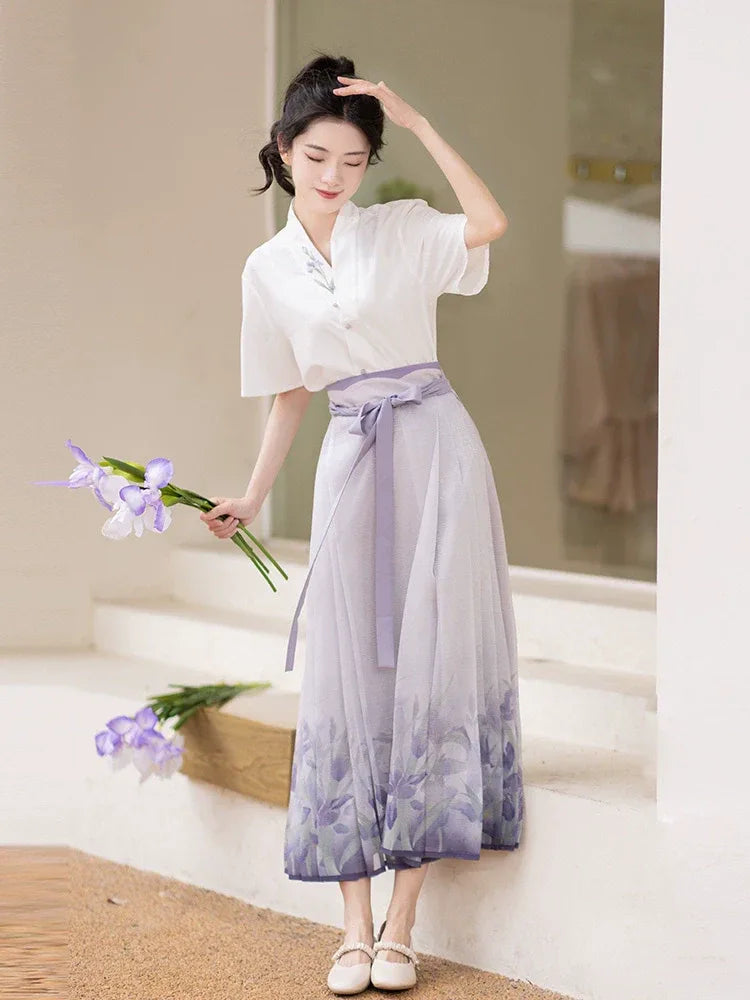


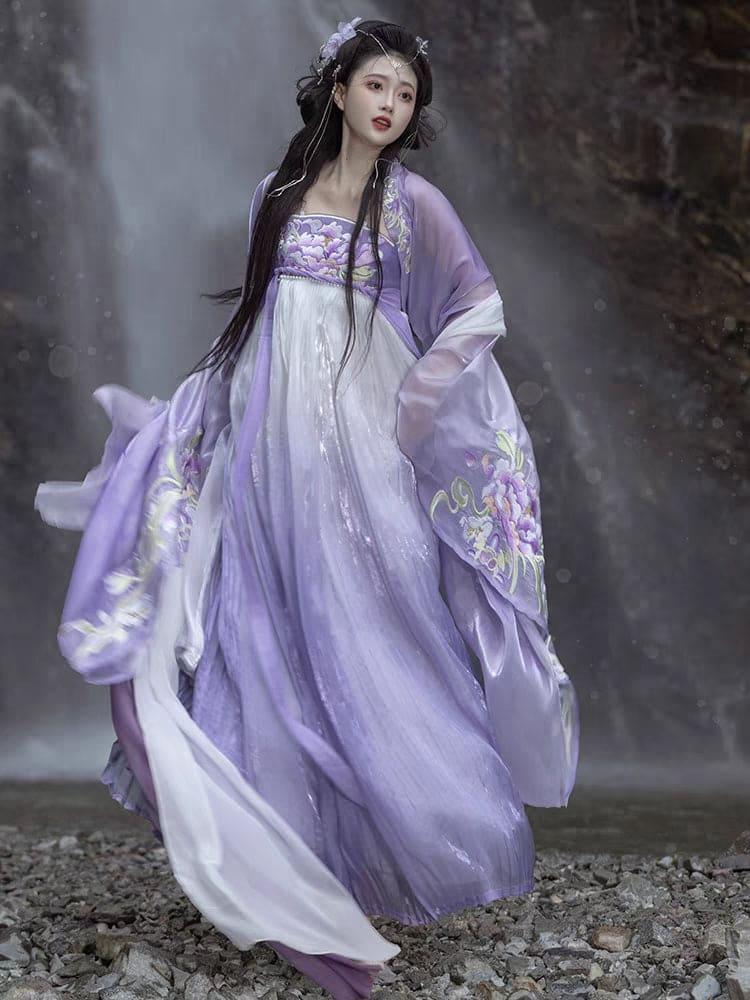
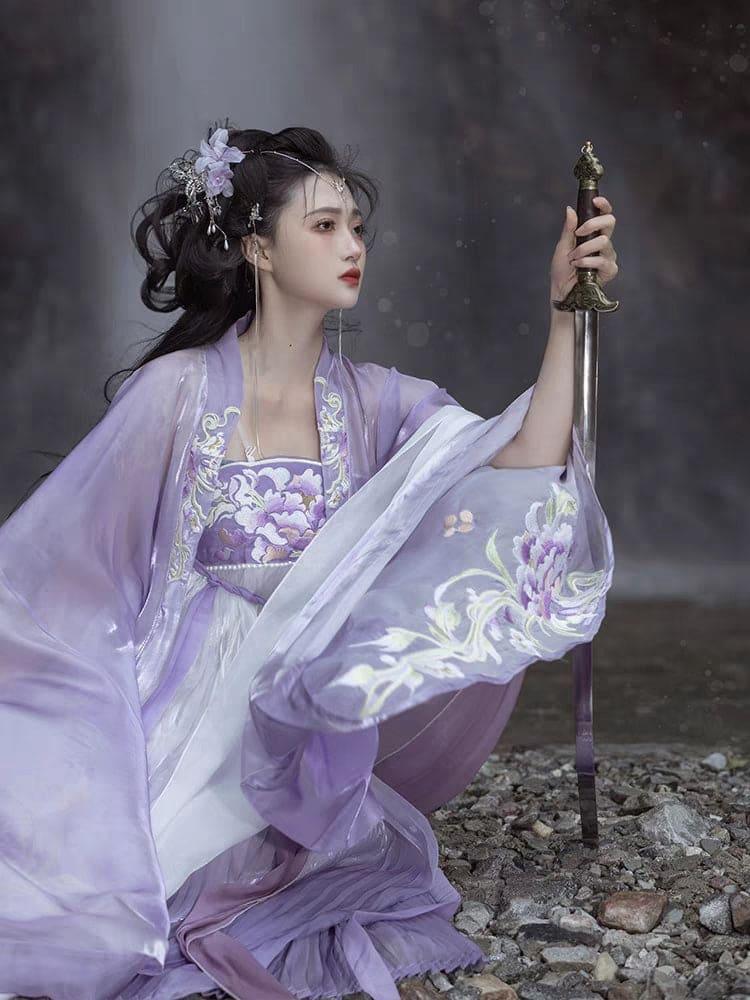
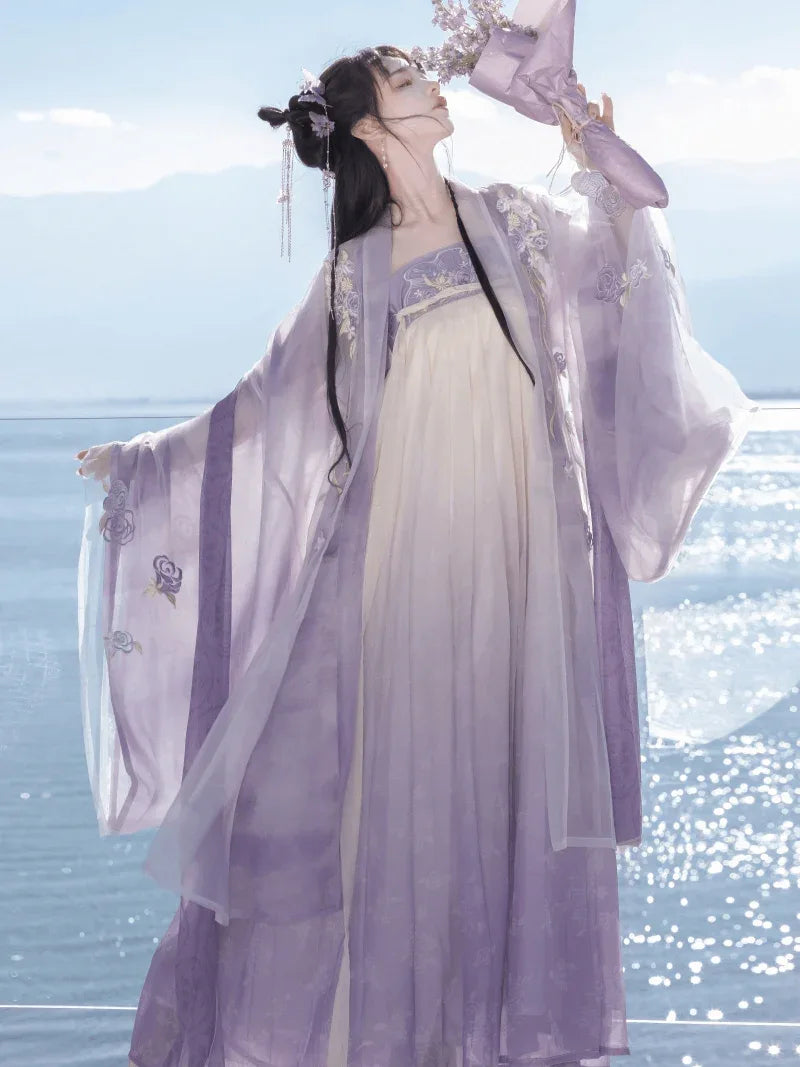
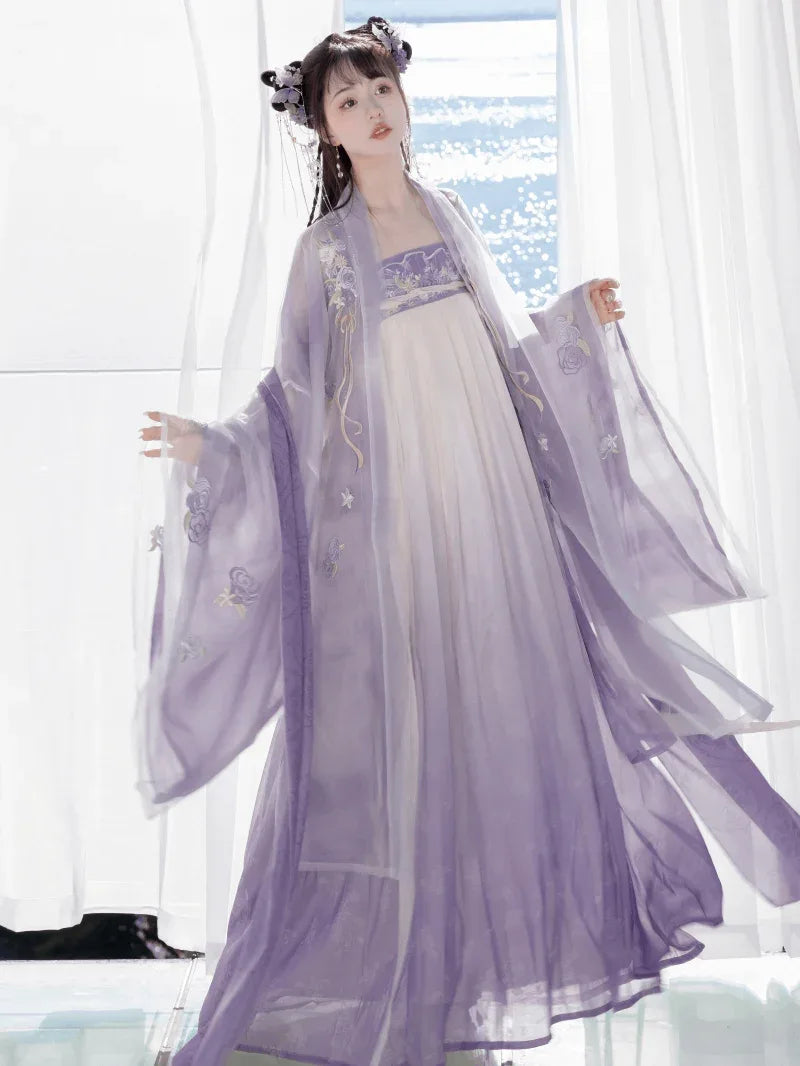
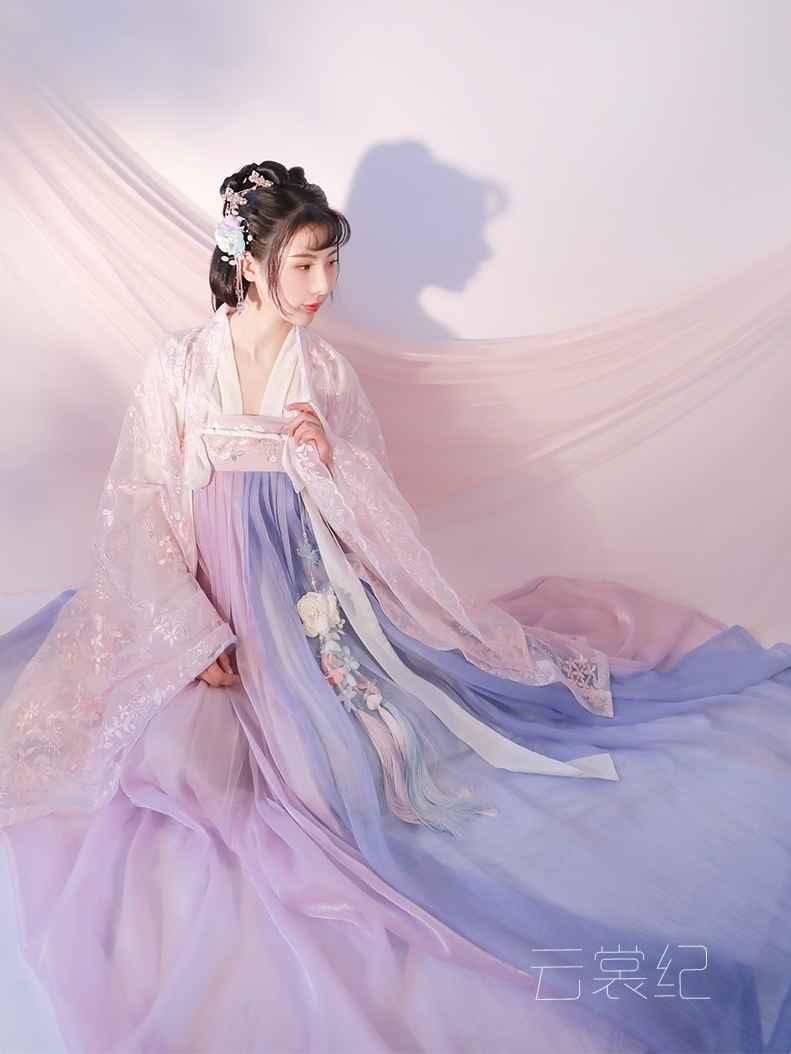
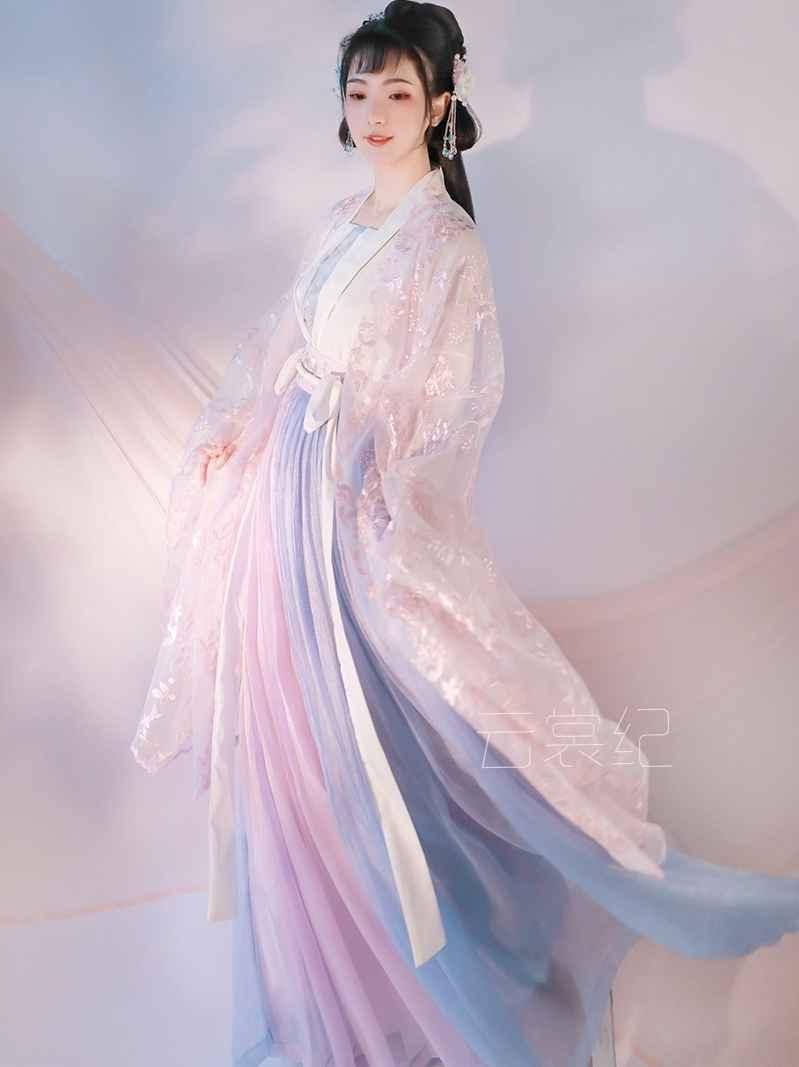
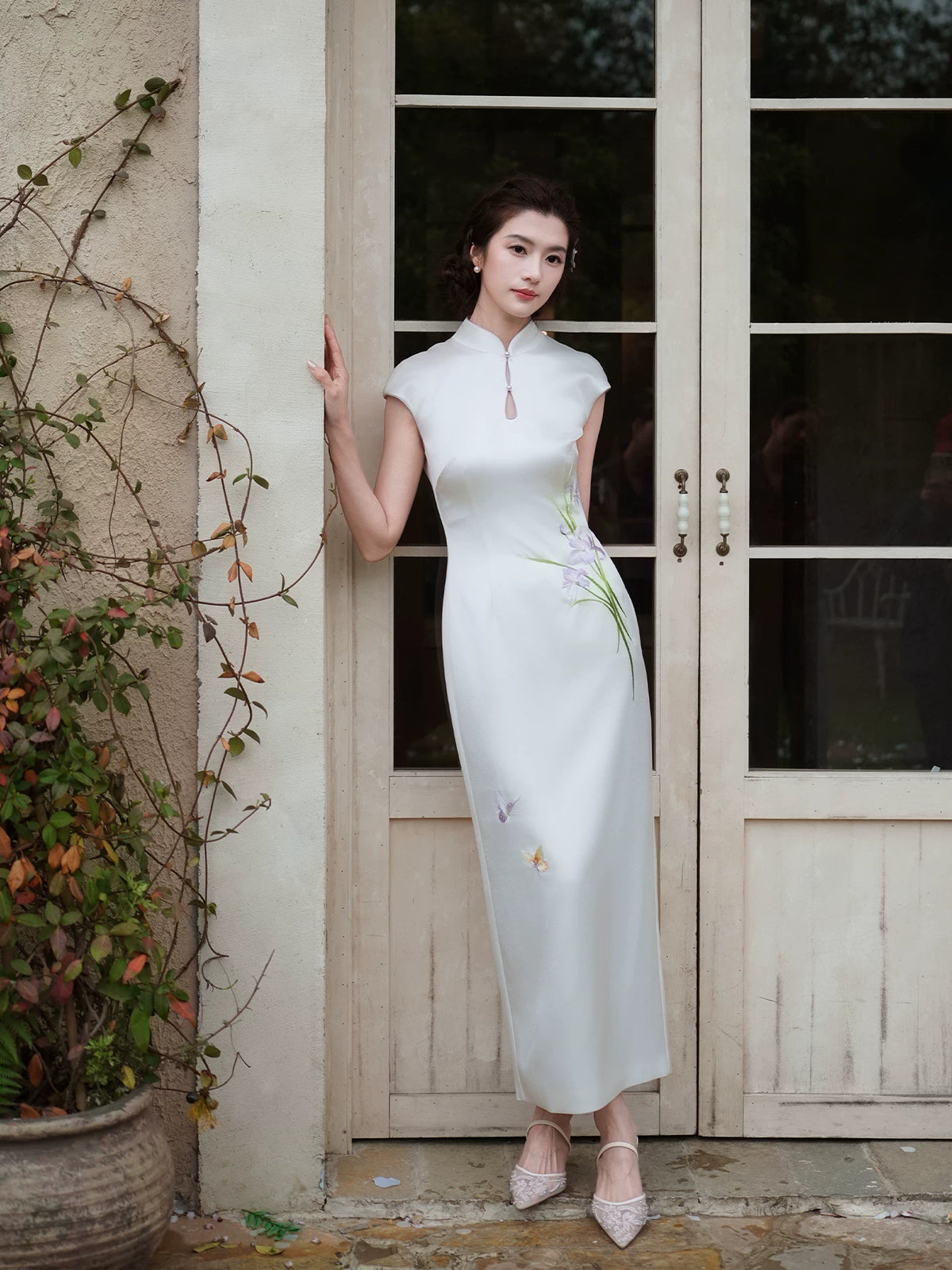
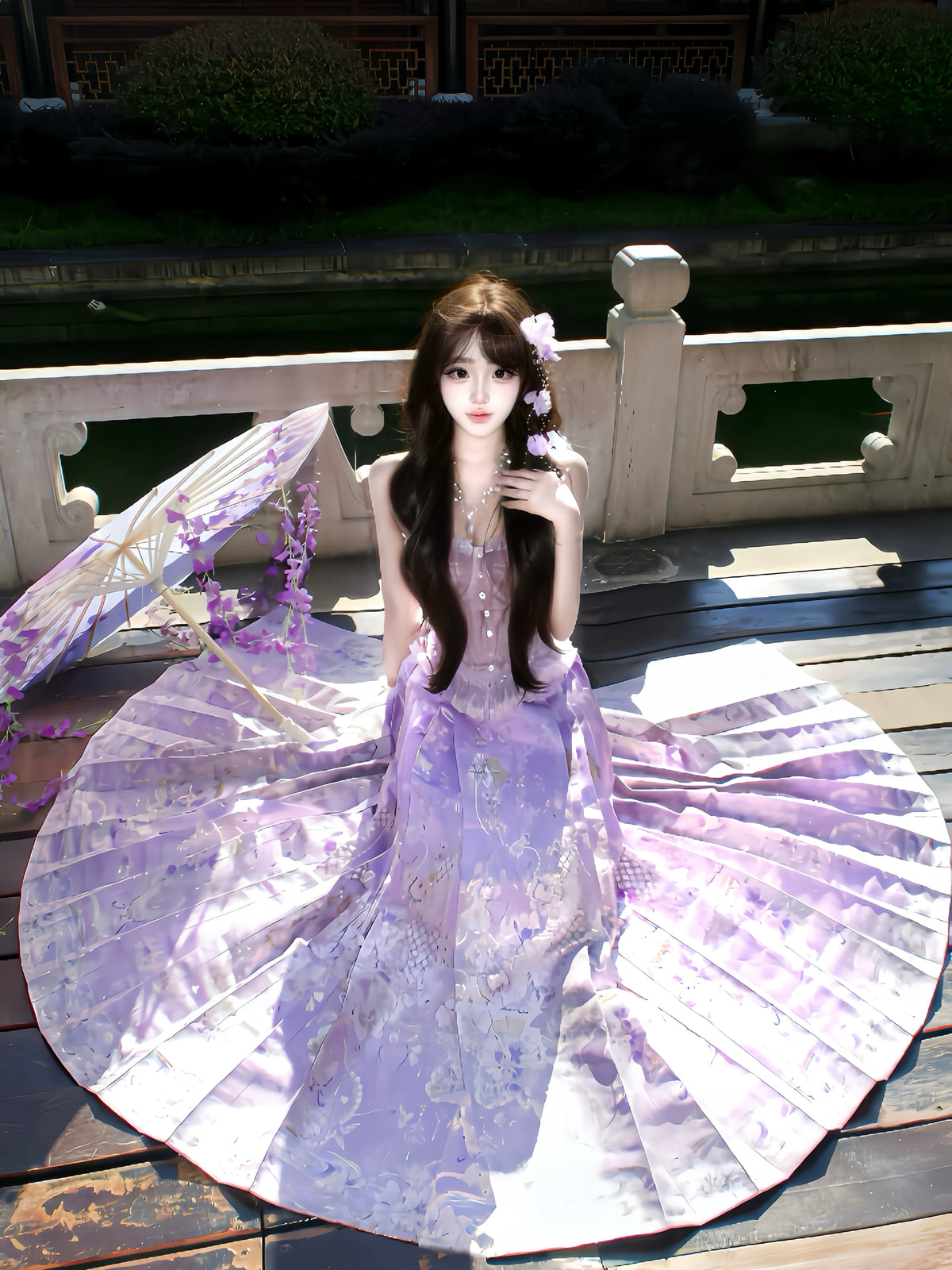
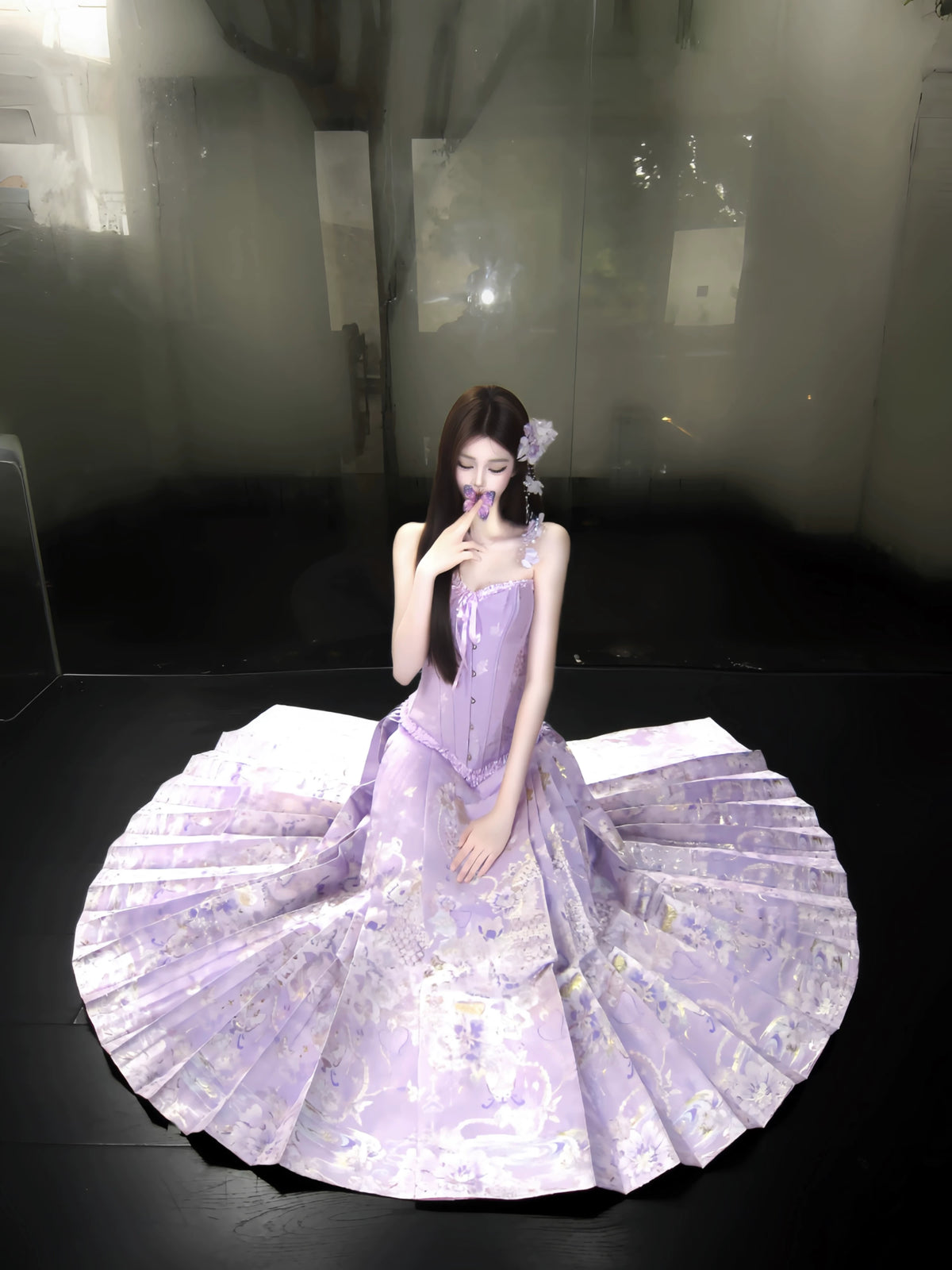
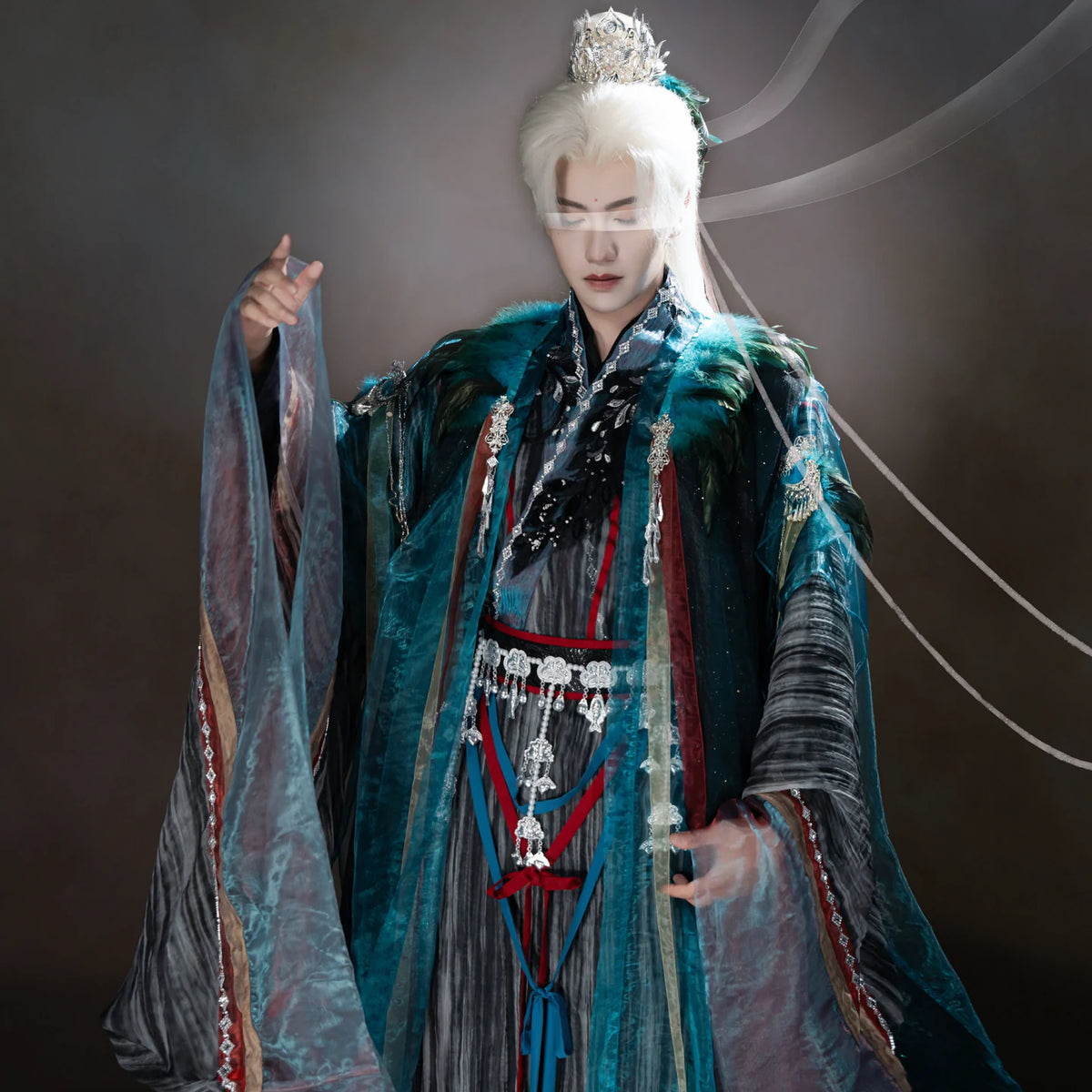
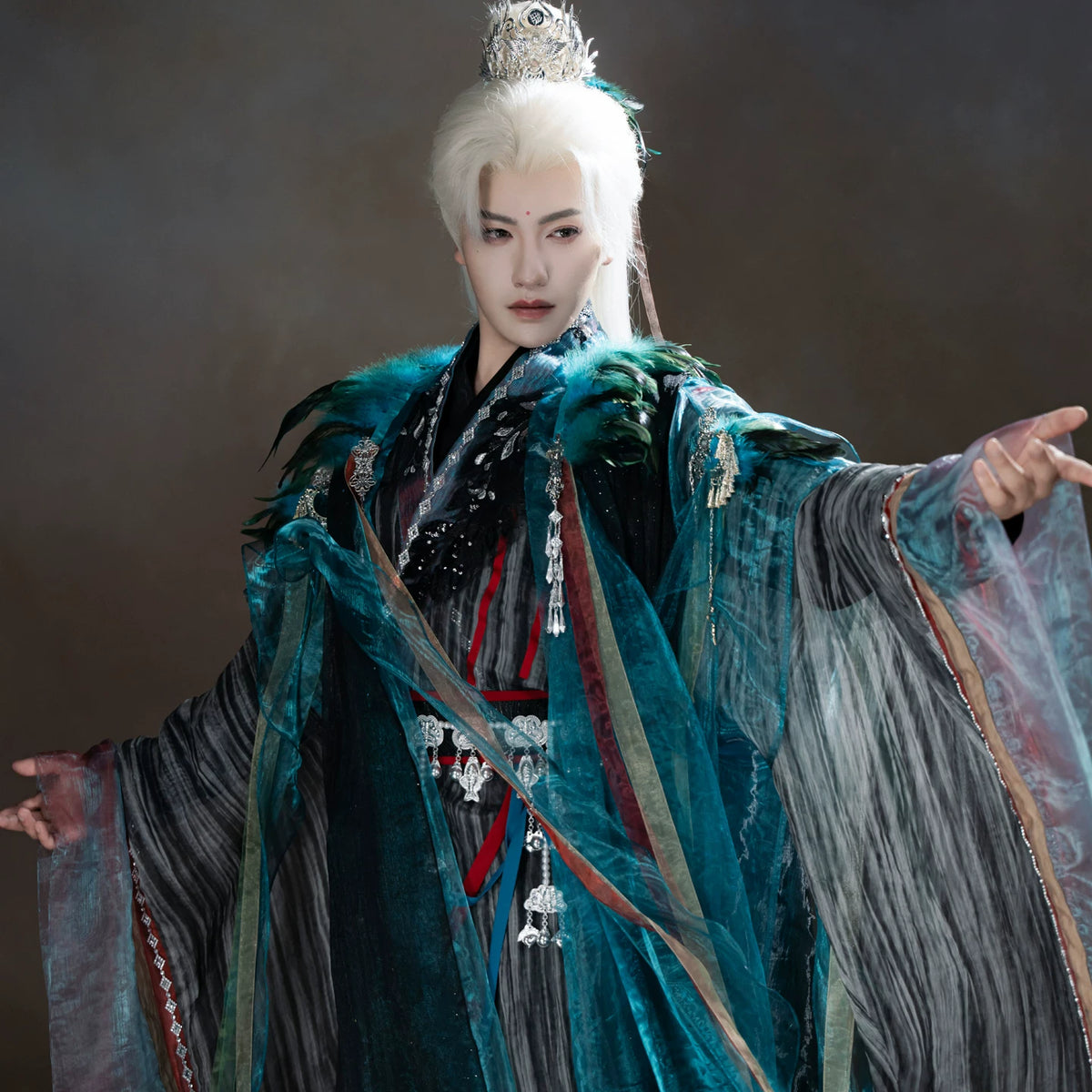
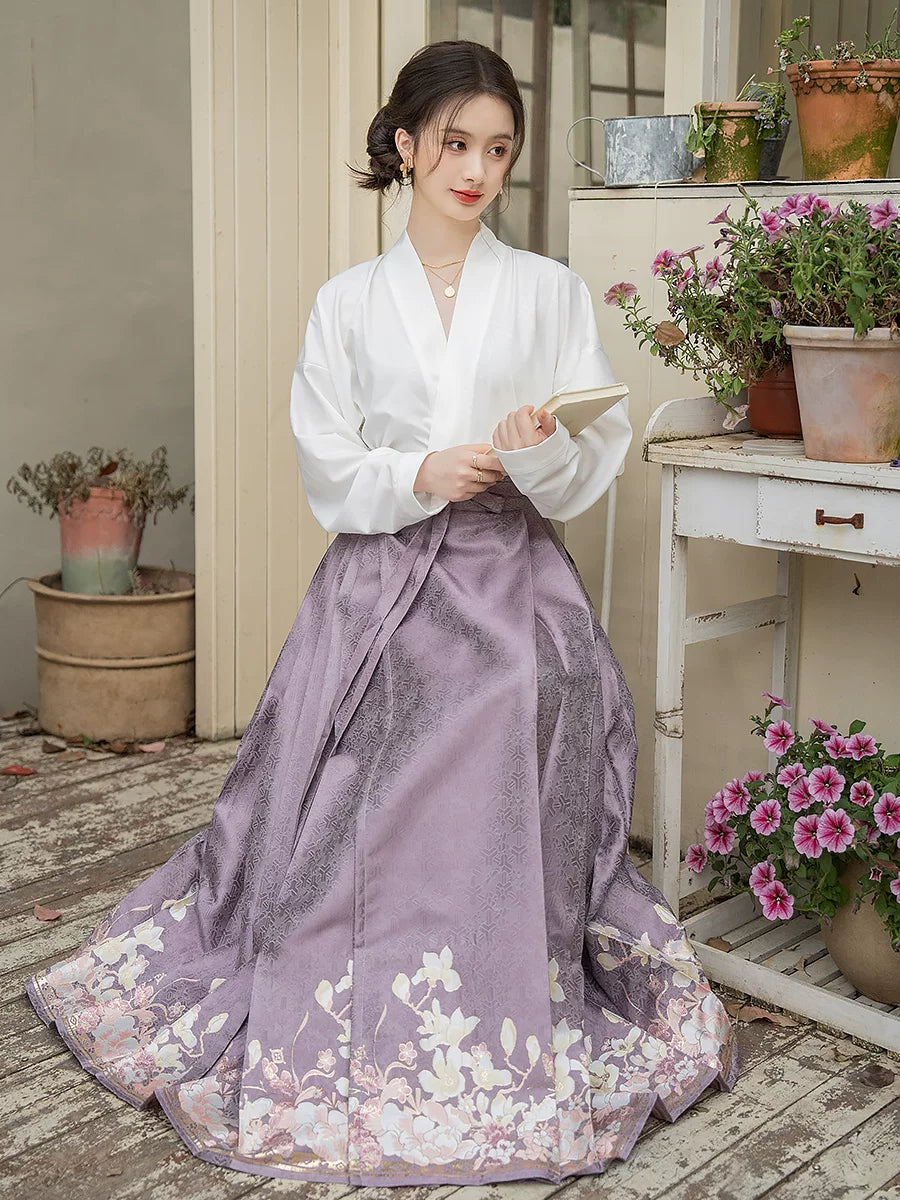
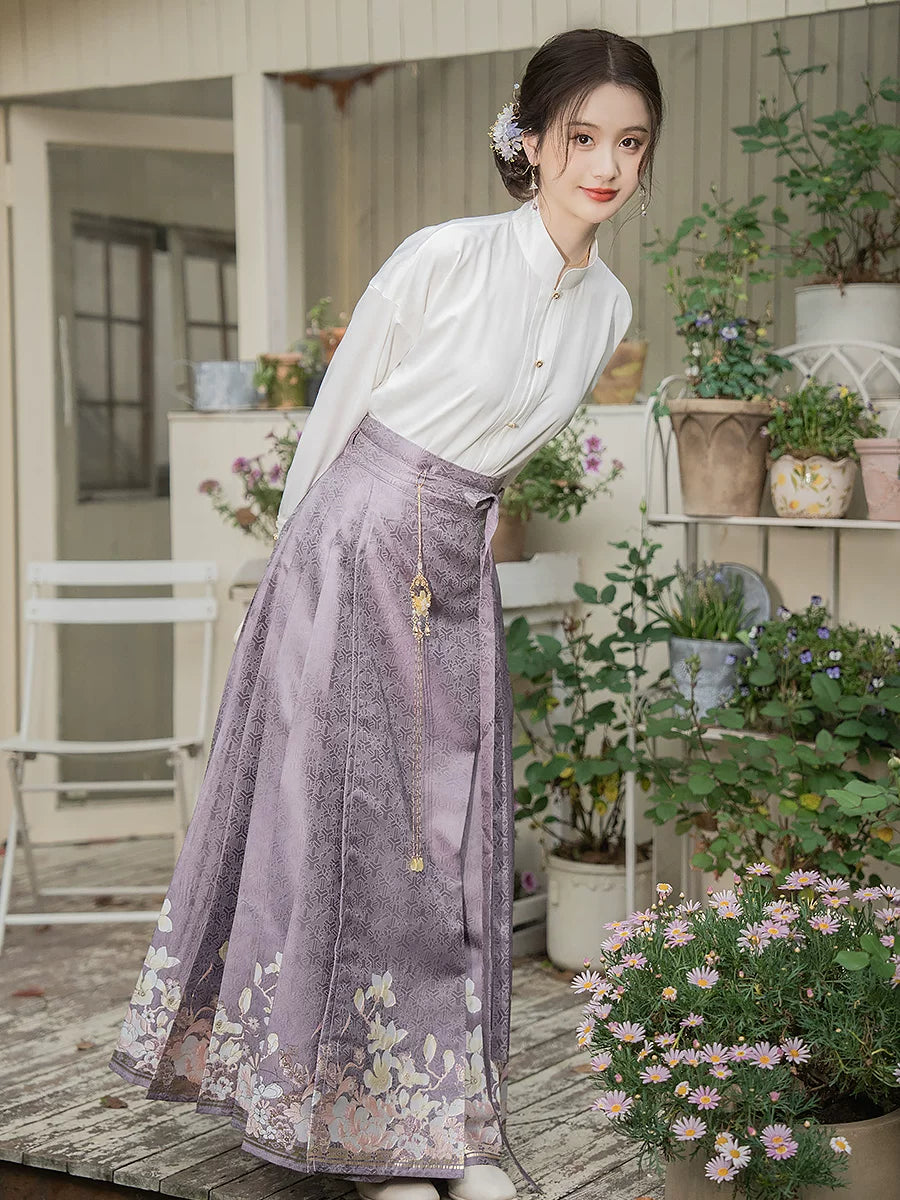
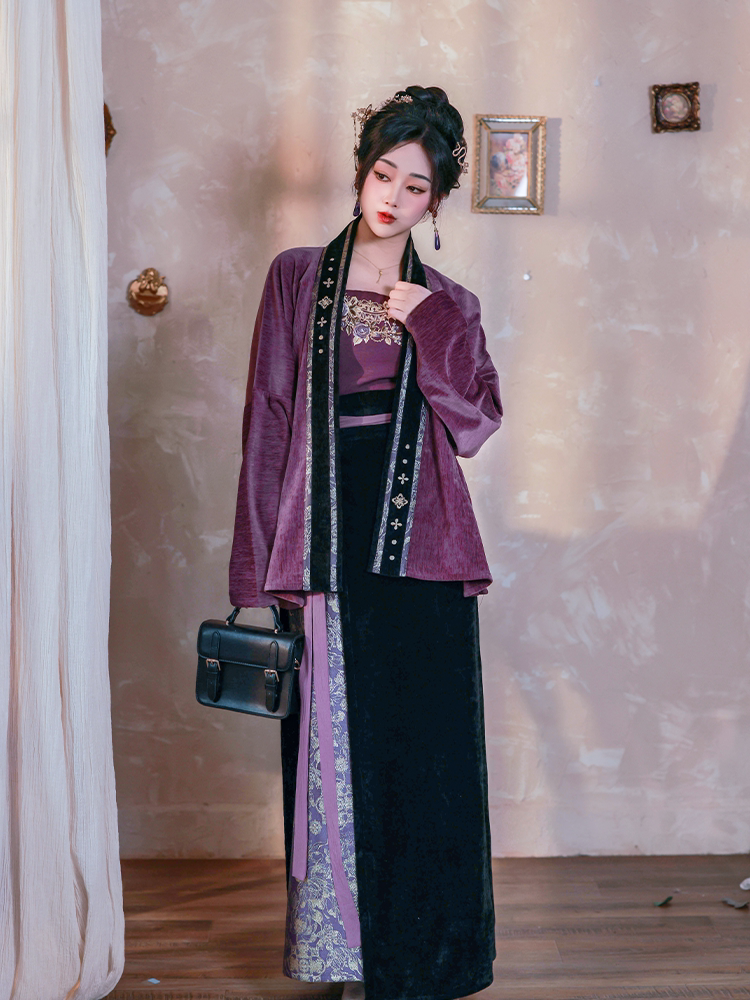
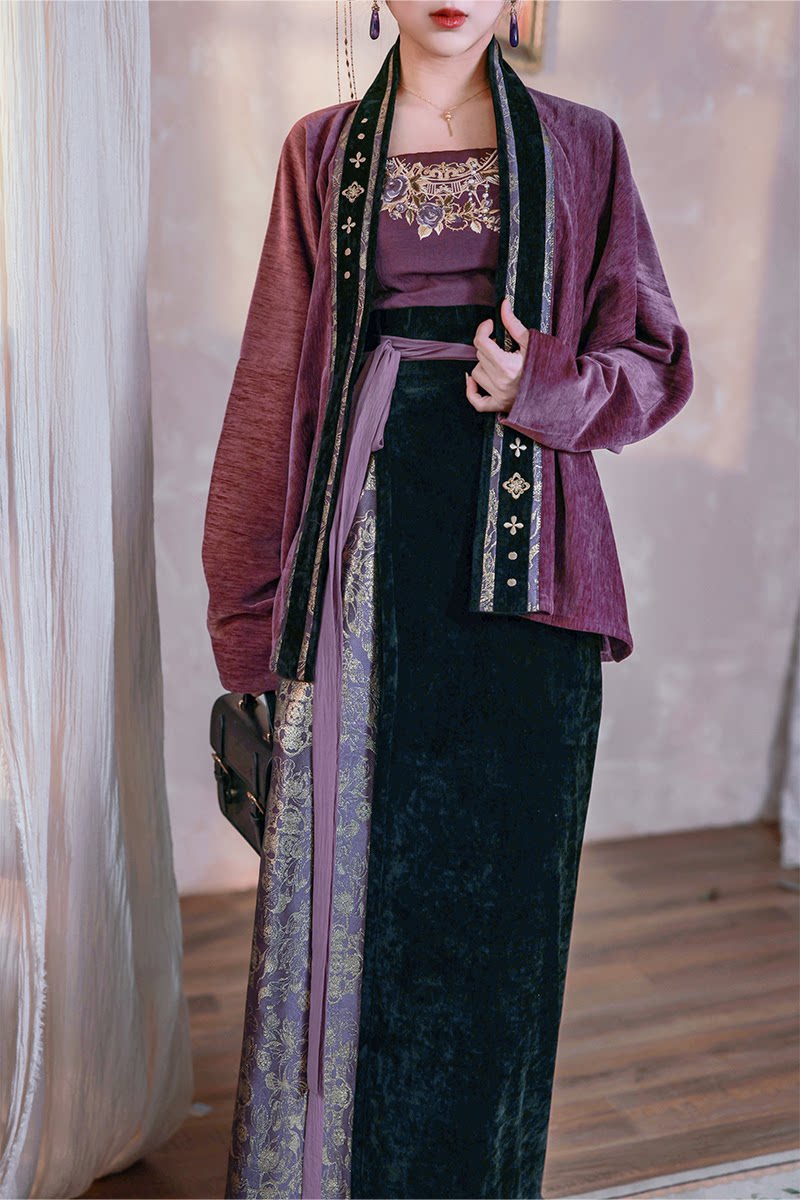
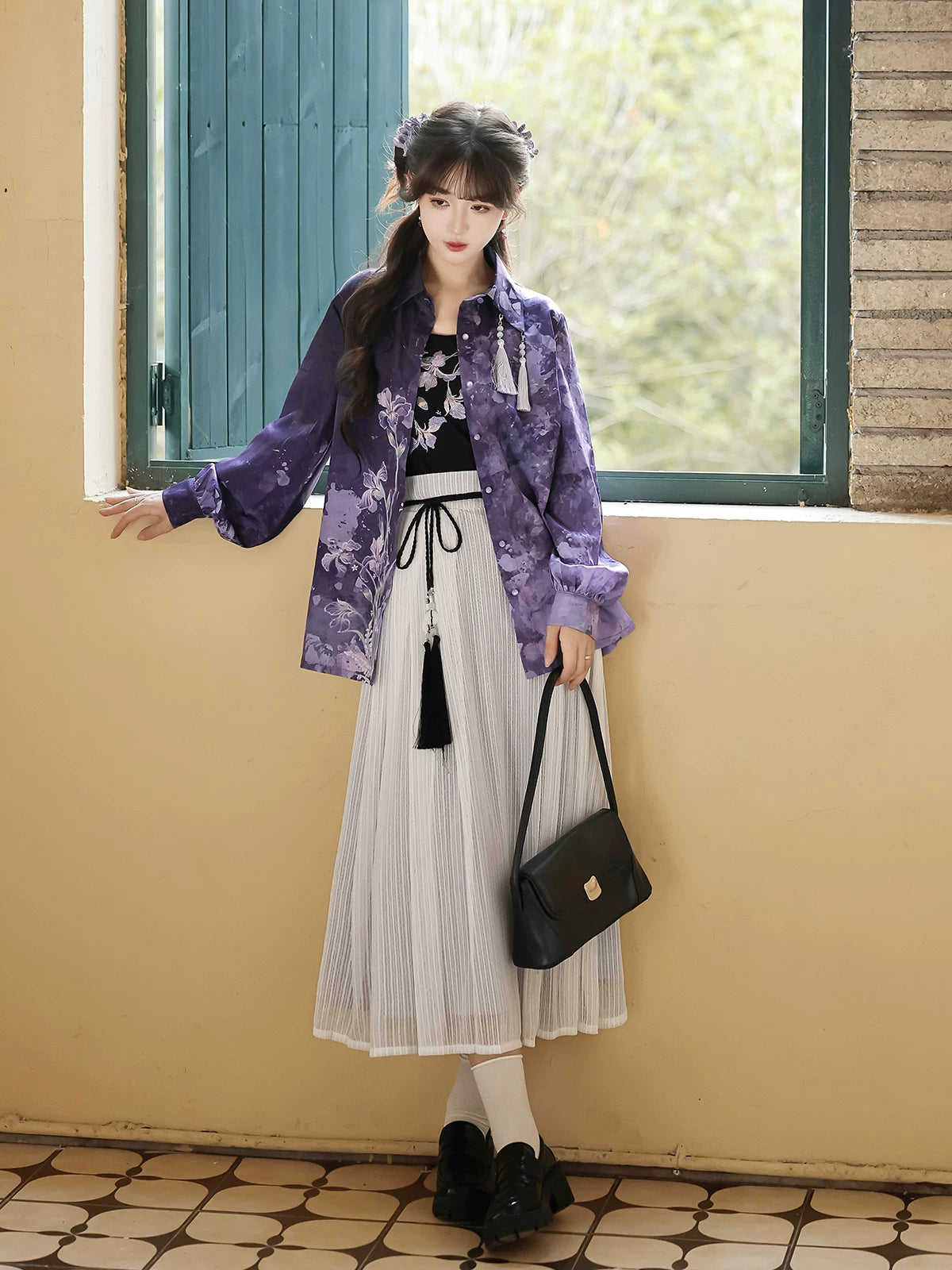
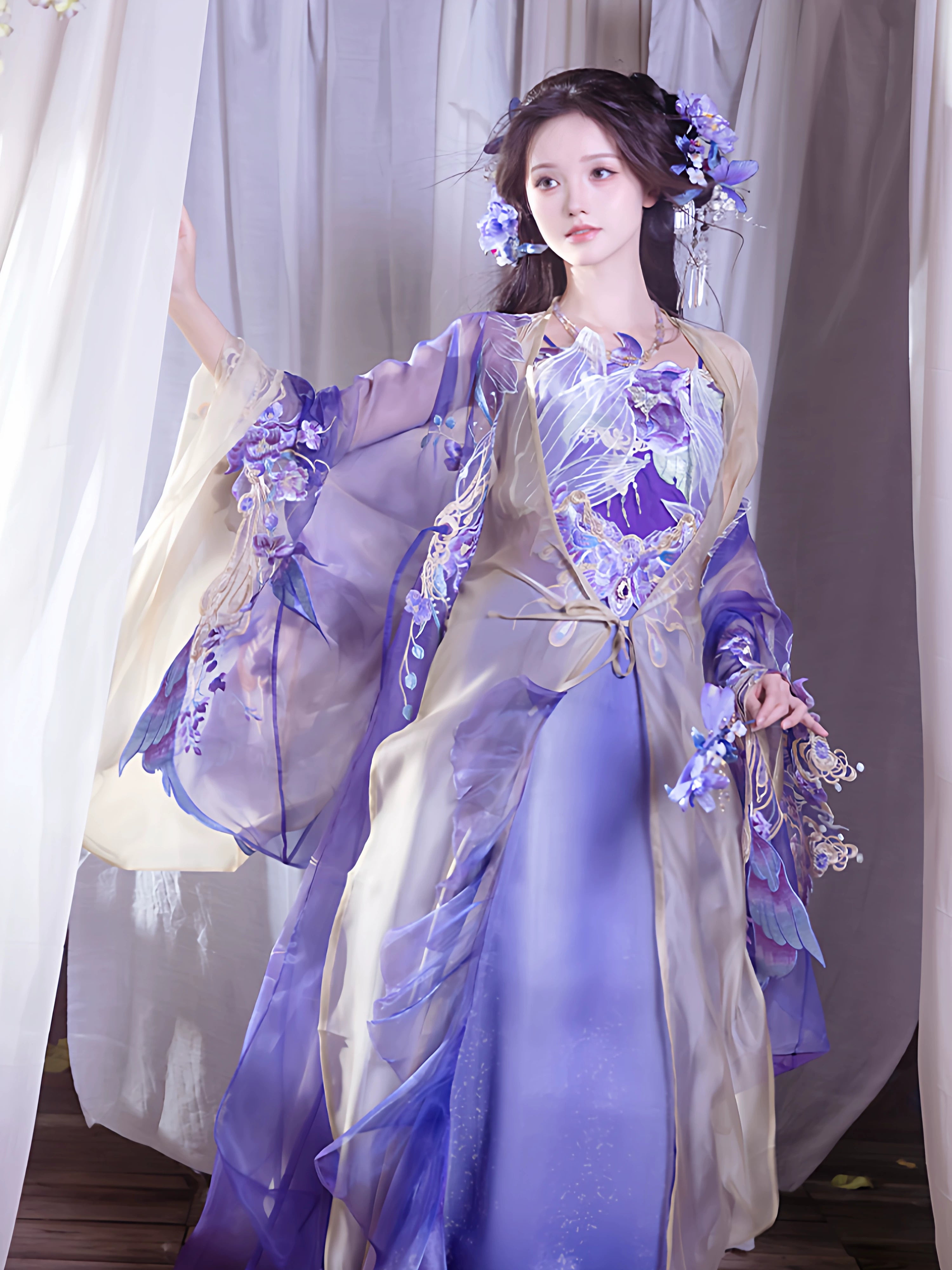
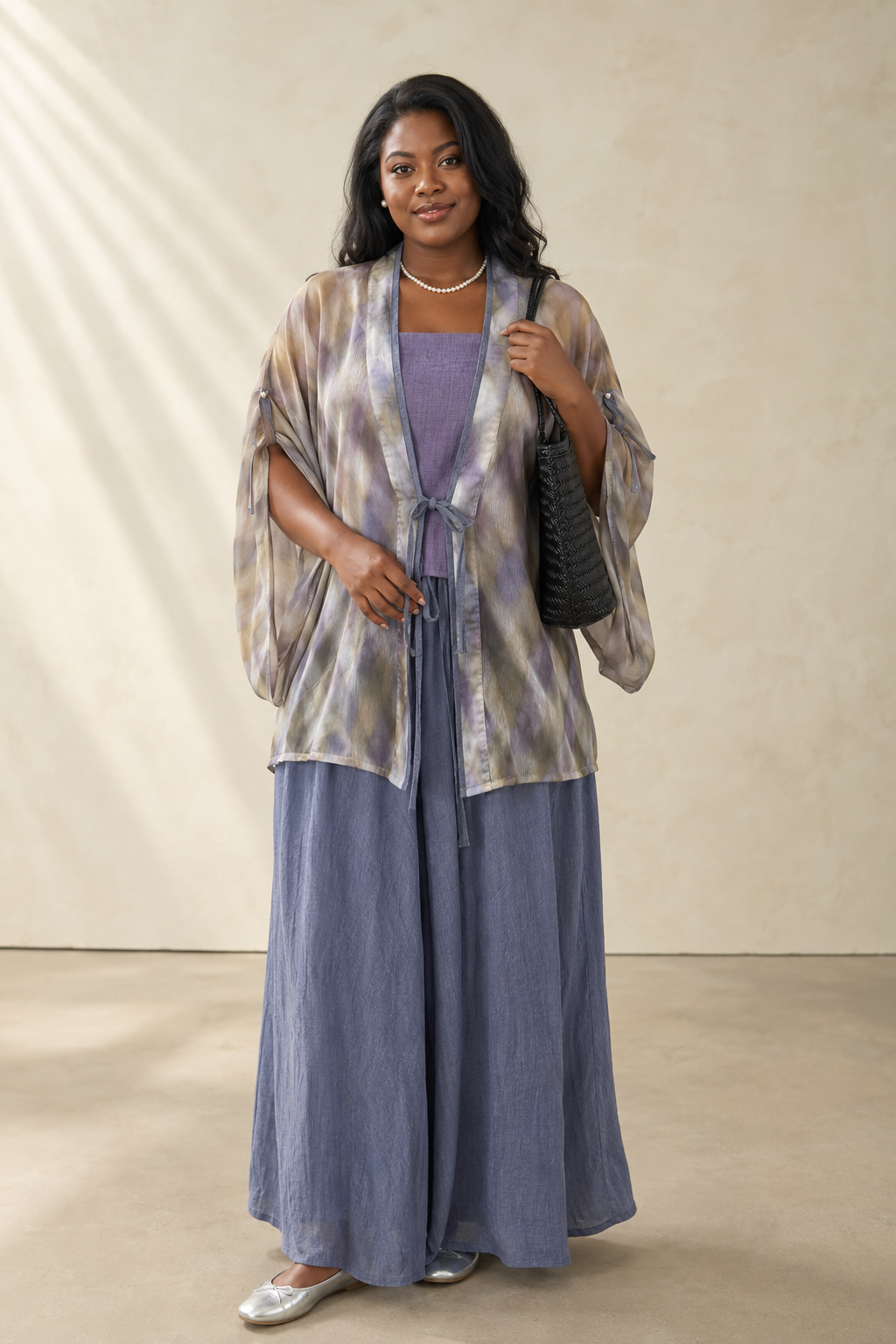
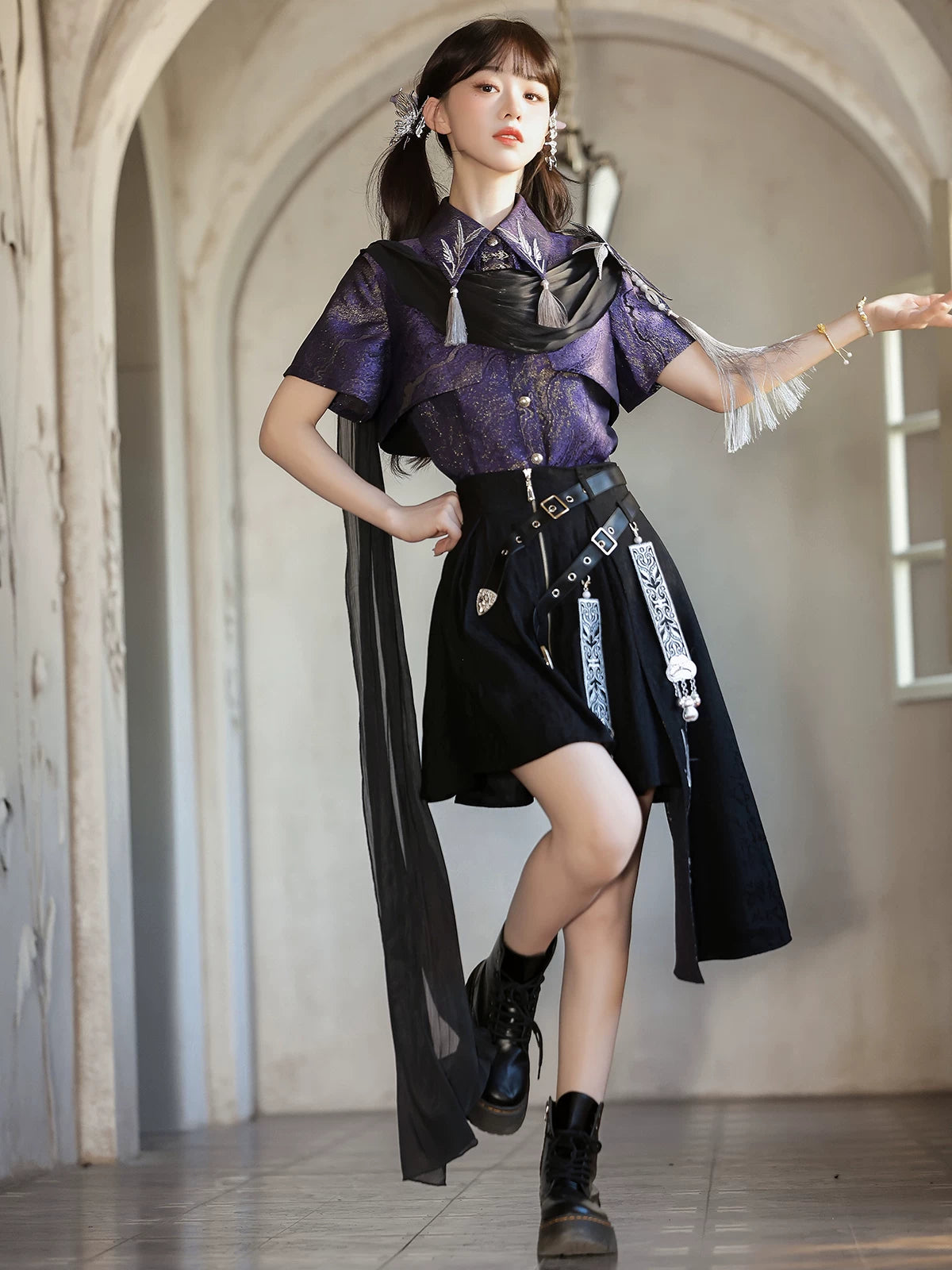
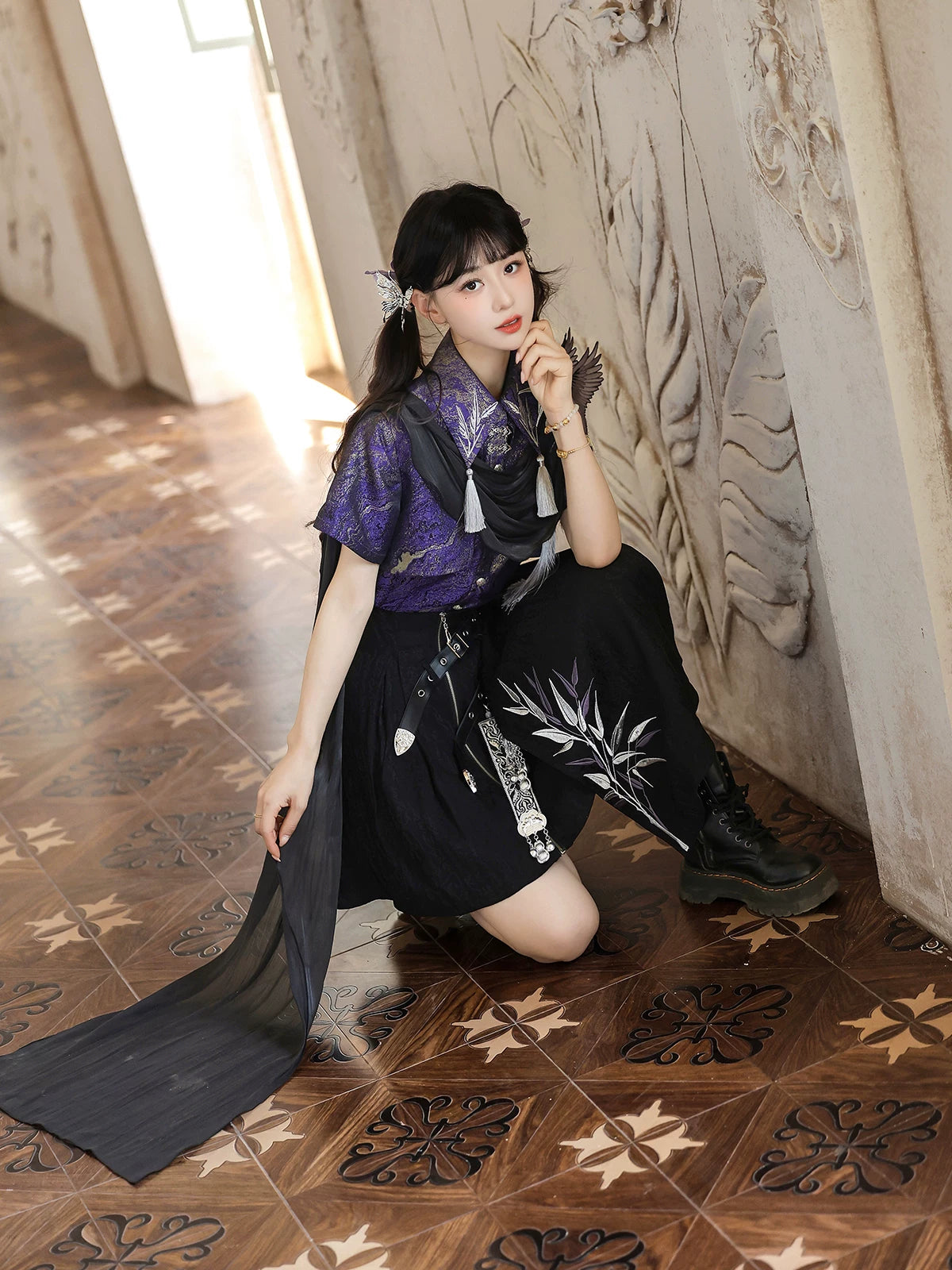
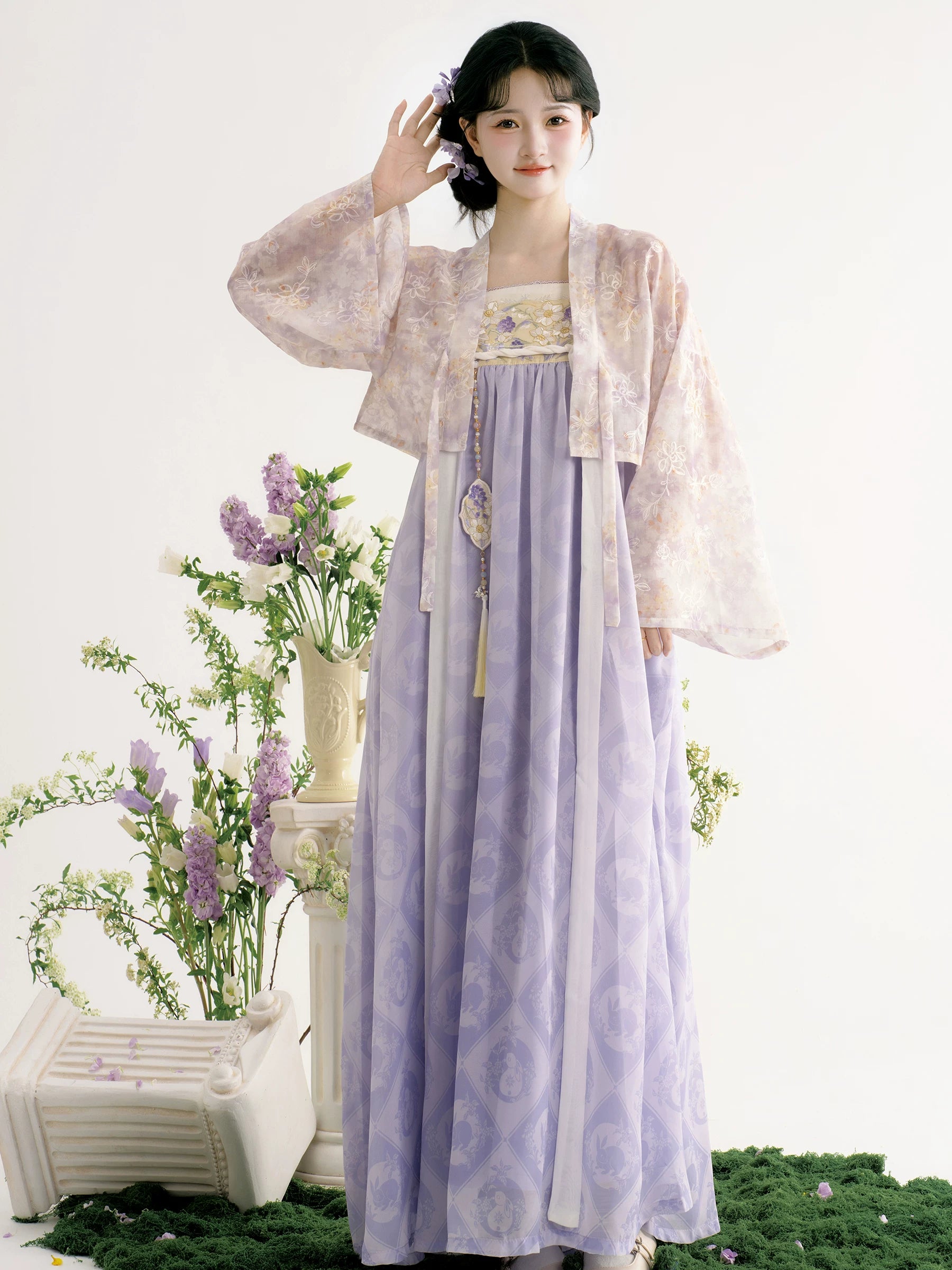
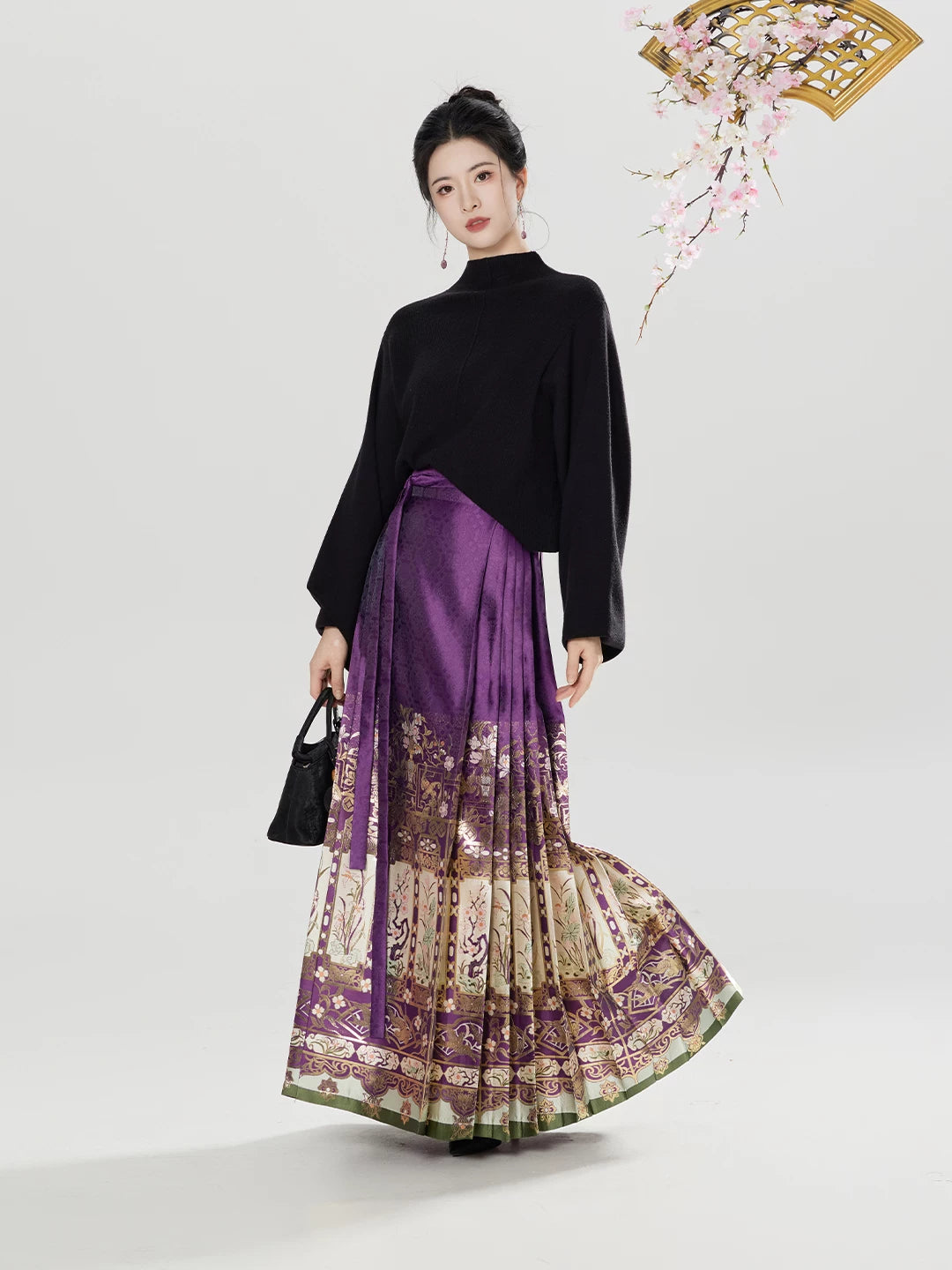
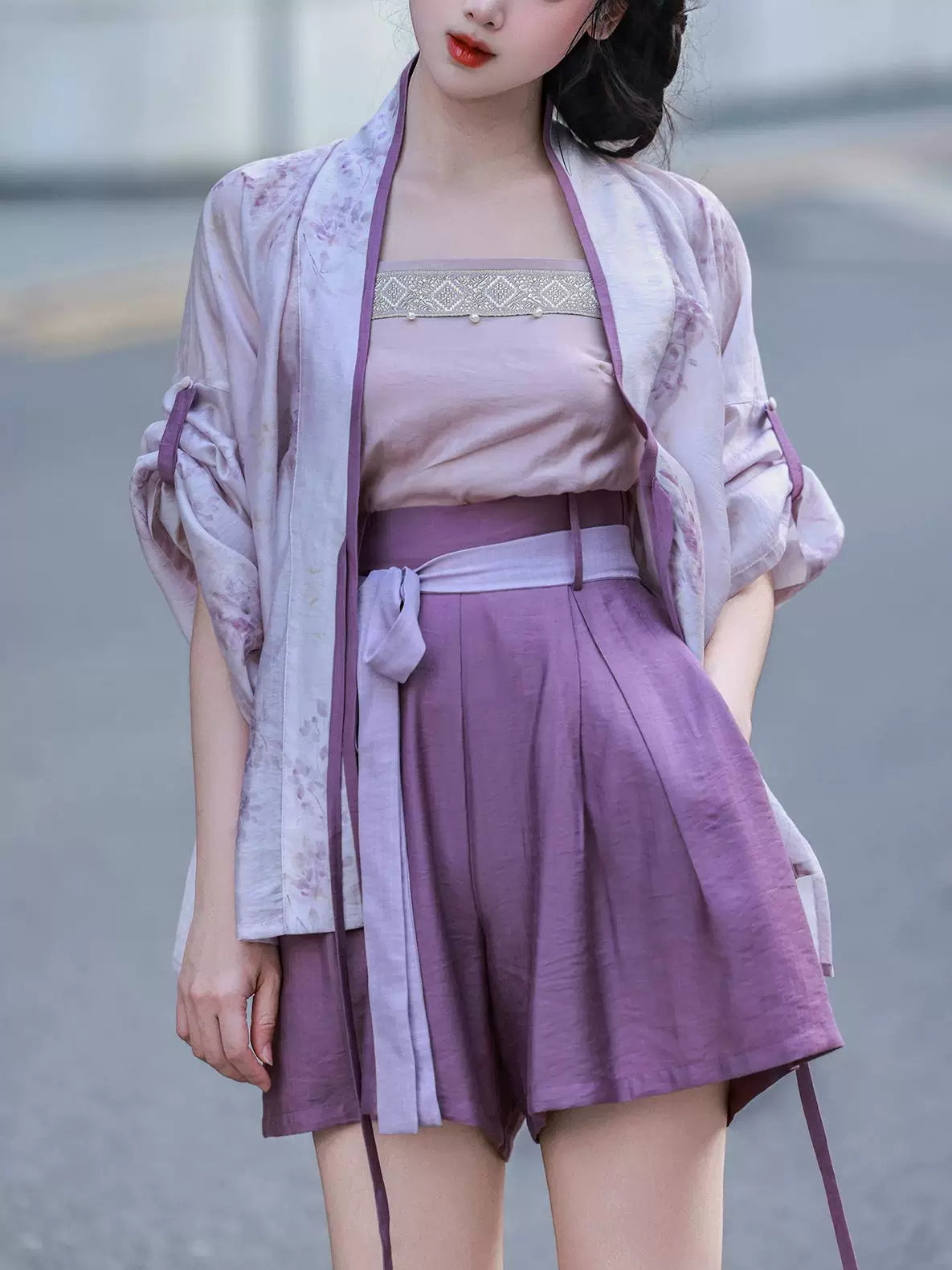
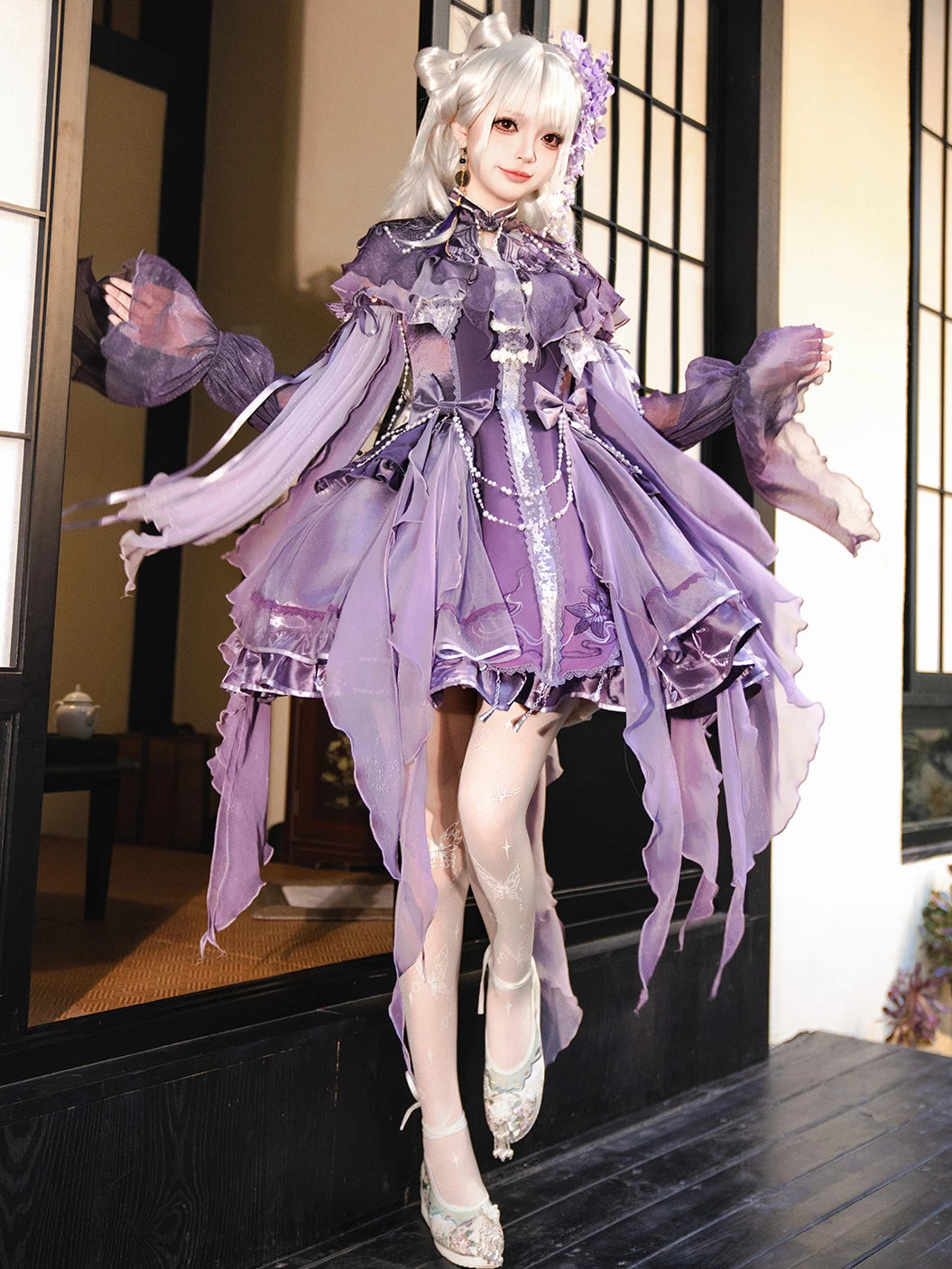
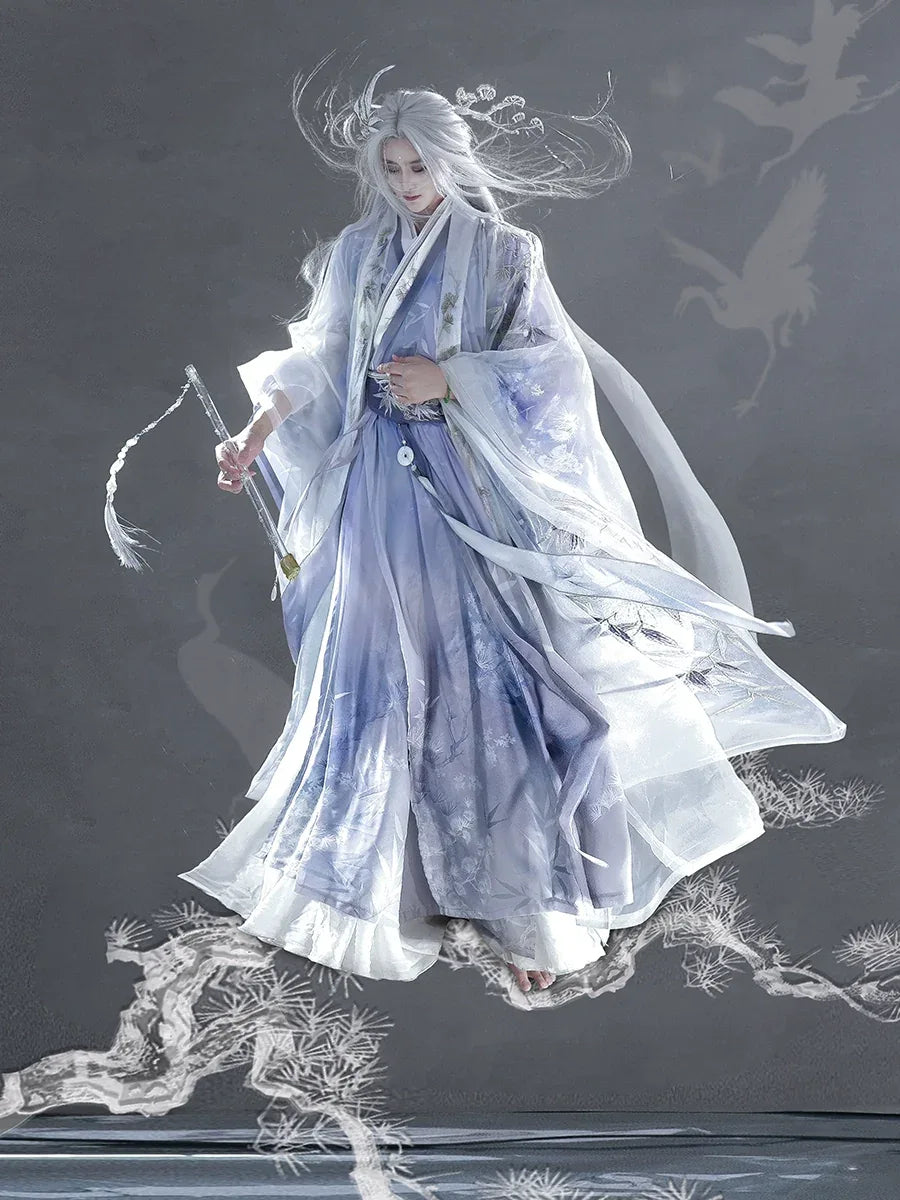
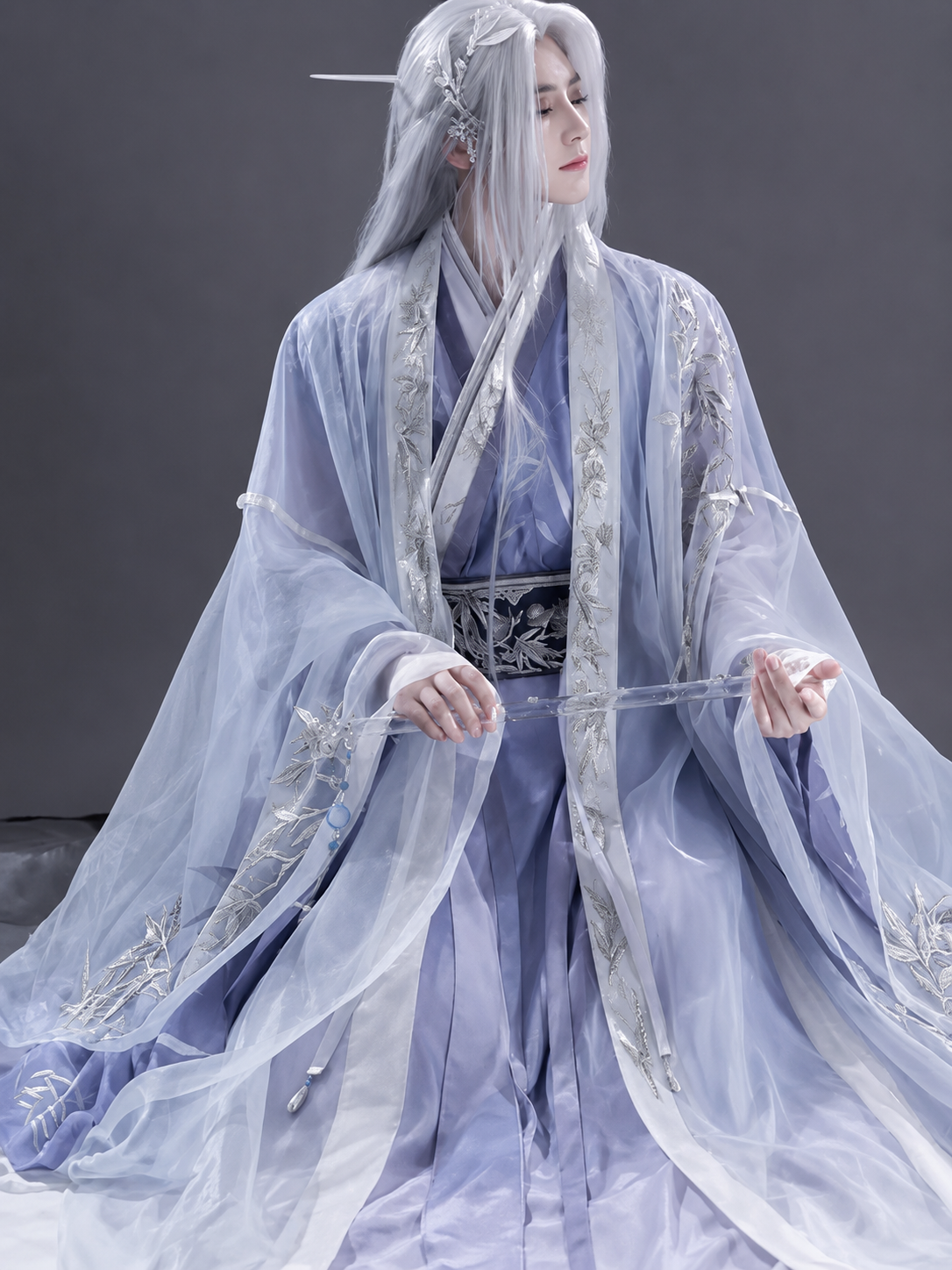
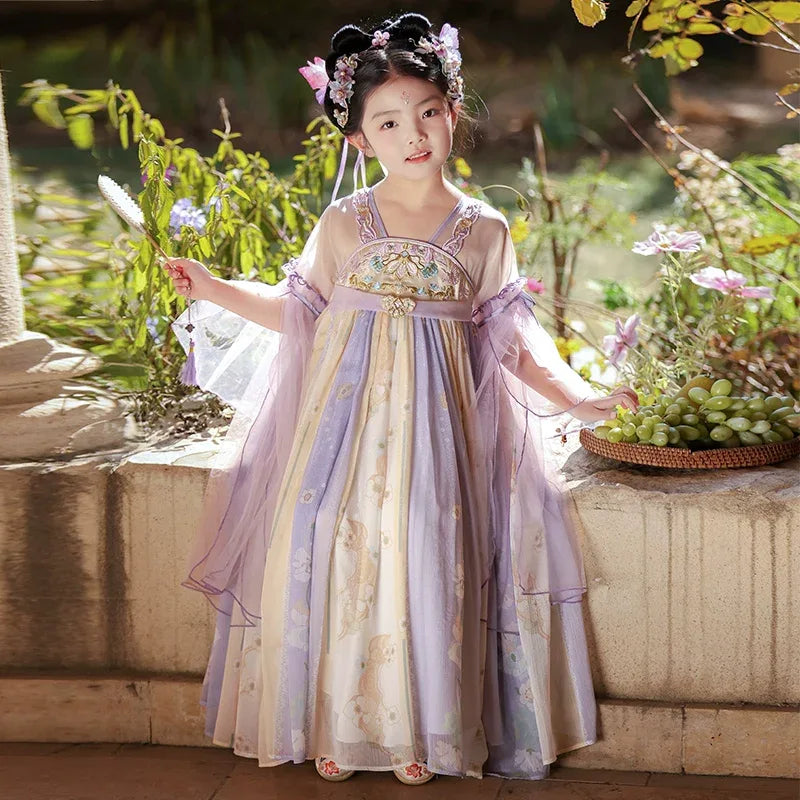
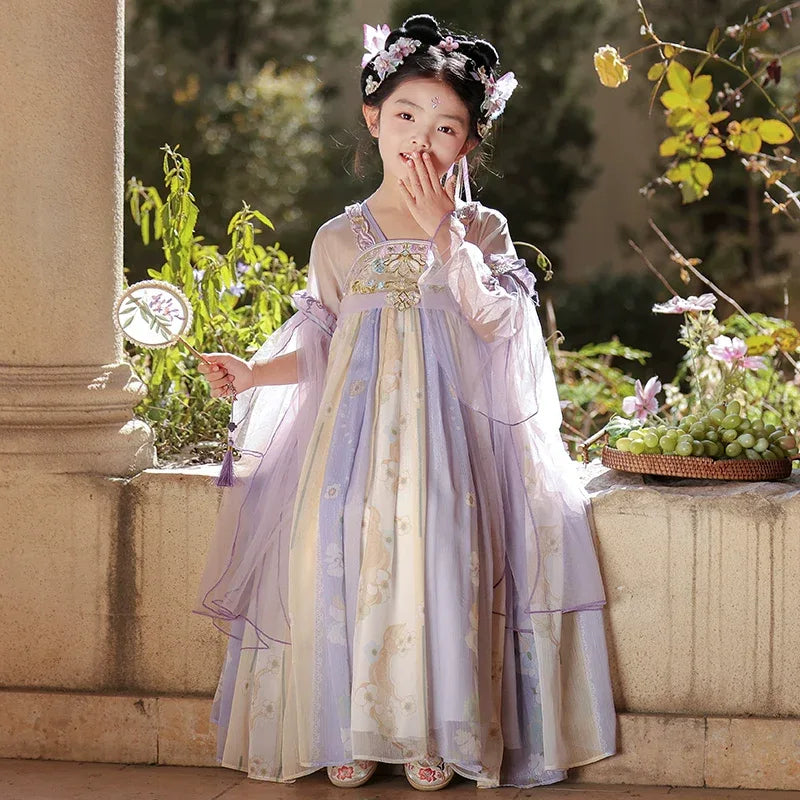
Purple Hanfu can range from pale lavender and smoky mauve to blue-purple, wisteria and deep violet. This collection includes traditional-inspired ruqun and robe sets alongside modern Hanfu, mamian-skirt outfits, Han-element Lolita styles, a men's flowing robe and a children's Tang-inspired dress. Because “purple” describes a color family rather than one garment type, choose first by silhouette, components and intended occasion—not by shade alone.
Types of purple Hanfu in this collection
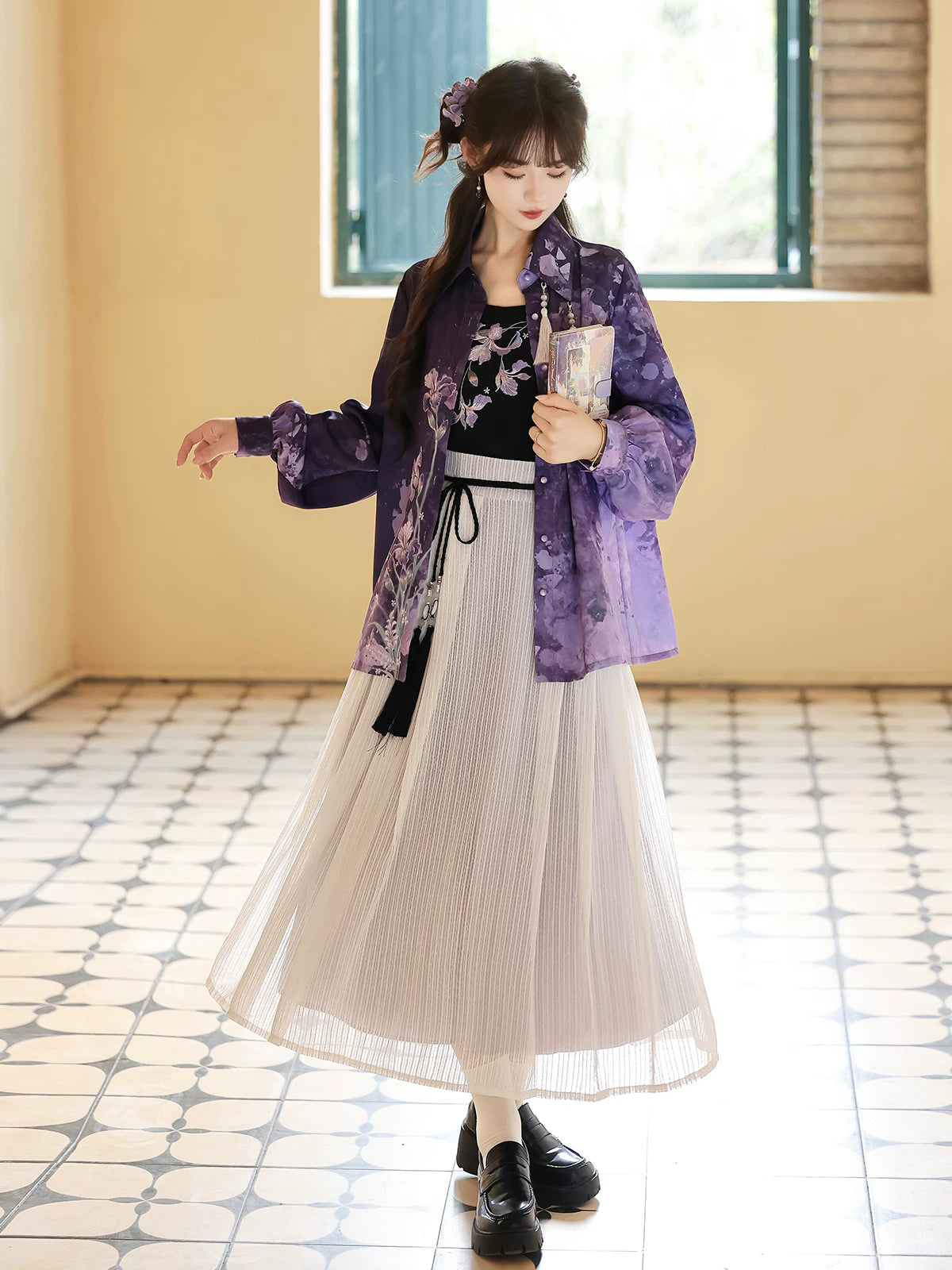
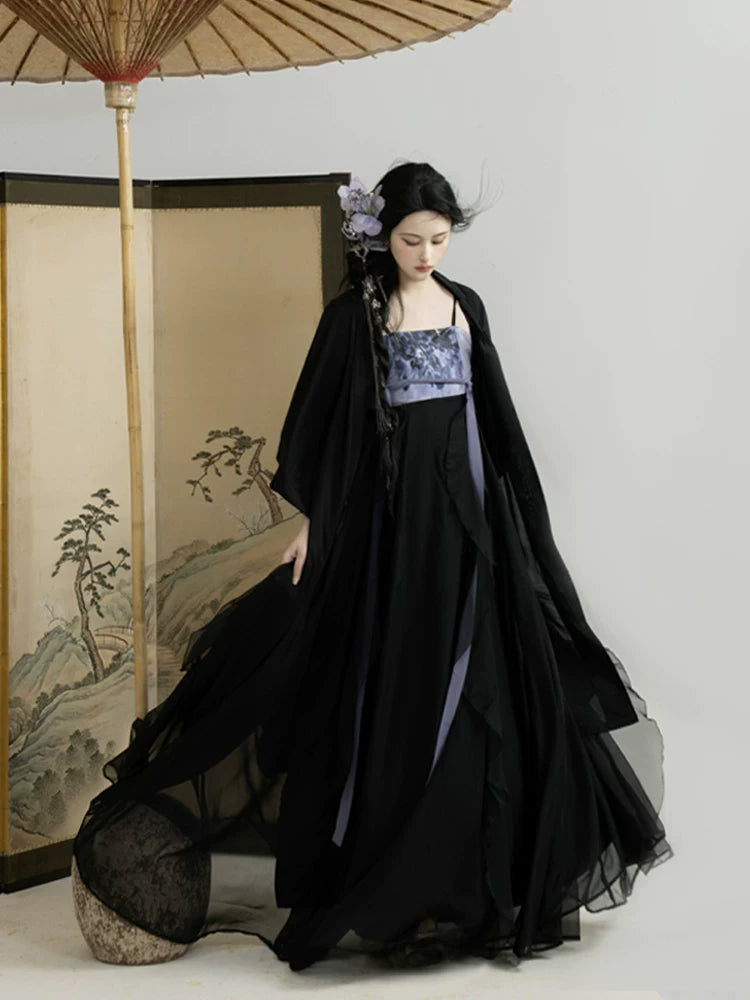
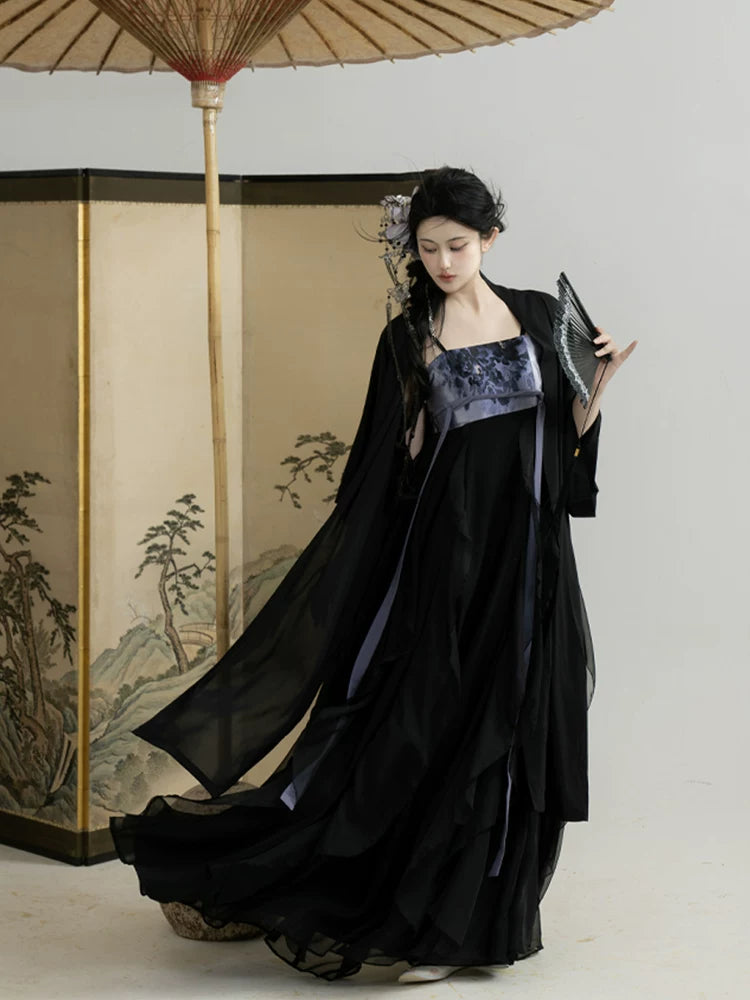
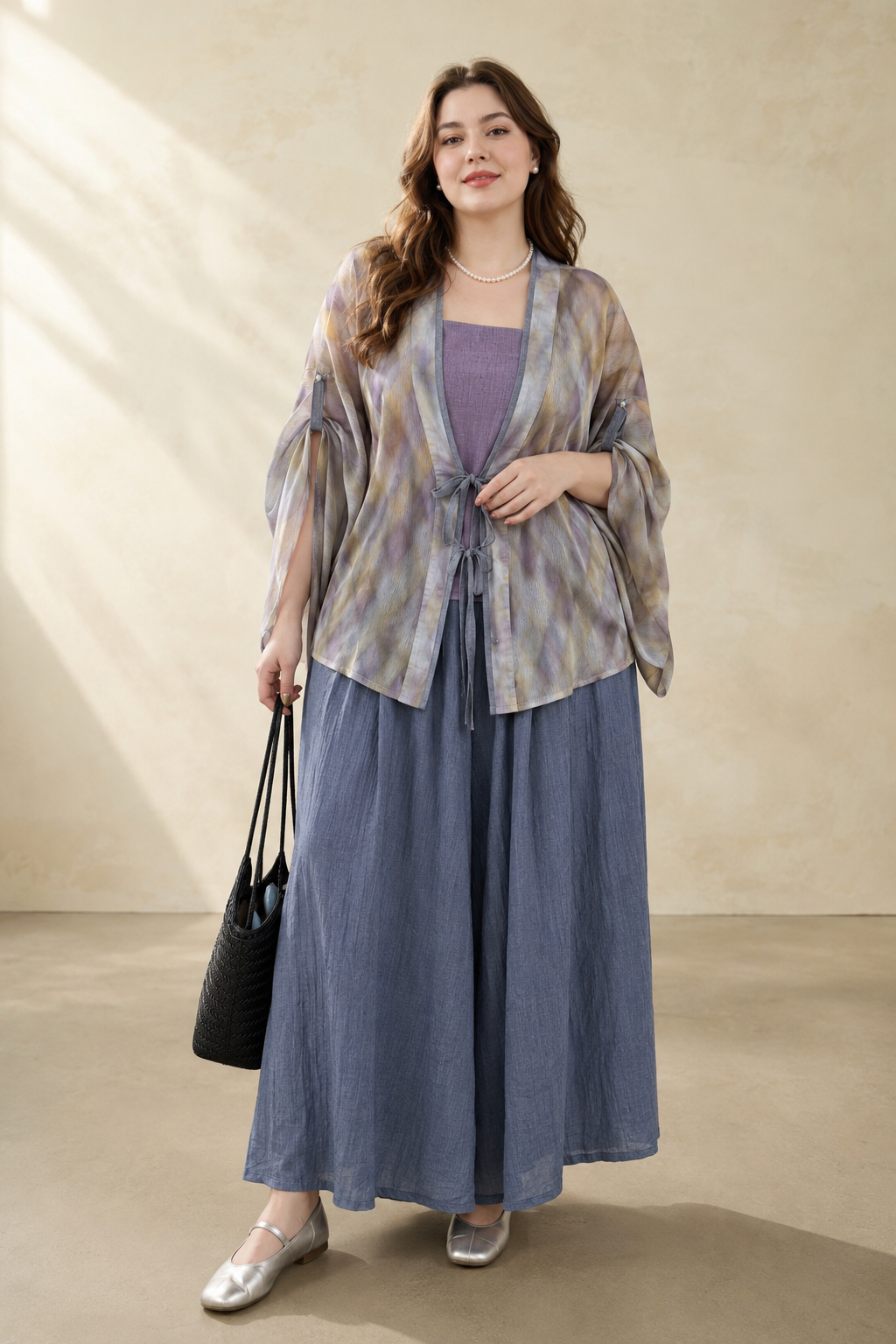
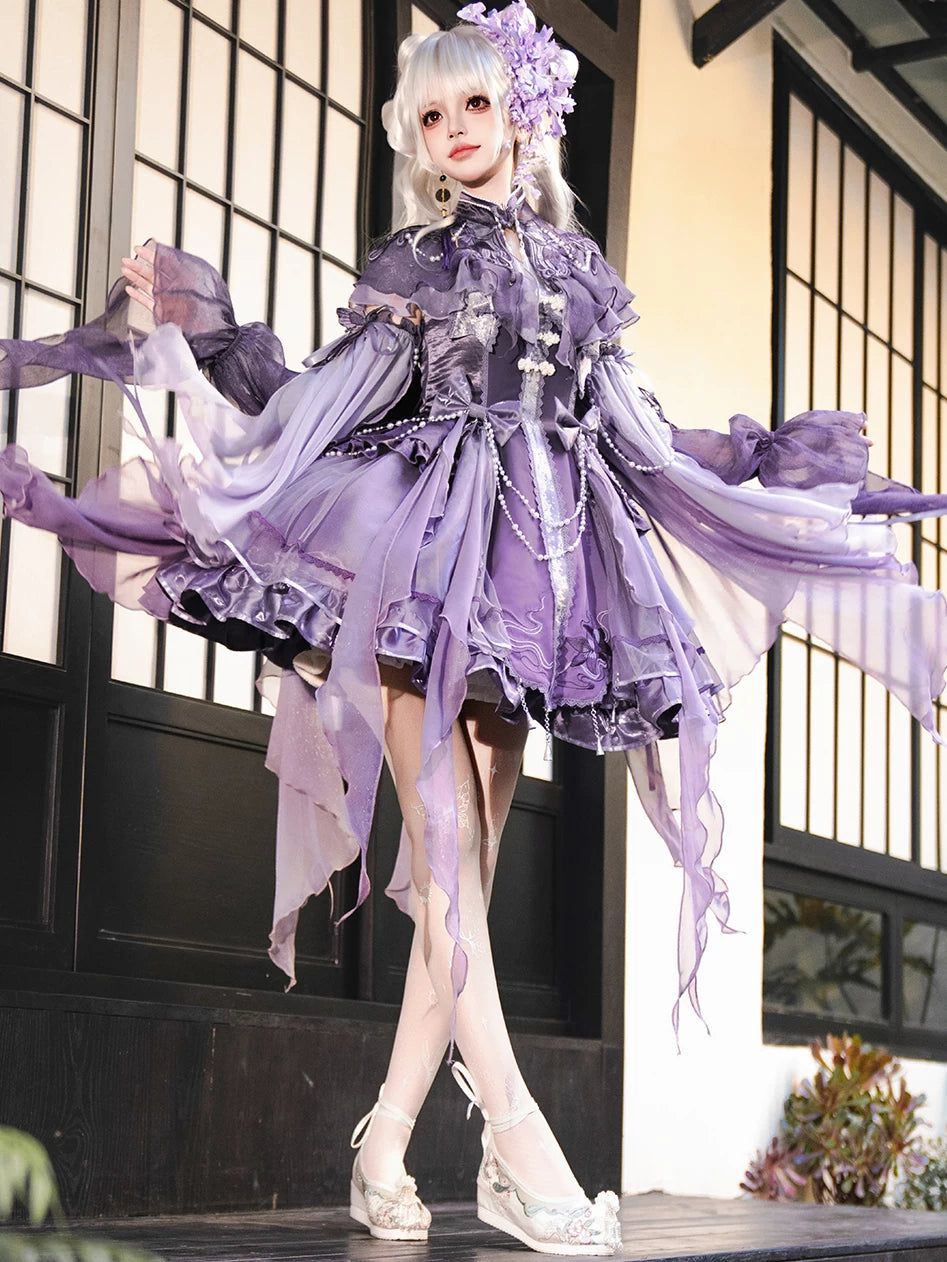
Song-inspired options often use lighter layers, pleated skirts and restrained gradient color, while Ming-inspired outfits may pair structured tops with mamian or horse-face skirts. Tang-inspired and chest-high silhouettes can create a softer, more flowing line. Modern designs in the collection combine purple with black, plaid, sheer overlays, asymmetric skirts or streetwear details; Han-element Lolita sets use Chinese-inspired collars, cloud-shoulder details or embroidery within a different fashion silhouette.
- For traditional-inspired styling: compare the named dynasty reference, collar, sleeve shape and skirt construction.
- For modern daily wear: look for shorter layers, separate tops and skirts, or pieces that can be combined with an existing wardrobe.
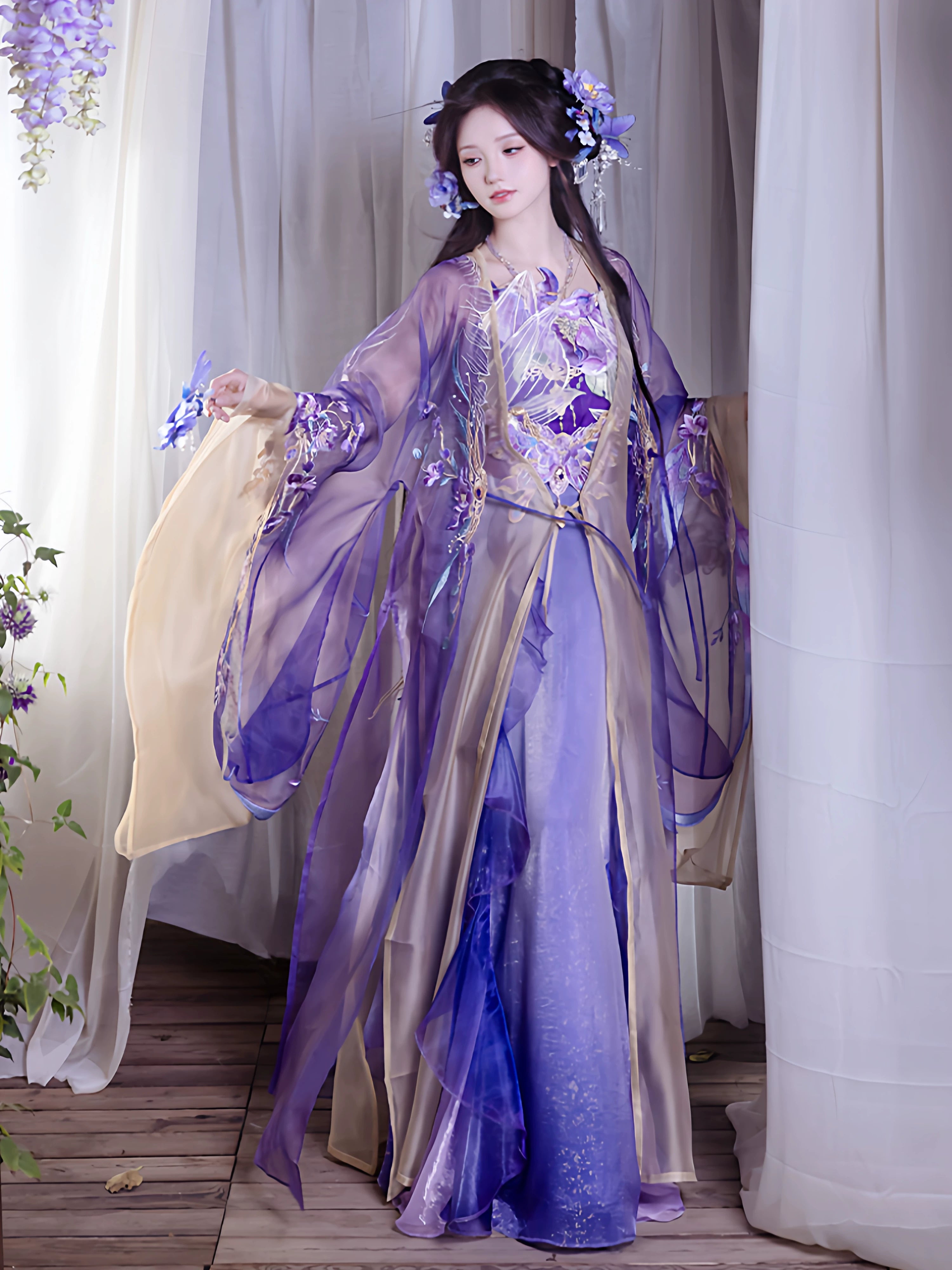
- For photography and stage use: gradient fabric, wide sleeves and longer skirts create visible movement, but require room to walk safely.
- For men or children: use the dedicated measurements and variant options; adult women's sizing should not be used as a substitute.
How to choose the right shade
Cool blue-purple and grey-purple tones can create a quiet, misty effect, while dark purple paired with black feels more dramatic. Lavender, pink-purple and wisteria shades appear lighter in outdoor photography. Color can change with lighting, screen settings and layered translucent fabric, so review several product images rather than relying on one thumbnail.
Purple has carried different associations across Chinese history, literature and modern fashion, but there is no single meaning that applies to every period, region or garment. A retail color name such as “imperial purple” does not by itself prove historical rank, ceremonial use or reconstruction accuracy. If historical interpretation matters, use the individual garment construction and maker information as the primary evidence.
Fit, components and movement
Many Hanfu listings sell components separately. A photographed outfit may include an outer robe, inner top, skirt, sash, cloud shoulder, necklace or hair accessory, while the selected variant may be only one piece. Read the variant name carefully before adding it to the cart. Several products in this collection offer complete sets, but “set” can mean three, four, five or more components depending on the design.
Compare bust, shoulder, waist, skirt length and total height with the product chart. For wide sleeves, also consider sleeve reach and the space needed for dining, stairs or crowded events. When a mamian skirt or fitted top is involved, select according to the largest relevant measurement and allow comfortable room for sitting and layering. Product availability can differ by size, color and component.
Occasions and styling
A purple Hanfu set can work for cultural events, festivals, portraits, performances and personal styling when the garment suits the dress expectations. For a coordinated look, repeat one secondary color—such as black, white, blue or pink—in the shoes or hair accessories rather than matching every item to the same purple. With richly embroidered or gradient clothing, simpler accessories keep the garment as the focal point.
Compare lighter layered silhouettes in Song Dynasty Hanfu, structured skirt combinations in Ming Dynasty Hanfu, or contemporary outfits in Modern Hanfu. For the wider category, browse Traditional Hanfu.
Purple Hanfu questions
Is every item a complete Hanfu set?
No. Some variants contain a complete multi-piece outfit, while others are only a top, skirt, robe or selected combination. The selected variant determines what is included.
Are all purple Hanfu products made from silk?
No material should be assumed from the color or visual sheen. Check each product page for the stated fiber composition, lining and care instructions.
Does purple indicate a specific dynasty or social rank?
Not by itself. Color associations changed across time and context, and today's fashion names are not proof of historical status. The cut and documented construction are more useful for identifying a garment's inspiration.
How should purple Hanfu be cleaned?
Follow the individual care label because embroidery, sheer layers and blended fabrics require different treatment. When instructions are unclear, avoid high heat, color-bleeding detergents and vigorous machine washing until the material is confirmed.
Materials and product-specific finishes
Looking for plant-fibre options? Selected products in the current assortment are explicitly labelled cotton, Tencel or cotton-and-linen blend. Other listings emphasize embroidery, gradient colour, sheer overlays or PU-finish accents. These are product-level details rather than properties of every purple Hanfu, so use the exact product and selected variant to compare fibre content, lining, finish and care.
Shipping and event timing
Yandan offers free worldwide shipping on all orders. Ready-stock orders are normally dispatched within 3–5 days. Made-to-order and preorder items typically require 3–4 weeks before dispatch. These are processing estimates rather than guaranteed arrival dates; review the current Shipping Policy and the individual product page when ordering for a fixed event date.