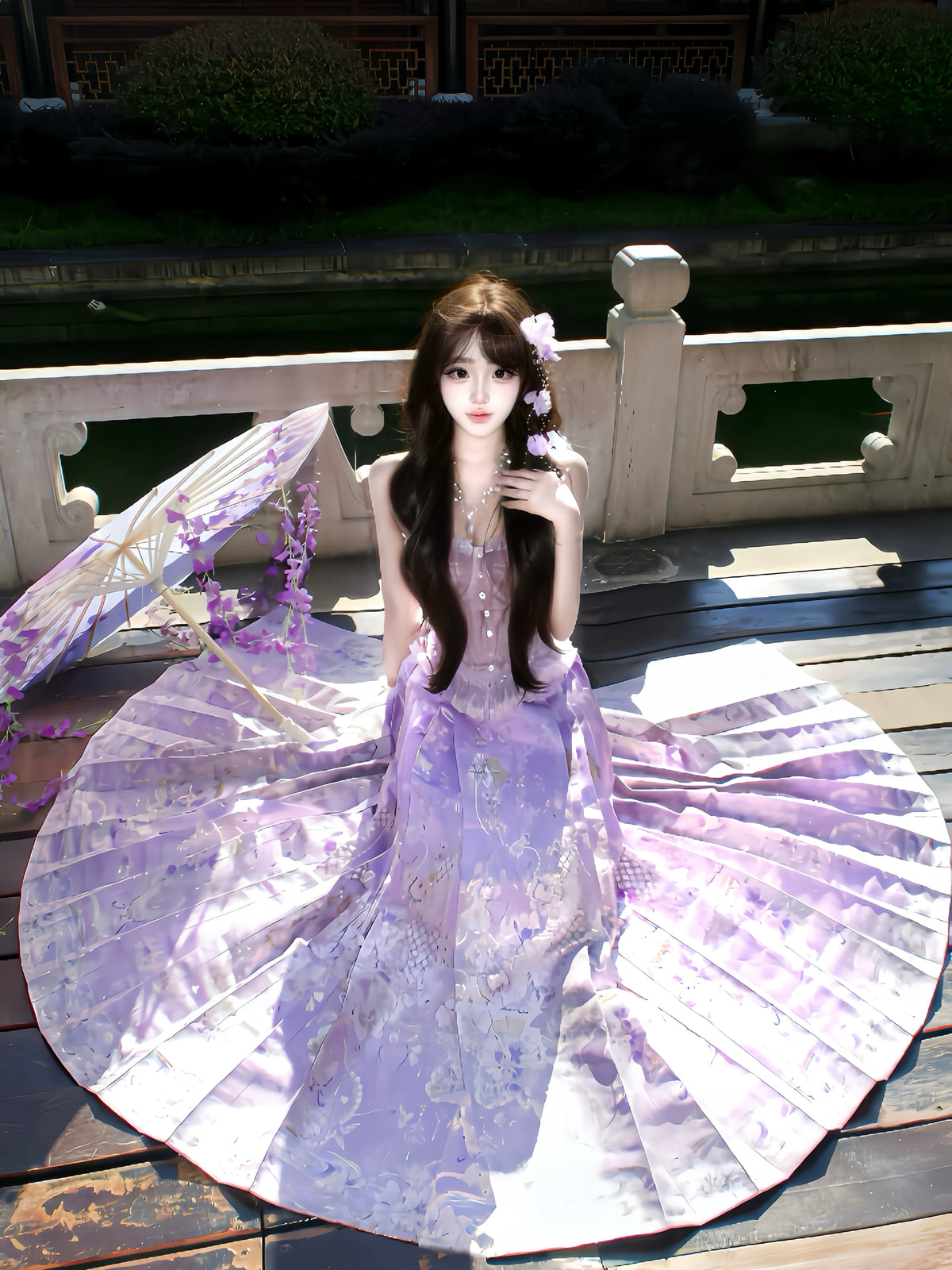
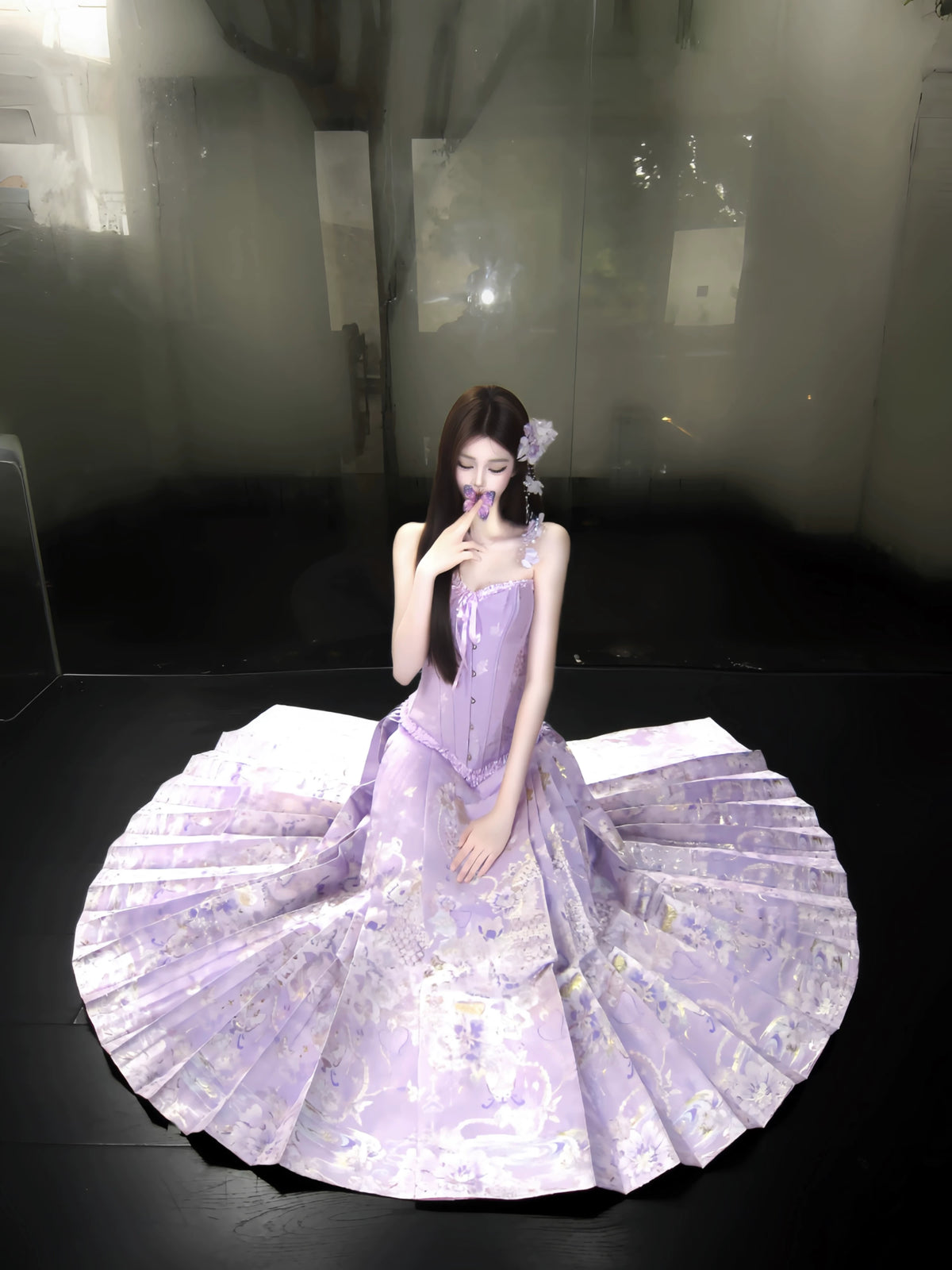
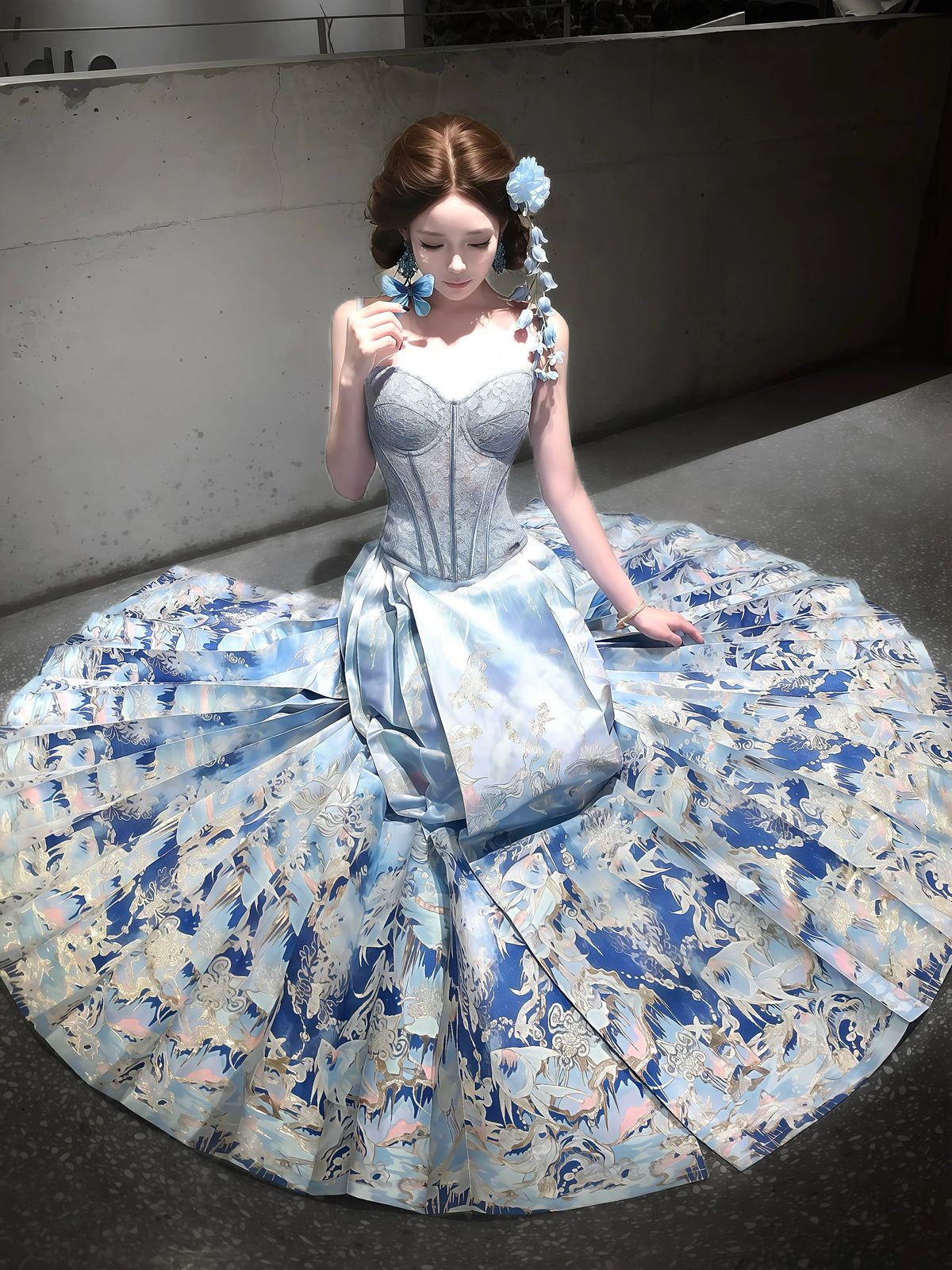
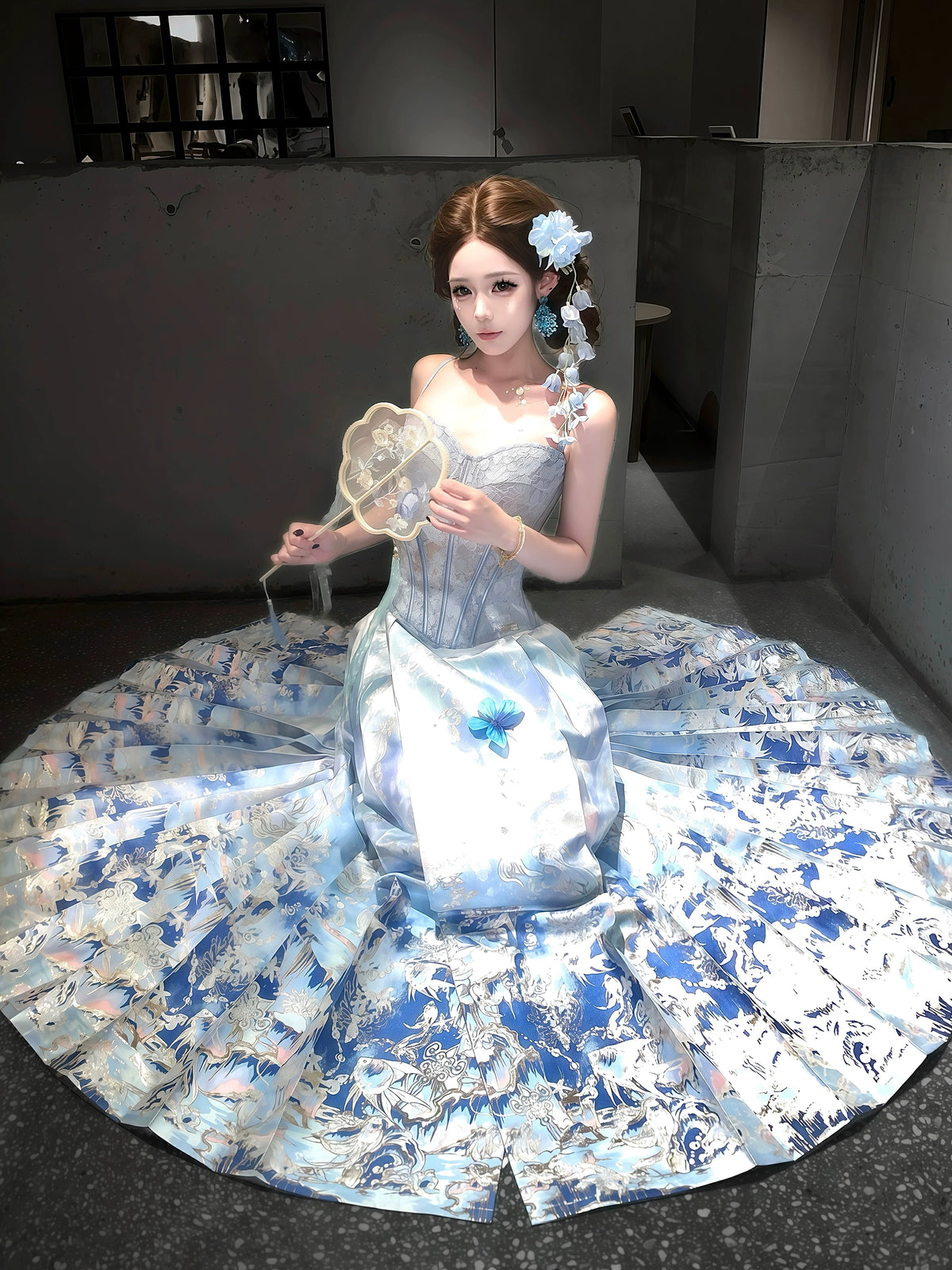
🌟 Part One: Why So Many People Search “Chinese Kimono”
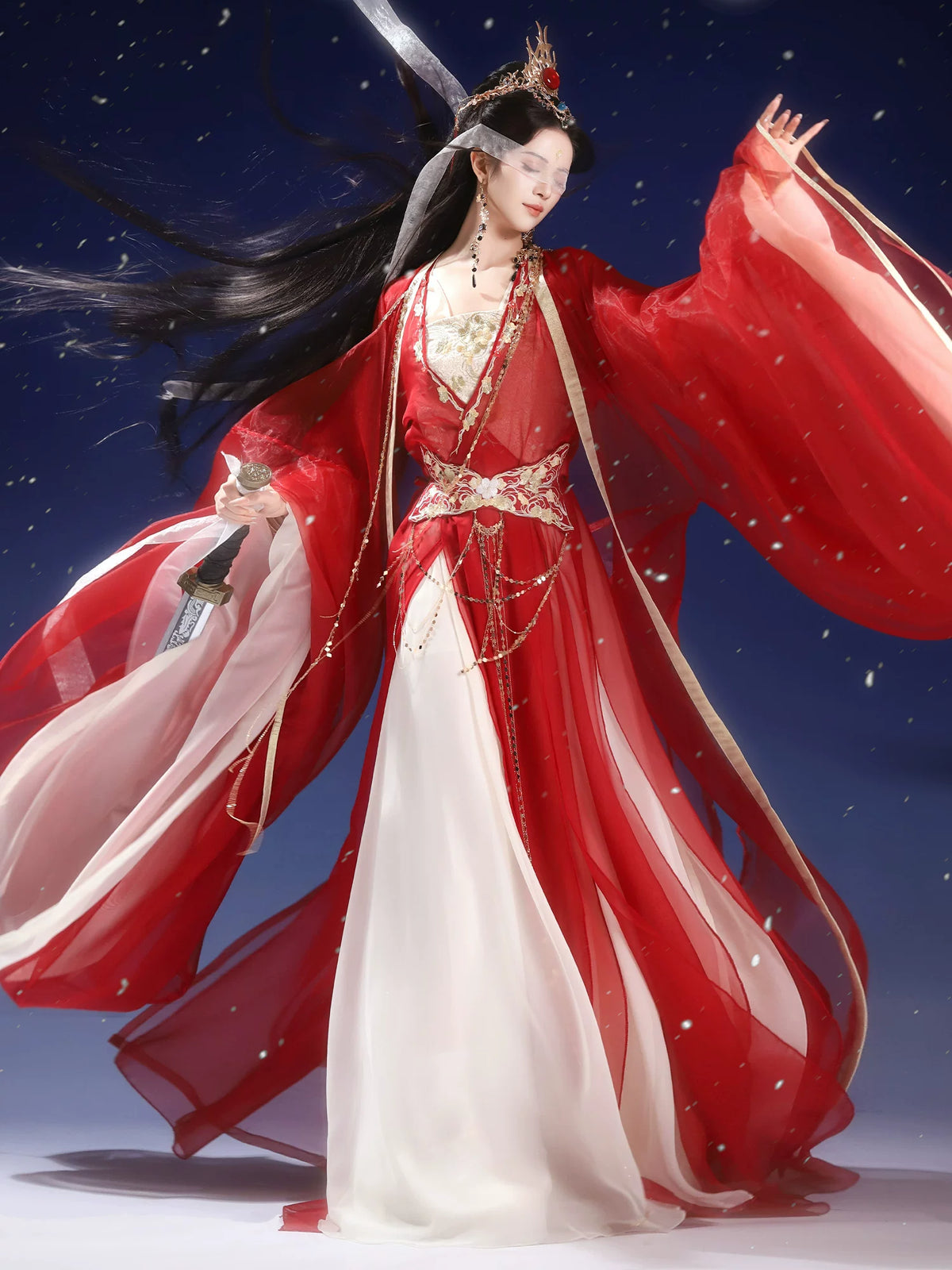
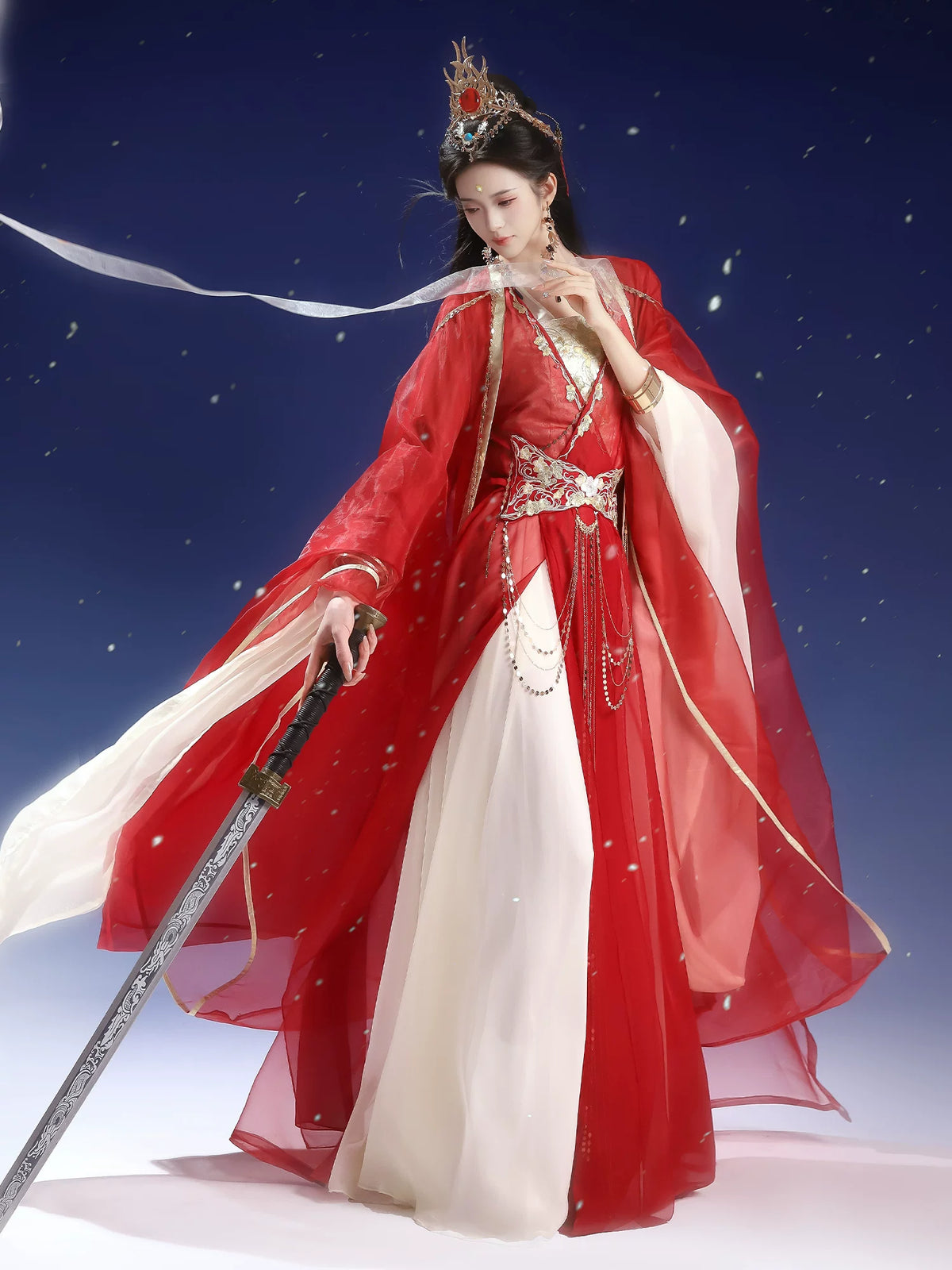
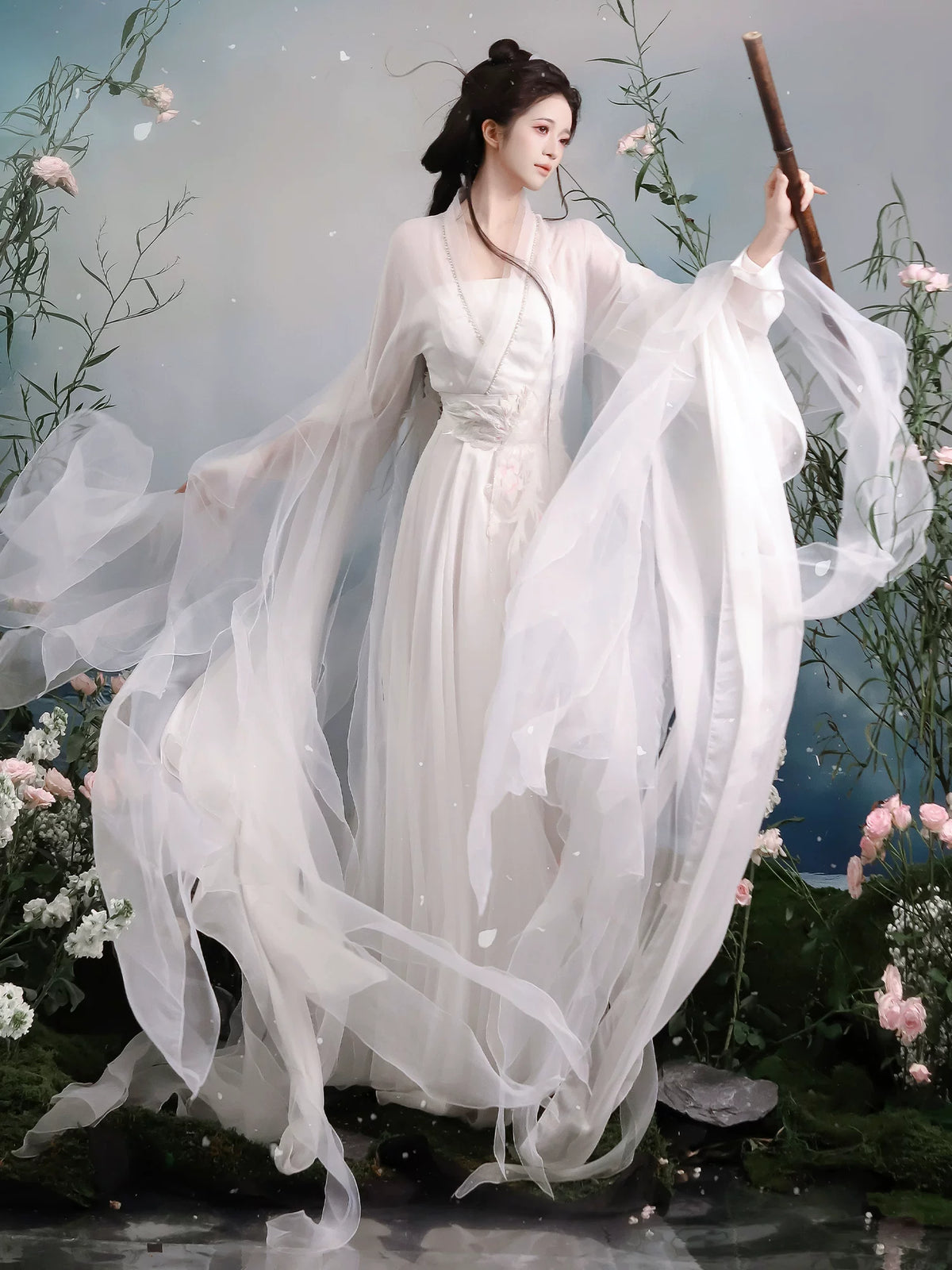
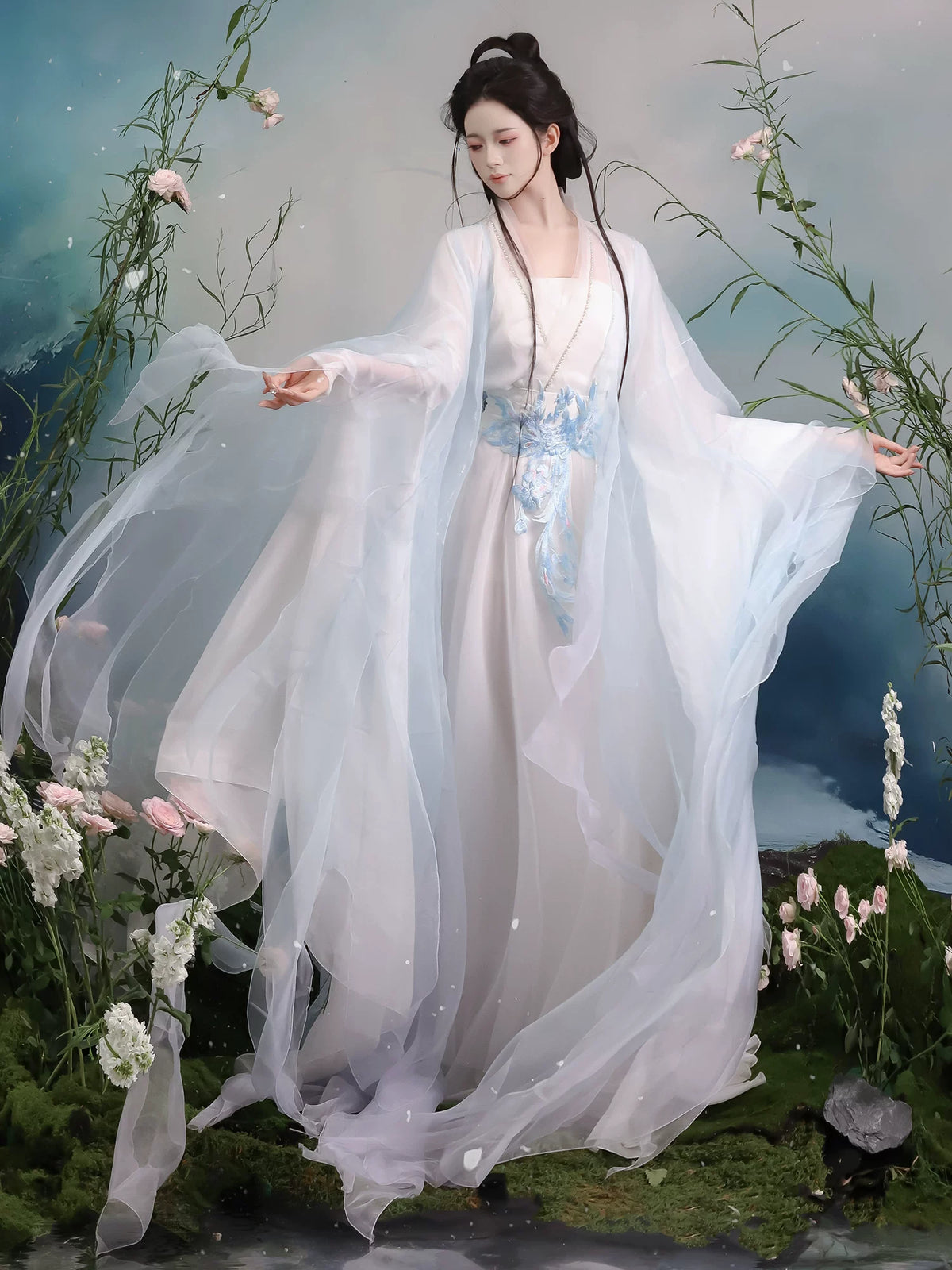
If you’ve ever searched for Chinese kimono online, you’re not alone — and you’re not wrong to be curious. Thousands of shoppers around the world use this term every day, usually imagining something like a Japanese kimono, but with Chinese patterns: dragons, peonies, ink-wash landscapes, and rich red-and-gold colour combinations.
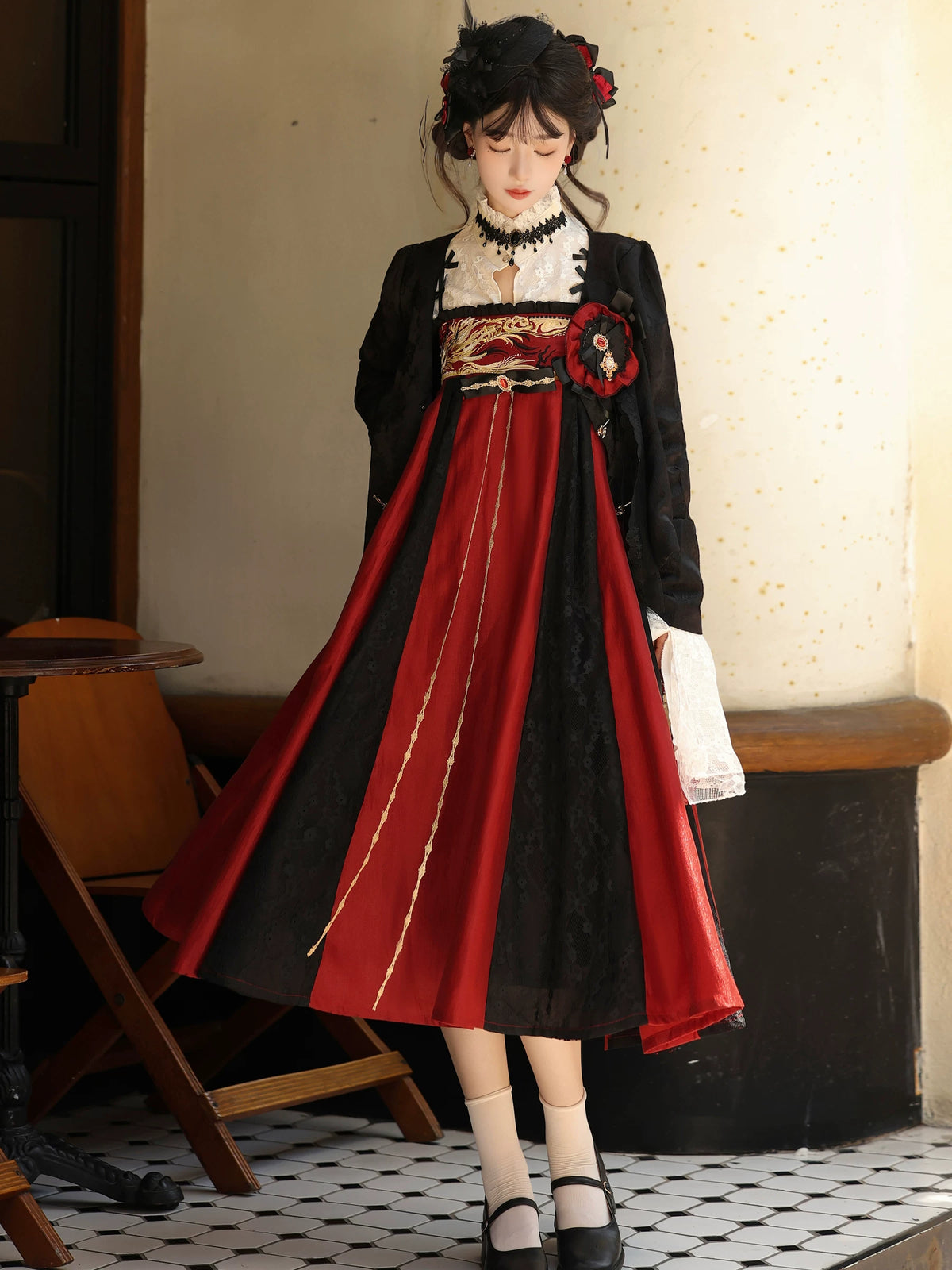
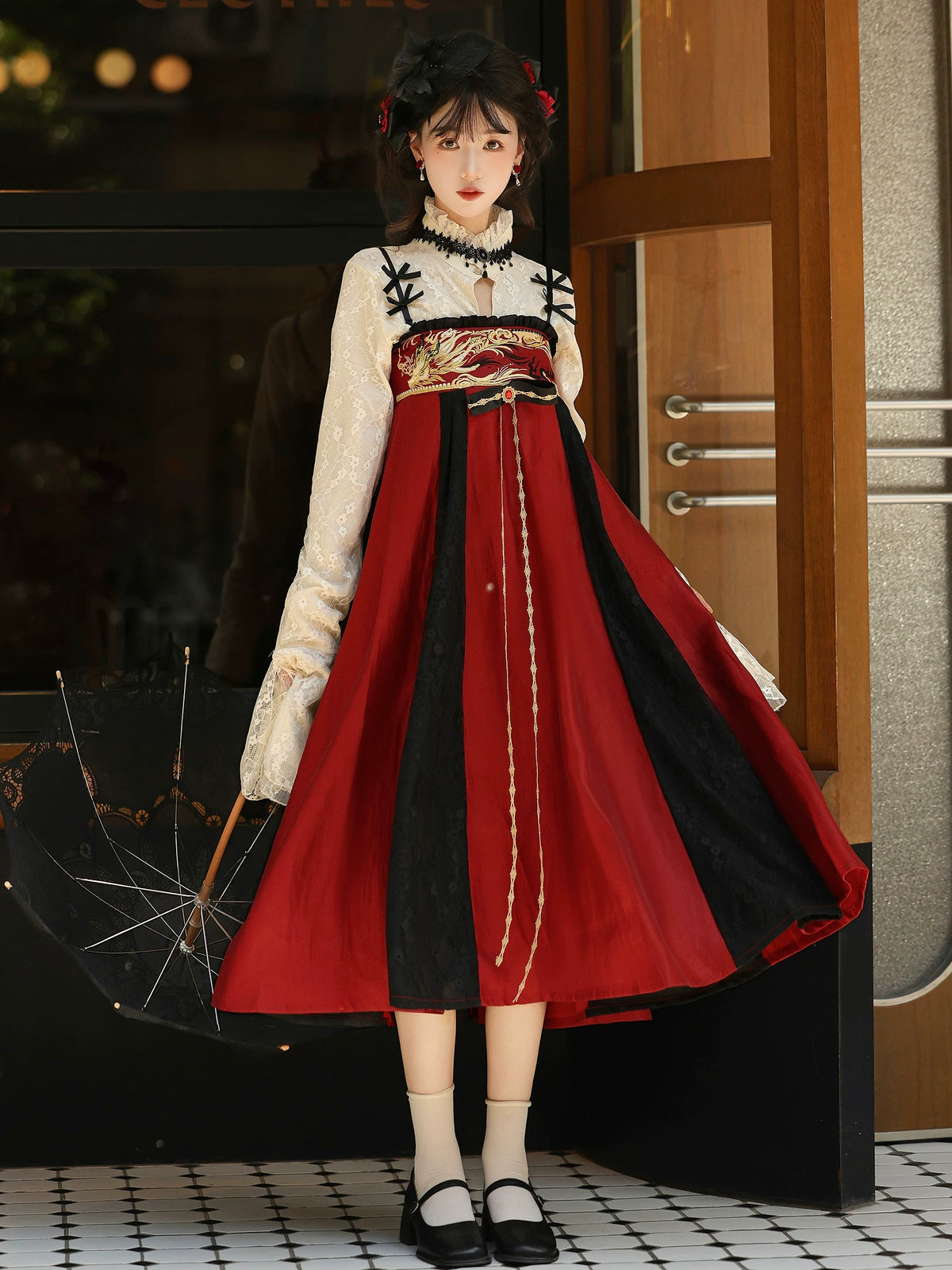
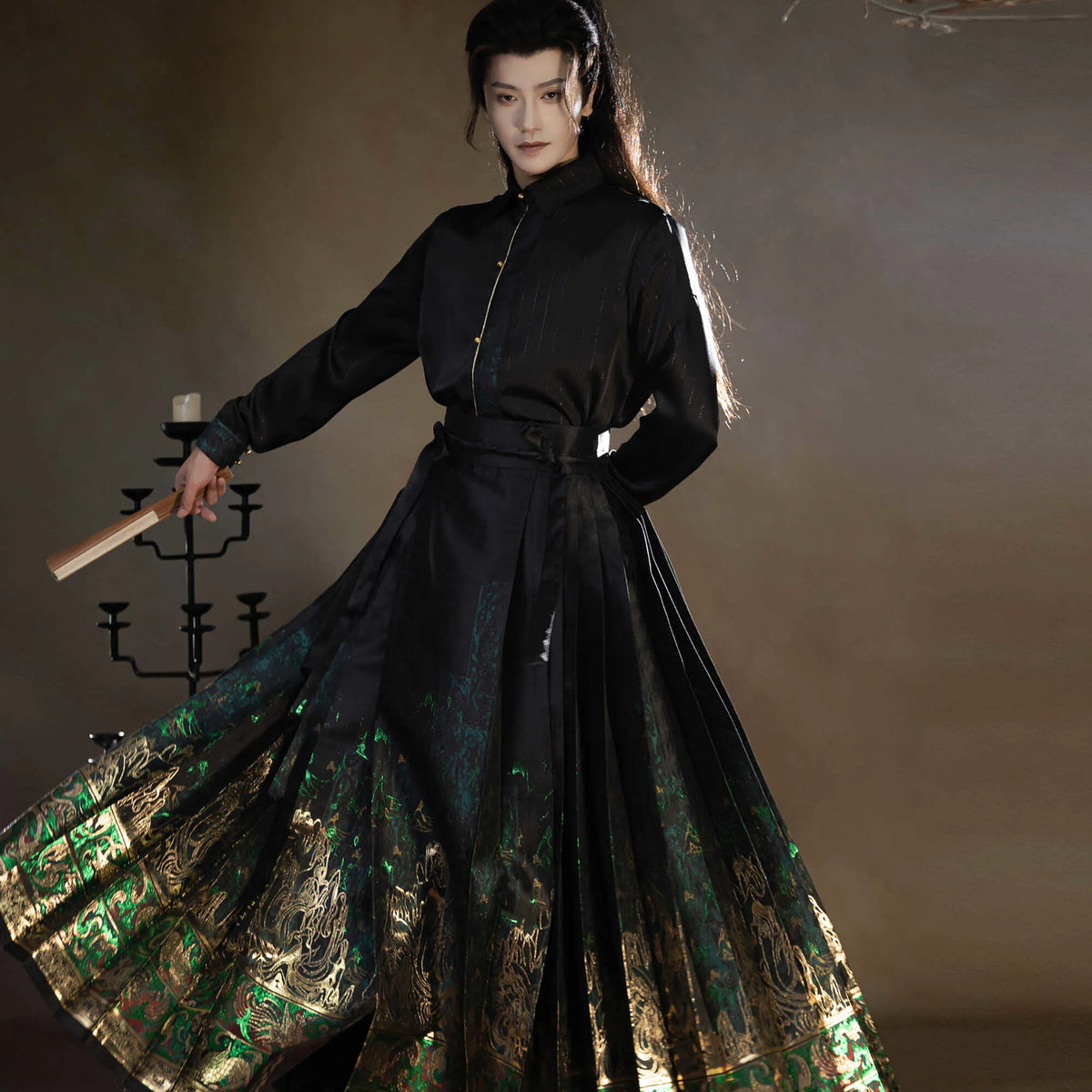
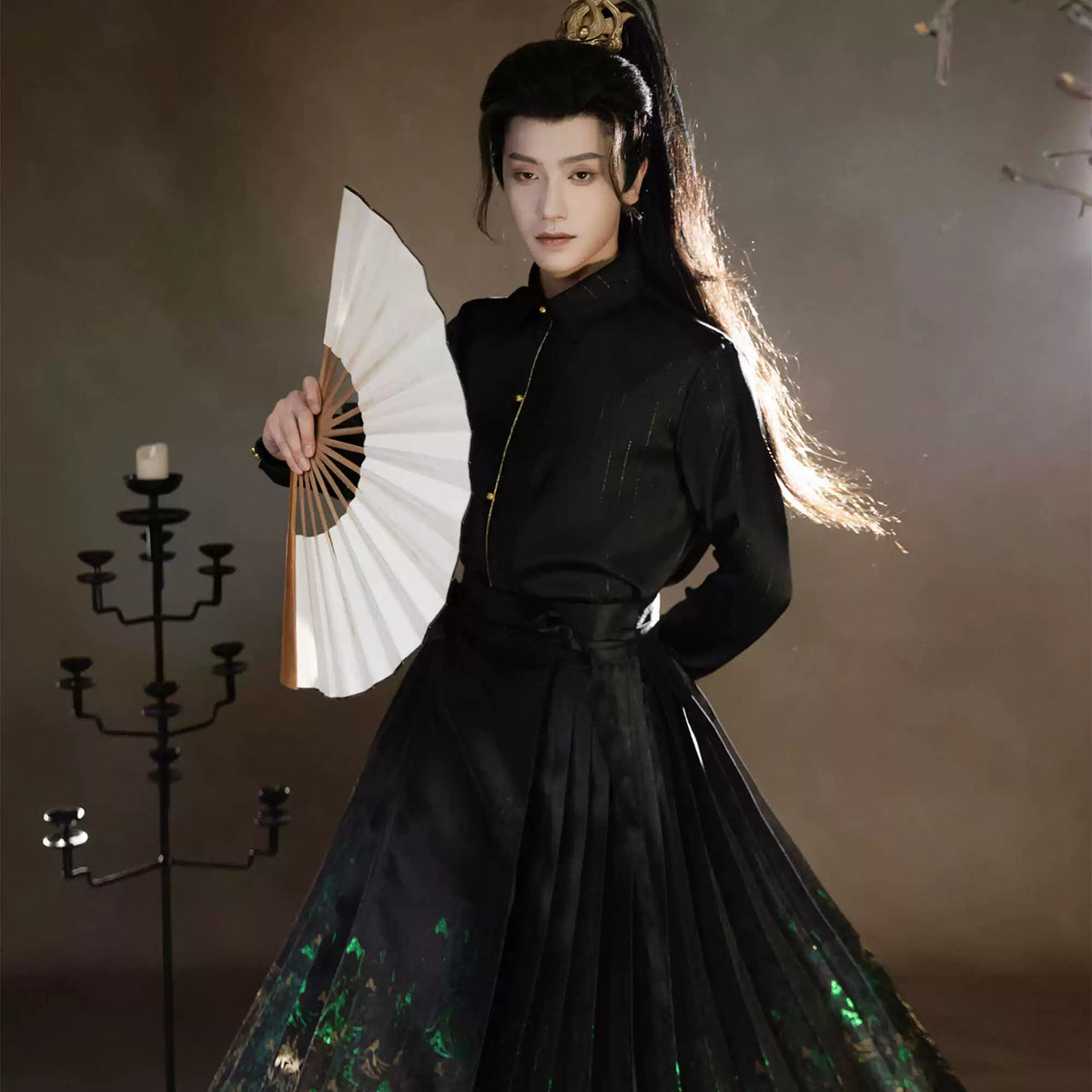
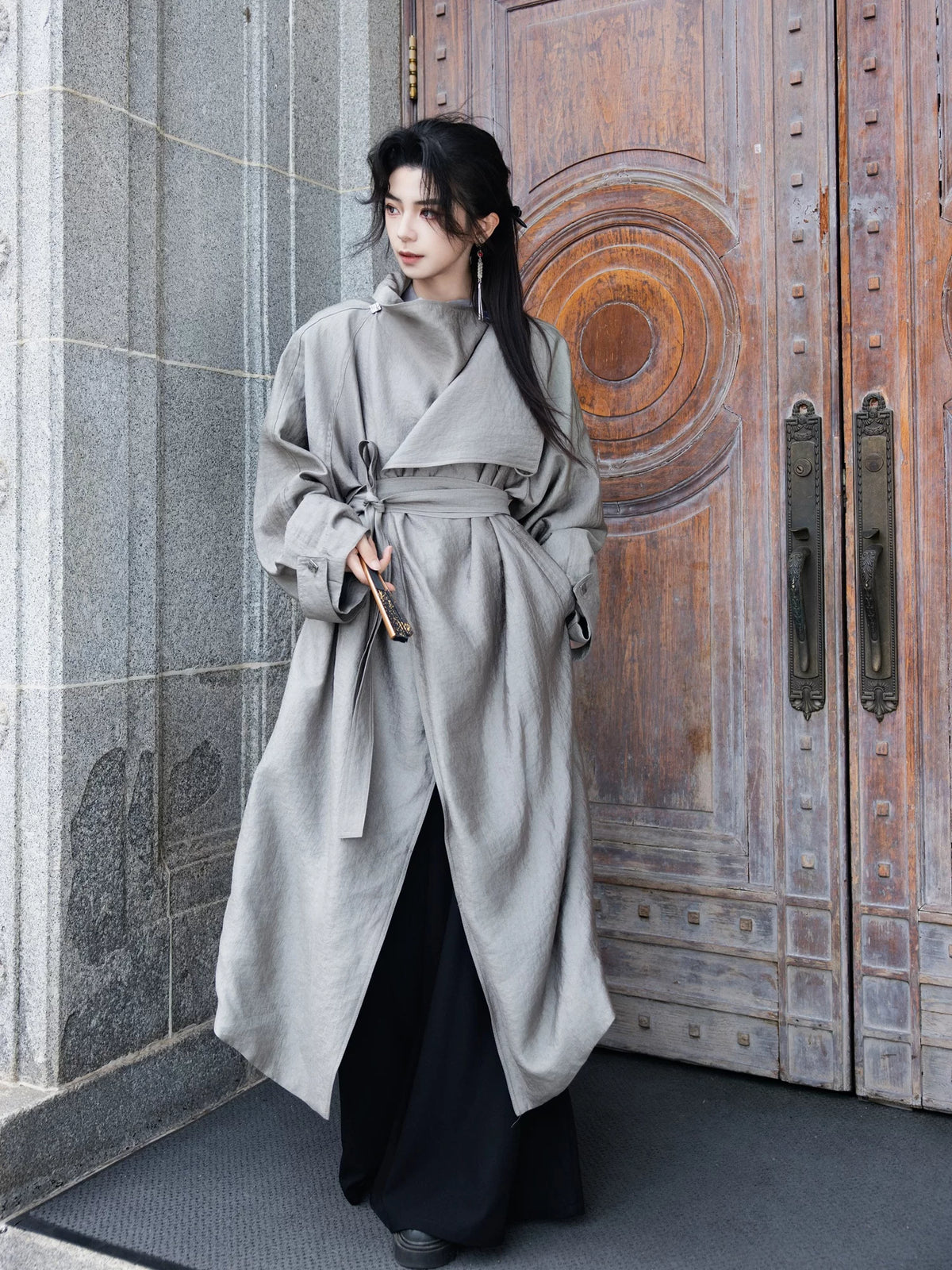
The reality is both simpler and more interesting than that. “Chinese kimono” is not a traditional Chinese term — it’s the phrase that Western audiences have adopted to describe a broad category of Chinese long-robe garments: the qipao (cheongsam), the hanfu, the changshan, and the new Chinese style (xin zhongshi) outerwear that has become enormously popular in recent years.
And while Chinese and Japanese traditional dress share a common ancestor — both trace their roots to ancient Chinese court dress — they have evolved over centuries into two very distinct aesthetic traditions, with different cuts, different cultural meanings, different occasions, and very different ways of being worn.
“Chinese kimono and Japanese kimono share the same ancient roots — but they have grown into two completely different flowers. Understanding the difference is the first step to finding the style that truly speaks to you.”
🏛️ Part Two: The History — Same Roots, Different Paths
Both Chinese and Japanese traditional dress trace their origins to the flowing robes of ancient China — specifically the hanfu (Han Chinese dress) and the tangyi (Tang dynasty court robes) transmitted to Japan during the 7th and 8th centuries CE. In Japan, these robes were gradually refined into the kimono — a garment with a fixed, standardised structure unchanged for over 400 years. In China, dress continued to evolve through successive dynasties into a rich family of related garments:
- Hanfu (汉服) — traditional Han Chinese dress, with roots stretching back over 3,000 years; flowing layers, crossed collars, and wide sleeves
- Qipao / Cheongsam (旗袍) — the fitted, high-collared dress that emerged in 1920s Shanghai, blending Manchu and Western tailoring into one of fashion history’s most iconic silhouettes
- New Chinese Style / Xin Zhongshi (新中式) — the contemporary movement reinterpreting traditional Chinese elements — mandarin collars, frog buttons, ink-wash prints, dragon motifs — in modern, wearable silhouettes
“Chinese kimono” is the Western world’s umbrella term for all of these garments. It’s not a traditional Chinese category — it’s a search term that reflects genuine curiosity about Chinese dress, and it deserves a genuine, detailed answer.
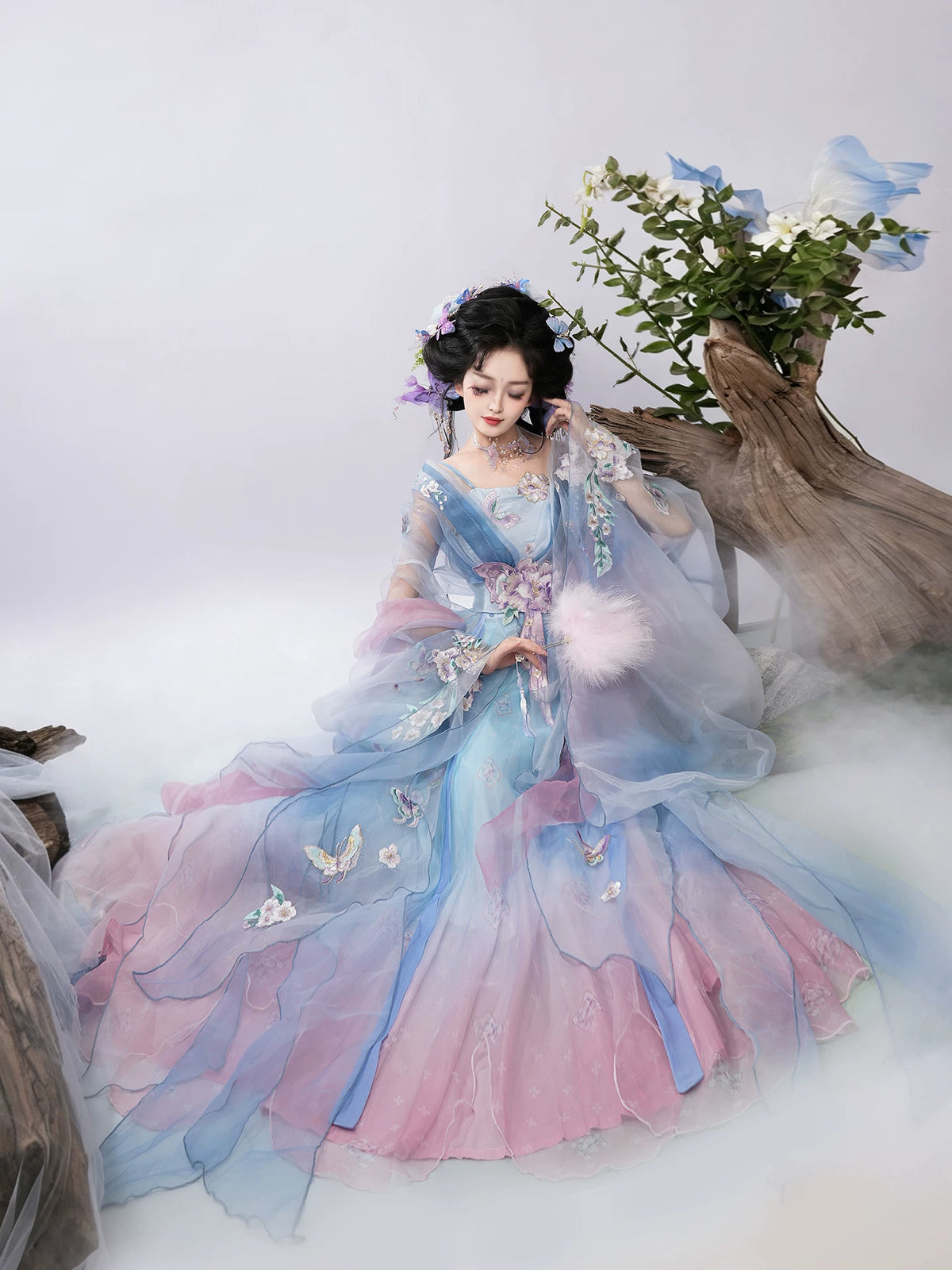
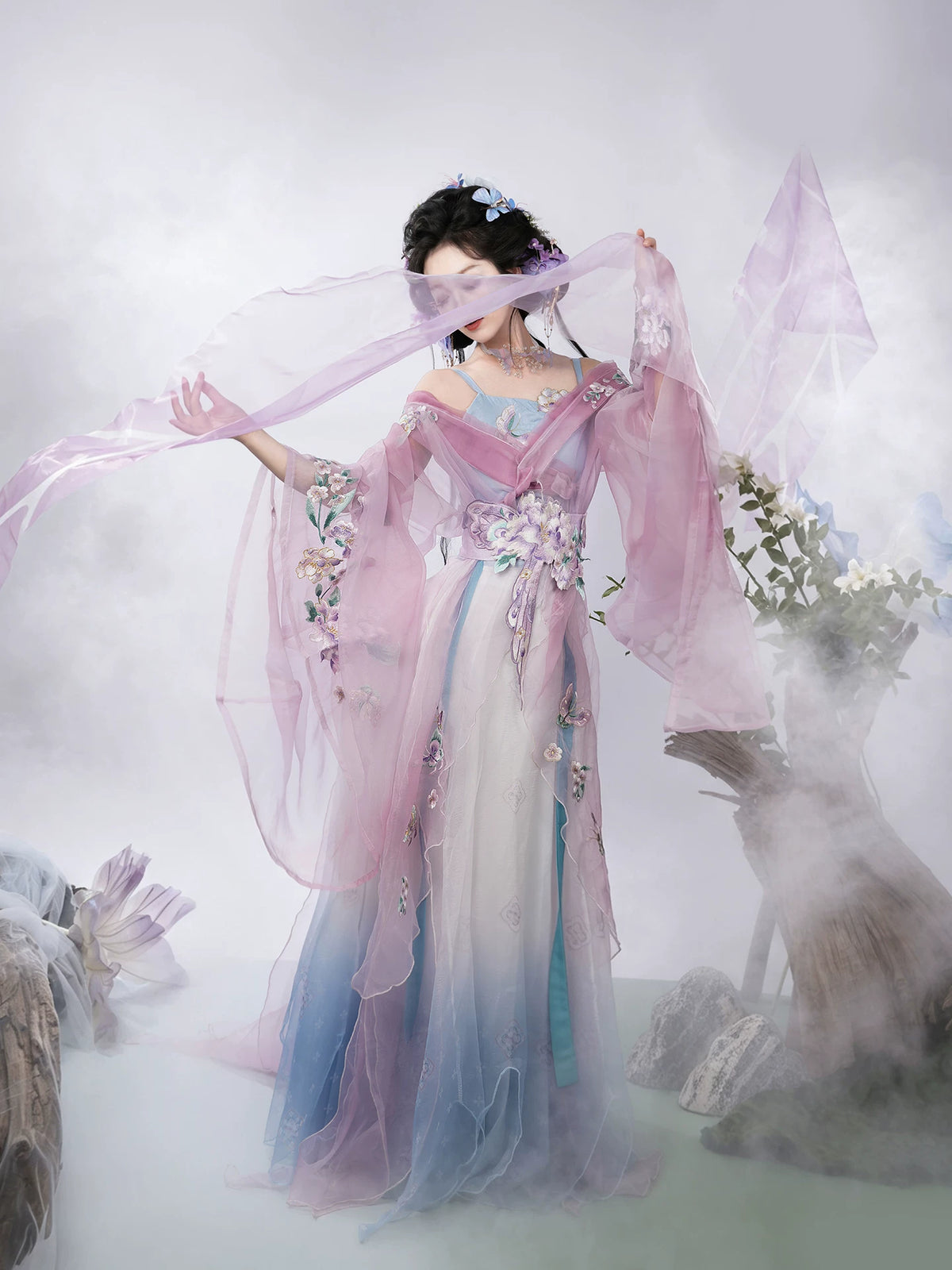
👉 Explore Chinese Style: Elegant Modern Chinese-Style Blue Qipao Dress | Pink Embroidery Hanfu — Summer Fairy Dress
✂️ Part Three: Cut & Silhouette — The Most Visible Difference
↑ A classic Japanese furisode kimono — white and lavender ground with vivid multicolour floral motifs (chrysanthemums, peonies, pine), a gold and purple obi tied in a formal bow at the back, and a small kinchaku pouch. Note the straight-line cut, the wide sleeves, and the complete absence of waist shaping — the silhouette is created entirely by the obi and the way the garment is worn, not by the cut of the fabric. This is the defining structural difference between Japanese kimono and Chinese-style dress.
Chinese Kimono (Qipao / New Chinese Style)
- Body-conscious cut — fitted at the waist, shaped at the hip, designed to celebrate the body’s natural curves
- Mandarin collar (liling) — the high, stand-up collar that frames the face and neck elegantly
- Frog buttons (pankou) — decorative knotted buttons; both functional and ornamental, considered a craft in their own right
- Diagonal or asymmetric opening — many Chinese-style robes open diagonally across the chest, creating a distinctly Chinese asymmetric line
- Flexible sleeve styles — long sleeves, trumpet sleeves, short sleeves, sleeveless; far more adaptable than Japanese kimono
- Modern wearability — designed for contemporary life; no elaborate dressing ritual required
Japanese Kimono
- Straight-line cut, no waist shaping — cut from straight rectangles of fabric; the body is enveloped rather than shaped
- Wide, open V-collar — folded back to reveal the under-collar (han-eri); the collar angle is a key element of kimono styling
- Fixed structure — standardised components: migoro (body), sode (sleeves), eri (collar), fuki (hem lining)
- Obi belt system — the wide sash belt that wraps the waist and ties at the back; as important to the look as the garment itself
- More formal and ceremonial — the dressing process is complex and typically requires assistance
👉 Shop Chinese Style: New Chinese Style Tang Suit Jacket
👉 Shop Japanese Kimono: Traditional Formal Japanese Kimono — Women’s Visiting Kimono Set
🎨 Part Four: Patterns & Cultural Symbolism
↑ A stunning back view of a Japanese kimono in deep terracotta red — white camellia and chrysanthemum motifs scattered across the body and sleeves, with an elaborate gold brocade obi tied in a formal taiko drum knot. The lace parasol and the garden setting complete a look of serene, traditional elegance. The back view of a kimono is considered as important as the front — the obi knot is a centrepiece of the entire look.
Chinese Kimono — Patterns & Symbolism
- Dragon (龙) — imperial power, strength, and good fortune; a benevolent, auspicious creature in Chinese culture
- Phoenix (凤) — feminine beauty, grace, and renewal; dragon and phoenix together symbolise the union of masculine and feminine
- Peony (牛丹) — wealth, honour, and feminine beauty; the most common floral motif in Chinese dress
- Ink-wash landscape (水墨山水) — mountains, rivers, and pine trees in classical Chinese ink painting style; enormously popular in new Chinese style fashion
- Plum blossom (梅花) — perseverance and resilience; the flower that blooms in winter
- Koi fish (锦鲤) — abundance, prosperity, and perseverance
- Auspicious clouds (祥云) — good fortune and divine blessing
Colour palette: Bold, saturated colours — red, gold, ink black, navy blue. The ink-wash aesthetic of new Chinese style adds a painterly, more subtle dimension.
Japanese Kimono — Patterns & Symbolism
- Cherry blossom (sakura) — the transience of beauty; Japan’s most beloved motif
- Crane (tsuru) — longevity, nobility, and good fortune
- Chrysanthemum (kiku) — the imperial flower of Japan; longevity and resilience
- Ocean waves (seigaiha) — good luck and protection
- Pine, bamboo & plum (sho-chiku-bai) — perseverance and integrity
Colour palette: Either very soft and subtle (pale pink, sage green, ivory) or very bold and graphic (deep indigo, vivid red, stark black and white) — reflecting the Japanese aesthetic of wabi-sabi.
👉 Shop Patterned Chinese Style: Champagne Embroidered Plus Size Long Cheongsam | “Lily Dew” Modern Hanfu Ensemble
🌸 Part Five: When to Wear Each Style
↑ A modern Chinese hanfu in white lace — wide sleeves, a soft layered collar, and a delicate lace parasol create a dreamy, ethereal aesthetic that is uniquely Chinese in its silhouette but thoroughly contemporary in its fabric and styling. This is the “Chinese kimono” that Western shoppers are often searching for: flowing, romantic, and deeply photogenic. It is also far easier to wear than a full Japanese kimono — no obi, no under-kimono, no tabi socks required.
Chinese Kimono — Occasions & Lifestyle
- Daily wear & street style — new Chinese style jackets, modern hanfu, and contemporary qipao are designed for everyday wearability
- Photography & content creation — bold patterns, rich colours, and flattering silhouettes photograph beautifully in almost any setting
- Cosplay & themed events — hanfu and qipao are popular for cosplay, themed parties, and cultural events
- Outerwear & layering — new Chinese style jackets can be layered over contemporary clothing; one of the most accessible entry points into Chinese-style dress
- Holiday & resort wear — lightweight hanfu and modern qipao are popular for travel photography
Japanese Kimono — Occasions & Lifestyle
- Weddings, tea ceremonies, flower arranging — the most traditional occasions for kimono wearing
- Festivals & fireworks — yukata (casual summer kimono) worn at summer festivals
- Cultural tourism — kimono rental at historic temples and palaces in Kyoto and Tokyo
- Formal traditional ceremonies — coming-of-age, graduation, New Year shrine visits
Key consideration: Wearing Japanese kimono correctly requires the full accessory system — obi, juban, tabi socks, wooden sandals. The dressing process typically requires assistance.
👉 Shop for Photoshoots & Daily Wear: Grey Modern Chinese Hanfu Dress | Lolita Daily Blue & Pink Modern Hanfu
✨ Part Six: So Which One Should You Choose?
Choose Chinese Kimono (Chinese-Style Dress) If You…
- Love body-conscious, flattering silhouettes that celebrate your figure
- Want something for everyday occasions — work, dinner, travel, photoshoots
- Are drawn to bold, symbolic patterns — dragons, phoenixes, peonies, ink-wash landscapes
- Prefer modern East Asian fashion that blends traditional aesthetics with contemporary wearability
- Want a garment that’s easy to put on without assistance or a complex accessory system
Choose Japanese Kimono If You…
- Are drawn to traditional, ceremonial dress with a deep cultural history
- Love the flowing, enveloping silhouette of a straight-cut robe
- Are planning a trip to Japan or a Japanese-themed event
- Want the full traditional experience — obi, under-kimono, tabi socks, wooden sandals
- Appreciate the Japanese aesthetic philosophy of restraint, asymmetry, and the beauty of imperfection
“There is no wrong answer — only the style that speaks most clearly to you. Both traditions are beautiful, both are meaningful, and both are worth exploring. The best place to start is with the garment that makes you feel most like yourself.”
At Yandan, we carry both — from authentic Japanese kimono and yukata to modern Chinese hanfu, qipao, and new Chinese style outerwear. Whatever style calls to you, we have something that will make you feel beautiful, confident, and connected to one of the world’s great fashion traditions.
🛍️ Shop Our Collection
Chinese Style — Qipao, Hanfu & New Chinese Style
- 💙 Elegant Modern Chinese-Style Blue Qipao Dress — vintage-inspired long cheongsam; timeless and flattering
- 🧡 Champagne Embroidered Plus Size Long Cheongsam — elegant embroidery for formal occasions
- 🌸 Pink Embroidery Hanfu — Summer Fairy Dress — dreamy and photogenic for outdoor shoots
- 🦶 “Lily Dew” Modern Hanfu Ensemble — elegant new Chinese style for autumn
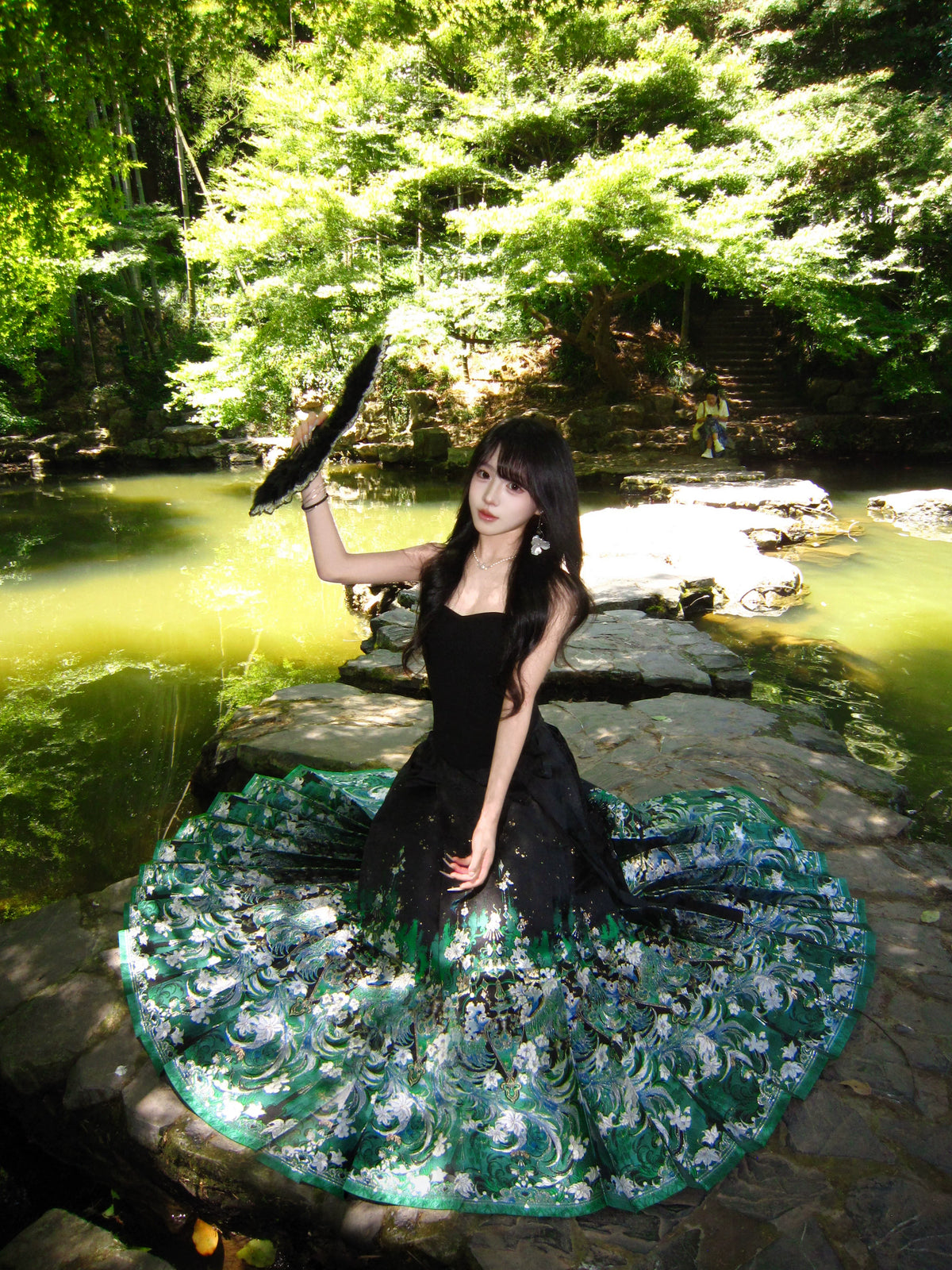
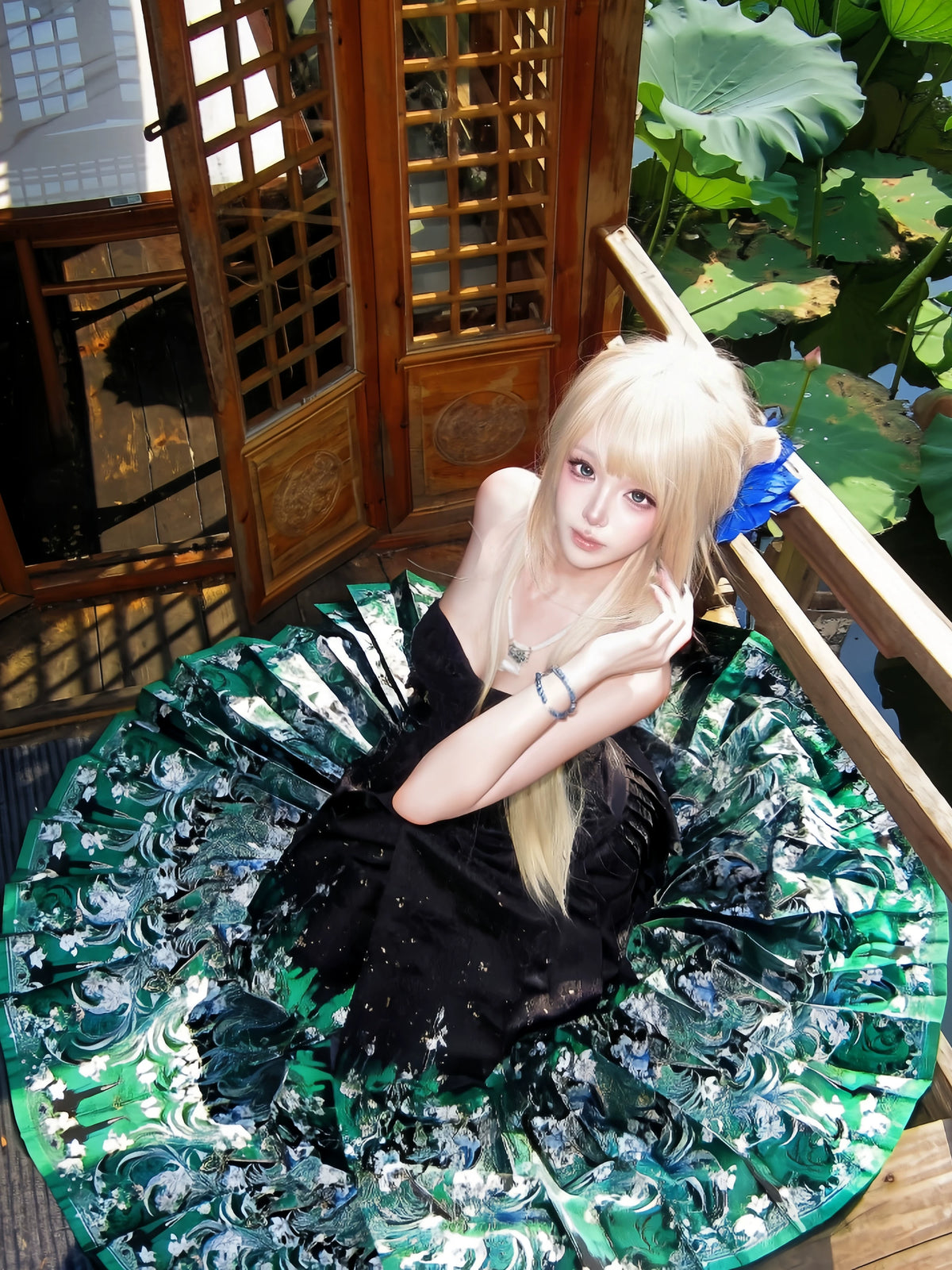
- 👙 — bold national tide statement piece
- 🧥 New Chinese Style Tang Suit Jacket — versatile and wearable for everyday occasions
Japanese Kimono & Yukata
- 🌸 Traditional Formal Japanese Kimono — Women’s Visiting Kimono Set — authentic and complete
- 🌿 — lightweight and accessible
- 💙 — traditional wa-style for performance & travel