Kimono Colors & Japanese Kimono Color Meanings
Filter
Sort by:
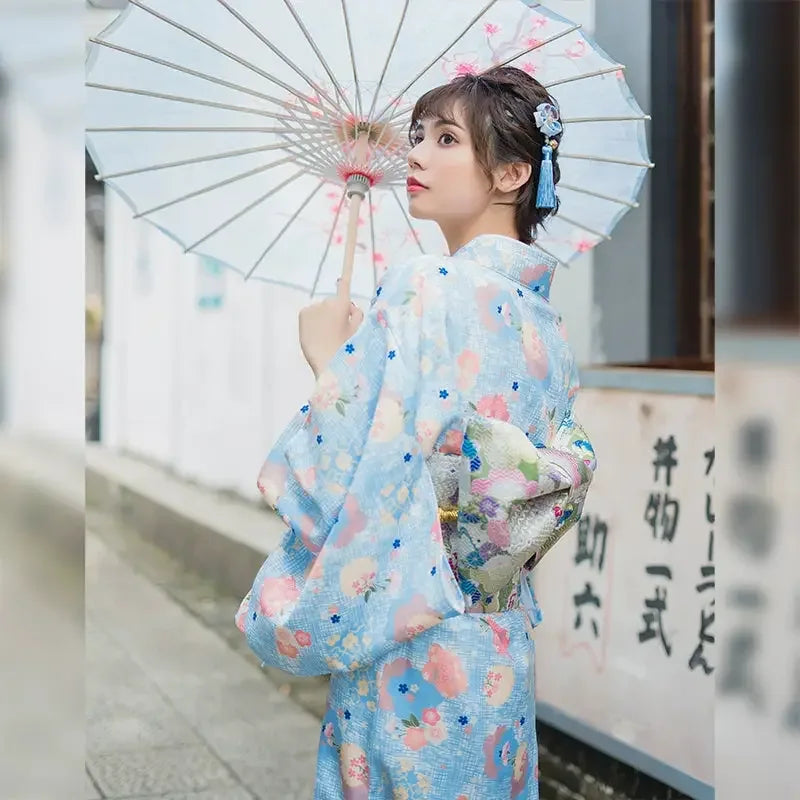
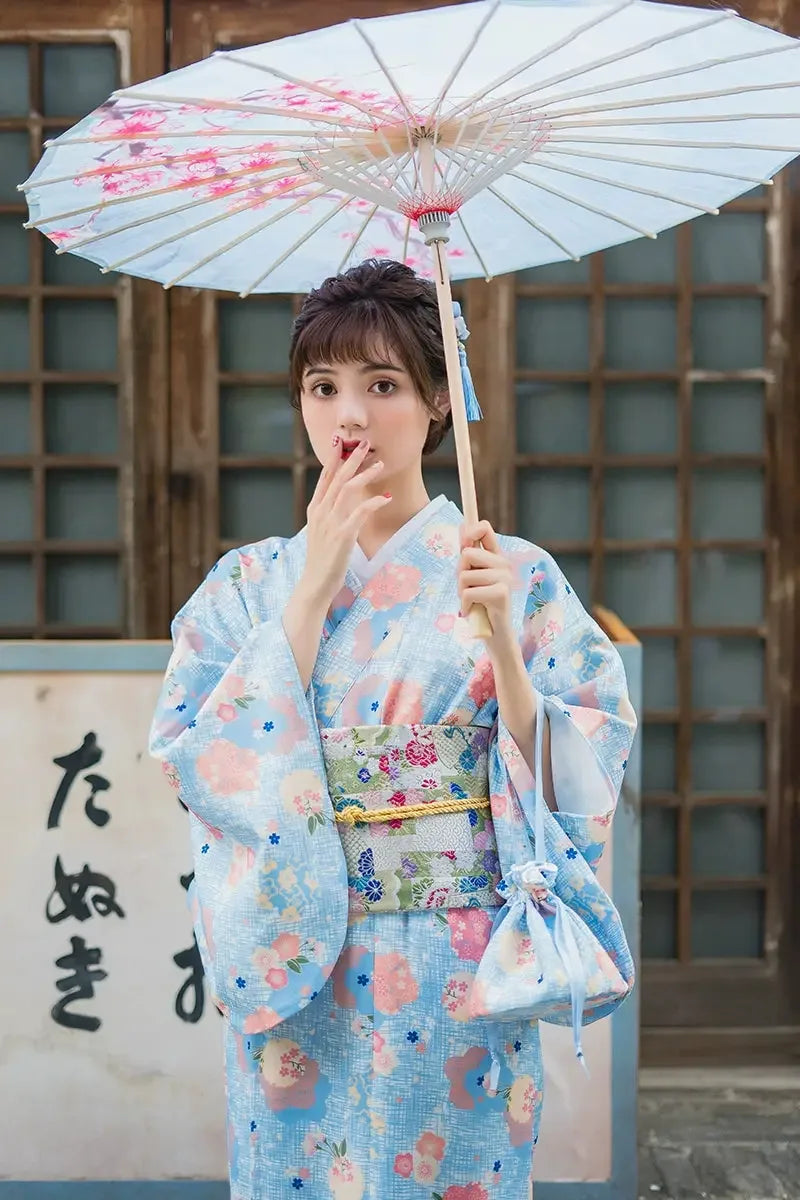


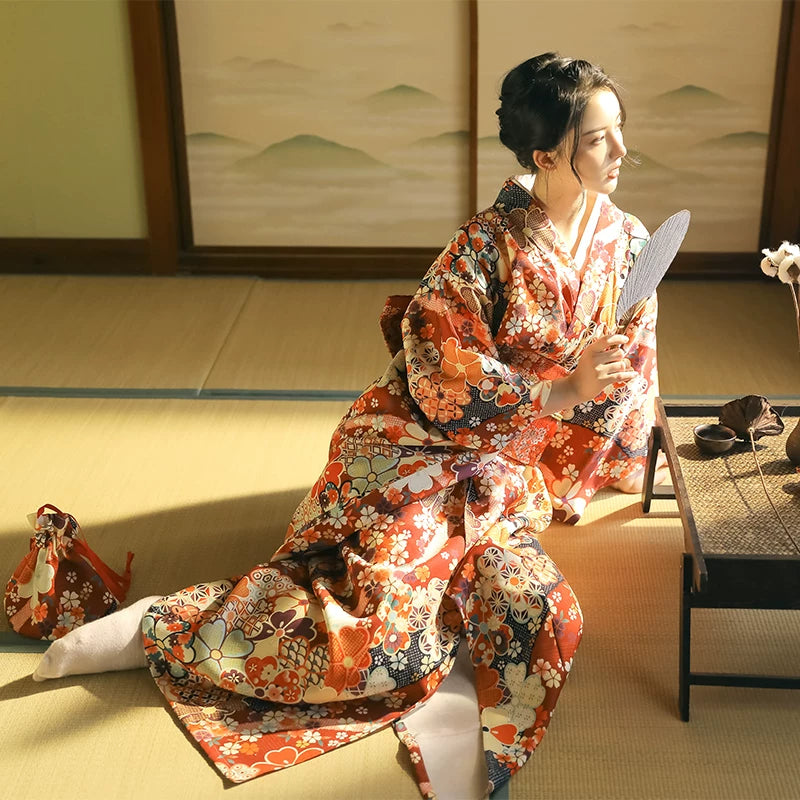
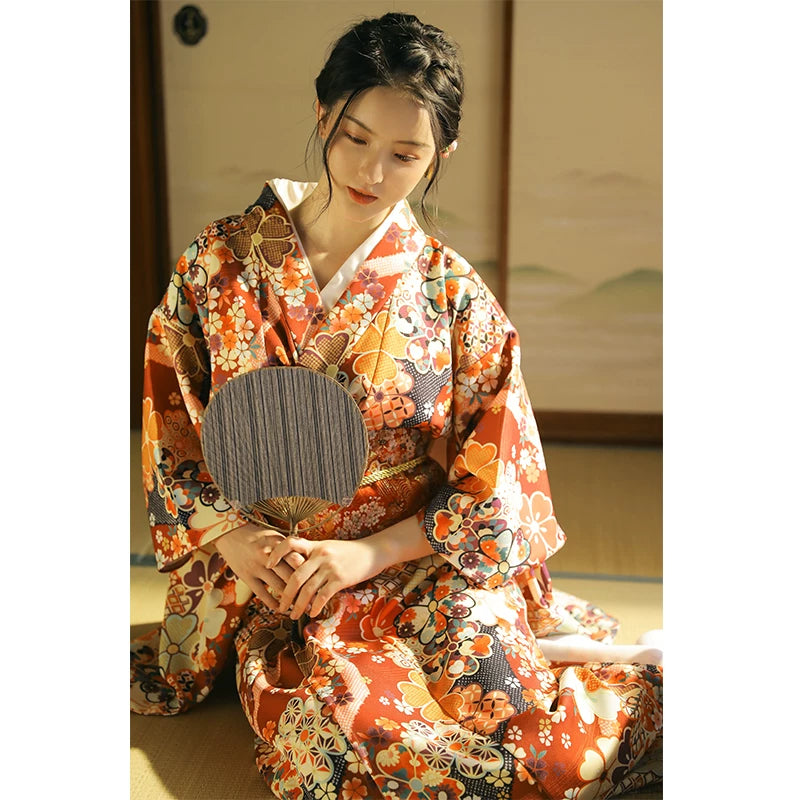

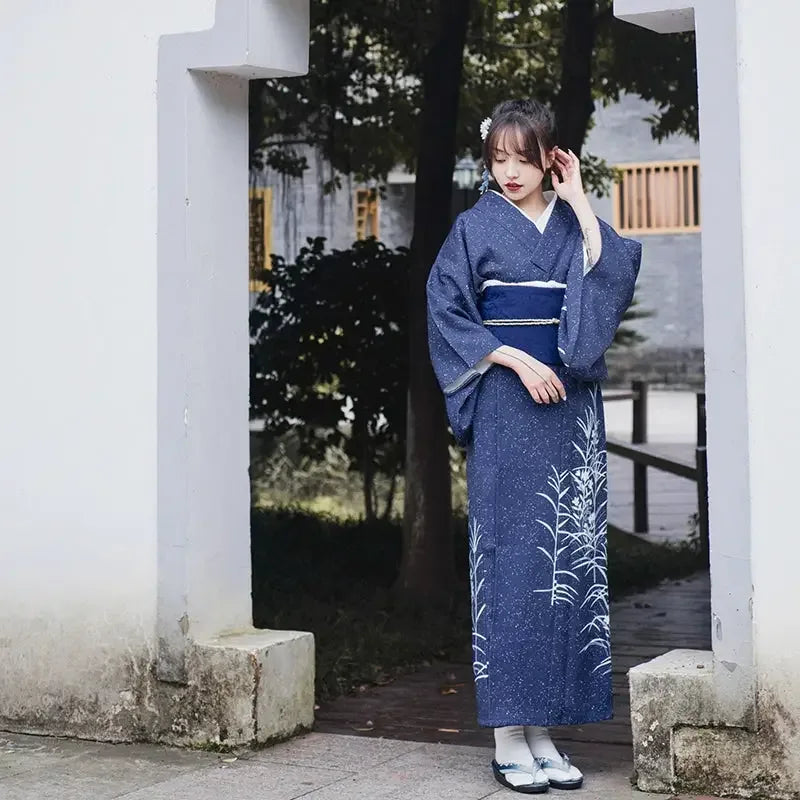
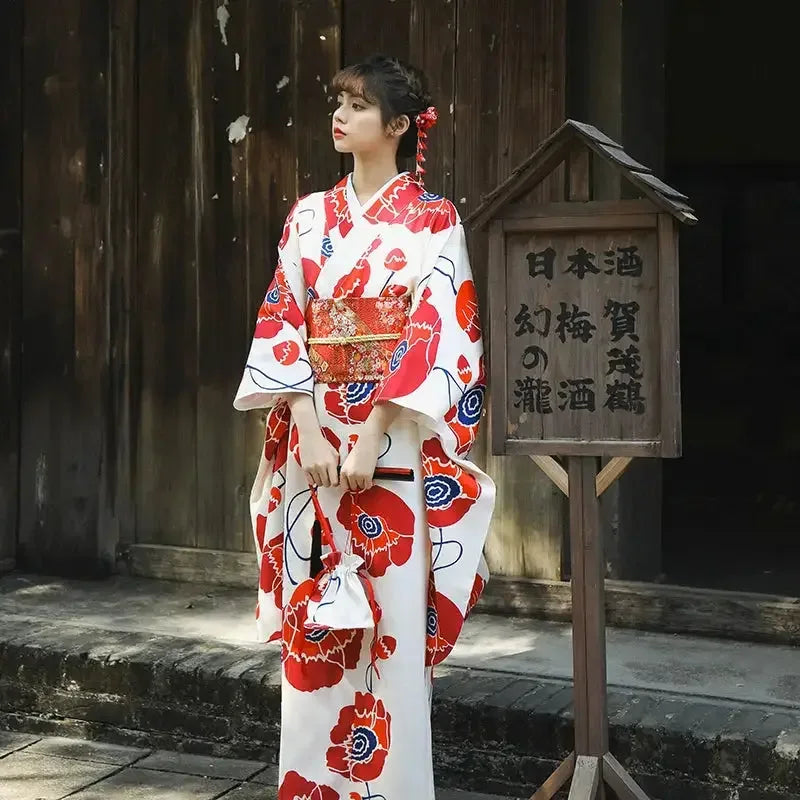
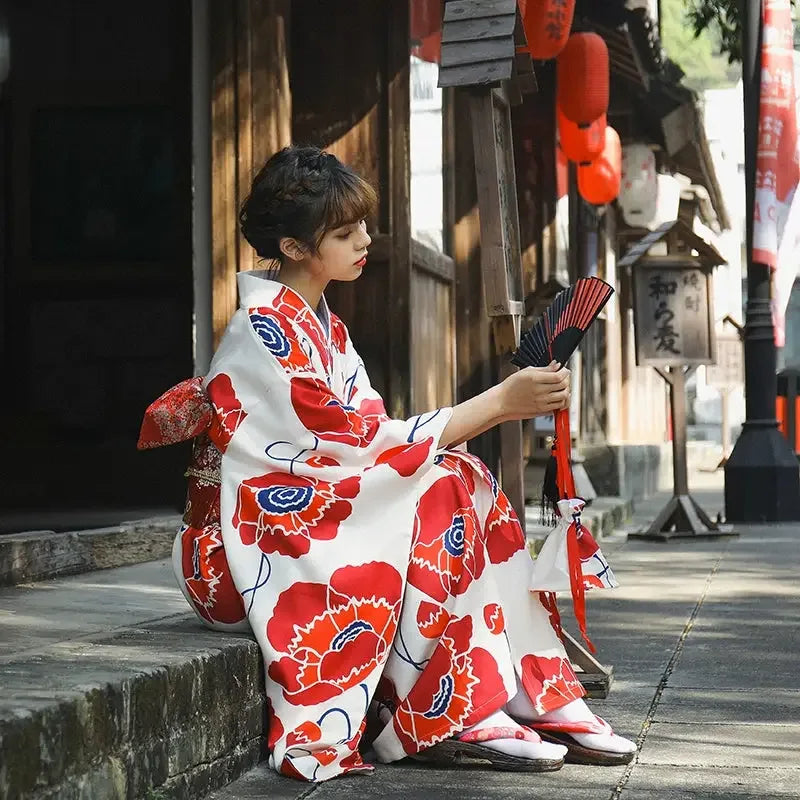
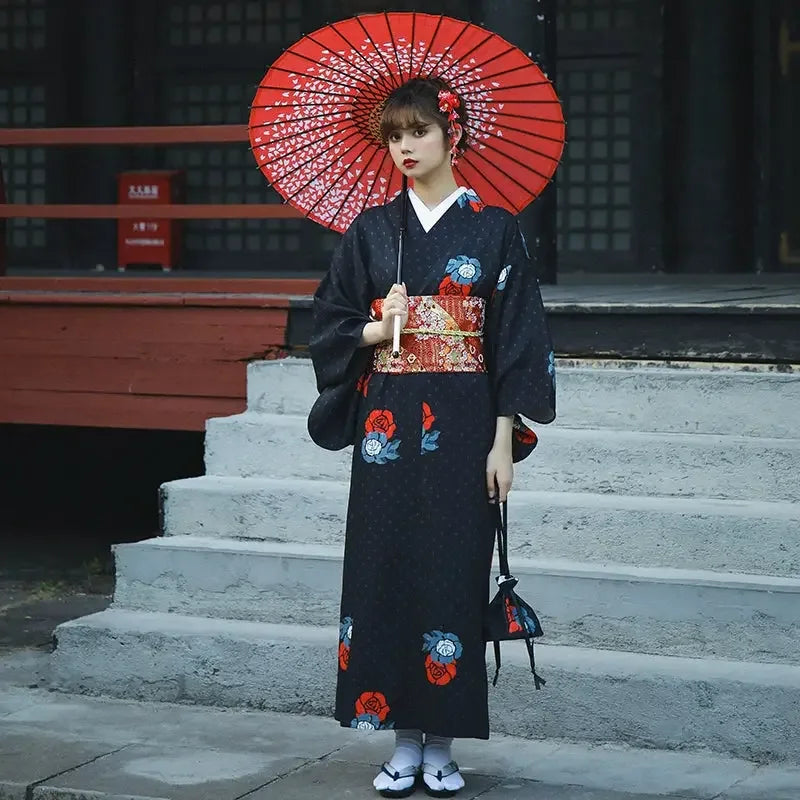
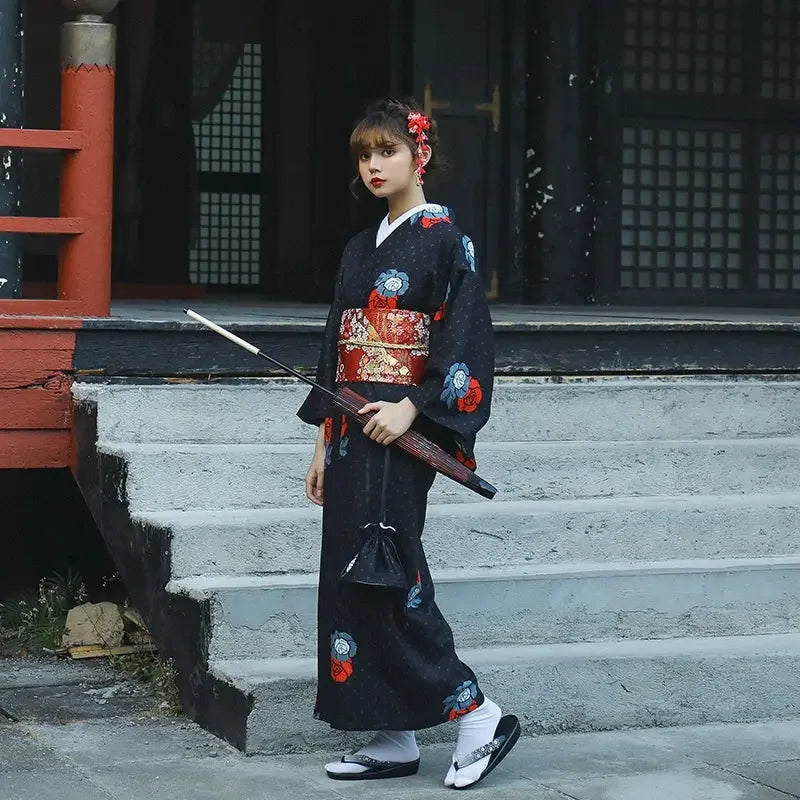
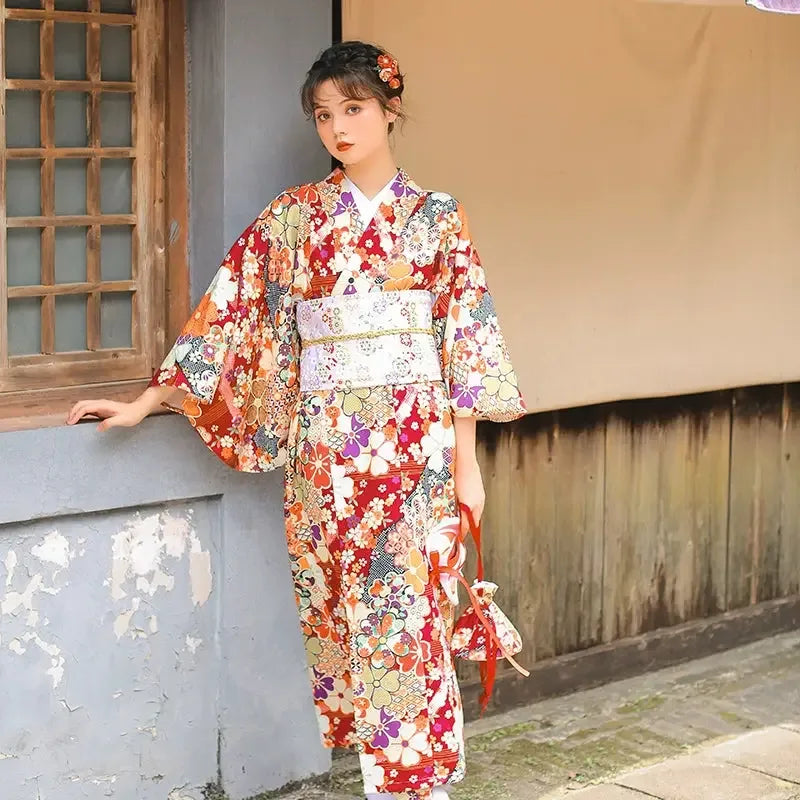

Short answer: kimono colors do not have one fixed meaning. Color is only one part of how a kimono is read; garment type, sleeve length, family crests, motifs, season, obi and occasion can matter just as much. This collection currently brings together seven red, white and blue kimono-inspired garments, including modified kimono dresses, yukata-inspired styles and one sheer lace robe.
Do kimono colors have fixed meanings?
No single color chart can explain every kimono. The Kyoto National Museum's Japanese wedding-costume guide documents both the all-white shiromuku and the black patterned hikifurisode as bridal apparel. The Metropolitan Museum of Art's Kimono Style research also explains that older kimono designs could communicate social position, marital status, age and wealth. These examples show why white is not automatically bridal, black is not automatically mourning, and red is not automatically celebratory.
How to understand color in context
- Start with the garment type: a casual yukata, long-sleeved furisode, formal tomesode, bridal outer robe and modern kimono-inspired dress can use color differently.
- Look at the complete design: crests, sleeve length, motif placement, fabric, lining and the obi can change the level of formality.
- Consider season and setting: flowers, plants, water, snow and other motifs may carry seasonal or occasion-specific associations that the ground color alone cannot establish.
- Separate cultural dress from visual styling: choosing a color because it photographs well is a personal styling decision, not proof of a universal Japanese symbolism.
Colors and products in this collection
Red, dark red and red with black or white
The current red options include a garment-only red cherry-blossom sleeve style, a white-and-red improved kimono dress, a dark-red fireworks design and a red-and-black Halloween-inspired modified kimono/yukata. They work well when you want strong contrast in portraits or stage styling, but the individual product type and selected option—not the color alone—determine whether the garment is suitable for a particular event.
White and sheer lace
The white option is a single-layer sheer lace kimono/yukata robe. Sheerness, coverage and included pieces matter more here than a general color meaning. It should not be treated as a complete shiromuku bridal ensemble simply because it is white.
Light blue and dark blue
The blue choices include a light-blue floral modified kimono/yukata dress and a darker blue vintage-style modified kimono. Use the product images to compare print scale and contrast, and check the selected variant carefully: the dark-blue listing contains inconsistent accessory wording that should be confirmed before purchase.
Check what your selected option includes
Most garments in this collection are not complete styled sets. The red cherry-blossom listing states that waist seals and other accessories are excluded. The white-and-red, red-and-black, light-blue and dark-red listings also exclude the waist seal and inner cover. Product photography may show styling pieces that are not part of the selected option, so use the variant title and product details as the purchase record.
Fit, length and movement
Several current products use height-based S and M options rather than a conventional international size run, while the red cherry-blossom garment uses S through L with height bands. Compare your height with the listed range, then check garment length, sleeve length and body measurements where provided. For photography or performance, also consider sleeve clearance, walking room and whether a separate waist layer is needed to hold the silhouette.
Frequently asked questions
Is a white kimono always a wedding kimono?
No. A formal white shiromuku is a specific bridal ensemble, not a label for every white robe or kimono-inspired garment.
Does black always mean mourning?
No. Black appears in more than one Japanese dress context, including formal and bridal garments as well as mourning dress. Garment construction, crests, motifs and the complete ensemble provide the necessary context.
Are all products here traditional formal kimono?
No. The current assortment is mainly modified kimono dresses and yukata-inspired garments. If you need dress for a formal Japanese ceremony, verify the required garment type and etiquette with the event host or a qualified kimono dresser.
Where can I browse a specific color?
Compare Red Kimono, Blue Kimono, Pink Kimono and Floral Kimono, or see the wider Traditional Japanese Kimono Clothing guide.
Shipping and order timing
Yandan Hanfu offers free worldwide shipping, with import duties included. Ready-stock items are normally dispatched within 3–5 days; made-to-order or preorder items typically need about 3–4 weeks before dispatch. Processing and transit are separate, so choose early for a dated event and do not treat a dispatch estimate as a guaranteed arrival date.