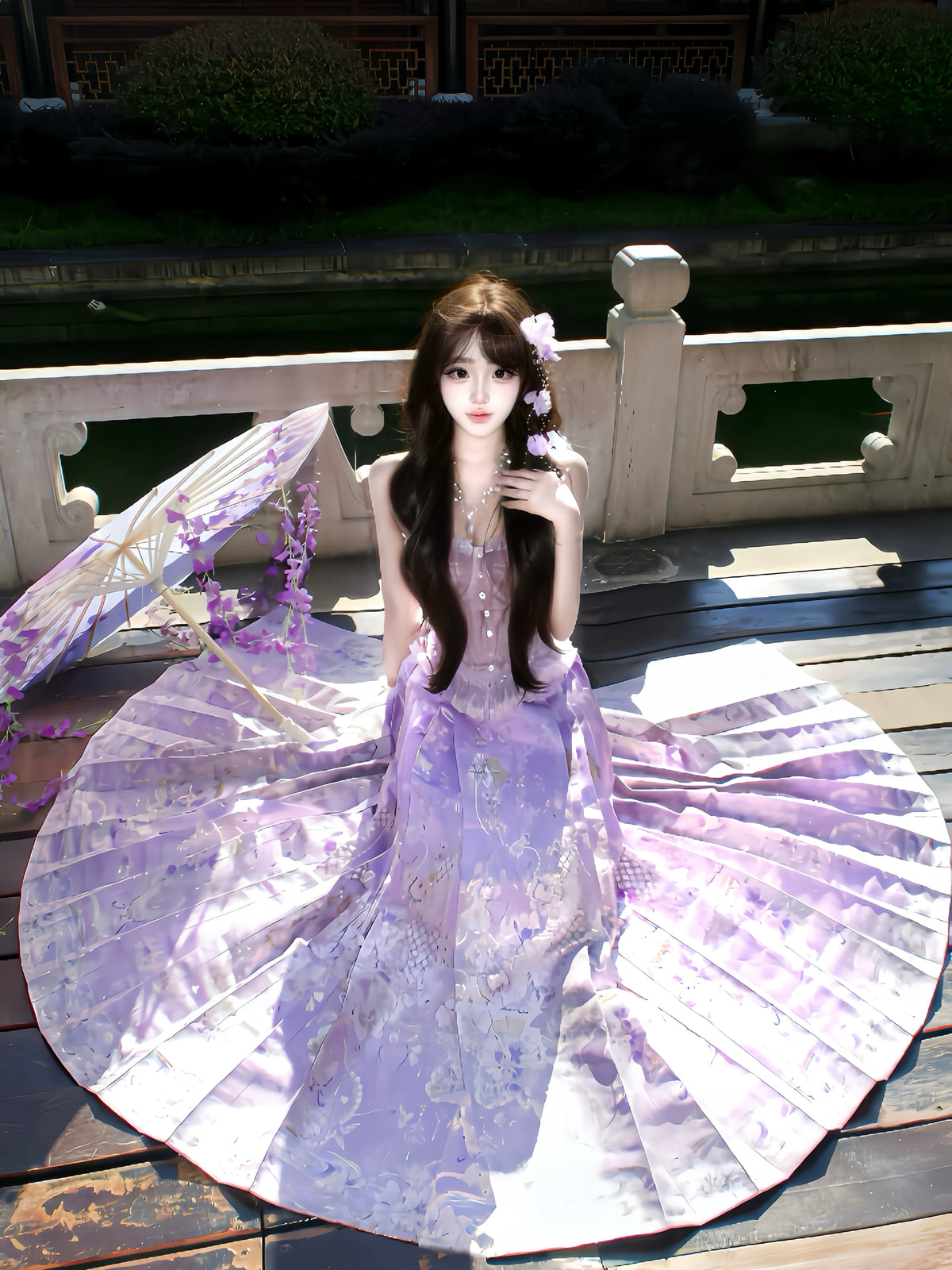
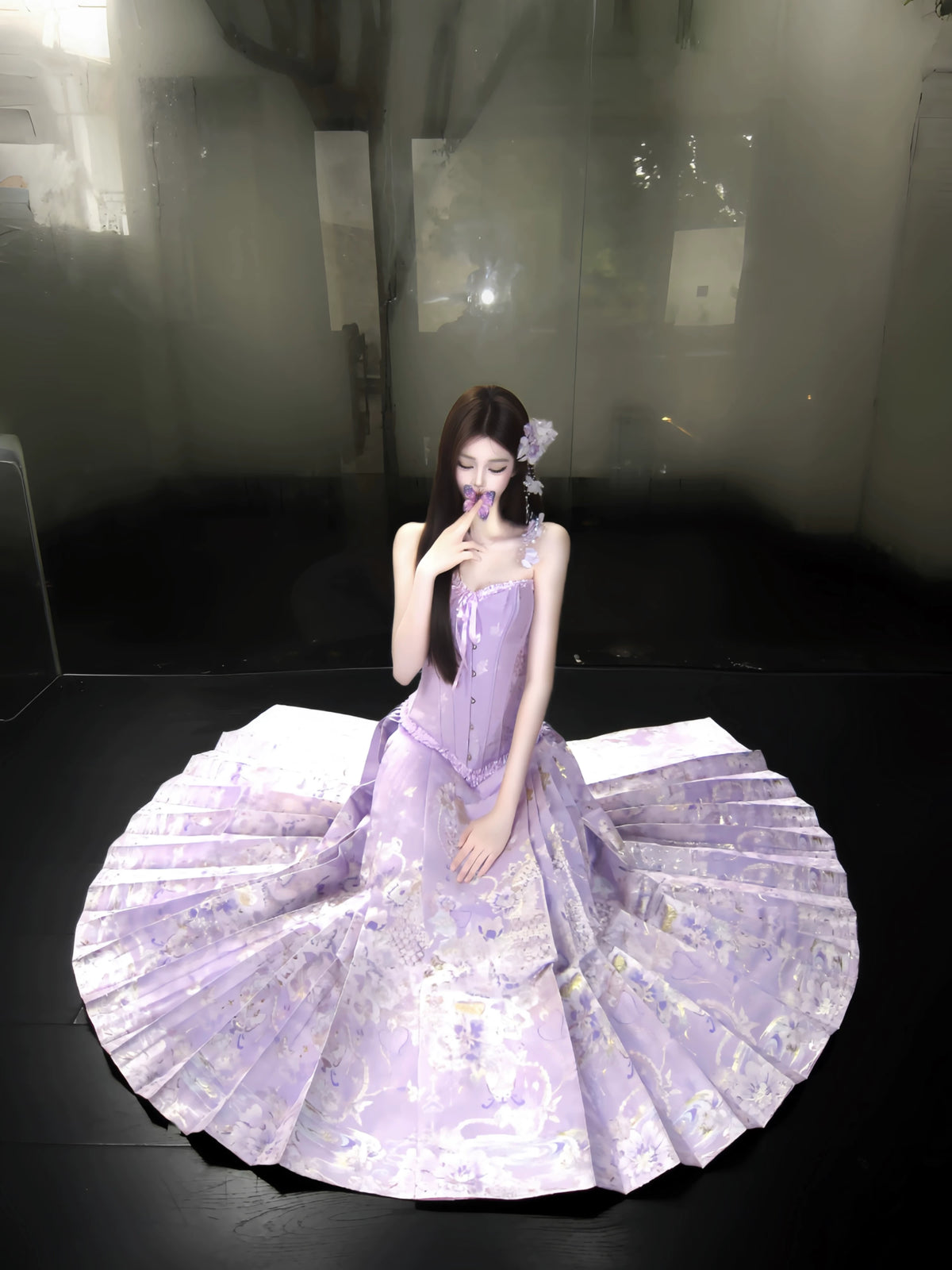
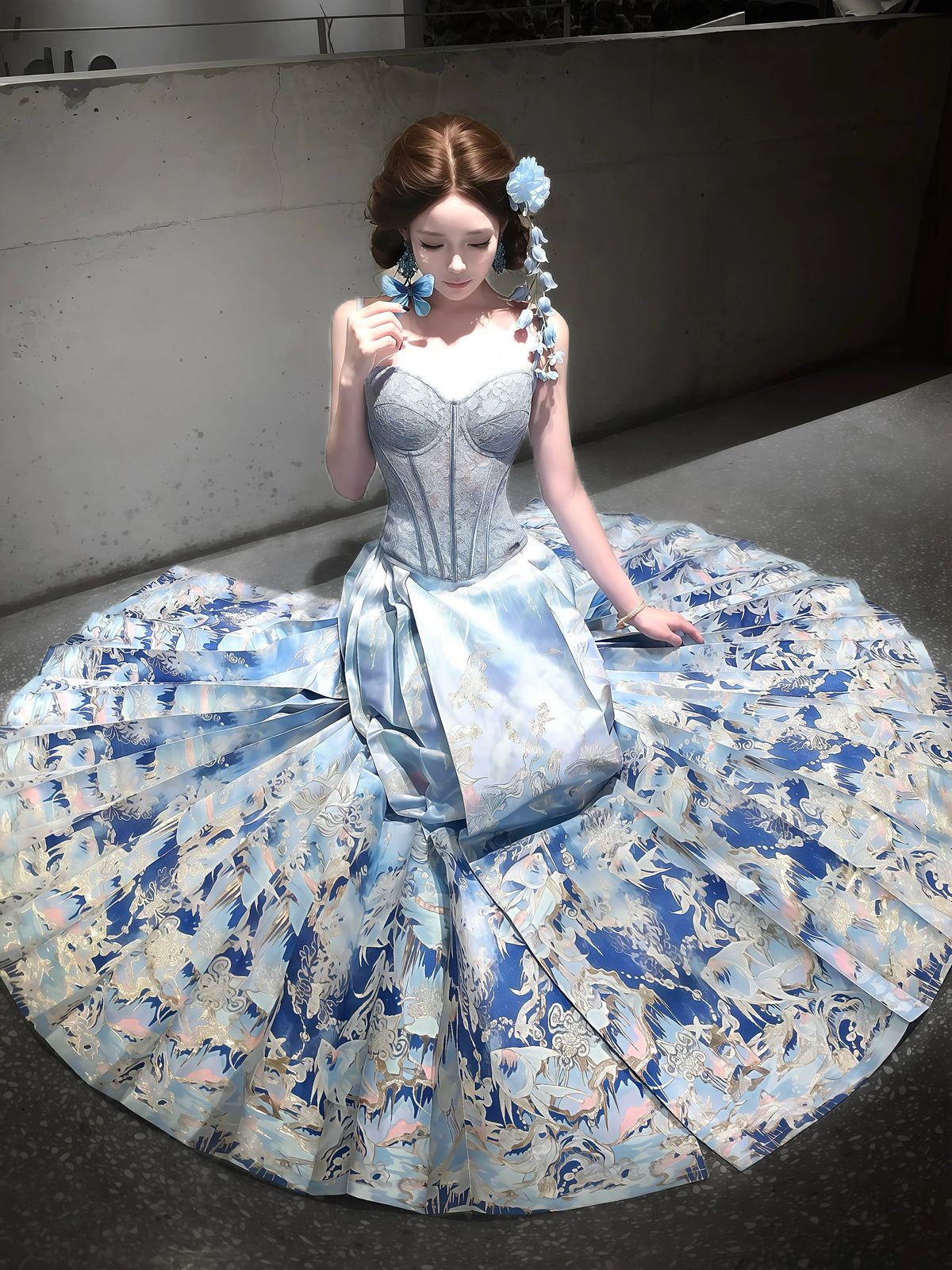
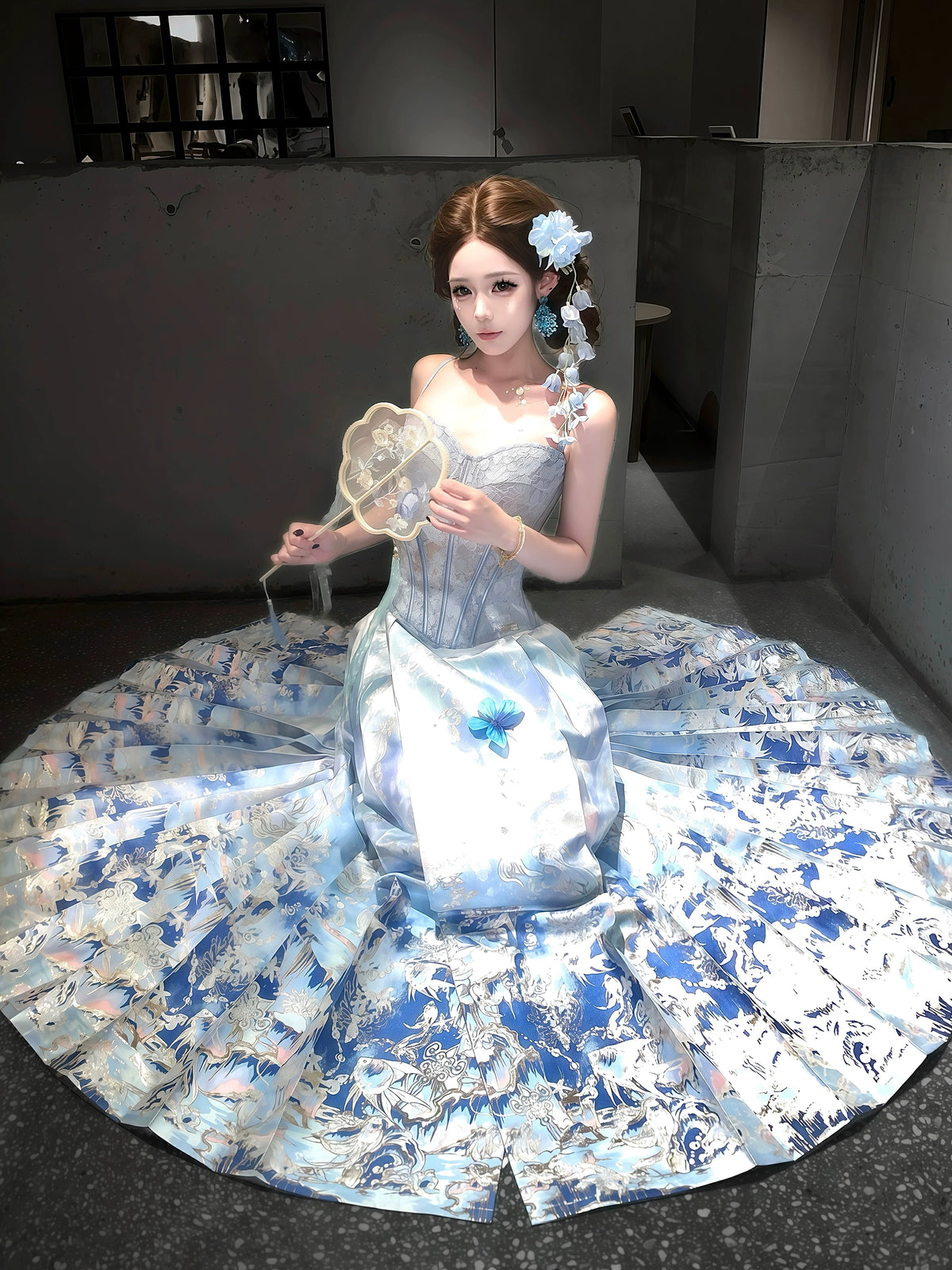
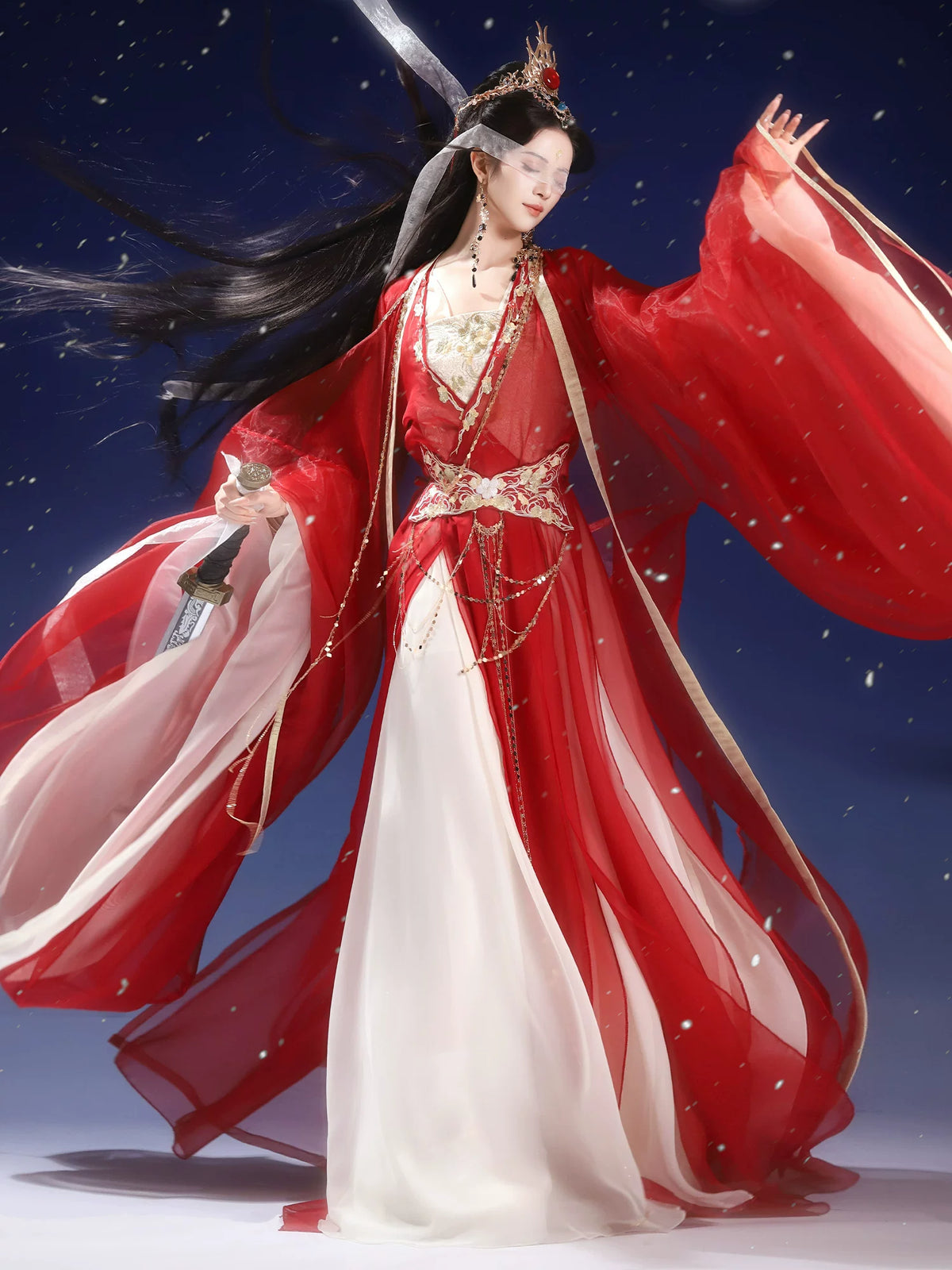
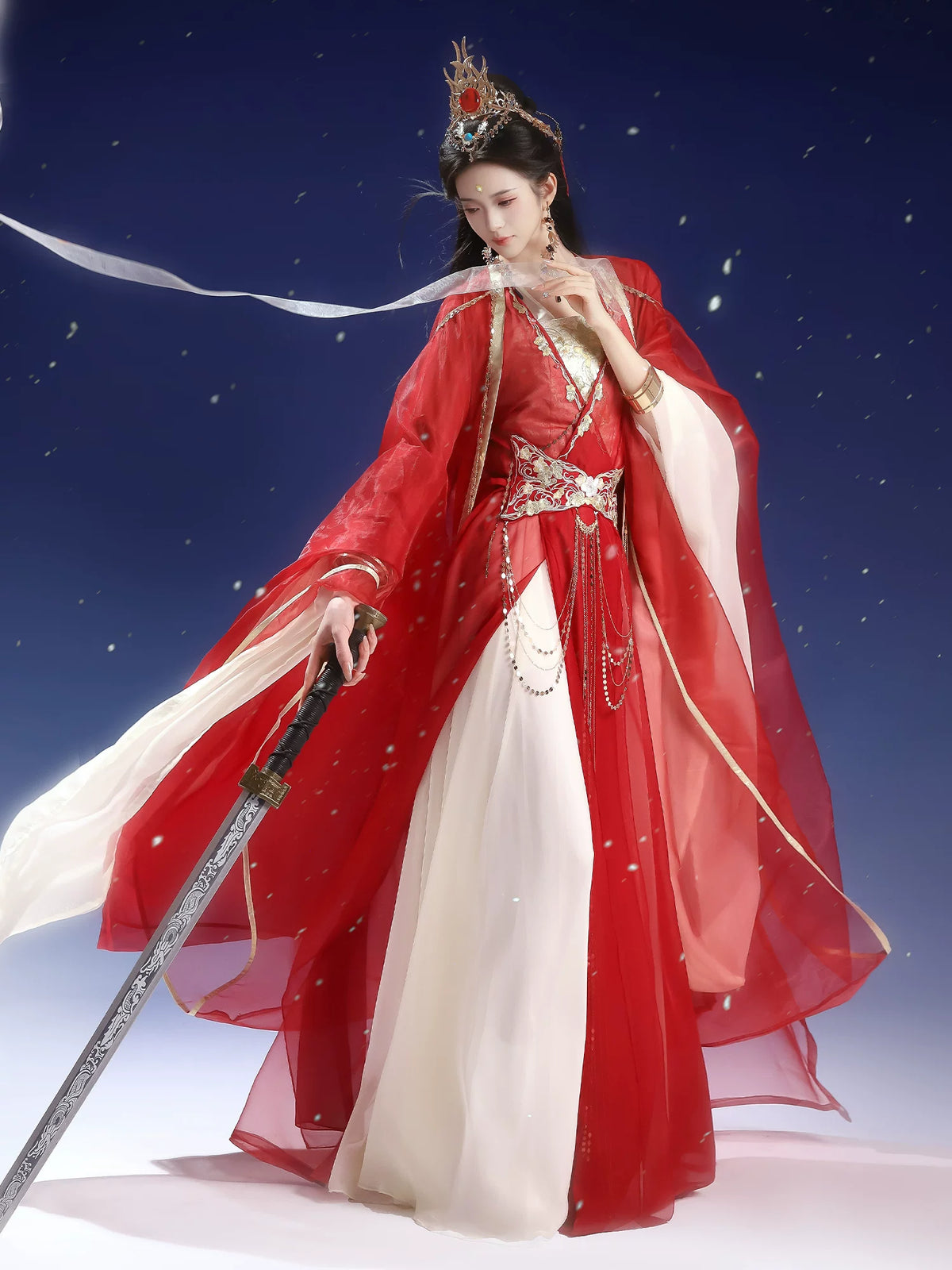
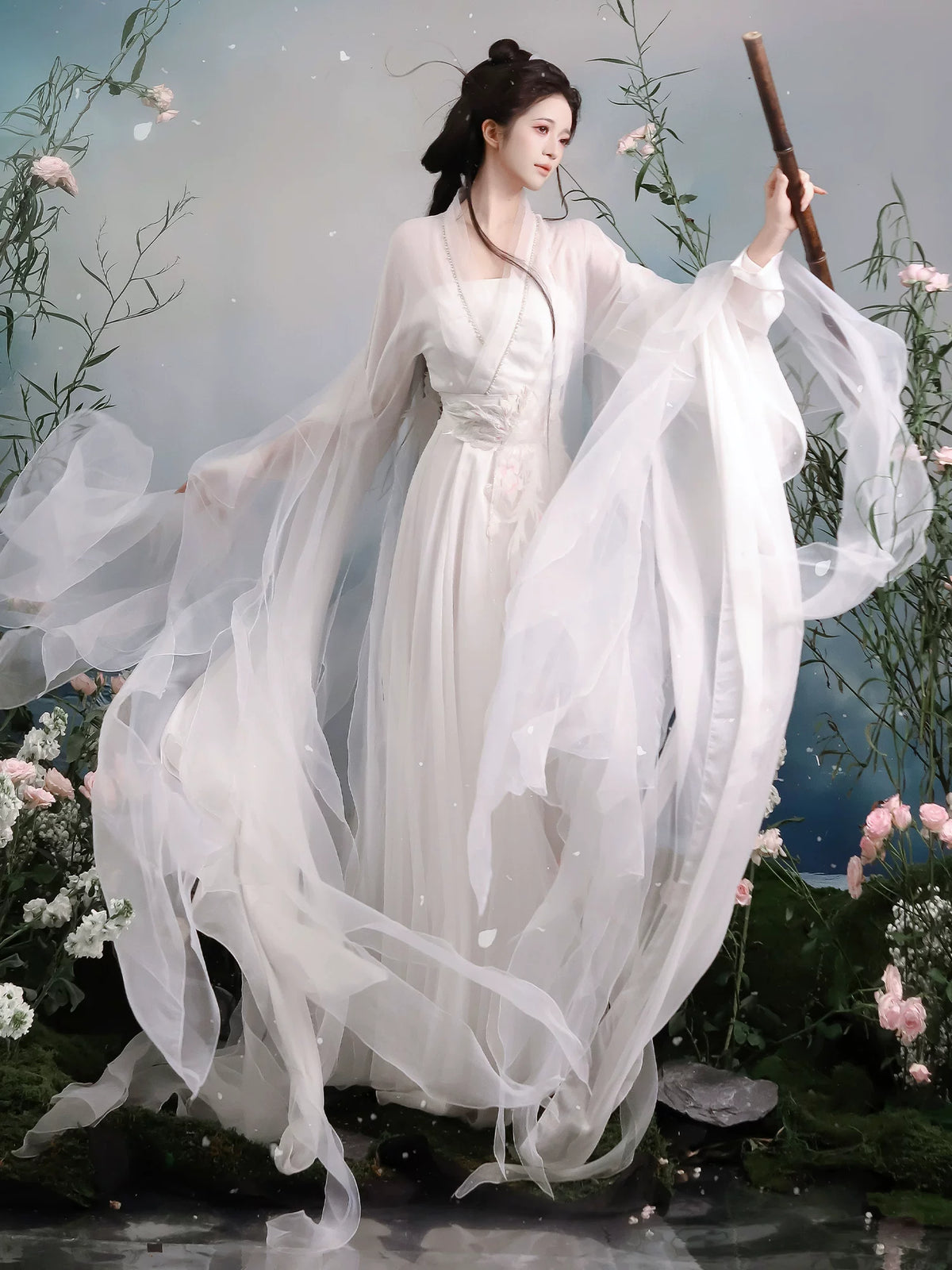
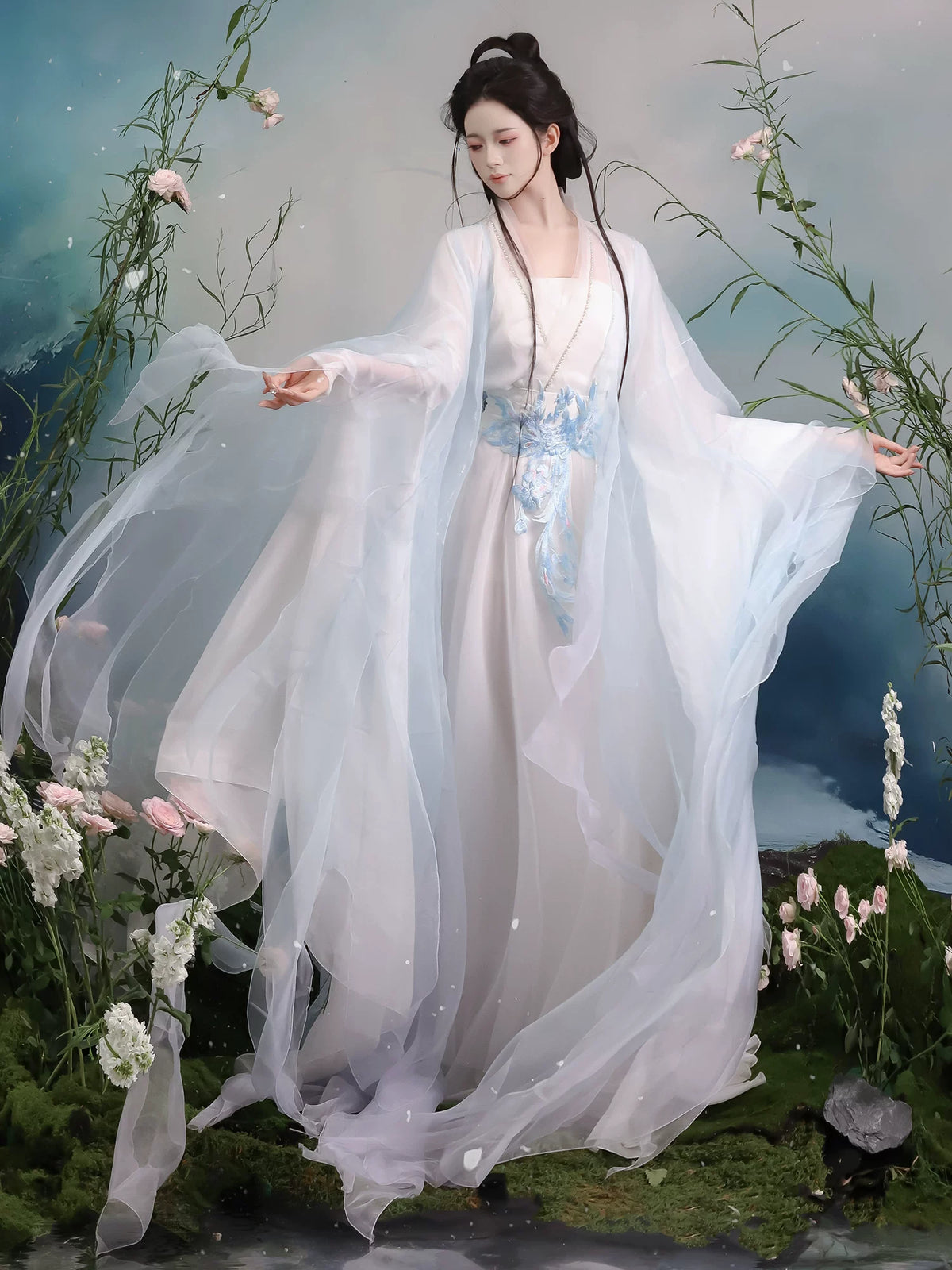
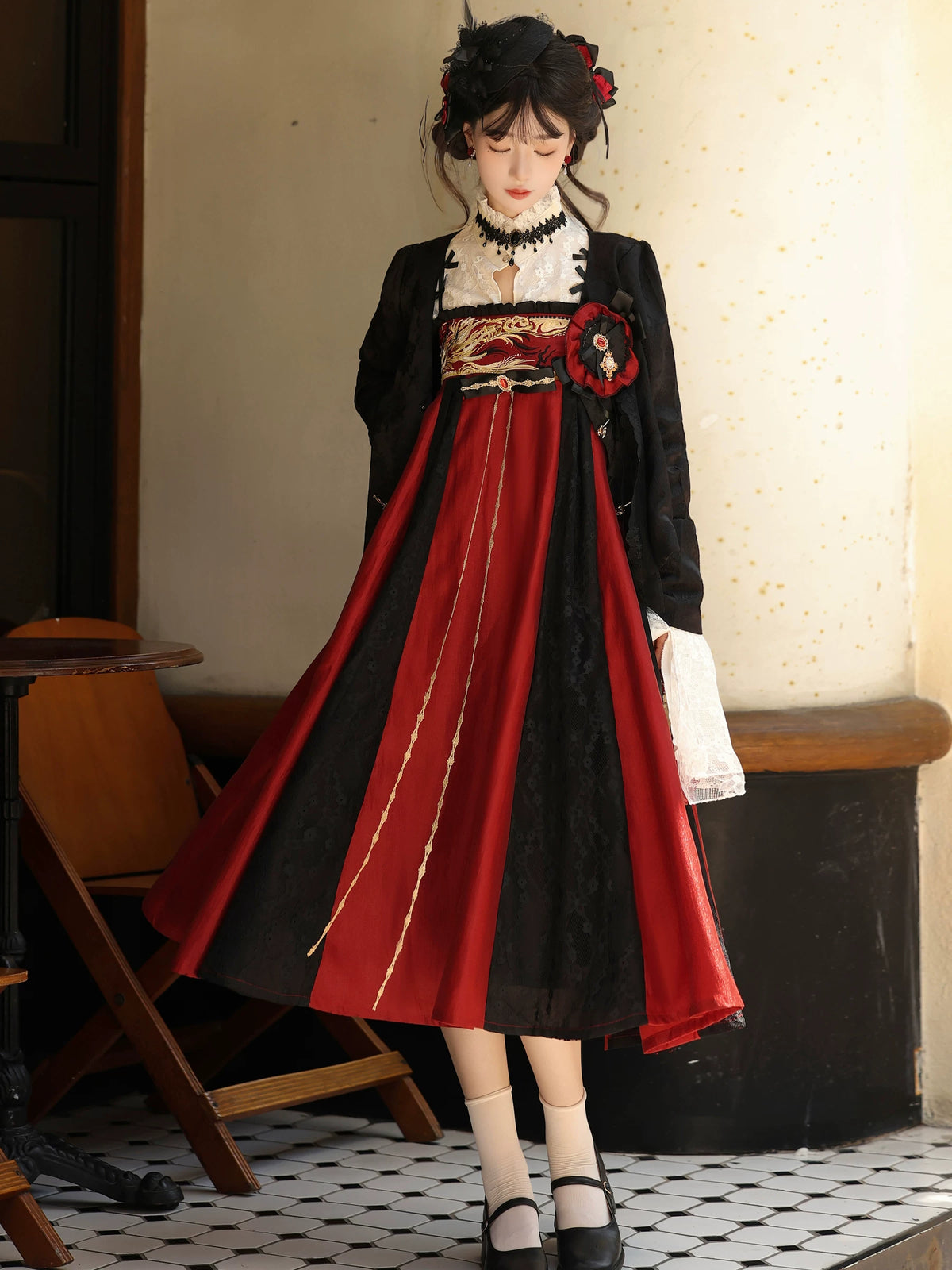
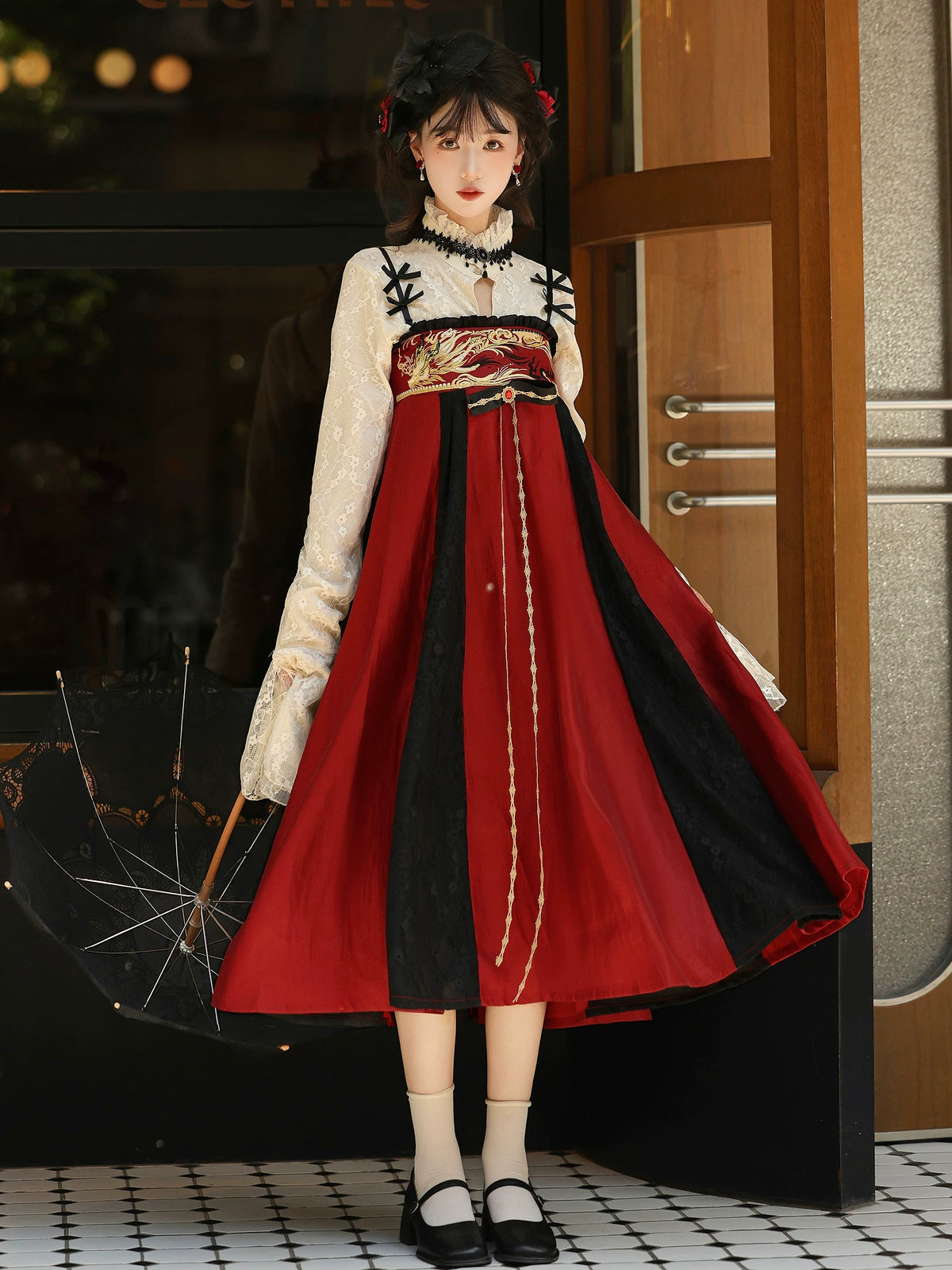
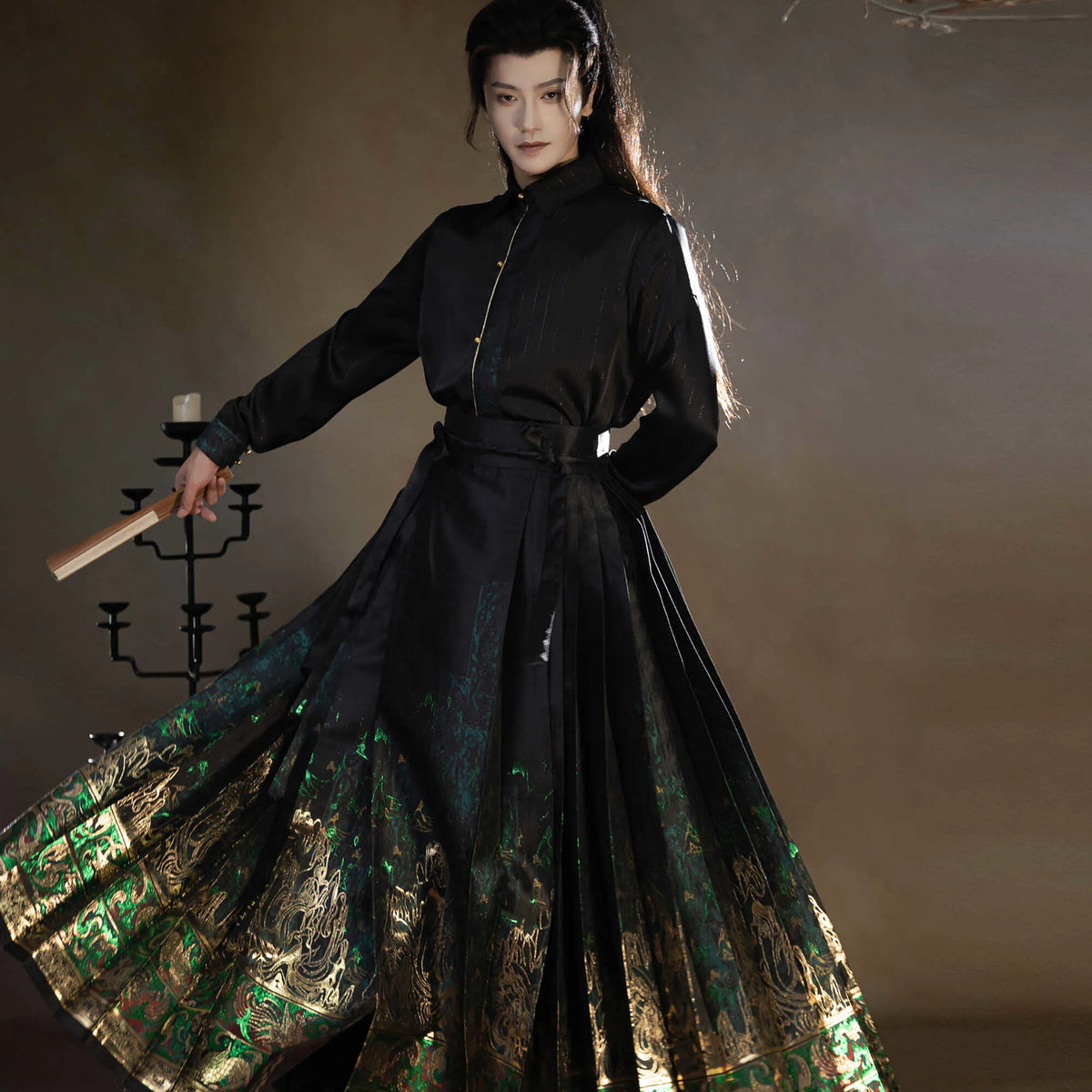
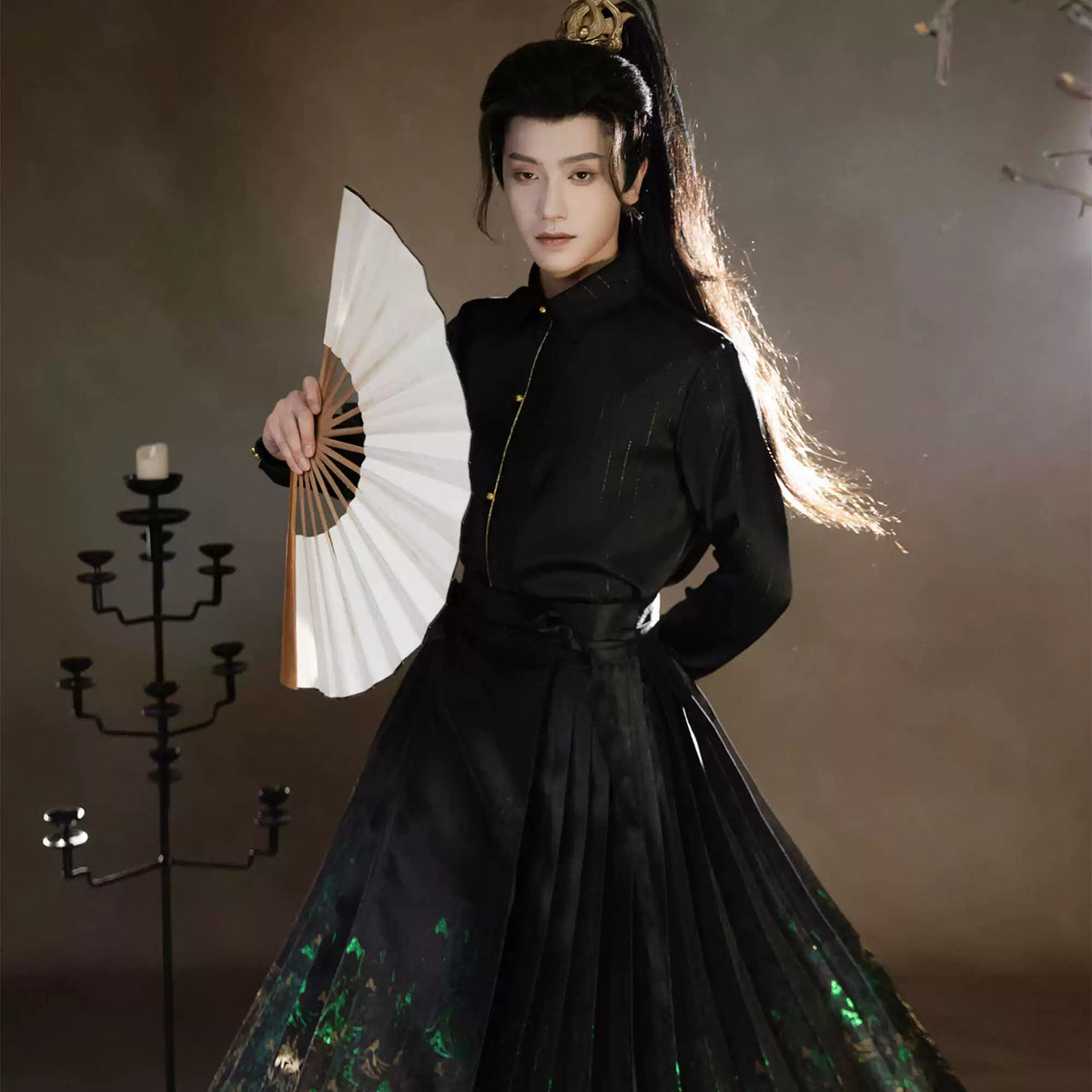
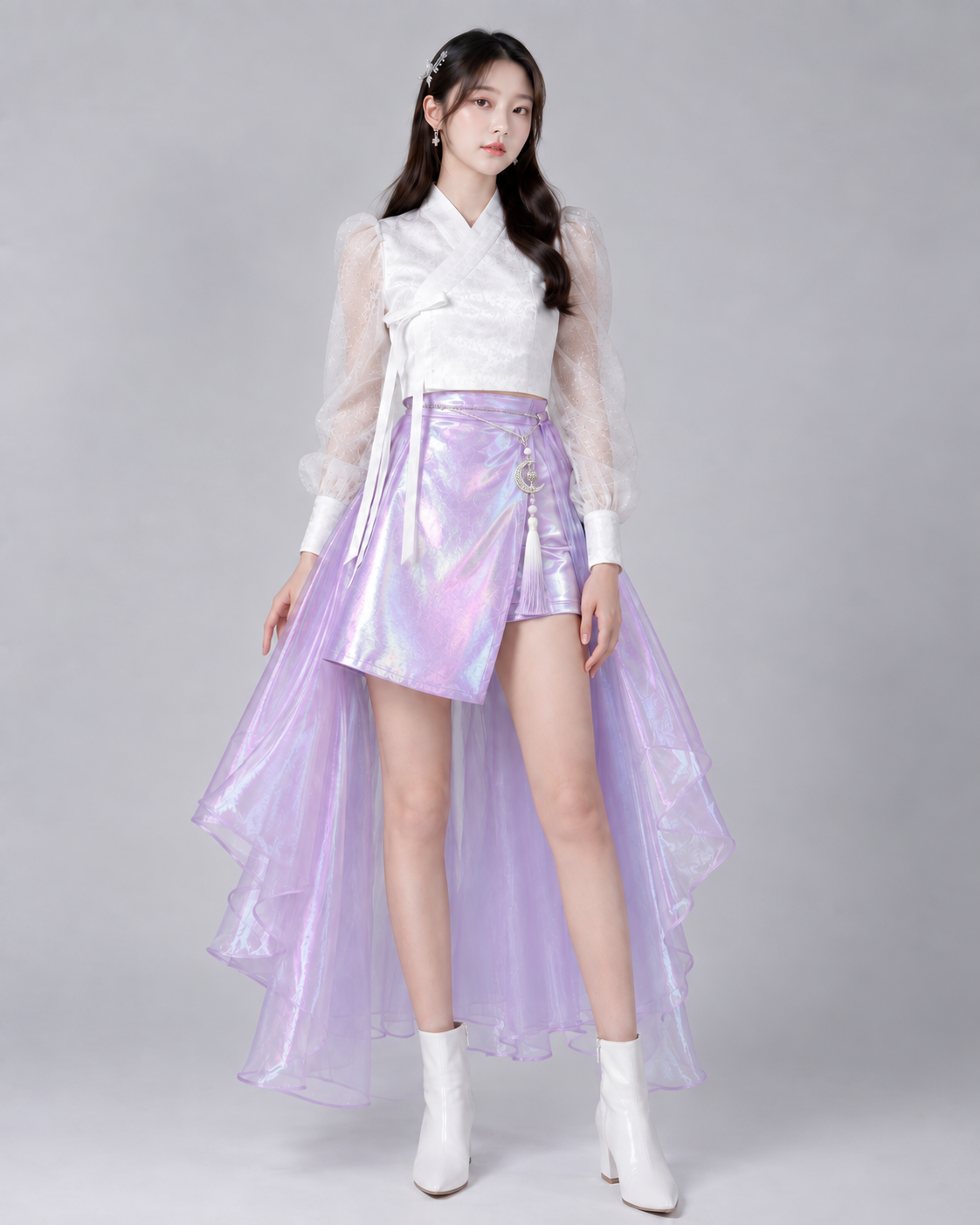
This guide walks you through everything: what hanbok is made of, how to put it on step by step, how to style it for different occasions, and how to choose your first set. Browse our full Hanbok collection to find your perfect style.
What Is Hanbok?
Hanbok (한복) is the traditional dress of Korea, worn for over a thousand years across ceremonies, court life, and everyday occasions. Its defining features are the short, wrap-style jeogori jacket and the high-waisted chima skirt for women — a silhouette that is both modest and deeply elegant.
Today, hanbok exists on a spectrum from strictly traditional court dress to contemporary traditional and modern hanbok styles that blend Korean aesthetics with modern cuts, fabrics, and proportions.
The Main Parts of a Hanbok
- Jeogori (저고리) — The short upper jacket with long sleeves and a wrap front. The collar (git) and cuffs (hansam) are often in a contrasting colour.
- Chima (치마) — The full, high-waisted skirt that wraps around the body and ties at the chest. It creates the iconic bell-shaped silhouette.
- Goreum (고름) — The long ribbon ties attached to the jeogori, tied into a bow at the front.
- Norigae (노리개) — A decorative pendant hung from the goreum, adding colour, movement, and cultural meaning.
- Beoseon (버선) — Traditional white socks with a slightly upturned toe.
- Durumagi (두루마기) — An outer coat worn over the jeogori and chima for formal occasions.
- Baji (바지) — Loose, wide-legged trousers worn by men.
How to Wear Hanbok — Step by Step
Inner Layers
Start with a fitted inner slip or underskirt (sokchima) beneath the chima. This gives the outer skirt its shape and ensures you can move comfortably. A smooth, fitted camisole or thin long-sleeve top works well under the jeogori. Avoid anything bulky.
Put On the Chima
Wrap the chima around your body from the back. The top edge should sit at chest height — higher than you might expect. This high waistline creates the graceful, elongated silhouette hanbok is known for. Secure the ties firmly. The skirt should fall naturally to the floor with a gentle flare.
Put On the Jeogori
The shoulder seams should sit exactly at the edge of your shoulders — not drooping, not pulling. The collar (git) should lie flat and clean against your neck. The bottom hem of the jeogori should overlap the top of the chima slightly, covering the tie.
Tie the Goreum Bow
This is the detail that makes or breaks the look. The goreum consists of two ribbon ties — one shorter, one longer — attached to the right side of the jeogori collar.
- Cross the longer ribbon over the shorter one.
- Loop the longer ribbon underneath and pull through to create a basic knot.
- Form a loop with the longer ribbon (this becomes the top loop of the bow).
- Wrap the shorter ribbon around the base and pull through to form the second loop.
- Adjust both loops so they are even and the bow sits flat against the chest, slightly left of centre.
Add Accessories
Attach a norigae to the goreum or left side of the jeogori. Add hair accessories — binyeo, floral headpiece, or pearl clips. Choose shoes (see below). A silk clutch or folding fan completes a formal or photoshoot look.
How to Style Hanbok for Different Occasions
🏯 Palace Photoshoot
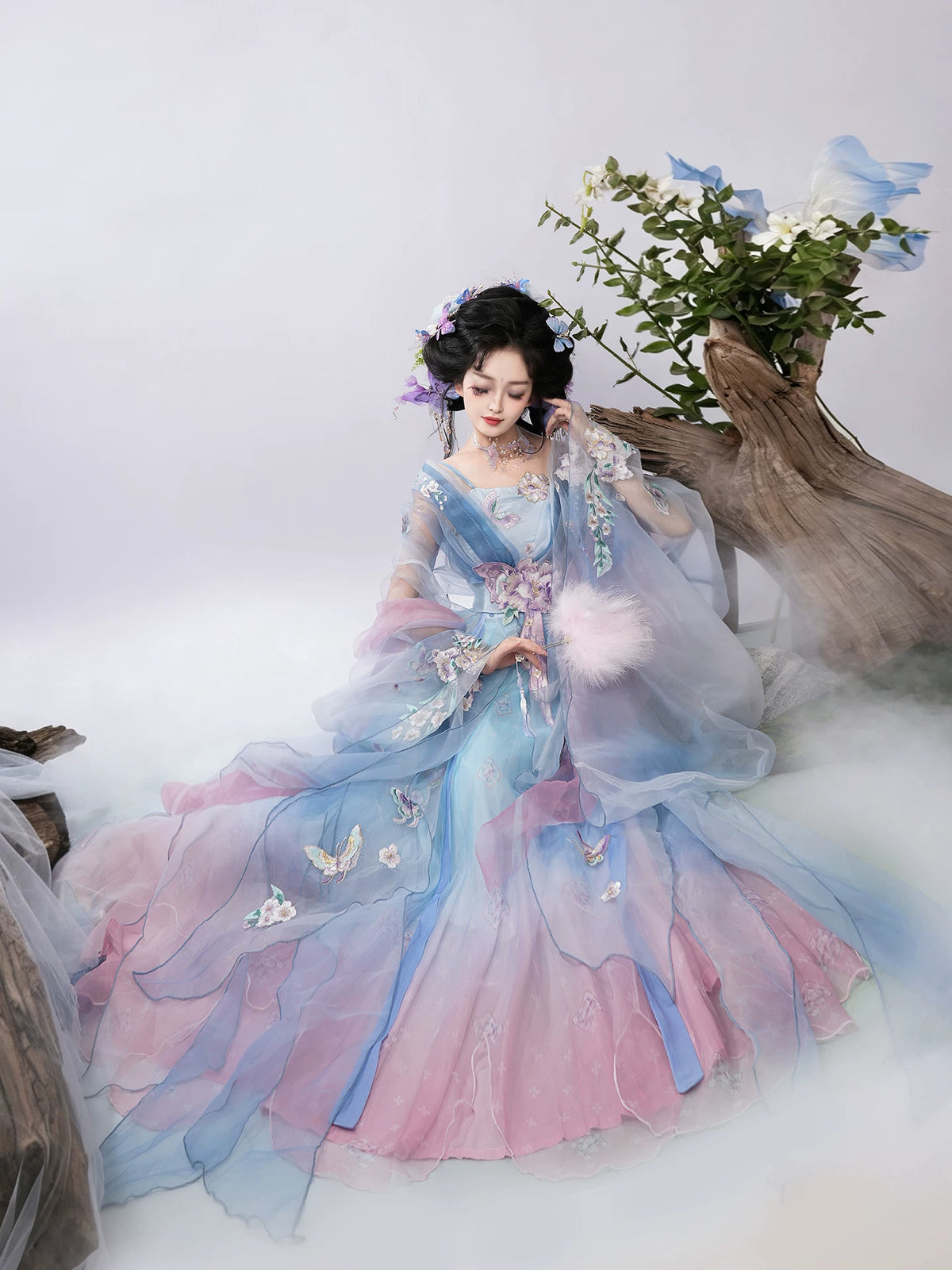
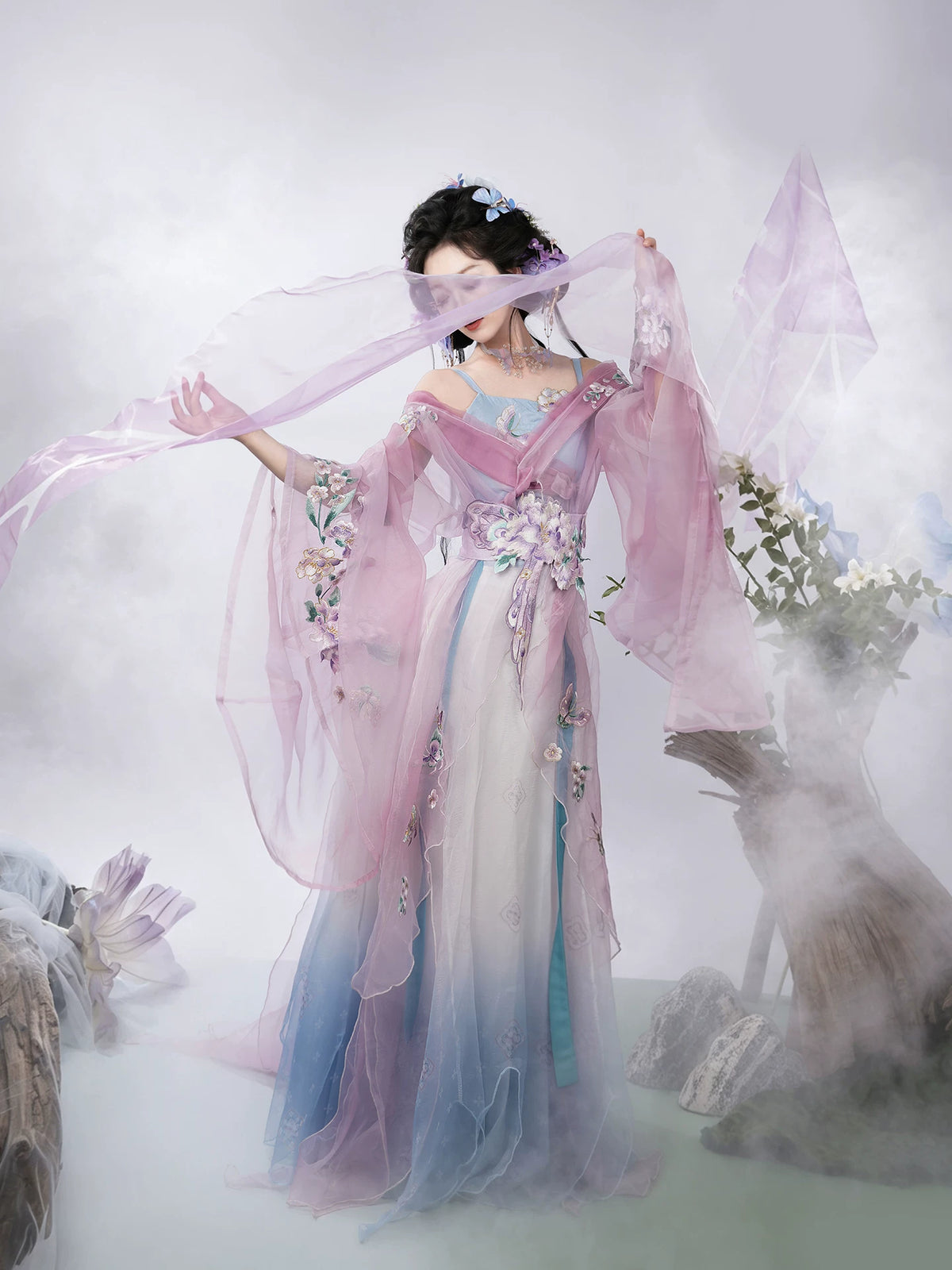
Lean into soft, low-saturation colours: powder pink, ivory, sky blue, pale lavender. Choose a chima with gentle volume and a jeogori with delicate embroidery or sheer fabric. A floral headpiece or binyeo completes the classical aesthetic.

Women's Hanbok | Pink Sheer Jeogori & White Fluffy Chima — Shop Now →
💍 Wedding or Formal Event
Choose richer fabrics: satin, jacquard, or silk-blend with gold embroidery. Deep jewel tones — navy, burgundy, forest green — or classic ivory signal formality. A durumagi coat adds ceremony. Accessories should be restrained but high quality.

Floral Lace Embroidered Bridal Hanbok with Pearl Accents — Shop Now →
✈️ Travel & Cultural Festival
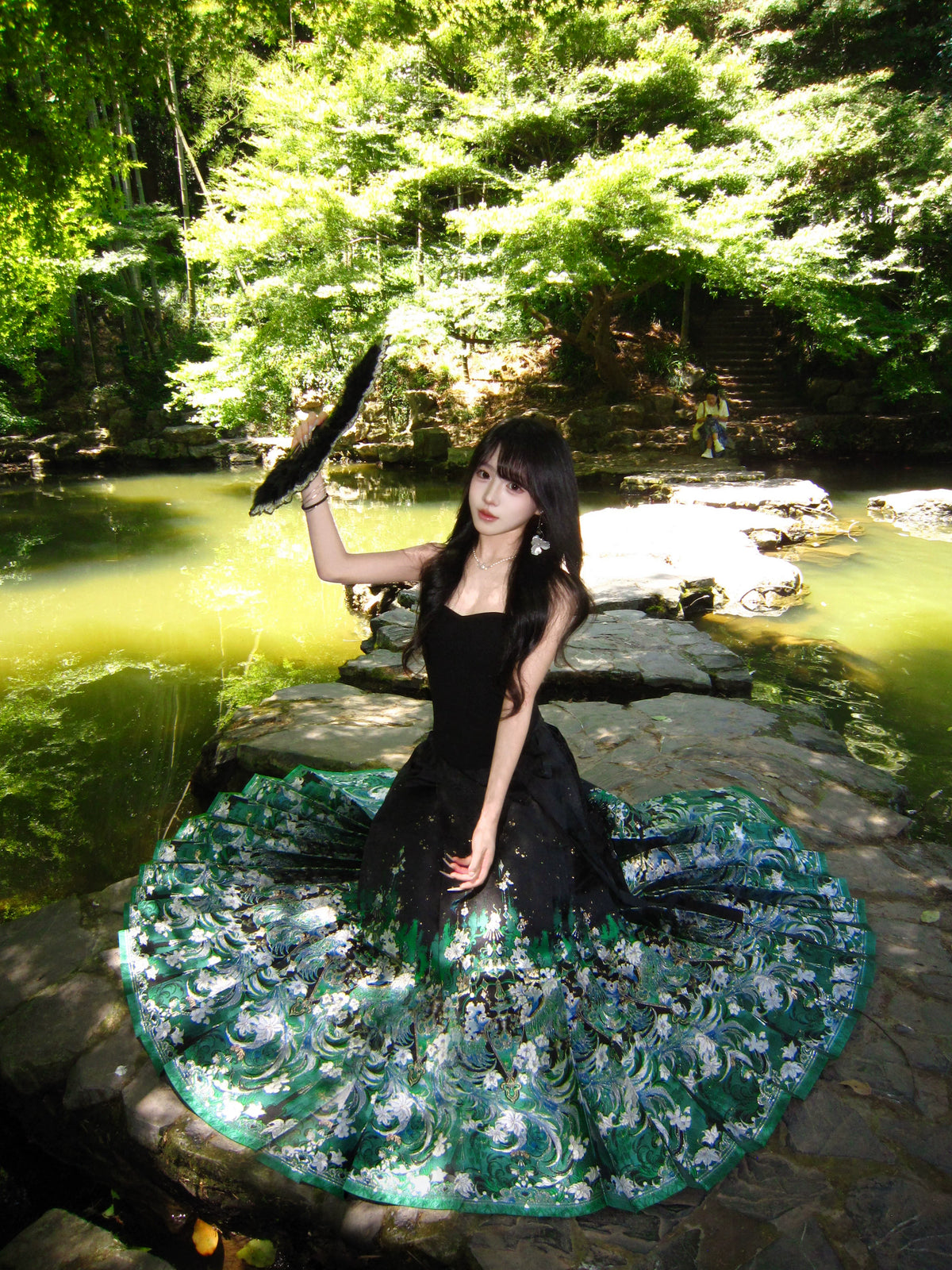
Comfort matters. Choose lightweight fabrics, a chima length that doesn't drag, and flat shoes you can walk in for hours. A modern hanbok set with a shorter skirt or cropped jeogori is ideal.
🌿 Everyday Modern Styling
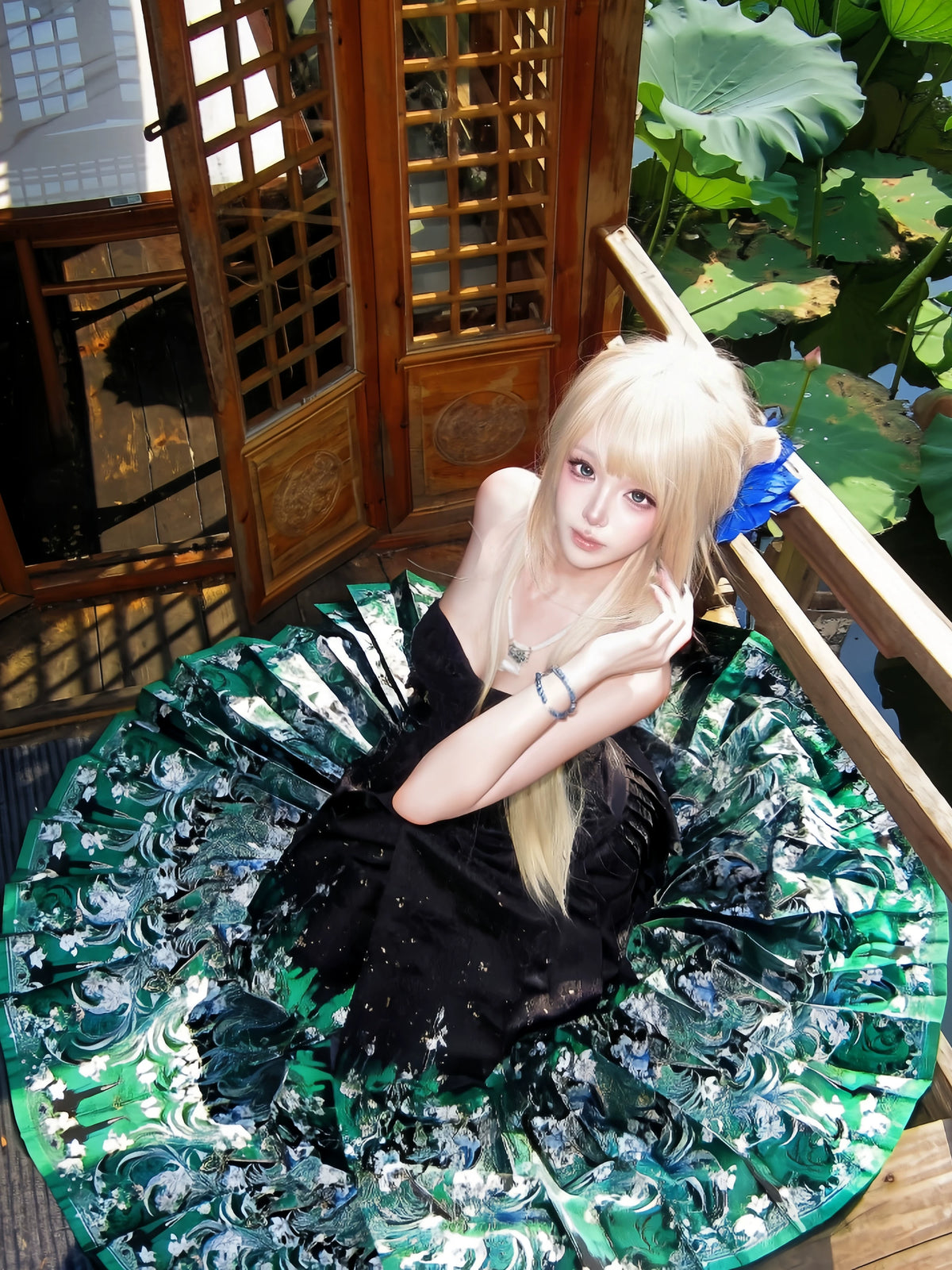
A jeogori over wide-leg trousers, a chima paired with a fitted knit top, or a modern hanbok jacket over jeans — these combinations are increasingly popular in Korean street style. Keep proportions balanced. See our Modern Hanbok guide for more inspiration.
What Shoes to Wear with Hanbok
- Traditional hye (혜) — Embroidered silk shoes with a slightly upturned toe. Most authentic for formal hanbok.
- Mary Jane flats — A popular modern choice that echoes the rounded toe of traditional hye.
- Ballet flats — Clean, minimal, comfortable. Work with both traditional and modern hanbok.
- Low block heels — Add height without compromising stability. Good for weddings.
- Loafers — Work well with modern hanbok sets, especially with trousers or a shorter chima.
- Ankle boots — Can work with modern hanbok in casual or street-style contexts.
Hairstyle & Makeup Tips
Hairstyles:
- Traditional updo (eotgeori or chignon) — Most formal. Secured with a binyeo hairpin. Ideal for weddings and court-style photoshoots.
- Half-up, half-down — Elegant and versatile. Add a floral clip or pearl pin at the crown.
- Low ponytail or bun — Clean and understated. Good for travel and everyday modern styling.
- Loose waves — Works well with modern hanbok for a softer, contemporary look.
Makeup: Focus on a smooth base, gentle blush on the cheeks and nose, and a natural lip — dusty rose, coral, or soft red. Avoid heavy contouring or dramatic eye makeup, which can clash with the delicate aesthetic of the fabric. For modern hanbok, a bold lip or graphic liner can work beautifully.
Common Mistakes to Avoid
- Wearing the chima too low — It should sit at chest height, not the natural waist.
- Tying the goreum too thick or too loose — A sloppy bow reads as unfinished.
- Wearing the wrong shoes — Chunky or casual footwear breaks the visual harmony.
- Over-accessorising — One or two accessories are enough.
- Ignoring skirt length — Aim for just above the floor or ankle-length.
- Choosing the wrong silhouette for your body — See our Hanbok Dress body type guide for detailed advice.
Traditional vs Modern Hanbok
| Traditional Hanbok | Modern Hanbok | |
|---|---|---|
| Silhouette | Full chima, long jeogori, floor-length | Shorter skirts, cropped tops, varied cuts |
| Fabric | Silk, ramie, satin, jacquard | Cotton, chiffon, tulle, blended fabrics |
| Best for | Weddings, ceremonies, palace photoshoots | Travel, festivals, everyday styling |
| Accessories | Norigae, binyeo, beoseon, traditional hye | Minimal or mixed with contemporary pieces |
| Ease of wear | Requires more care with layering and tying | Generally easier to put on and move in |
Not sure which is right for you? Our Modern Hanbok guide breaks down the differences in detail.
How to Choose Your First Hanbok
- Occasion first — Photoshoot, wedding, festival, or everyday? This determines traditional vs modern.
- Colour — Pastels (pink, lavender, sky blue, ivory) are the most versatile and photogenic. Jewel tones are more formal.
- Fit — Pay attention to shoulder width for the jeogori. Most chima are adjustable at the tie.
- Fabric — Lightweight chiffon or tulle for photoshoots and travel; satin or jacquard for formal events.
- Embroidery — More embroidery = more formal. A simple, clean jeogori is more versatile.
For body-type specific advice, see our Hanbok Dress body type guide.
Recommended Hanbok Styles from Yandan Hanfu


FAQ
Before buying the Hanbok you plan to wear
For the jacket-and-skirt outfits discussed in this guide, compare the women's Hanbok collection. For men's outfit options, visit the men's Korean Hanbok collection. Follow the measurements and wearing instructions for the specific garments you choose.
Are the inner skirt, norigae and hair accessories included?
Styling instructions describe how an outfit can be worn; they do not establish what comes with a purchase. Check the contents of your selected product option for the jeogori, chima, inner skirt and any accessories. If a photographed piece is not identified in that option, confirm whether it is included before ordering.
What should I confirm before ordering Hanbok for an overseas event?
Check the garment measurements, selected pieces and product-specific processing information. Yandan offers free worldwide shipping with import duties included. Processing and transit are separate; use the shipping policy and contact us with your destination and event date to check timing before purchase.