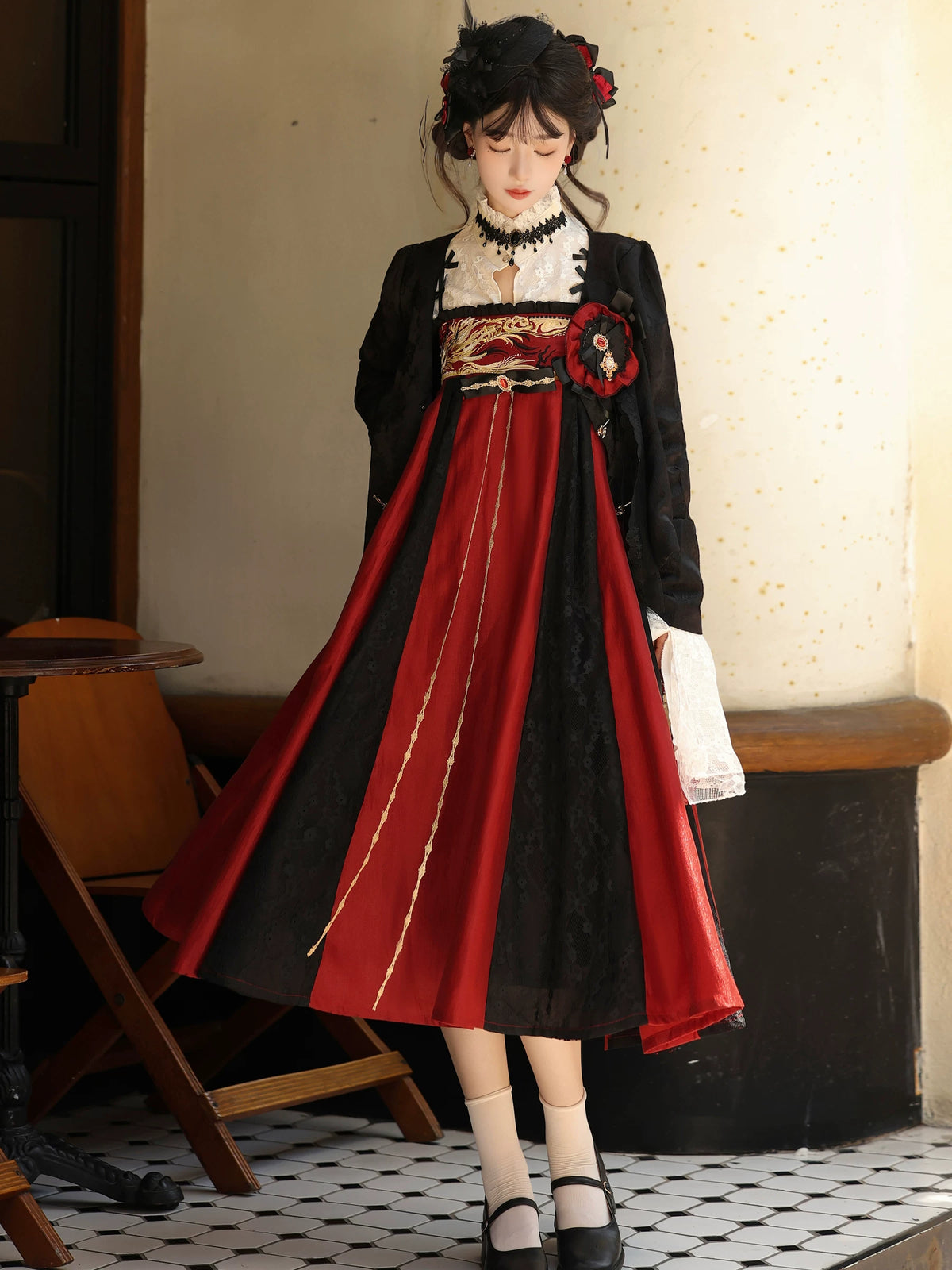
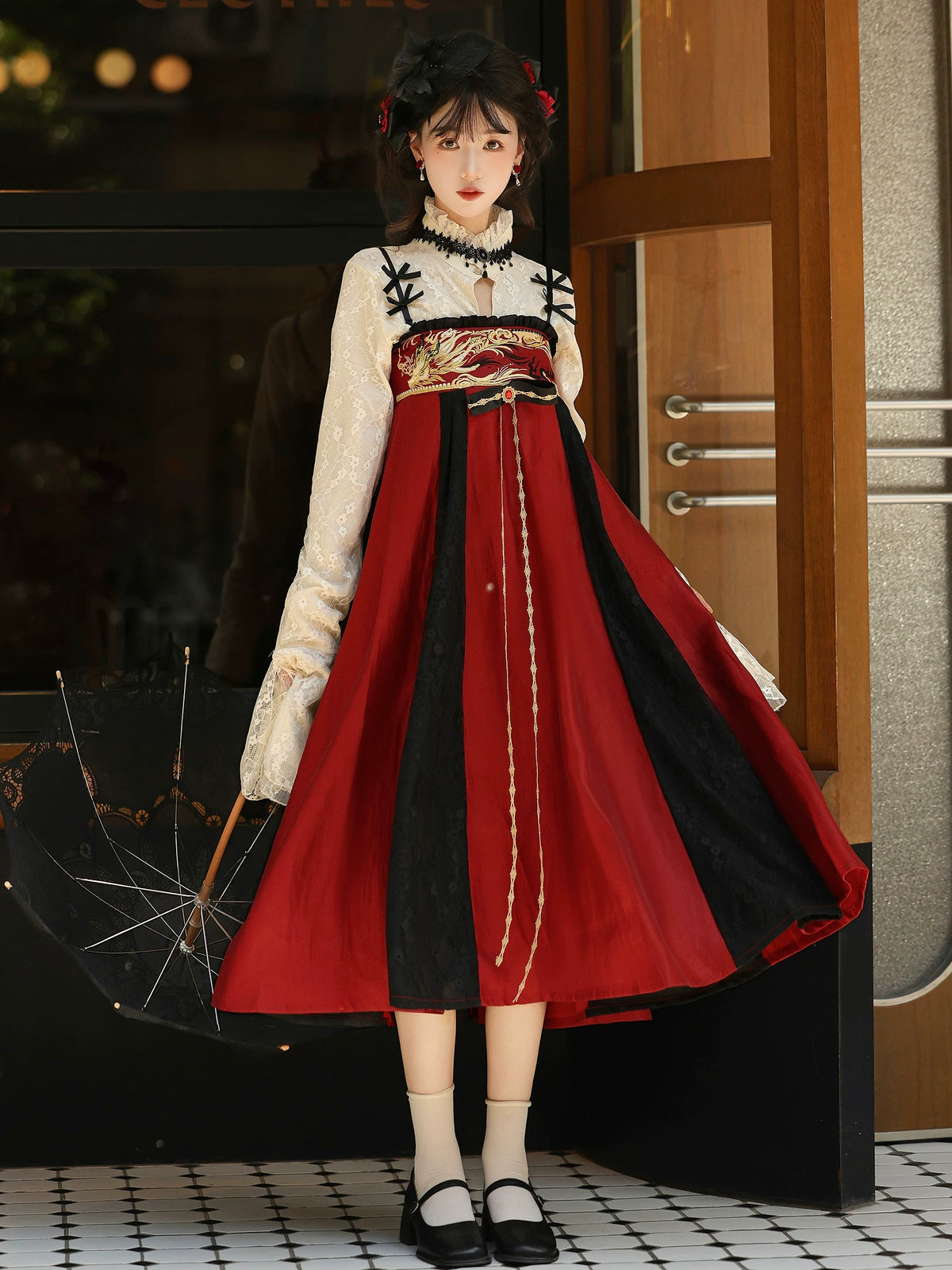
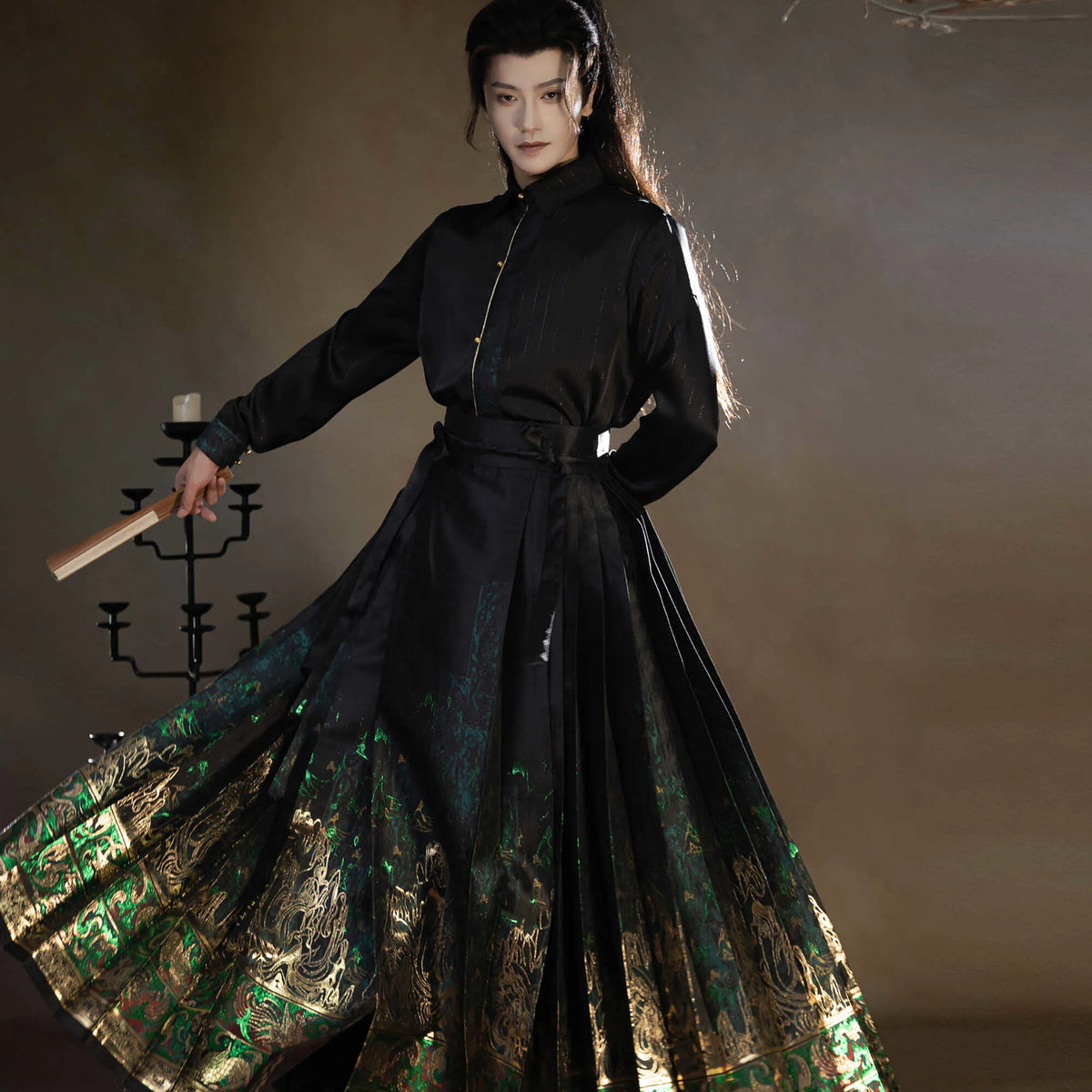
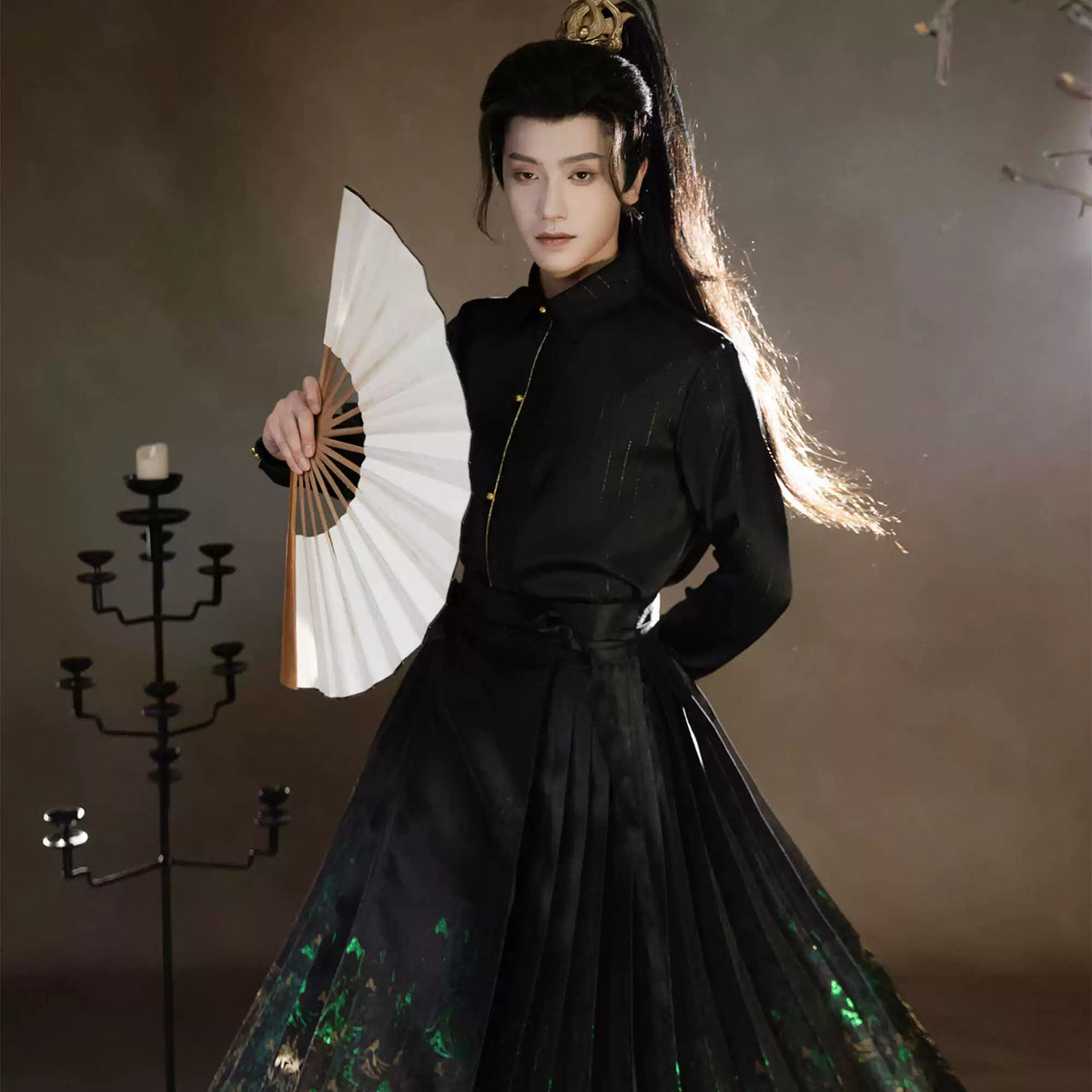
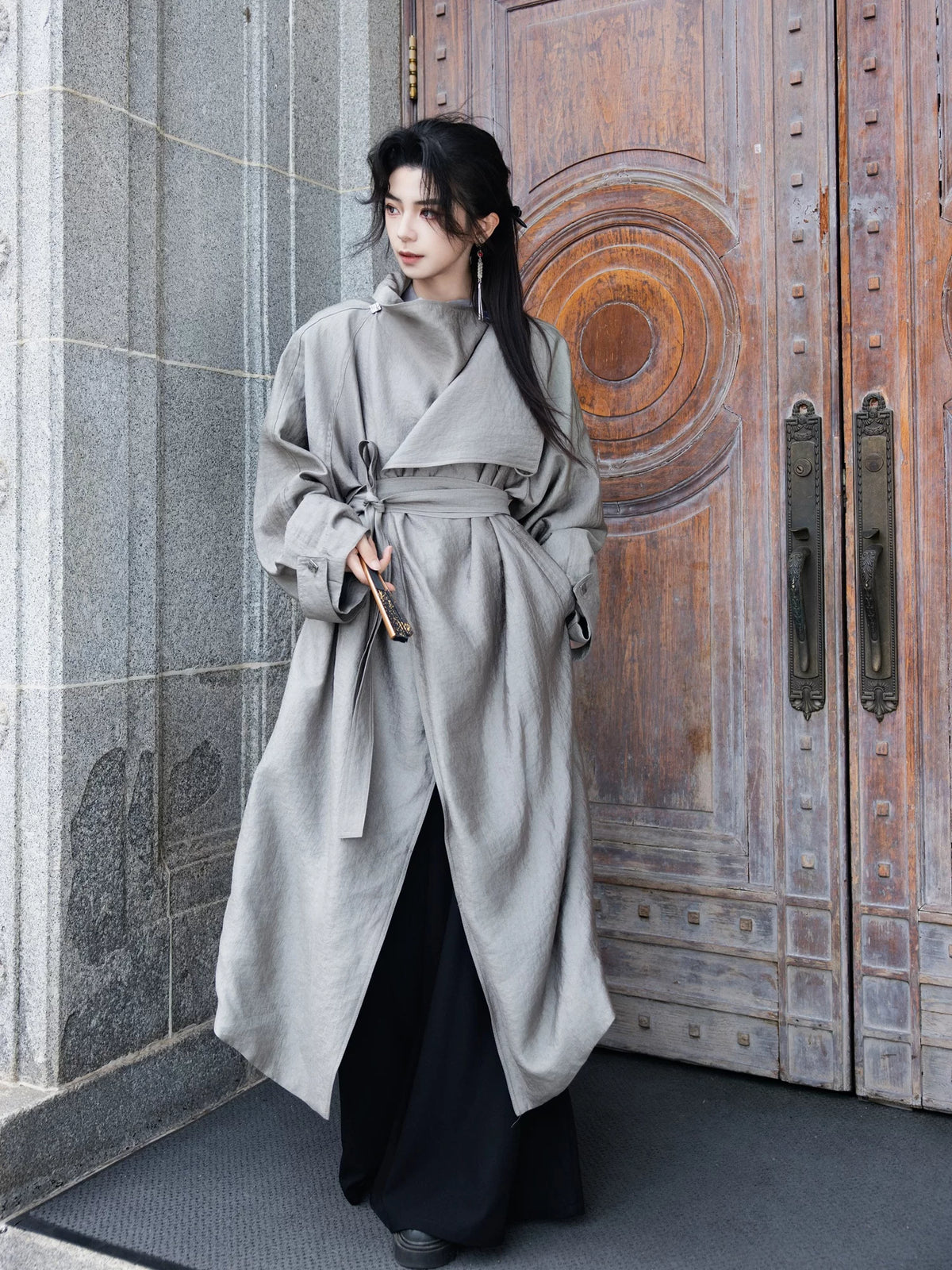
Quick answer: “Pien fu clothing” is a spelling that appears in older English-language and repeated online descriptions of Chinese dress. The modern pinyin spelling is usually bianfu (弁服). Reliable historical catalogues and scholarship treat bianfu—and the more specific term pibianfu (皮弁服)—in a ritual and court-dress context. It should not be used as a simple label for every Chinese outfit made from a top plus a skirt or trousers.
Is “pien fu” the same word as bianfu?
In most modern searches, “pien fu” is best understood as an older or nonstandard romanization pointing toward bianfu. Chinese terms should be checked against the characters because similar-looking English spellings can hide different words. Here, the relevant characters are 弁服.
The spelling issue matters for SEO and for cultural accuracy: repeating “pien fu” without the Chinese term can turn a specific historical clothing concept into a vague internet category.
Why do some websites call pien fu a two-piece costume?
A widely repeated English summary describes pien-fu as a knee-length tunic worn with a skirt or trousers and then places it beside ch’ang-p’ao and shen-i as three major forms of Chinese dress. That summary is easy to understand, but it is too broad to serve as a universal taxonomy for centuries of Chinese clothing.
Historical dress terminology changes across source, period, rank and ritual context. A modern two-piece Hanfu listing is therefore not automatically bianfu simply because it contains an upper garment and a lower garment.
What do stronger sources show?
The surviving source trail is more specific and more complicated than the simplified three-category explanation:
- Cornell University Library catalogues Bian fu shi li (《弁服釋例》), an extensive historical study by Ren Dachun, under Chinese costume history and rites and ceremonies.
- The Chinese Text Project provides a digitized version of 《弁服釋例》, showing that bianfu terminology belongs to a substantial textual and ritual tradition rather than a single modern fashion definition.
- Modern scholarship on the phrase “pibianfusuji” (皮弁服素積) documents disagreement among ritual scholars about how the clothing descriptions and materials should be interpreted.
These sources support a cautious conclusion: bianfu is a historical clothing term tied to ritual-dress study, and its exact construction should be described from a specific period and source.
What is the difference between bianfu and pibianfu?
Bianfu is the broader term encountered in the historical literature. Pibianfu (皮弁服) refers more specifically to clothing associated with the pibian form of headwear and ritual use. The details cannot safely be reduced to one permanent colour, fabric or component list for every dynasty and wearer.
For that reason, retail copy should not claim that a garment is an authentic bianfu or pibianfu reproduction unless the maker provides period-specific construction evidence.
How should shoppers evaluate a “pien fu” product?
- Look for the Chinese characters: does the listing actually say 弁服 or 皮弁服?
- Ask which period is referenced: a generic “ancient Chinese” label is not enough to establish a historical reconstruction.
- Check every component: confirm the upper garment, lower garment, headwear, belt, inner layer and accessories that are actually included.
- Separate appearance from material: words such as jade, gold, silk or leather may describe a colour or visual effect unless the material field states otherwise.
- Distinguish inspiration from reproduction: a modern Hanfu set can be historically inspired without being a documented ritual outfit.
Can you buy pien fu clothing at Yandan?
Yandan does not currently maintain a dedicated bianfu or pibianfu reproduction collection. Shoppers looking for broader dynasty-inspired Chinese clothing can browse Traditional Hanfu, but each product page should be evaluated on its own construction, material, included pieces and sizing. For a practical overview of purchasable silhouettes, read Types of Hanfu.
This distinction protects shoppers from assuming museum-level accuracy based only on a keyword. Yandan provides free worldwide shipping with import duties included; processing time and carrier transit are separate.
Pien fu clothing FAQ
Is “pien-fu” the preferred modern spelling?
No. It remains a useful search spelling, but bianfu is the modern pinyin form for 弁服.
Is every tunic-and-skirt Hanfu a bianfu?
No. A two-part construction alone does not establish the historical clothing category.
Is bianfu one of only three types of traditional Chinese clothing?
That claim is a popular simplification, not a reliable complete classification of Chinese dress across periods and contexts.
Does bianfu always mean silk ceremonial clothing?
It should not be reduced to one universal material claim. Historical and modern scholars have debated the interpretation of materials in ritual texts.