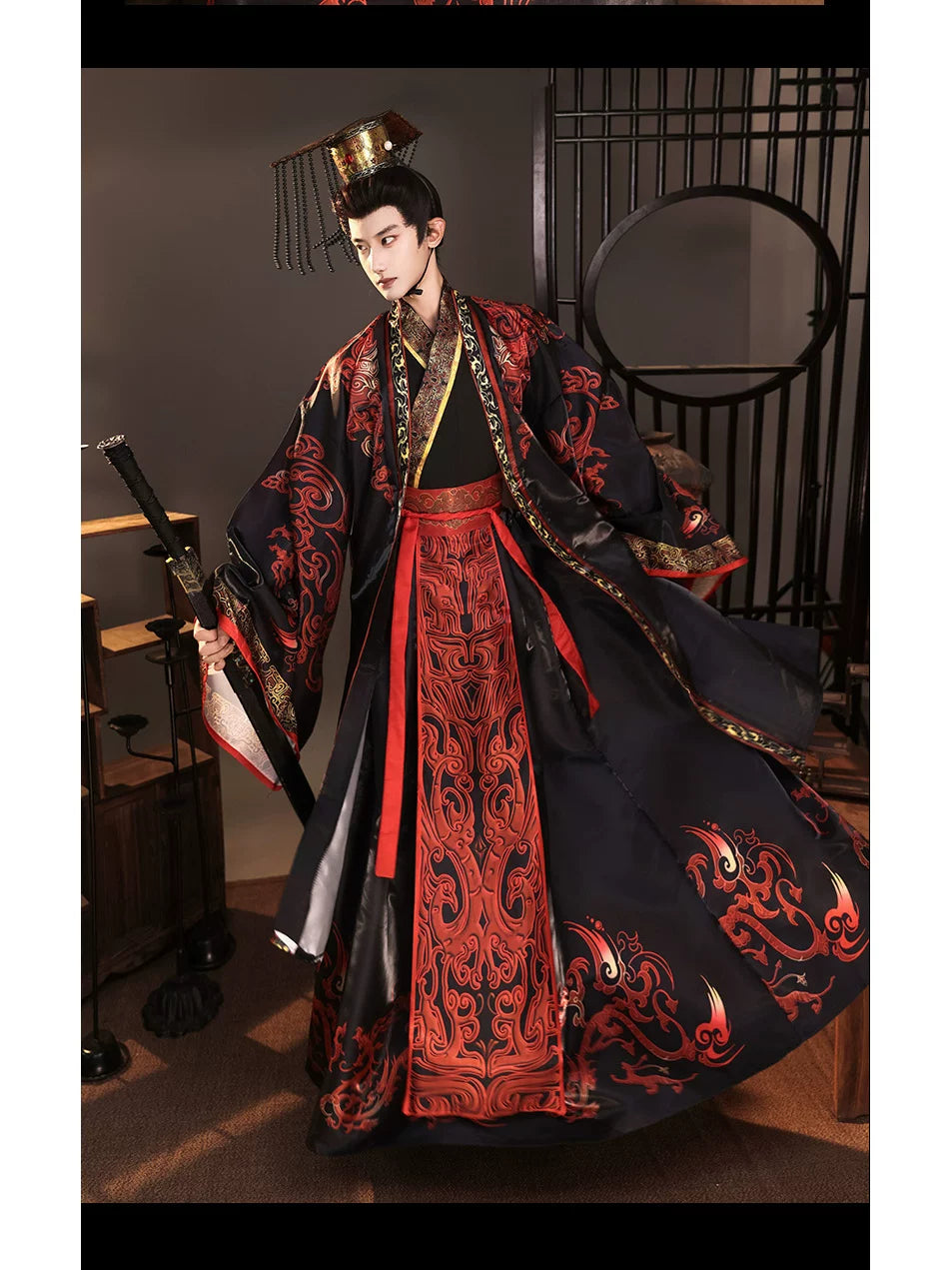
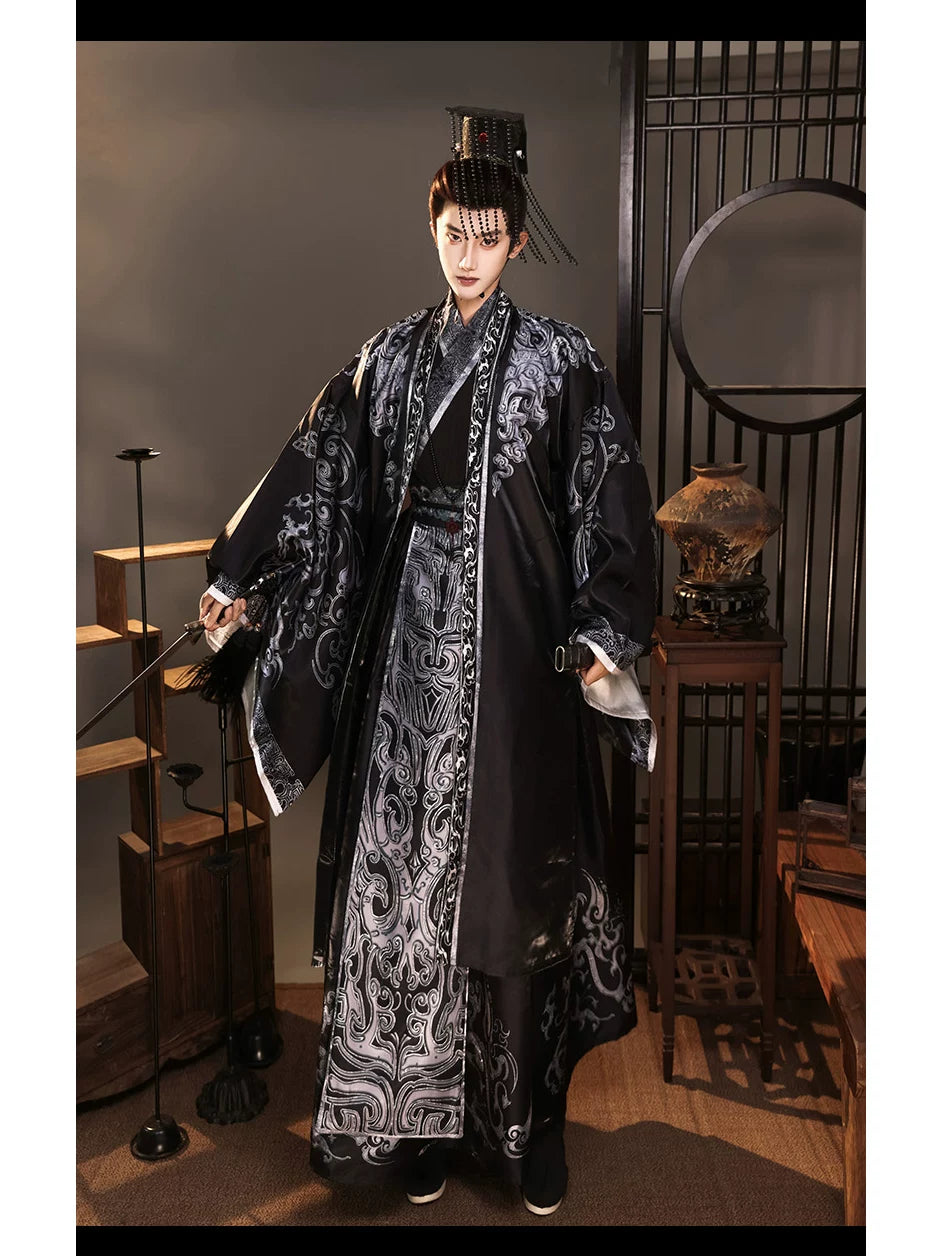
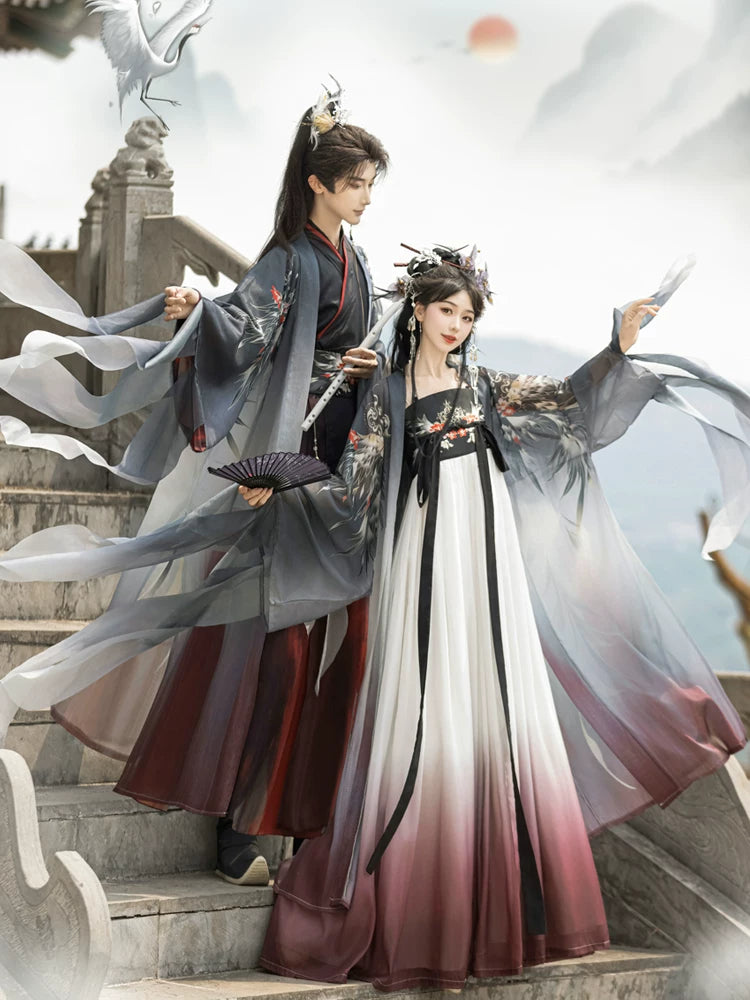
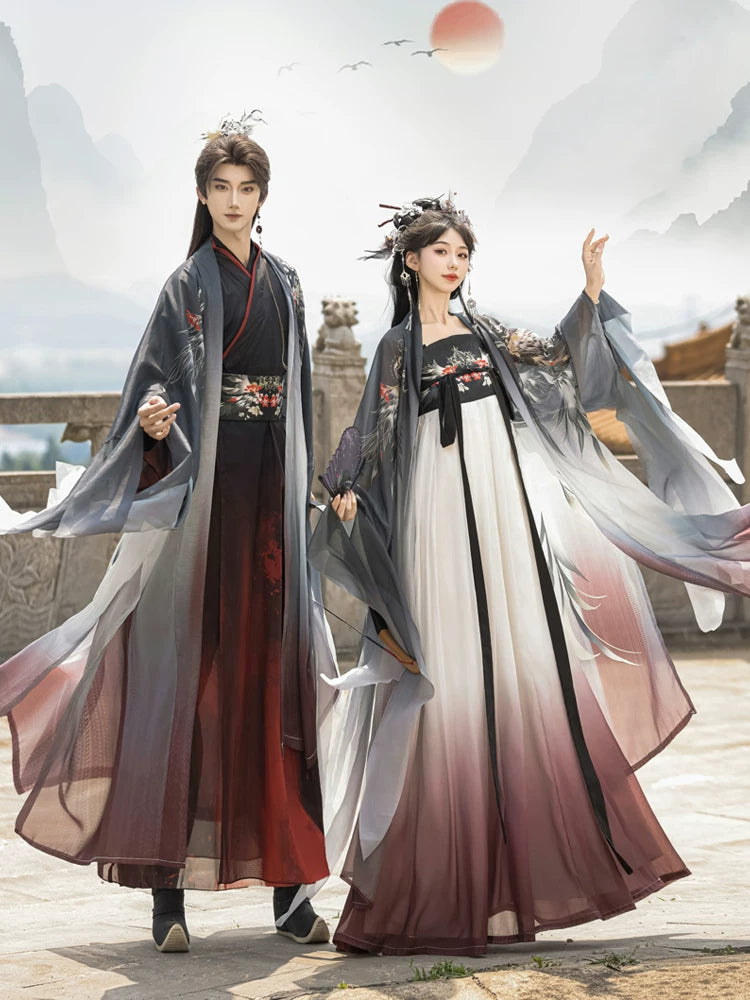
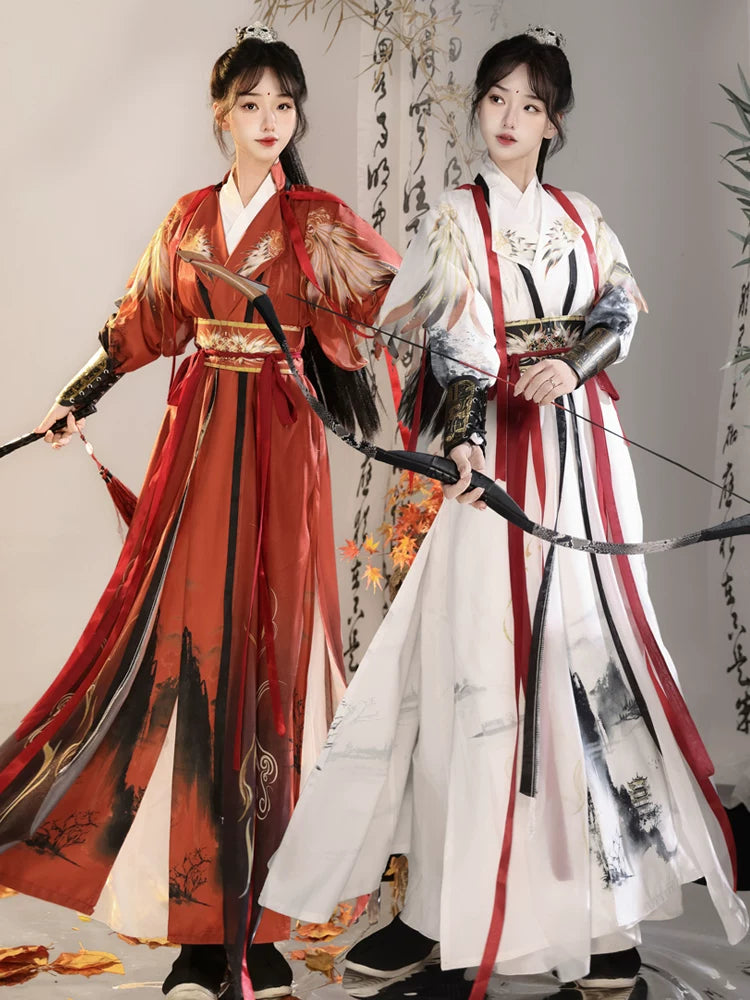
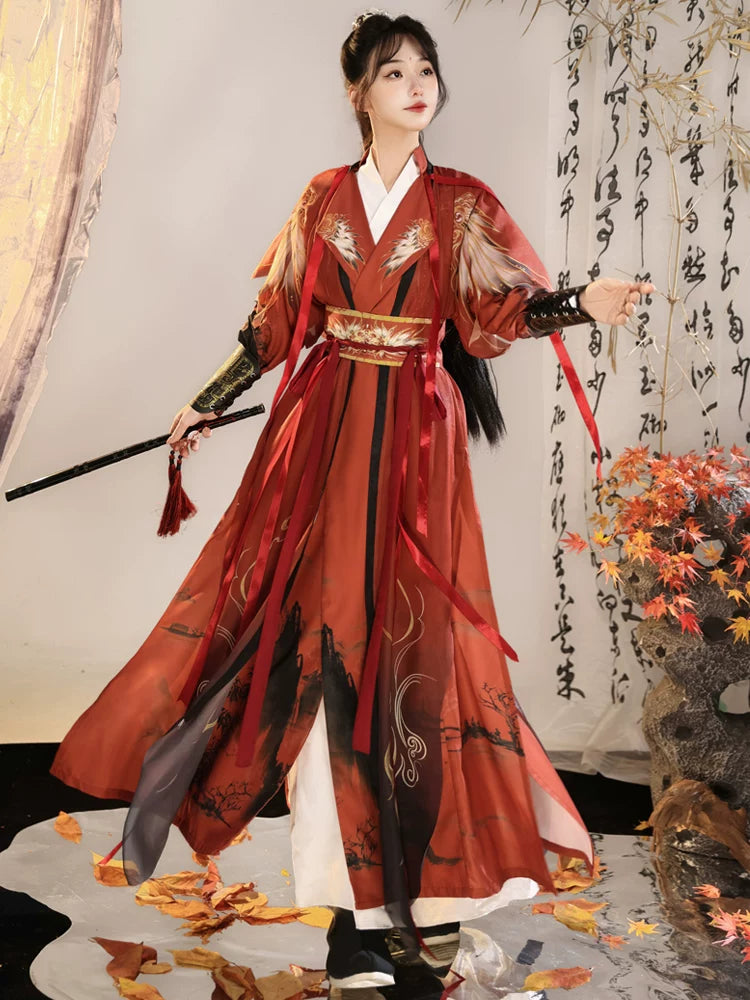
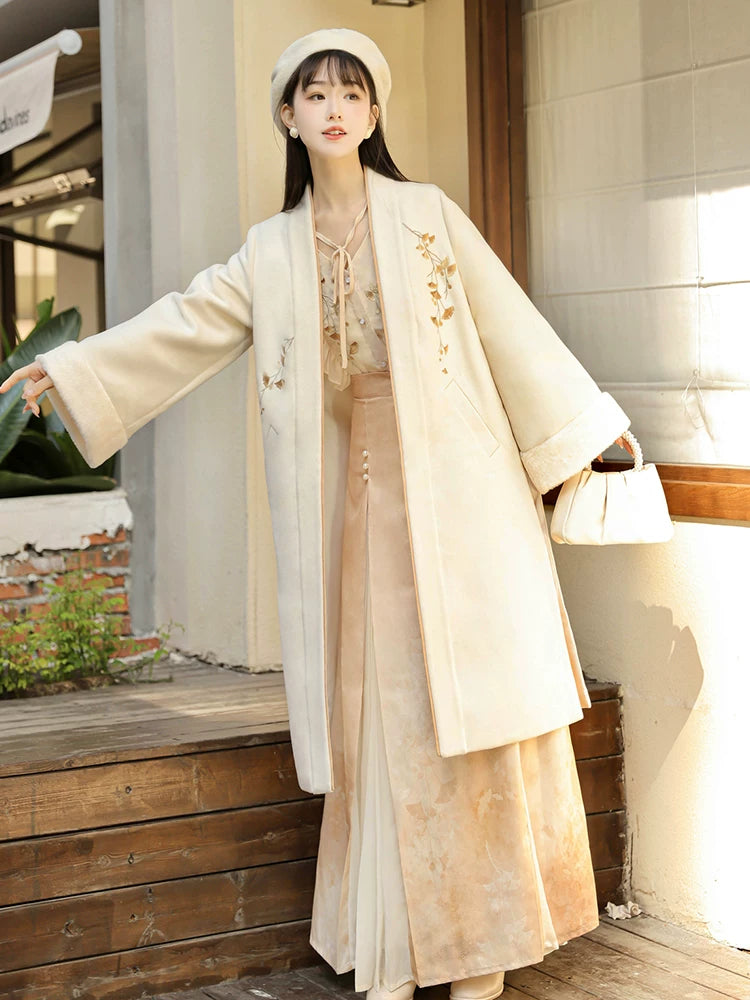
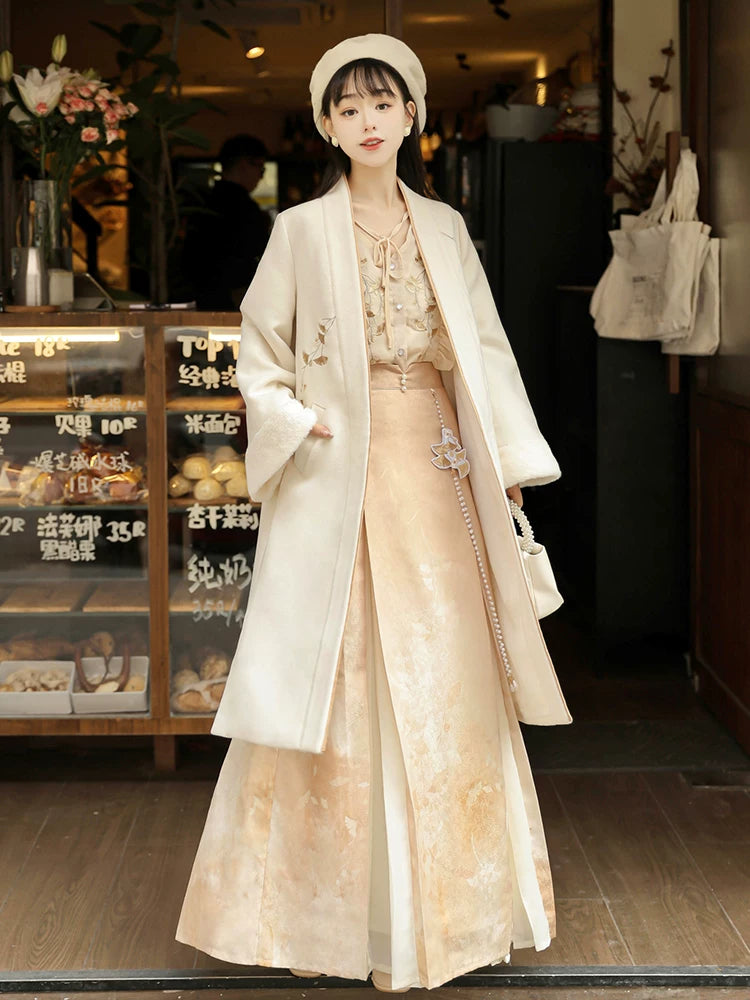
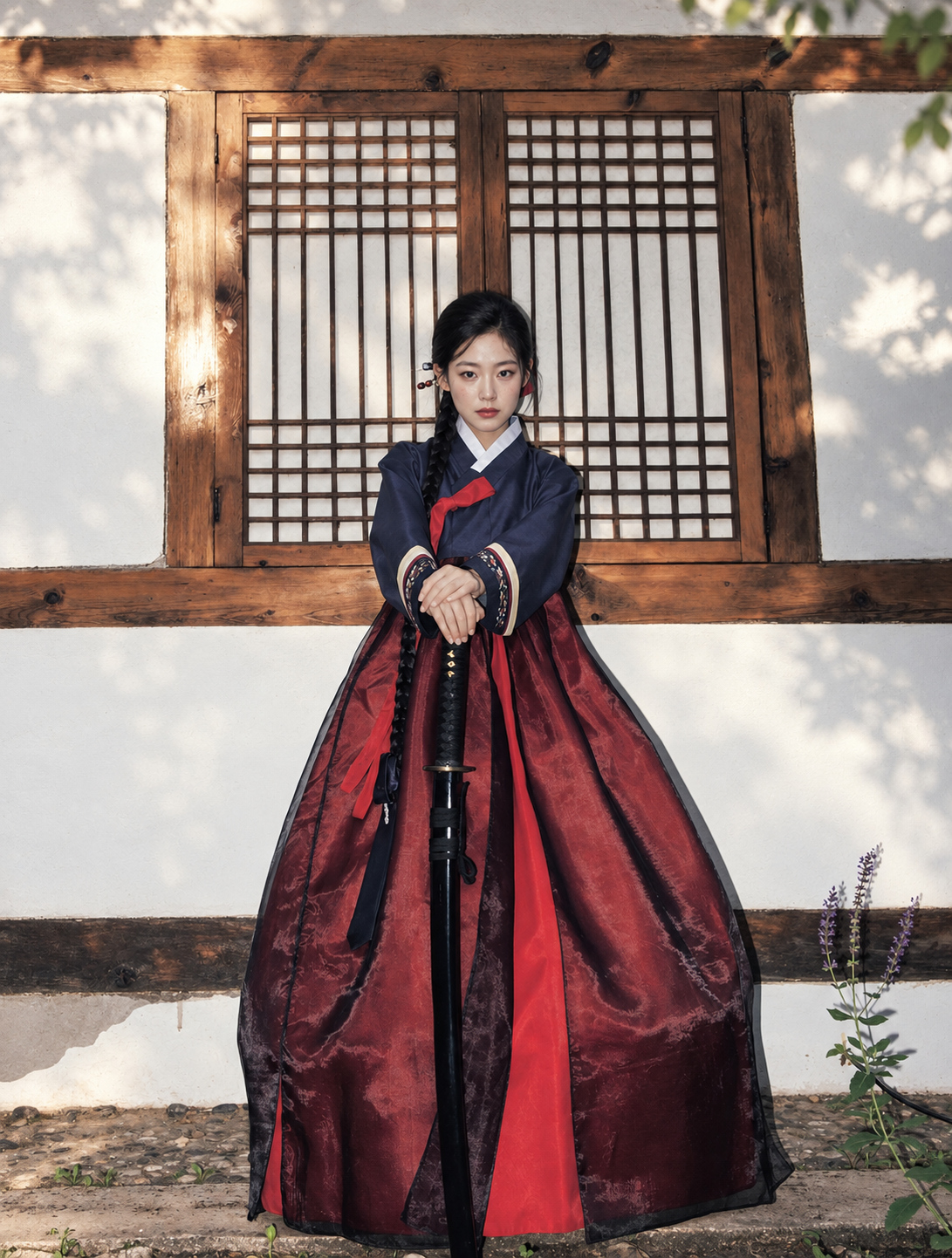
If you've ever admired the graceful silhouette of traditional Japanese dress, you've likely encountered both the kimono and the yukata. At first glance, they look remarkably similar — both are T-shaped robes with wide sleeves, wrapped left over right and secured with a sash. But look closer, and you'll find they are quite different garments, each with its own fabric, formality, and occasion.
In this guide, we break down everything you need to know about kimono vs yukata — so you can dress with confidence and authenticity.
What Is a Kimono?
The kimono (着物, literally "thing to wear") is Japan's most formal traditional garment. Worn for centuries by men, women, and children alike, the kimono is a symbol of Japanese cultural identity and is still worn today for weddings, tea ceremonies, coming-of-age ceremonies, and other formal occasions.
Key Characteristics of a Kimono
- Fabric: Typically made from silk, brocade, or high-quality synthetic fabrics. Formal kimono are almost always silk.
- Lining: Most kimono have a full lining, adding weight and structure.
- Collar: Features a stiff, structured collar (often a separate under-collar called han-eri).
- Layers: Worn with multiple layers — an under-kimono (nagajuban), the kimono itself, and a wide decorative sash (obi).
- Occasions: Weddings, funerals, tea ceremonies, graduation ceremonies, and formal cultural events.
- Seasons: Worn year-round, with different weights and styles for each season.
🛍️ Shop our kimono collection: Traditional Formal Japanese Kimono Women's Visiting Kimono Set — a beautifully crafted formal kimono set perfect for weddings and cultural events.
What Is a Yukata?
The yukata (浴衣, literally "bathing cloth") is a casual, unlined summer robe that originated as a post-bath garment in Japanese bathhouses. Today, the yukata is the go-to choice for summer festivals (matsuri), fireworks displays (hanabi), and hot spring resorts (onsen).
Key Characteristics of a Yukata
- Fabric: Made from cotton, linen, or lightweight synthetic fabrics — breathable and easy to wear in warm weather.
- Lining: Unlined, making it much lighter and cooler than a kimono.
- Collar: Softer, more relaxed collar without the structured under-collar of a kimono.
- Layers: Worn directly on the skin with a simple obi sash — no under-kimono required.
- Occasions: Summer festivals, fireworks, casual outings, ryokan stays, and everyday warm-weather wear.
- Seasons: Summer only.
🛍️ Shop our yukata collection: Cherry Blossom Pink Kimono Yukata — a charming pink yukata-style dress perfect for festivals and casual Japanese-inspired outings.
Kimono vs Yukata: Side-by-Side Comparison
| Kimono | Yukata | |
|---|---|---|
| Fabric | Silk, brocade, synthetic | Cotton, linen, lightweight synthetic |
| Lining | Fully lined | Unlined |
| Formality | Formal to semi-formal | Casual |
| Season | Year-round | Summer only |
| Layers | Multiple (nagajuban + kimono + obi) | Single layer + obi |
| Occasions | Weddings, ceremonies, tea | Festivals, fireworks, onsen |
| Price | Generally more expensive | More affordable |
How to Tell Them Apart at a Glance
Not sure which one you're looking at? Here are the quickest ways to tell a kimono from a yukata:
- 👁️ Look at the collar: A kimono will have a visible white under-collar (han-eri). A yukata will not.
- 🧵 Feel the fabric: Silk = kimono. Cotton = yukata.
- 🌞 Check the season: If it's summer and worn at a festival, it's almost certainly a yukata.
- 📚 Count the layers: Multiple layers with a structured under-robe = kimono. Single layer = yukata.
Completing Your Look: Hair & Accessories
Whether you're wearing a kimono or a yukata, the right accessories make all the difference. Traditional Japanese hairstyles are typically adorned with decorative hairpins, floral clips, and ornamental combs.
🛍️ Recommended accessories:
- Sakura Hairpin 4-Piece Set – Japanese Kimono Yukata Headdress — a beautiful set of cherry blossom hairpins perfect for both kimono and yukata styling.
- Japanese Crepe Hair Comb – Kimono Hanfu Headgear — an elegant fringed hair comb for photoshoots and cultural events.
- Japanese Kimono Waist Seal – Yukata Belt Brocade Bow — a gorgeous brocade obi-style belt to complete your look.
Which One Should You Choose?
The answer depends on your occasion, the season, and how much effort you want to put into dressing:
- Choose a kimono if you're attending a formal event, a wedding, a tea ceremony, or want to experience the full depth of Japanese traditional dress.
- Choose a yukata if you're heading to a summer festival, want something easy and comfortable to wear, or are new to Japanese traditional fashion.
Either way, both garments are a beautiful way to connect with Japanese culture and express your appreciation for traditional Asian fashion.
Explore More at Yandan Hanfu
At Yandan Hanfu, we celebrate the beauty of traditional Asian dress — from Chinese hanfu to Japanese-inspired styles. Browse our full collection and find the perfect garment for your next cultural adventure.