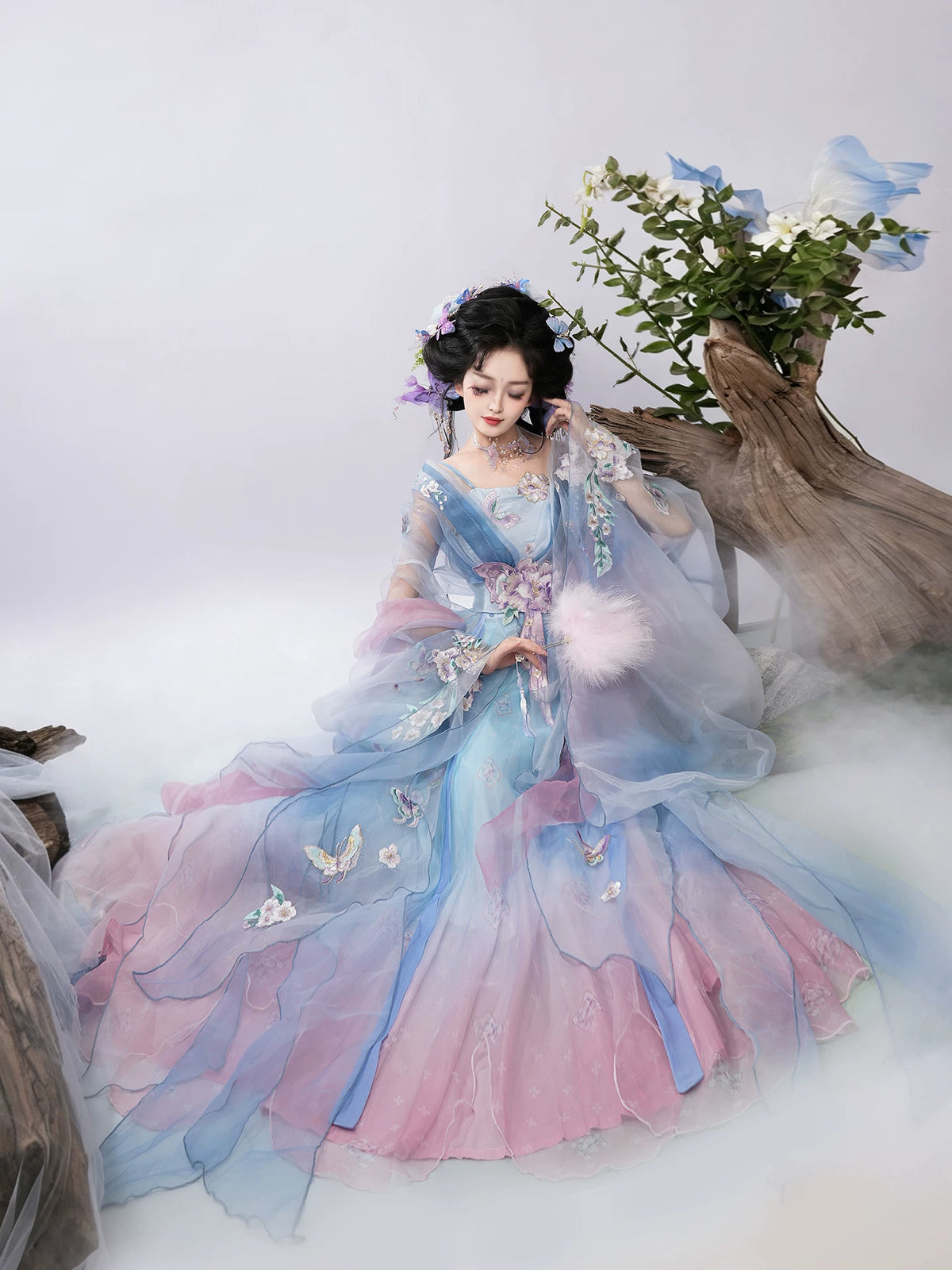
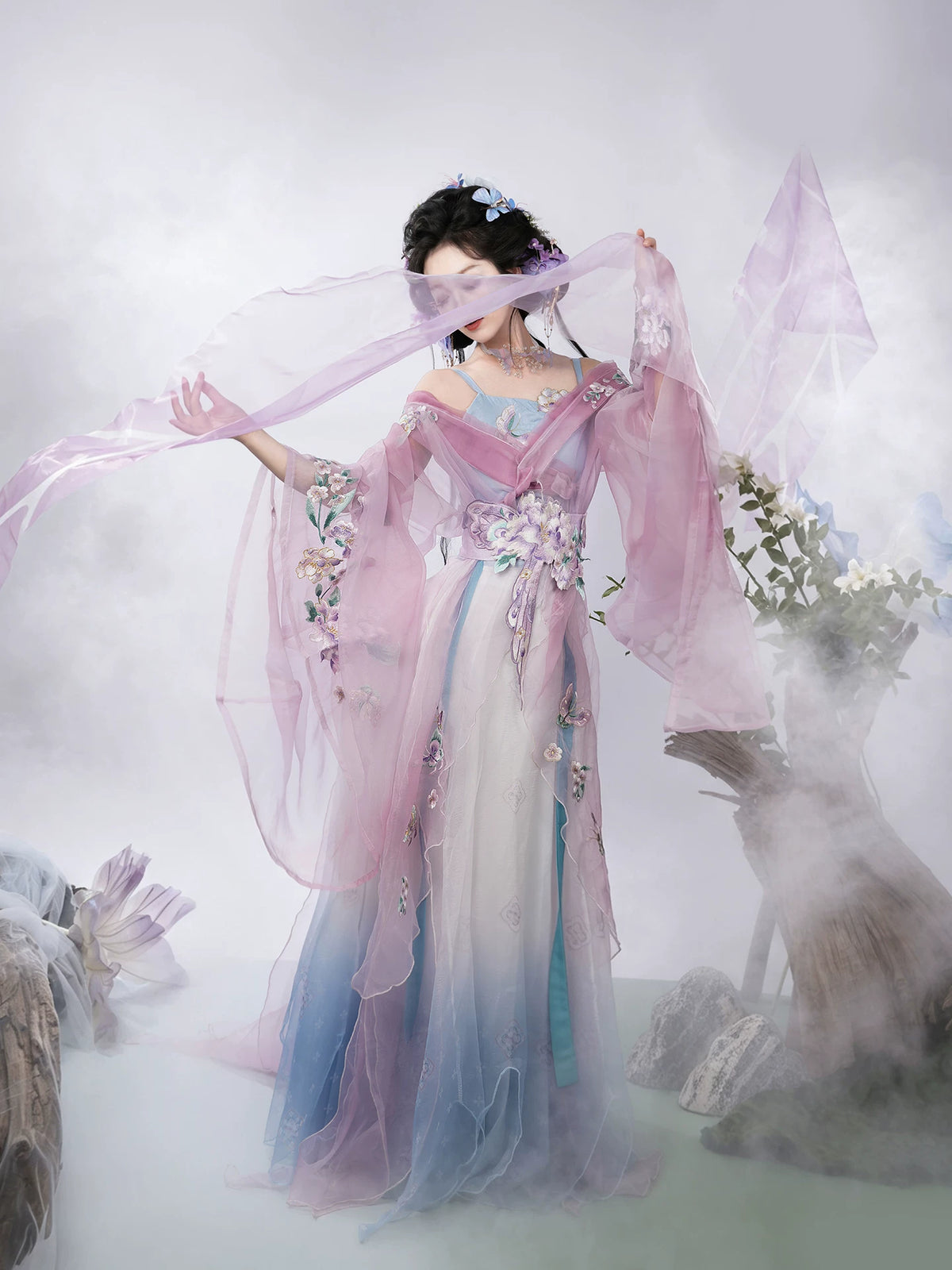
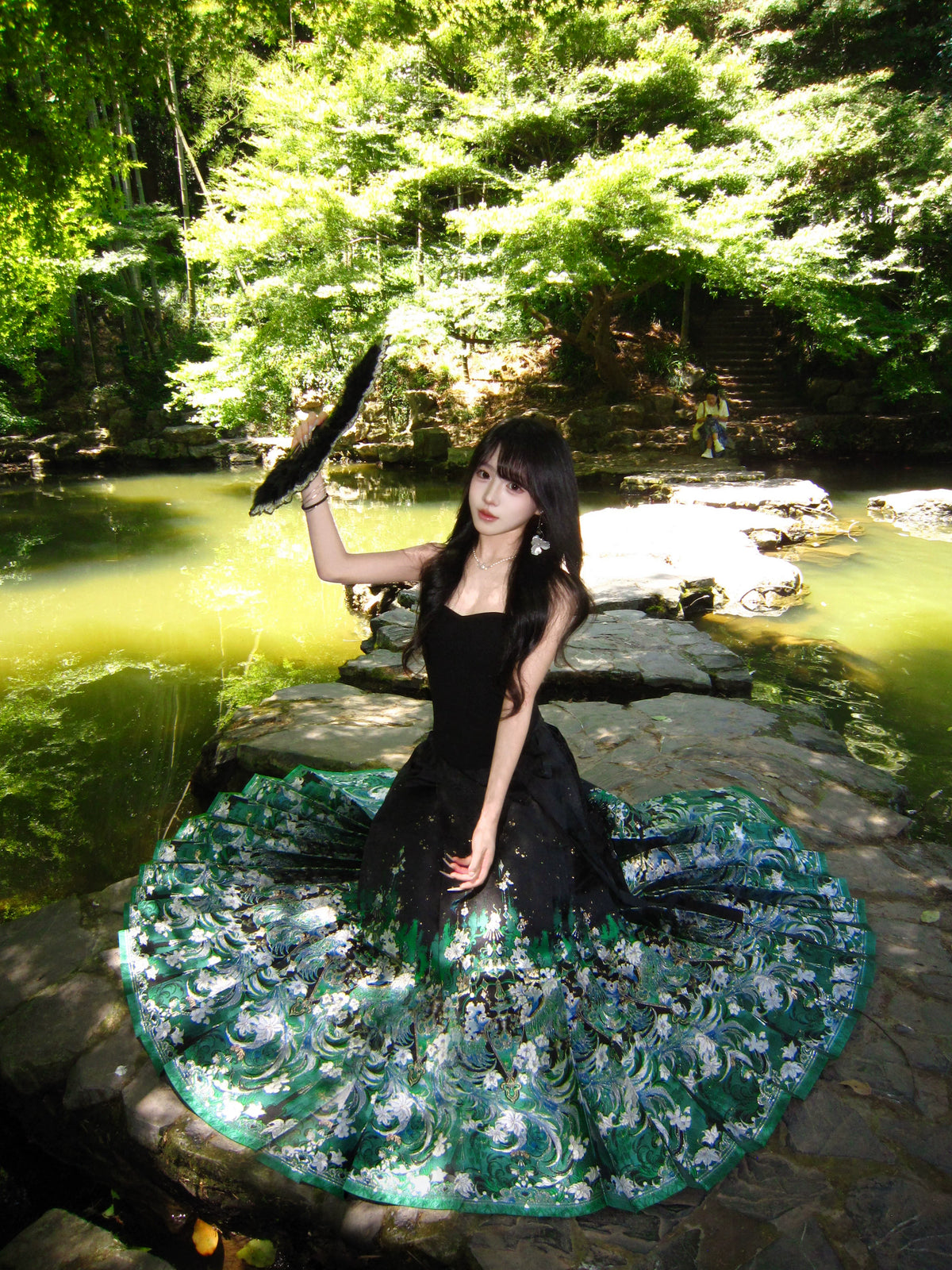
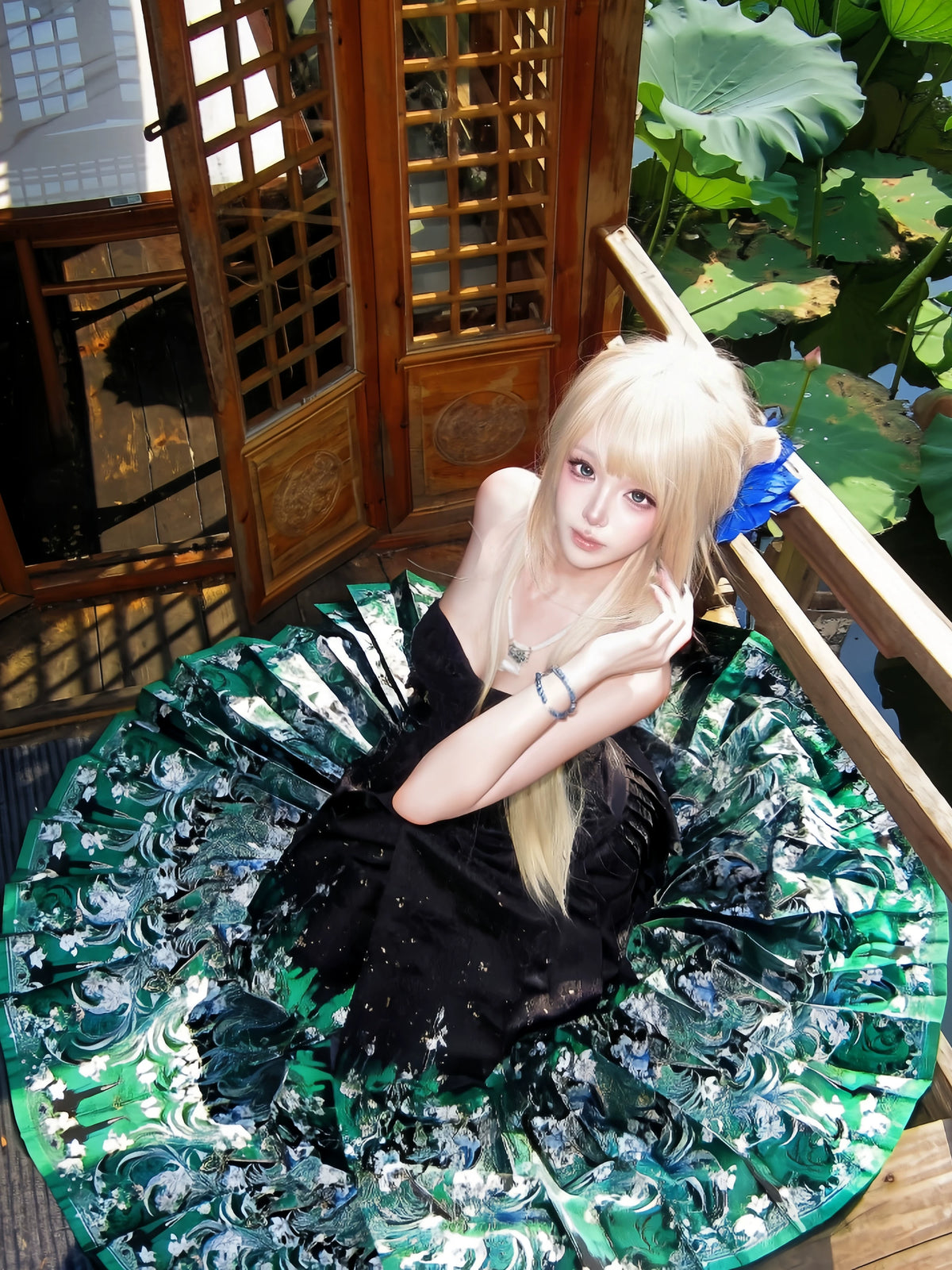
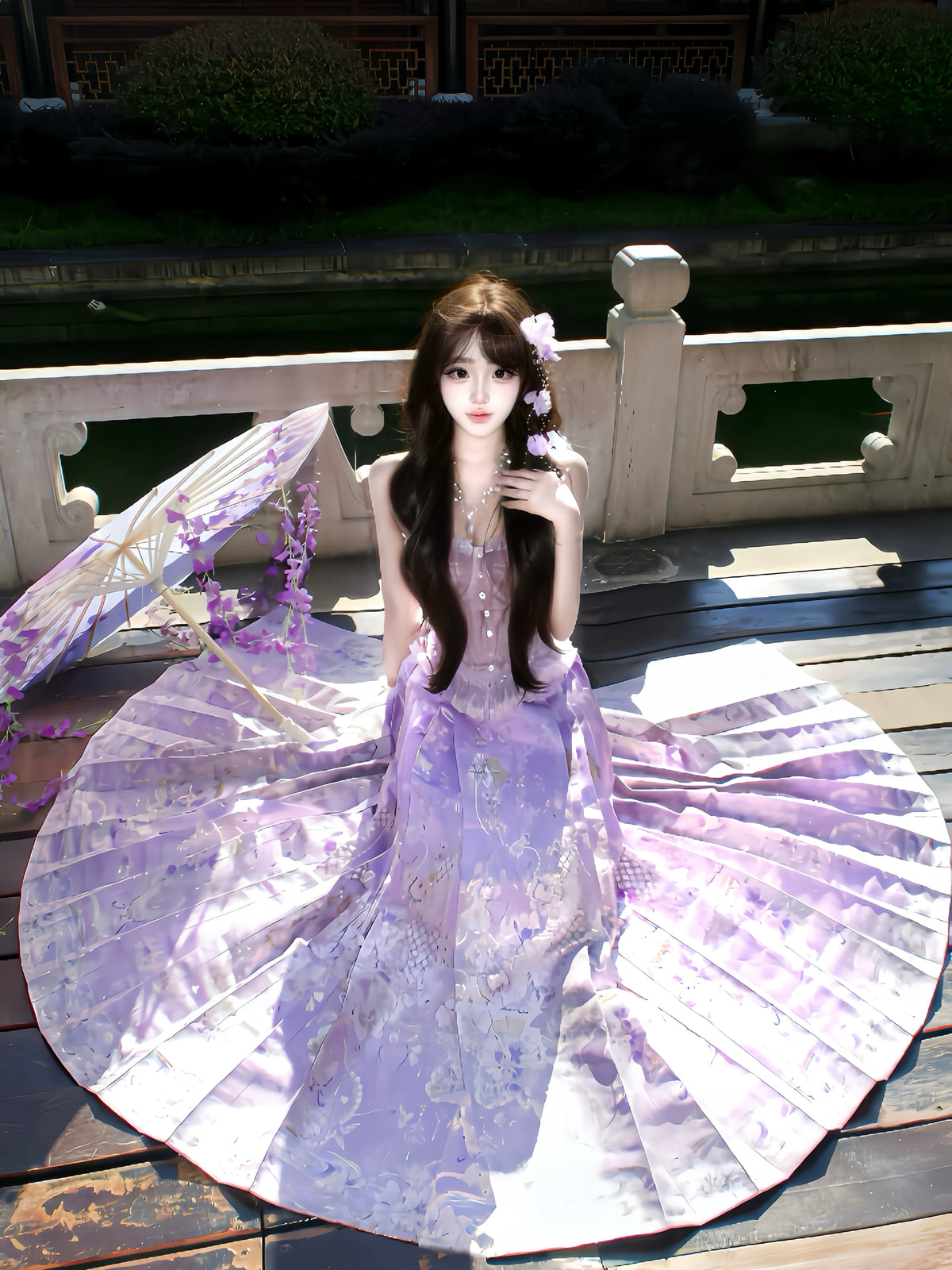
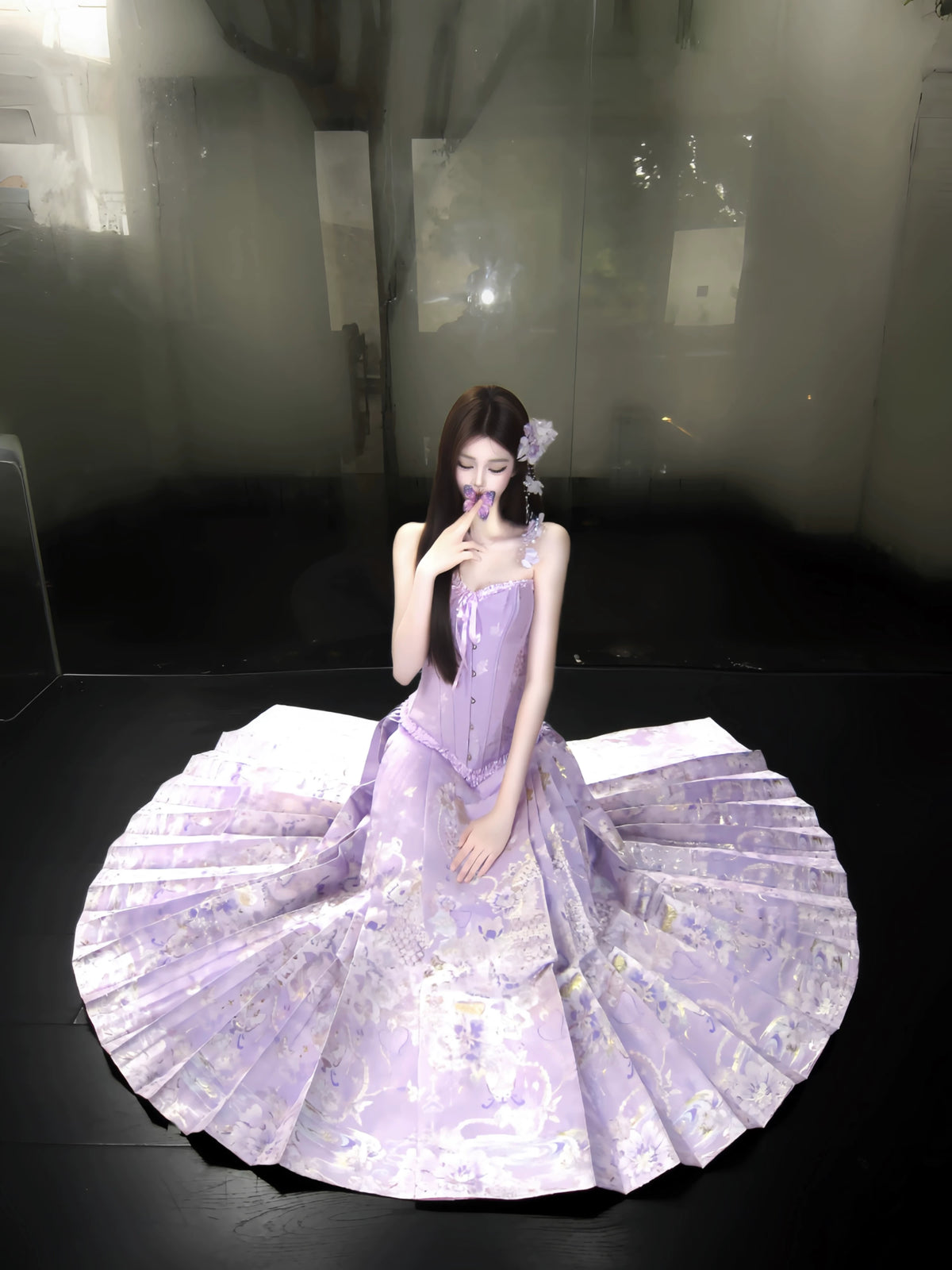
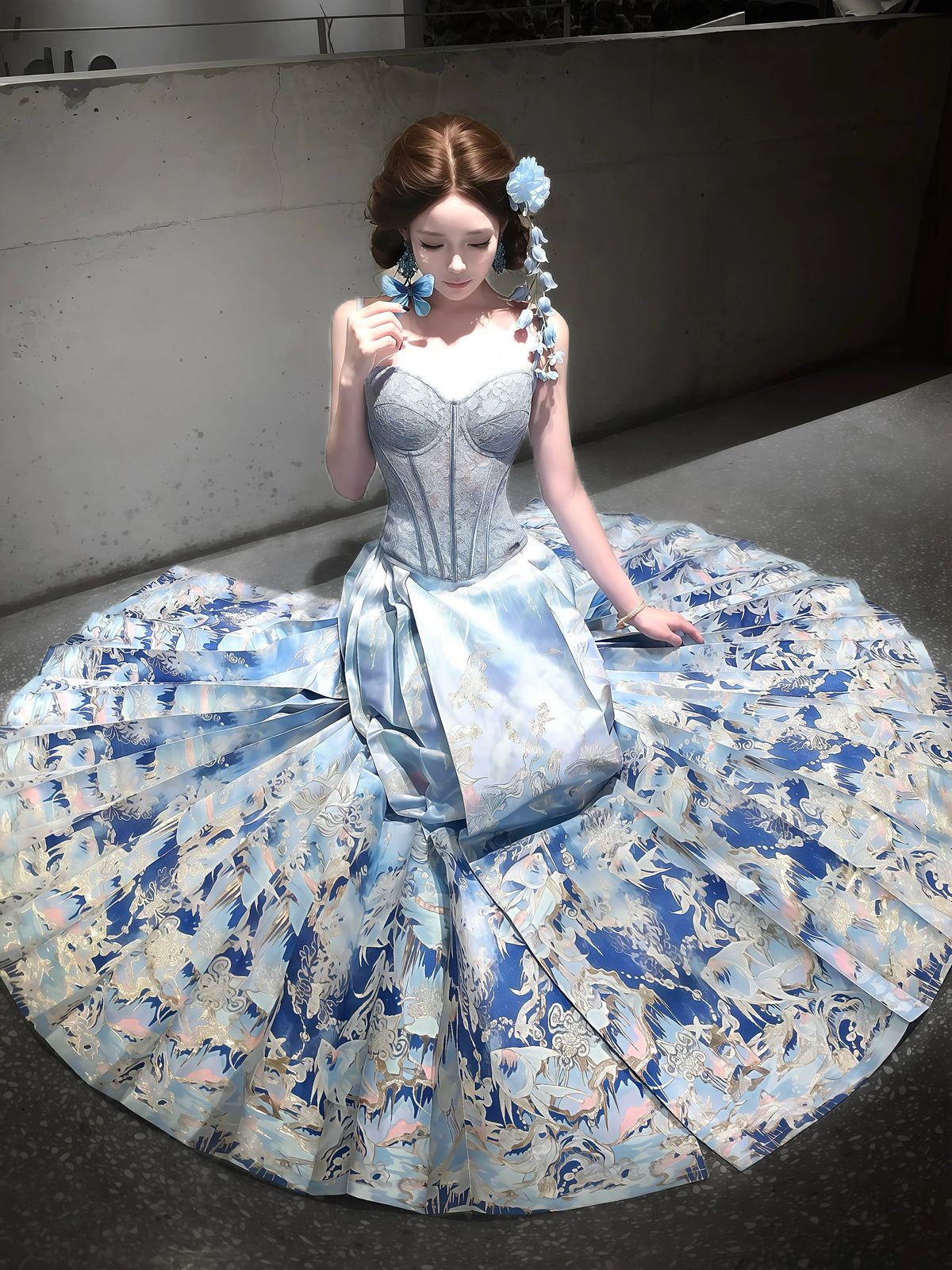
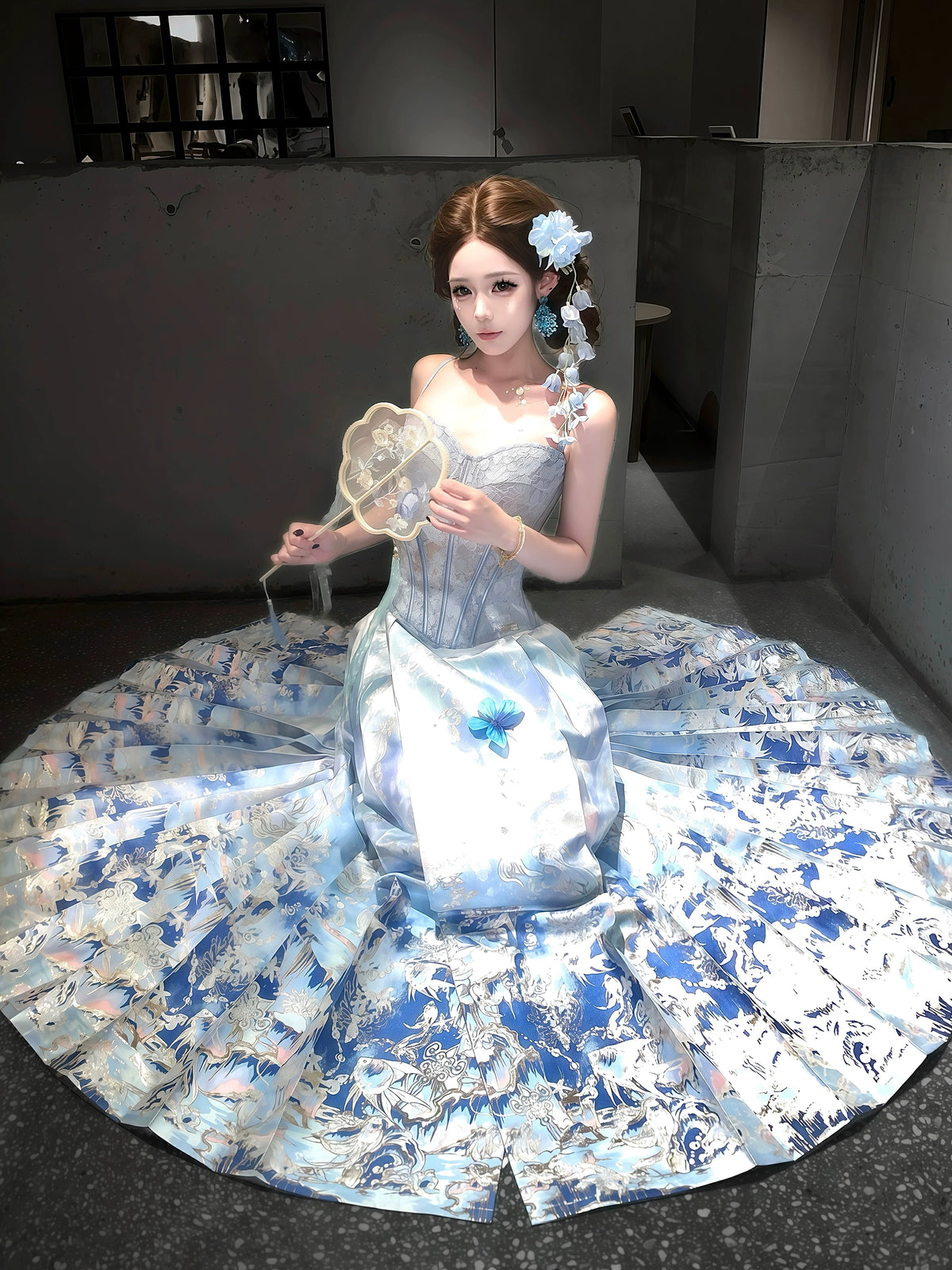
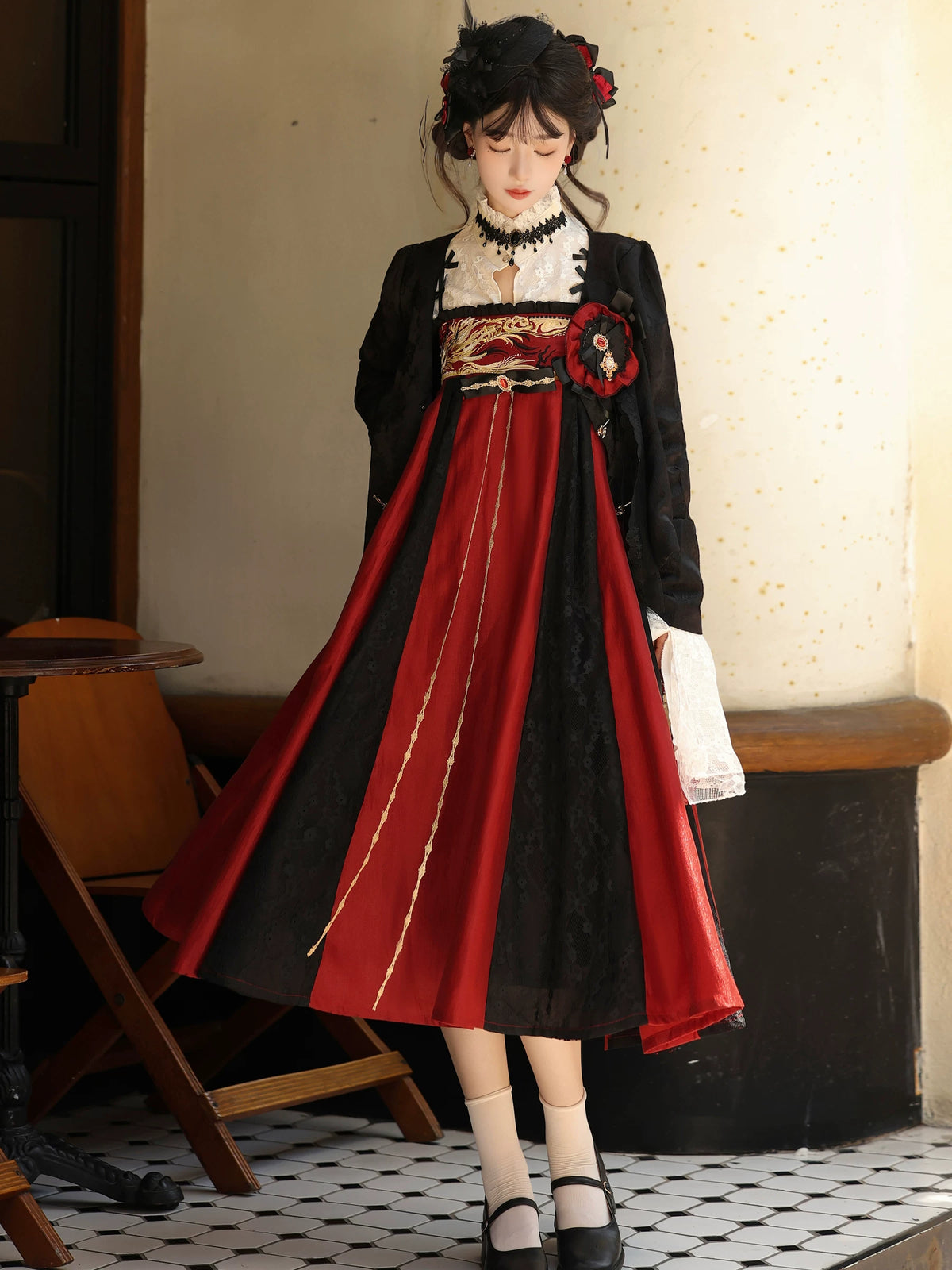
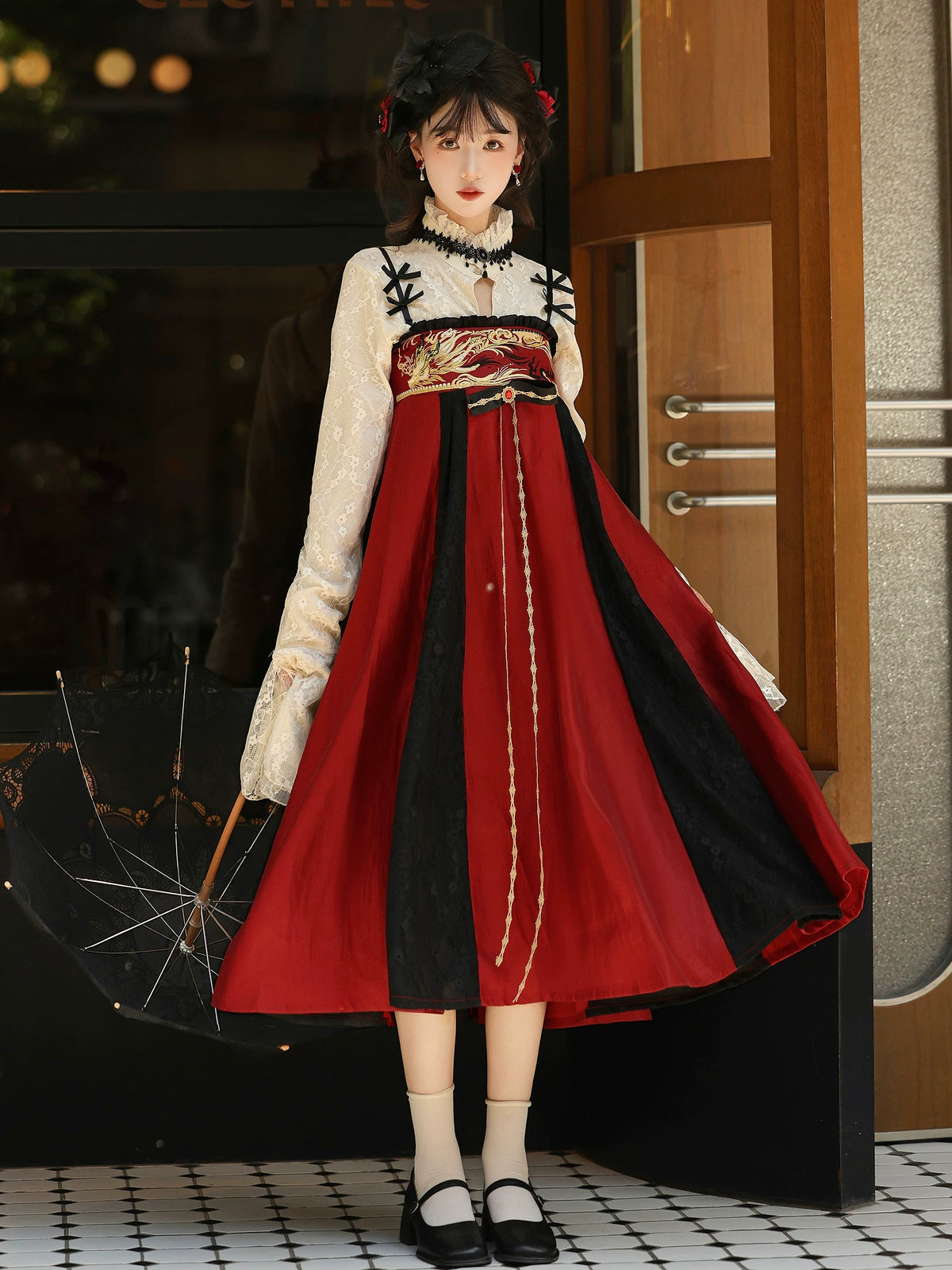
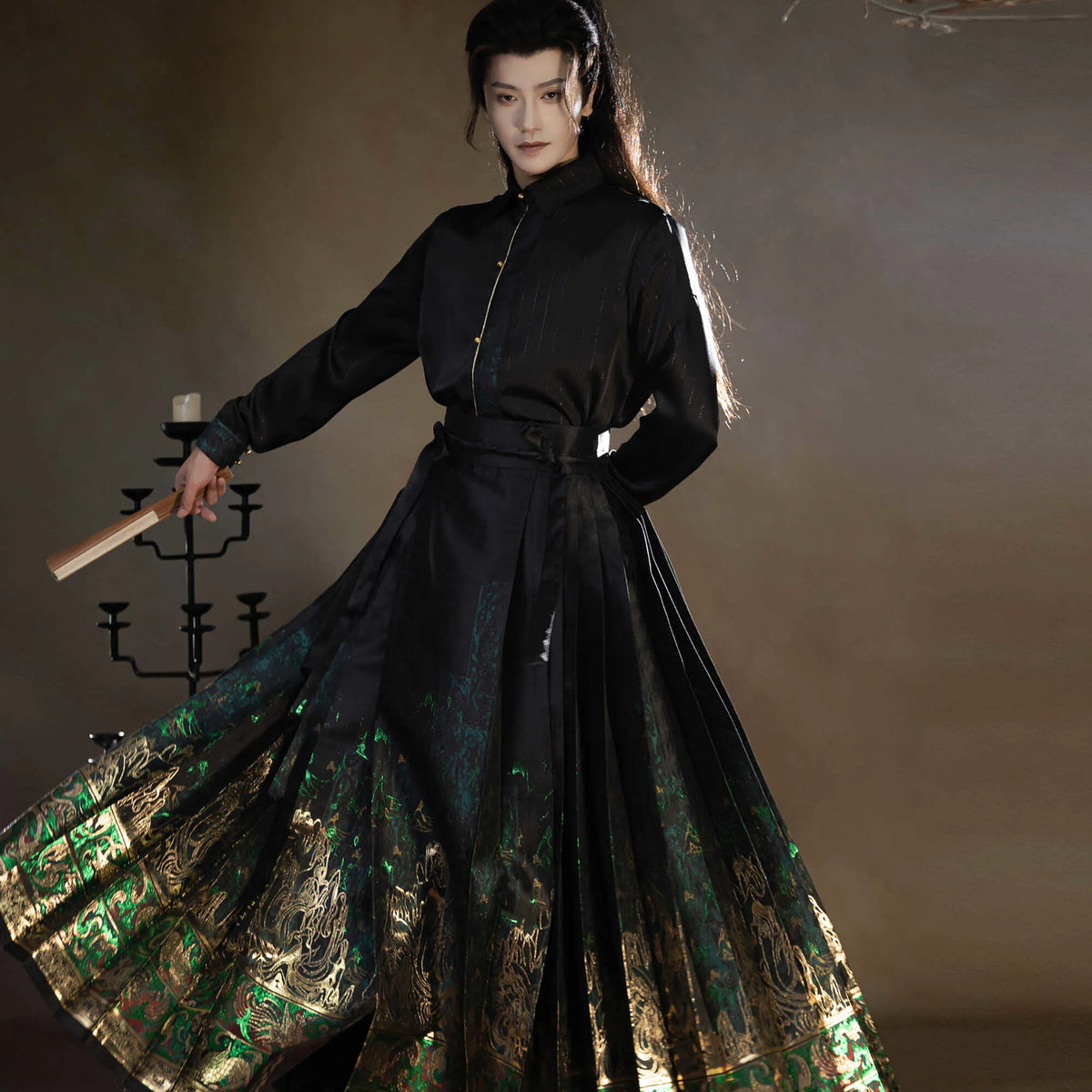
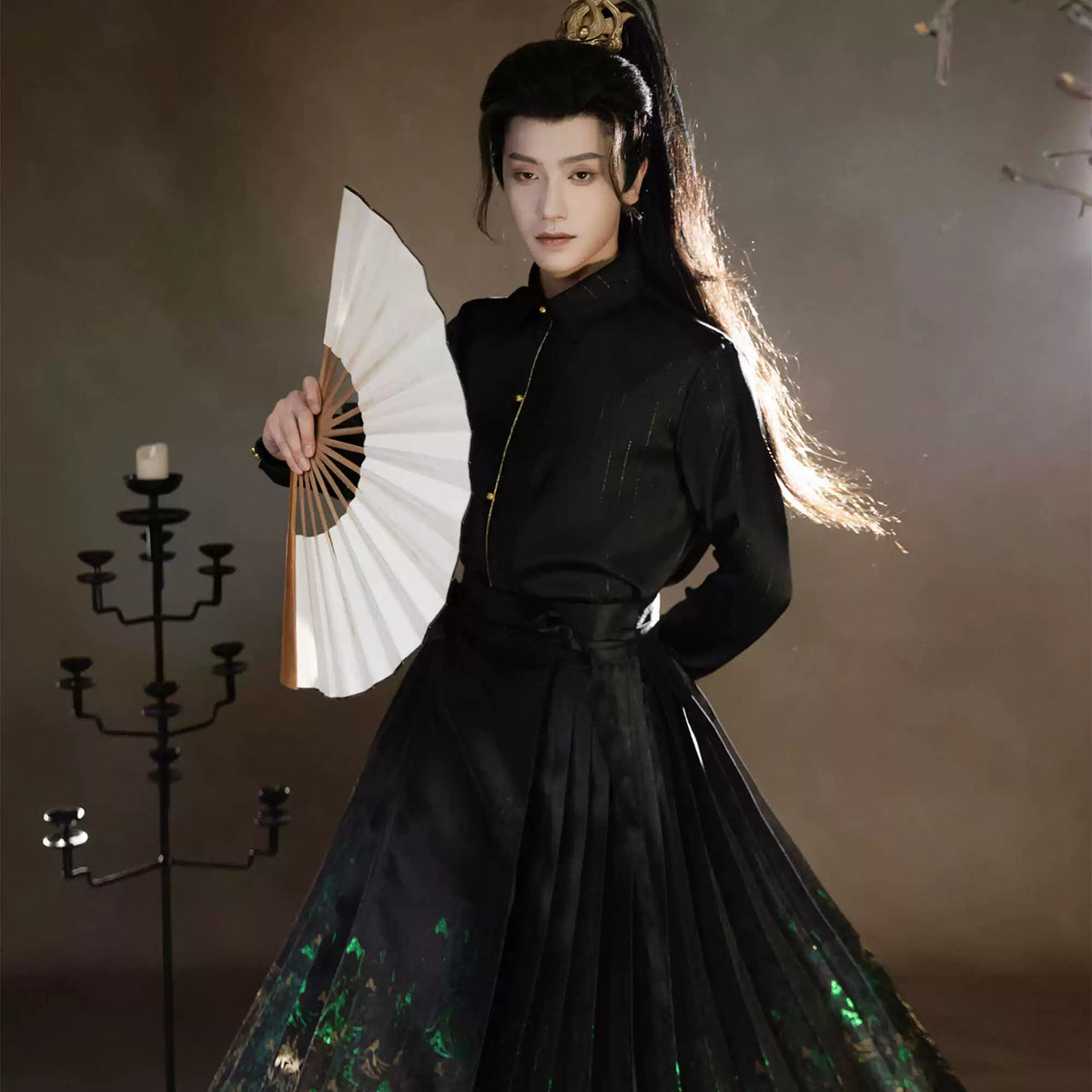
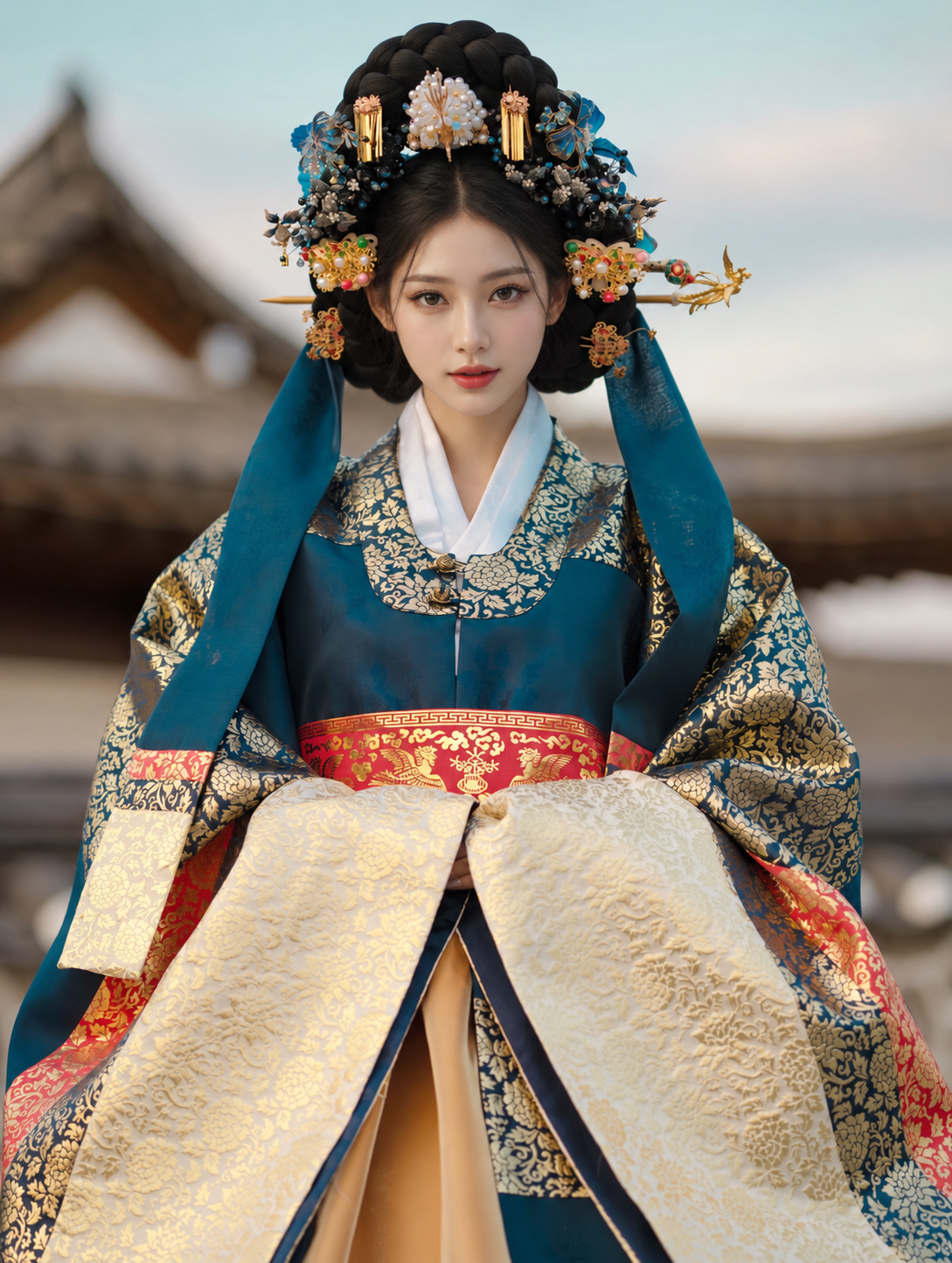
You have seen it before — even if you did not know what to call it. The high collar that frames the neck. The diagonal line of knotted buttons crossing the chest. The fitted silhouette that follows the body. The slit that opens at the knee.
It appears in films, on red carpets, at Lunar New Year celebrations, in fashion editorials, and across social media. It is one of the most recognisable garments in the world. And yet most people, when asked “what is a cheongsam?”, find themselves reaching for words that do not quite capture it.
This is the complete answer to that question. Browse our cheongsam collection →
What Is a Cheongsam? The Short Answer
A cheongsam is a traditional Chinese dress characterised by a high mandarin collar, diagonal frog button closures, a fitted silhouette, and side slits. It is also known as a qipao — the two names refer to the same garment, with cheongsam being the Cantonese pronunciation and qipao being the Mandarin.
It is worn by women across China, Hong Kong, Taiwan, and the Chinese diaspora worldwide, and has been adopted by women of all backgrounds as one of the most elegant and distinctive dresses in existence.
What Does “Cheongsam” Mean?

The word cheongsam (長衫) comes from Cantonese and literally means “long garment” or “long shirt.” It entered the English language through Hong Kong and the Cantonese-speaking diaspora, and remains the most widely used term internationally.
Qipao (旗袍) is the Mandarin Chinese name for the same dress. It literally means “banner robe” — a reference to the Eight Banners (八旗) military system of the Qing dynasty, under which the garment first emerged. This is the name used in mainland China and Taiwan.
In practice, both names are used interchangeably in English. Neither is more correct than the other — they simply reflect different linguistic traditions describing the same iconic garment.
What Does a Cheongsam Look Like? The Defining Features

Regardless of style, era, or fabric, every cheongsam shares the same defining construction elements:
- Mandarin collar (立领) — the high, stiff collar that stands away from the neck. This is the most immediately recognisable feature of the cheongsam and the detail that distinguishes it from every other dress tradition in the world.
- Frog buttons (盘扣) — decorative knotted closures made from fabric cord, running diagonally from the collar across the right chest. The craftsmanship of the frog buttons is often the clearest indicator of a cheongsam’s quality.
- Fitted silhouette — the dress follows the body closely, with darts at the bust and waist. This is the key departure from the original loose Manchu robe from which the cheongsam evolved.
- Side slits (开叉) — openings at one or both sides of the hem that allow freedom of movement. The height of the slit varies from modest to dramatic depending on the style and occasion.
- Right-side opening — the garment opens on the right side, consistent with the Han Chinese convention of right-lapel dress.
“The cheongsam is one of the few garments in the world that is instantly recognisable from a single detail — the mandarin collar. Everything else about it can vary; that collar is constant. It is the signature of the dress.”
— Professor Wessie Ling, fashion historian, Northumbria University
Where Did the Cheongsam Come From? A Brief History

The history of the cheongsam is more surprising than most people expect.
It did not begin as a Han Chinese garment. The cheongsam evolved from the robes of the Manchu people, who founded the Qing dynasty in 1644. The original Manchu robe was loose, straight-cut, and practical — designed for movement on horseback, not for elegance.
It was transformed in 1920s Shanghai. The cheongsam as we know it today was created by Han Chinese women in cosmopolitan Shanghai, who took the Manchu robe and rebuilt it entirely. They fitted it to the body, raised and stiffened the collar, incorporated Western tailoring techniques, and adjusted the hem according to fashion. The result was something entirely new: a dress that was simultaneously Chinese and modern.
It became the national dress of China. By the 1930s, the cheongsam was worn by Chinese women across all social classes — film stars, politicians’ wives, factory workers, and students alike. It was the defining garment of modern Chinese womanhood.
It went global through Hong Kong. When the People’s Republic of China was established in 1949, the cheongsam fell out of favour on the mainland. But it thrived in Hong Kong, Taiwan, and the diaspora — and it was through Hong Kong that the garment entered global consciousness, carried by the name “cheongsam.”
“The cheongsam is not a survival from the ancient past. It is a modern invention — created in the 20th century by women who wanted a dress that was both Chinese and contemporary. That is precisely why it remains so relevant today.”
— Dr. Antonia Finnane, Professor of History, University of Melbourne, author of Changing Clothes in China
Traditional vs Modern Cheongsam: What’s the Difference?

The cheongsam of today exists across a wide spectrum from strictly traditional to boldly contemporary. Understanding the difference helps you find the right style for your occasion.
Traditional cheongsam are floor-length or tea-length, made from silk or brocade, with hand-stitched frog buttons and embroidery in auspicious motifs — phoenixes, peonies, dragons, clouds. They are formal garments, made to be worn for ceremonies, weddings, and significant occasions.
Modern cheongsam are typically knee-length or shorter, made from stretch fabrics, with simplified frog buttons or zip closures. They are adapted for everyday life — dinner parties, cultural events, date nights, office occasions. They retain the mandarin collar and the essential silhouette of the traditional dress while making it practical for modern wear.
Improved cheongsam (改良旗袍) sit between the two — they use the construction and aesthetic of the traditional cheongsam but adapt the silhouette for comfort and contemporary proportions. Bell cuts, A-line hems, and relaxed waists make them more wearable without sacrificing elegance.
What Are Cheongsam Made From?

The fabric of a cheongsam tells you a great deal about its quality, occasion, and price point.
- Silk — the most prestigious fabric for cheongsam. Drapes beautifully, photographs with a natural lustre, and feels exceptional against the skin.
- Jacquard — a woven fabric with pattern built into the weave. Structured, rich-looking, and durable. The most common fabric for mid-to-high-end cheongsam.
- Brocade — heavily patterned with a raised texture. Maximum visual richness. Used for the most formal and ceremonial cheongsam.
- Organza & gauze — lightweight and translucent. Used for layered looks, shawls, and ethereal modern styles.
- Stretch fabrics — used in modern and improved cheongsam. More comfortable for extended wear and more forgiving across body types.
- Cotton-linen blends — used in daily-wear improved cheongsam. Breathable, practical, and comfortable for everyday use.
What Occasions Is a Cheongsam Worn For?

The cheongsam is one of the most versatile formal garments in existence. It is worn for:
- Weddings — as a bride, a guest, or a bridesmaid. Red for the tea ceremony; white, champagne, or gold for modern ceremonies; jewel tones for evening banquets. Wedding cheongsam →
- Chinese New Year & Lunar New Year — red and gold cheongsam are the definitive dress for Lunar New Year celebrations worldwide.
- Prom & formal events — a genuine alternative to the Western ball gown. Floor-length with embroidery and a dramatic slit. Prom cheongsam →
- Cultural events & festivals — any occasion that calls for a distinctly Chinese aesthetic.
- Everyday modern wear — knee-length in stretch fabric, worn with ankle boots and a blazer.
- Photography & editorial — the cheongsam photographs exceptionally well. The structured collar, the fitted silhouette, and the diagonal line of the frog buttons create natural visual interest in every frame.
How Is a Cheongsam Different from Other Asian Dress Traditions?
- Cheongsam vs Kimono — the kimono is a Japanese garment with a wide, T-shaped silhouette, wrapped and tied with an obi sash. The cheongsam is fitted and structured, with a collar and frog buttons. They share an East Asian aesthetic but are entirely different garments from entirely different traditions.
- Cheongsam vs Hanfu — hanfu is the traditional dress of the Han Chinese people, worn from the earliest dynasties through to the mid-17th century. It is characterised by a cross-collar construction and flowing, layered silhouettes. The cheongsam is a 20th-century garment with Manchu origins. Browse our hanfu collection →
- Cheongsam vs Ao Dai — the Vietnamese ao dai shares the high collar and fitted silhouette of the cheongsam, reflecting historical Chinese cultural influence on Vietnam. The ao dai is typically worn over wide-leg trousers; the cheongsam is a standalone dress.
How Should a Cheongsam Fit?

A cheongsam should fit closely but not restrict movement. The collar should sit comfortably at the neck without gapping or digging in. The side slit should allow a full stride. The waist should be defined but not constricting.
The golden rule: size by bust measurement. If you are between sizes, size up — a cheongsam that is slightly loose can be taken in; one that is too tight cannot be let out.
Each product in our collection includes a detailed size chart in both centimetres and inches. Browse and find your size →
Can Anyone Wear a Cheongsam?
Yes. The cheongsam has been worn by women of all backgrounds for over a century. It was created in cosmopolitan Shanghai by women who were themselves navigating multiple cultural influences. It has been worn by Western film stars, diplomats’ wives, and fashion icons across every decade since the 1930s.
Wearing a cheongsam with genuine appreciation and respect for its cultural context — understanding what it is, where it comes from, and what it represents — is always appropriate. The garment itself has always been a site of cultural exchange. That is part of what makes it so enduring.
How Do You Care for a Cheongsam?
- Hand wash in cold water or dry clean — machine washing distorts the construction and damages embroidery
- Store hanging in a breathable garment bag — folding creates permanent creases in structured garments
- Iron on low temperature with a pressing cloth over embroidered areas — never iron directly on frog buttons
- Keep away from direct sunlight to prevent colour fading, particularly in red and deep-toned pieces
Shop Cheongsam at Yandan Hanfu
We carry one of the most comprehensive collections of cheongsam available internationally — from traditional silk qipao to modern everyday styles, bridal cheongsam, prom dresses, and plus size options.
- Full cheongsam collection →
- Wedding & bridal cheongsam →
- Prom & evening cheongsam →
- Plus size cheongsam →
- Men’s cheongsam →
Frequently Asked Questions
What is a cheongsam?
A cheongsam is a traditional Chinese dress with a high mandarin collar, diagonal frog button closures, a fitted silhouette, and side slits. It is also known as a qipao. It originated in 1920s Shanghai and has become one of the most recognisable garments in the world.
What is the difference between a cheongsam and a qipao?
They are the same garment. Cheongsam is the Cantonese name; qipao is the Mandarin name. Both refer to the fitted, high-collared Chinese dress with frog button closures.
Is a cheongsam Chinese or Japanese?
The cheongsam is Chinese. It originated in China in the 1920s and is associated with Chinese culture, history, and identity. It is sometimes confused with the Japanese kimono, but they are entirely different garments from different traditions.
What is a cheongsam worn for?
Cheongsam are worn for weddings, Chinese New Year, prom and formal events, cultural celebrations, and everyday modern wear. They are one of the most versatile formal garments in existence.
How do you pronounce cheongsam?
Cheongsam is pronounced “chong-sam” — the “ch” is soft, like in “chair.” The Mandarin equivalent, qipao, is pronounced “chee-pow.”
What sizes do cheongsam come in?
Our collection includes sizes XS through XL as standard, with a dedicated plus size range. Browse plus size cheongsam →