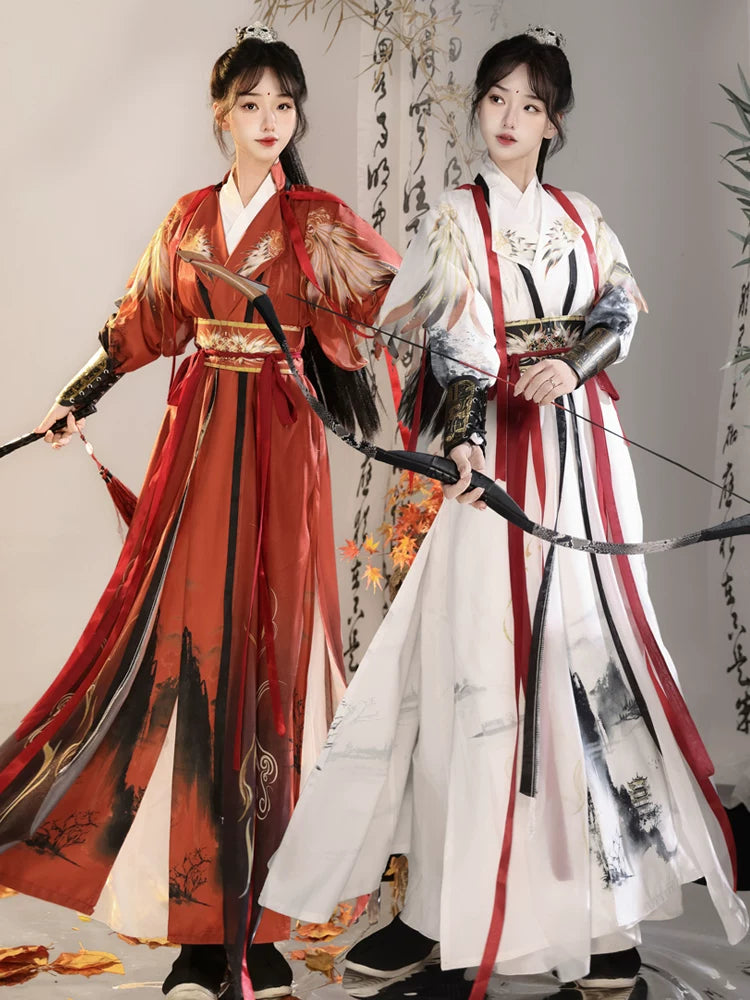
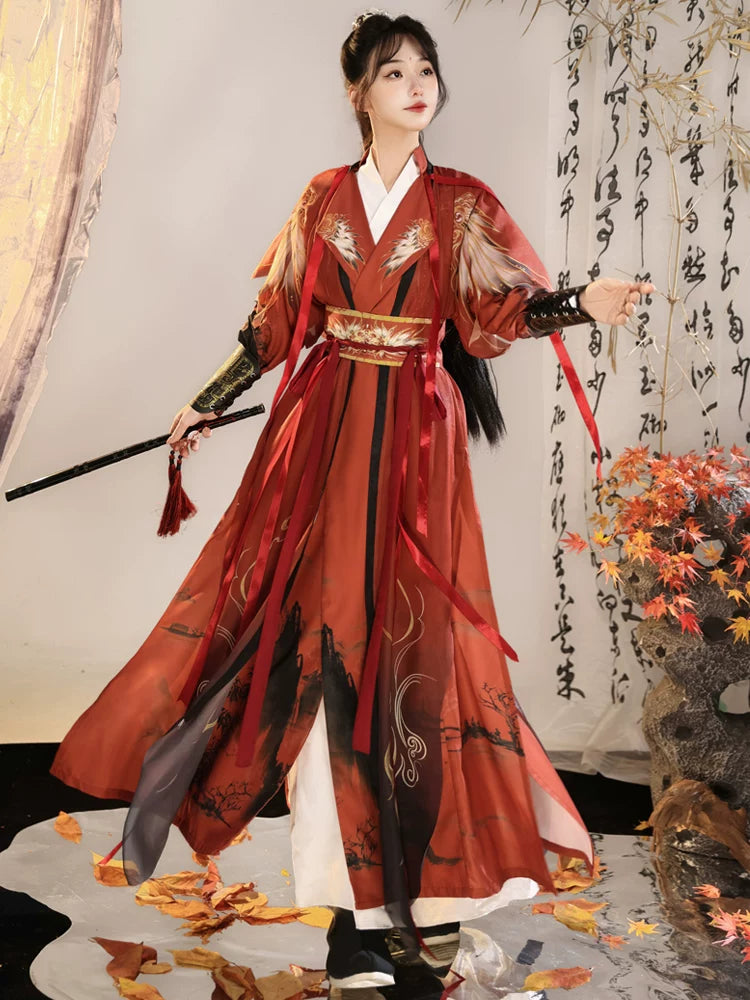
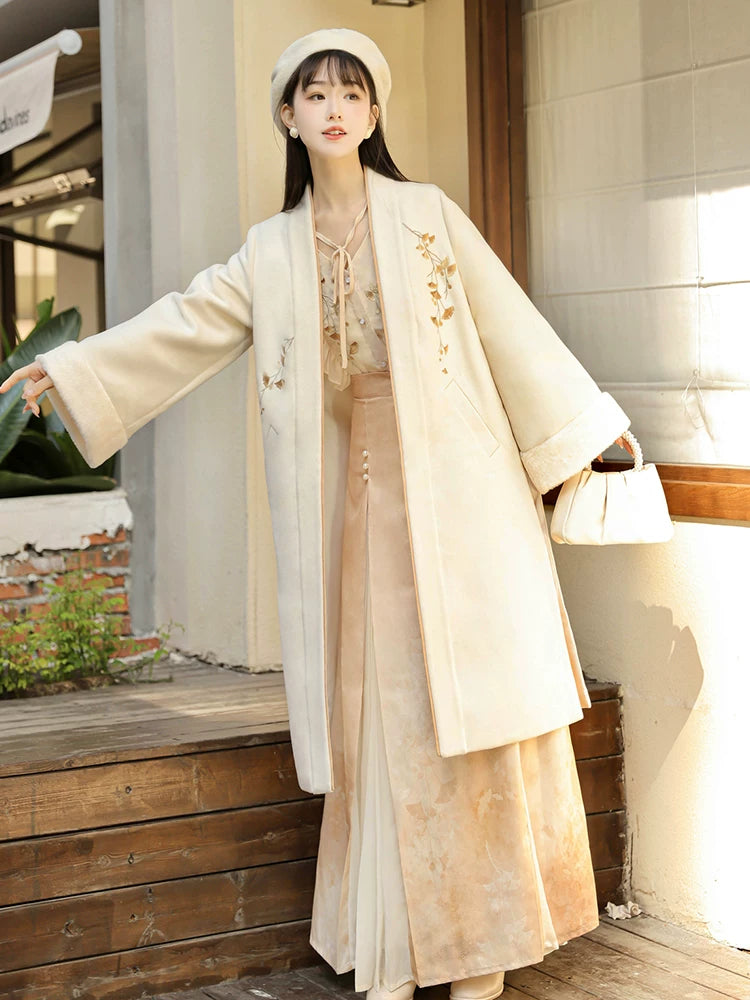
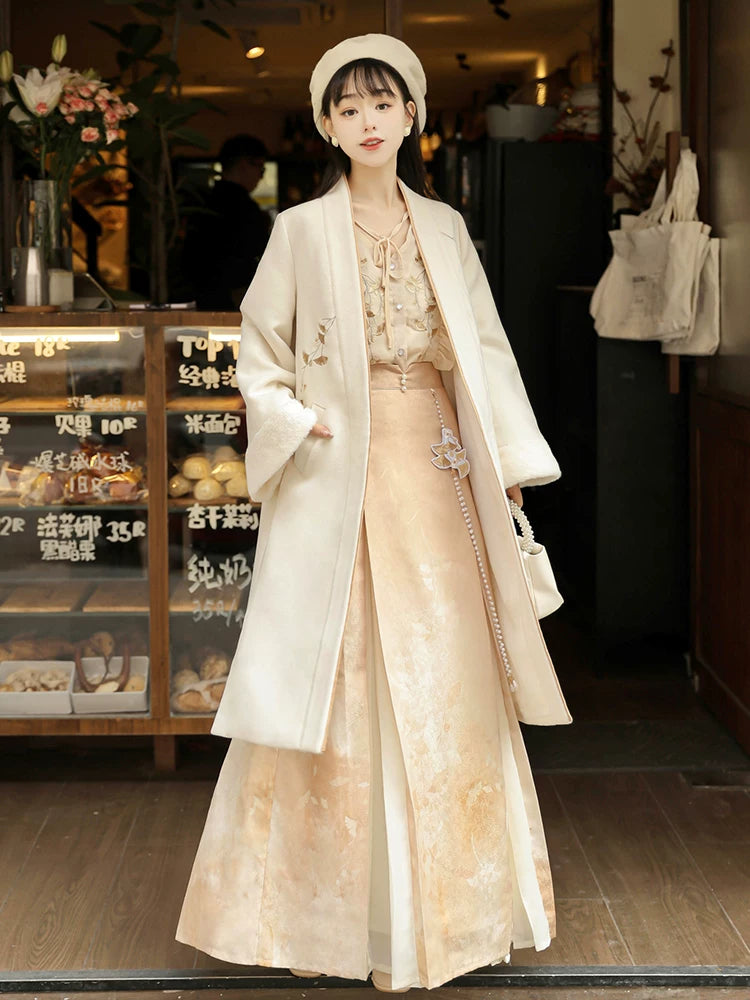
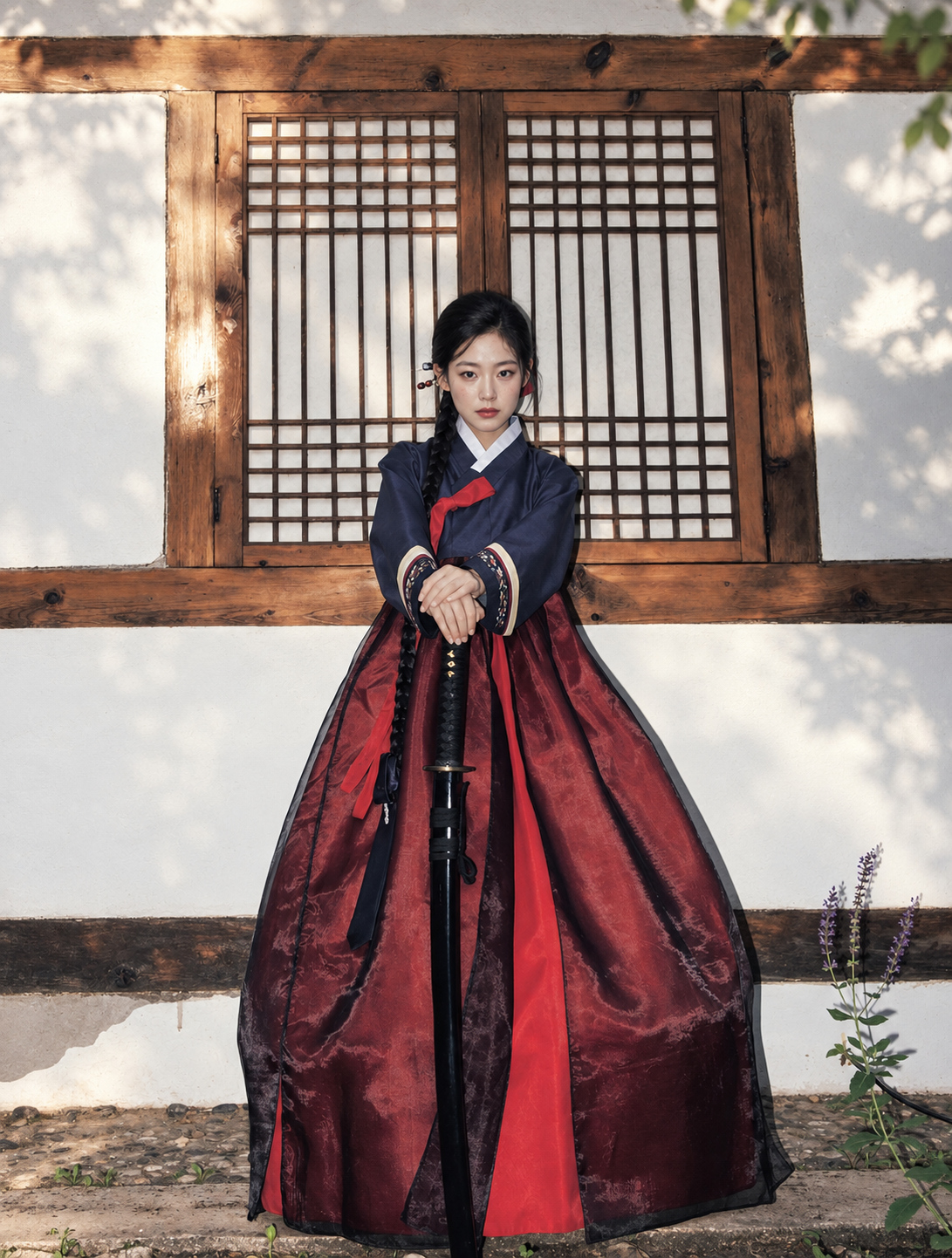
A fitted Chinese dress with a standing collar is usually called a qipao or cheongsam. A flowing, layered outfit may be hanfu, a broader family of Han Chinese clothing. If you are trying to name a dress you have seen, start with its construction: one shaped dress, a separate top and skirt, or a long robe with layers.
This visual guide helps you put a name to the look and find a wearable version. The photographs below show current Yandan products, so you can move from identifying a style to checking its sizes and components.
Chinese dress names at a glance
| What you see | Name to look for | Where to start |
|---|---|---|
| A shaped, one-piece dress, often with a standing collar and side slit | Qipao / cheongsam | Browse qipao and cheongsam dresses |
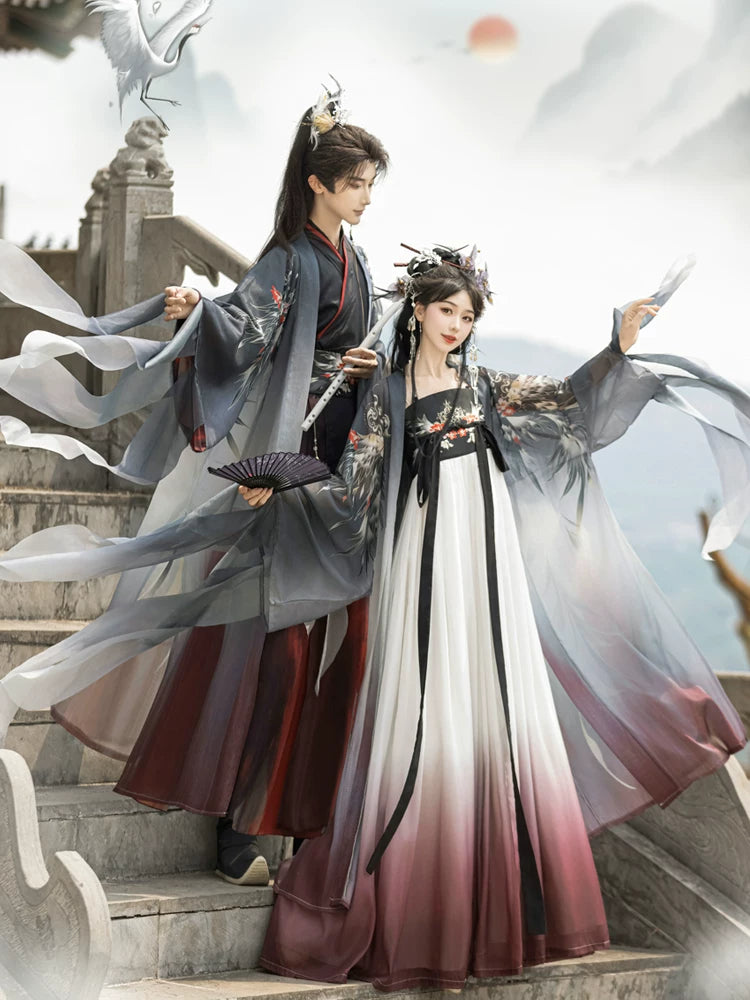
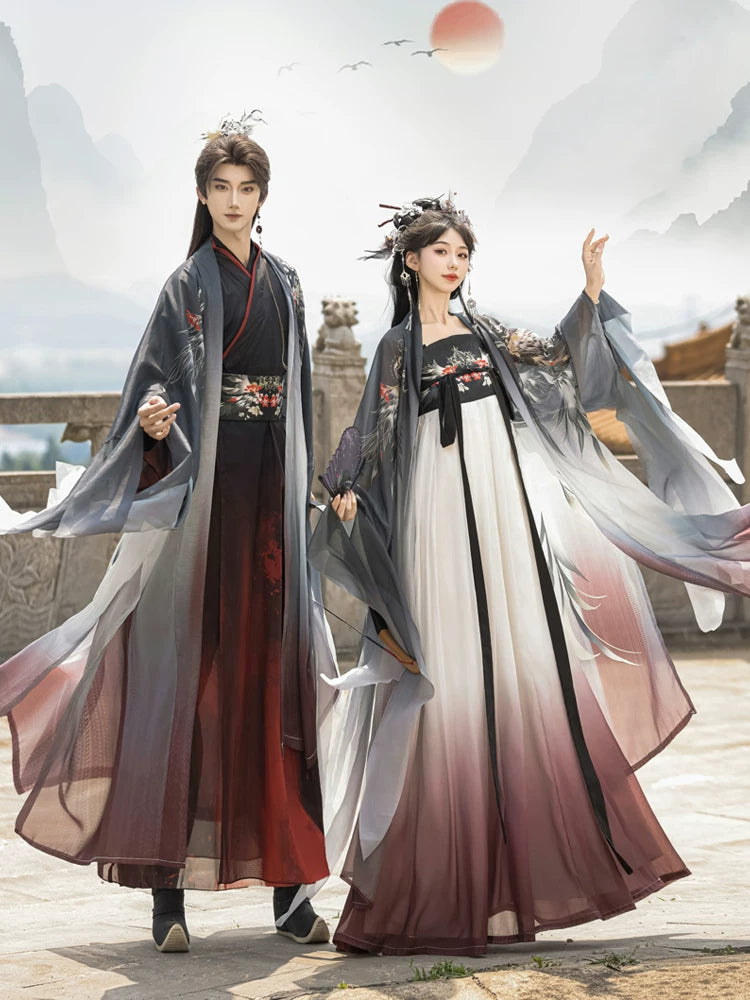
| A flowing outfit with separate layers, a skirt or a robe | Hanfu; identify the individual garments next | Browse women’s traditional hanfu |
| A short upper garment paired with a separate skirt | Ruqun, when the outfit follows that top-and-skirt form | Read the ruqun guide |
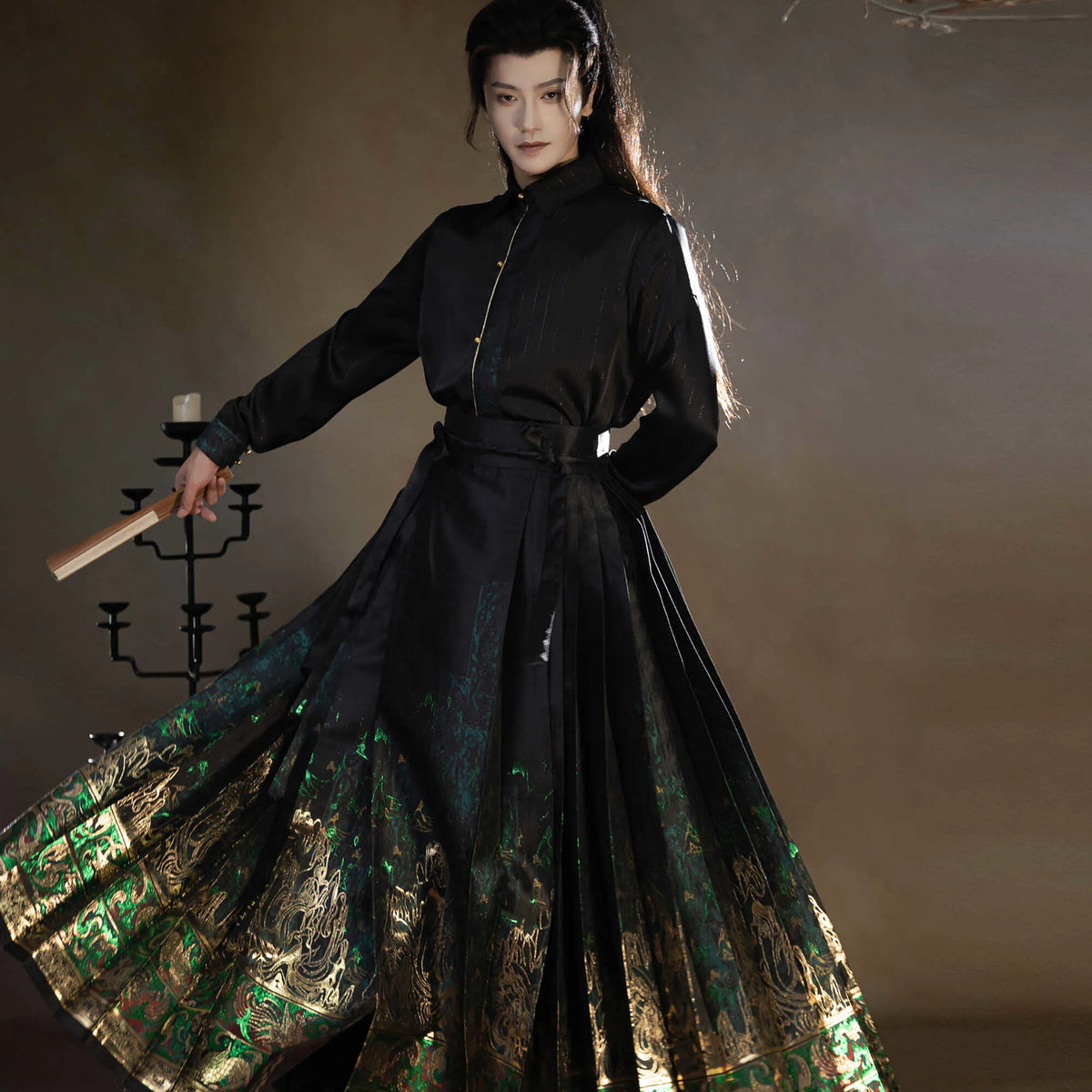
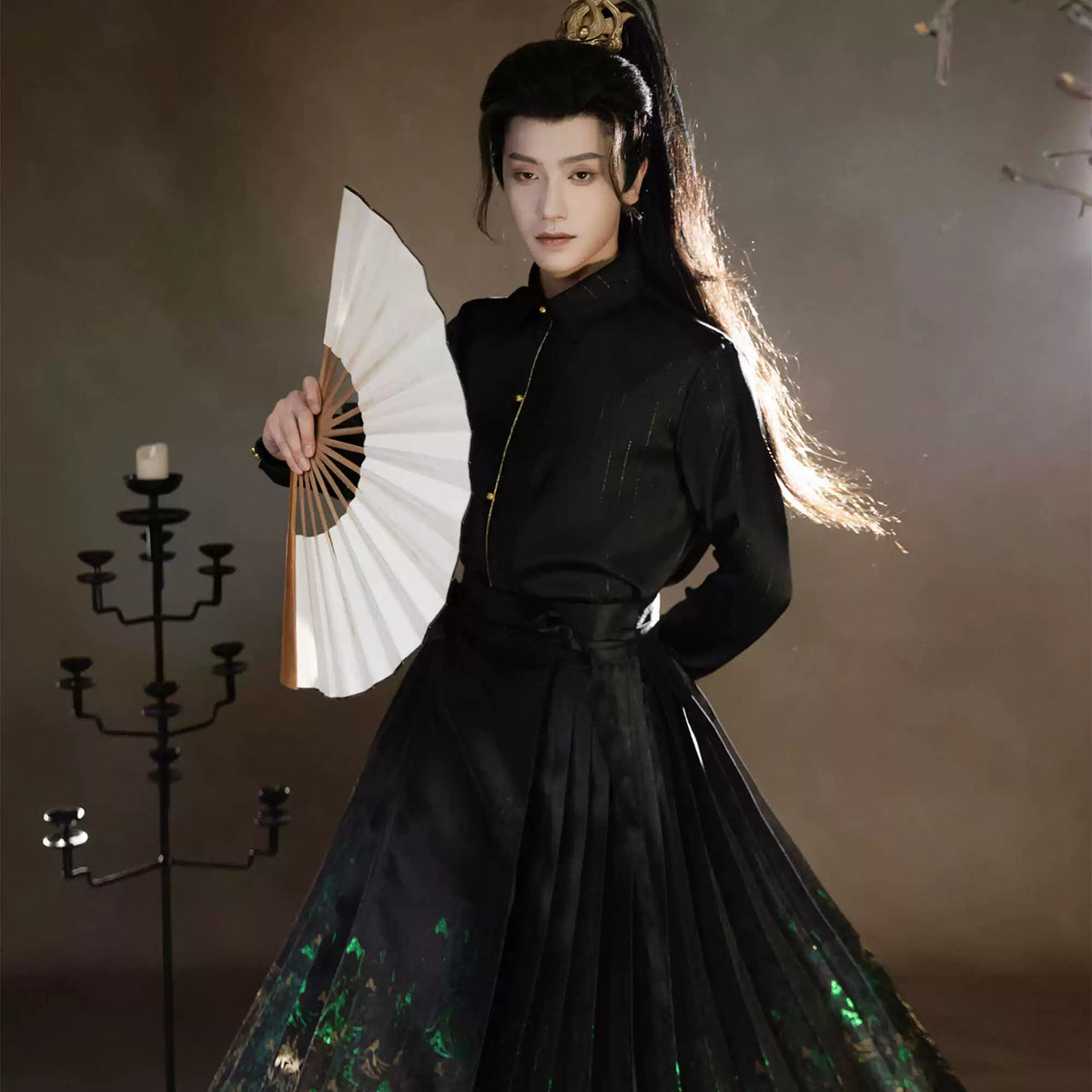
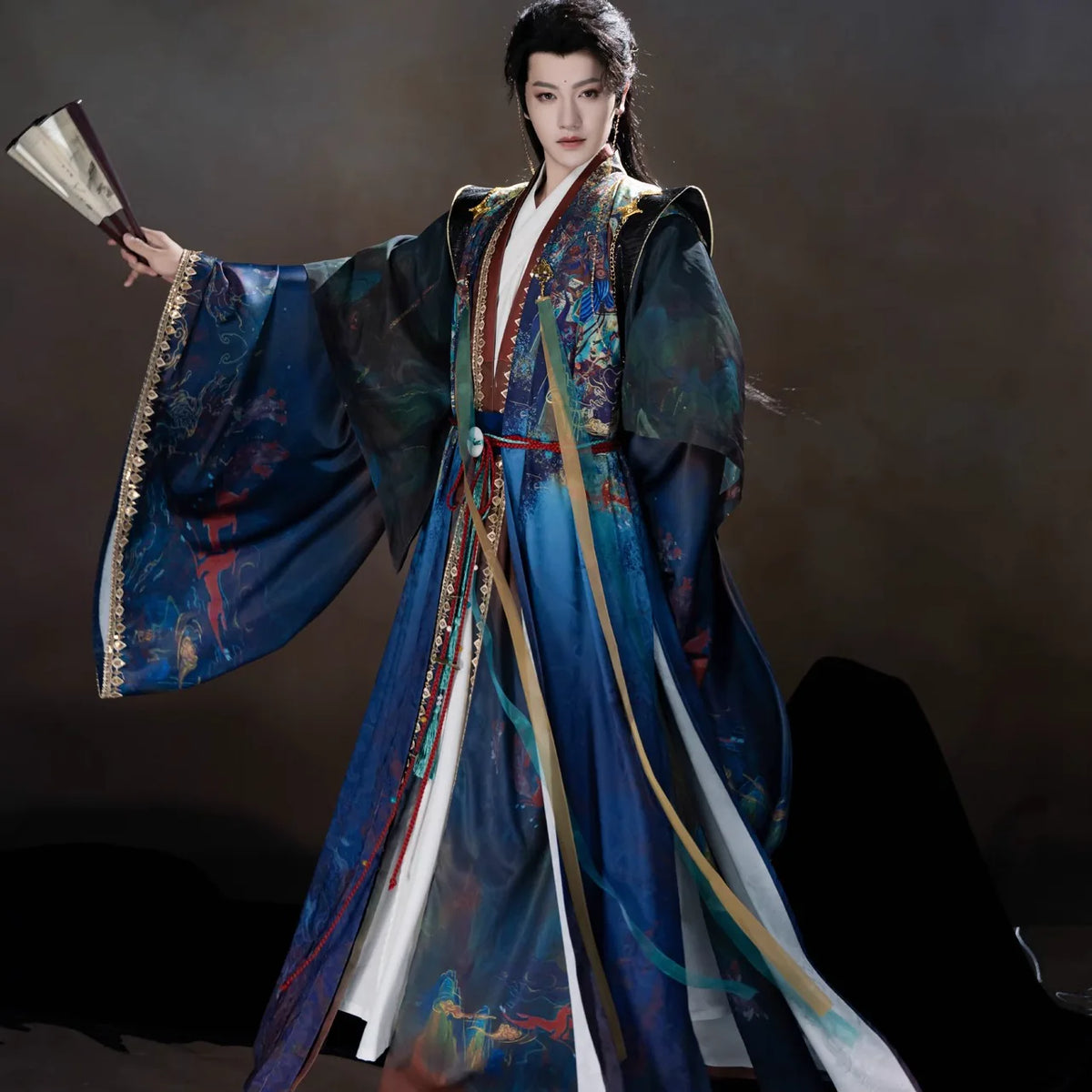
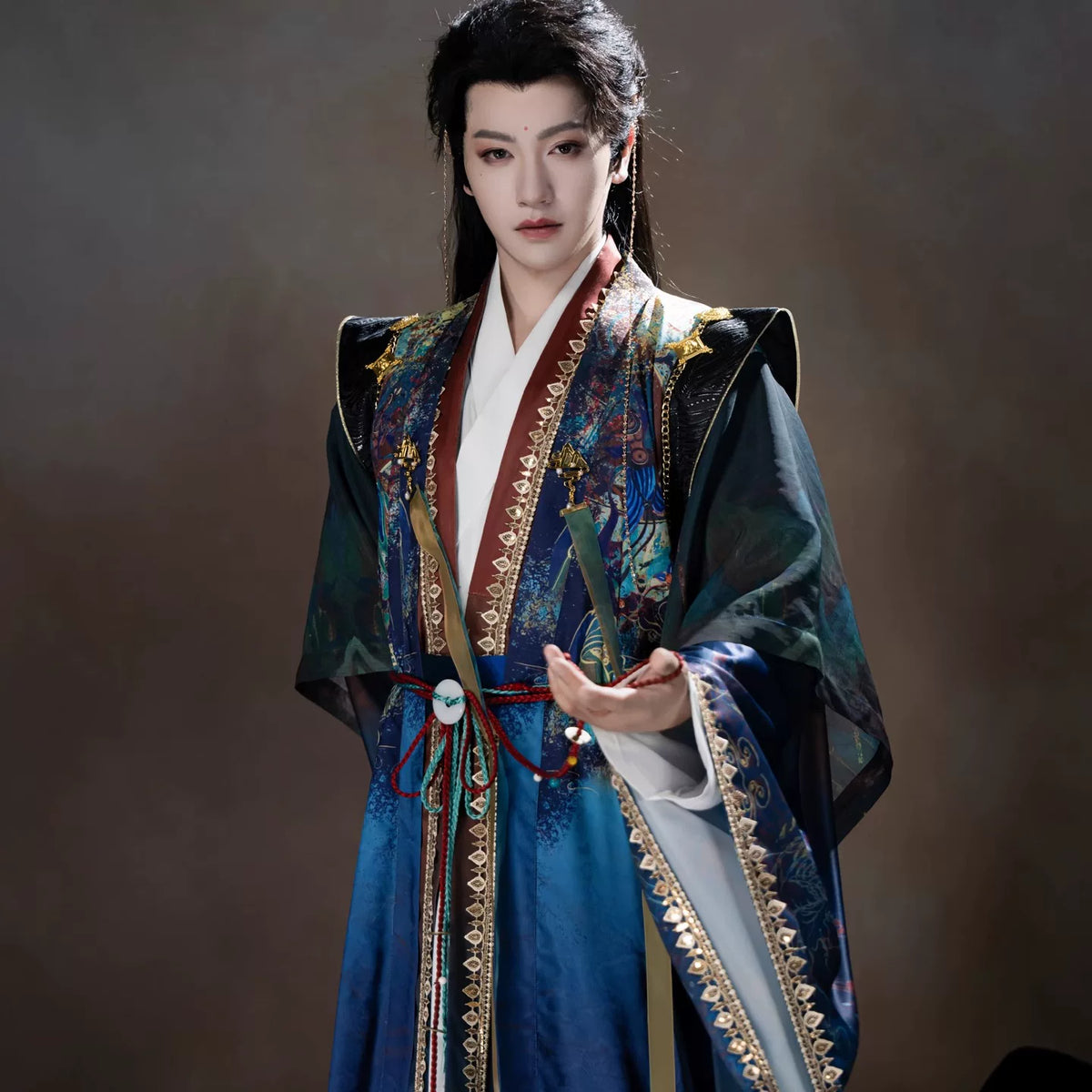
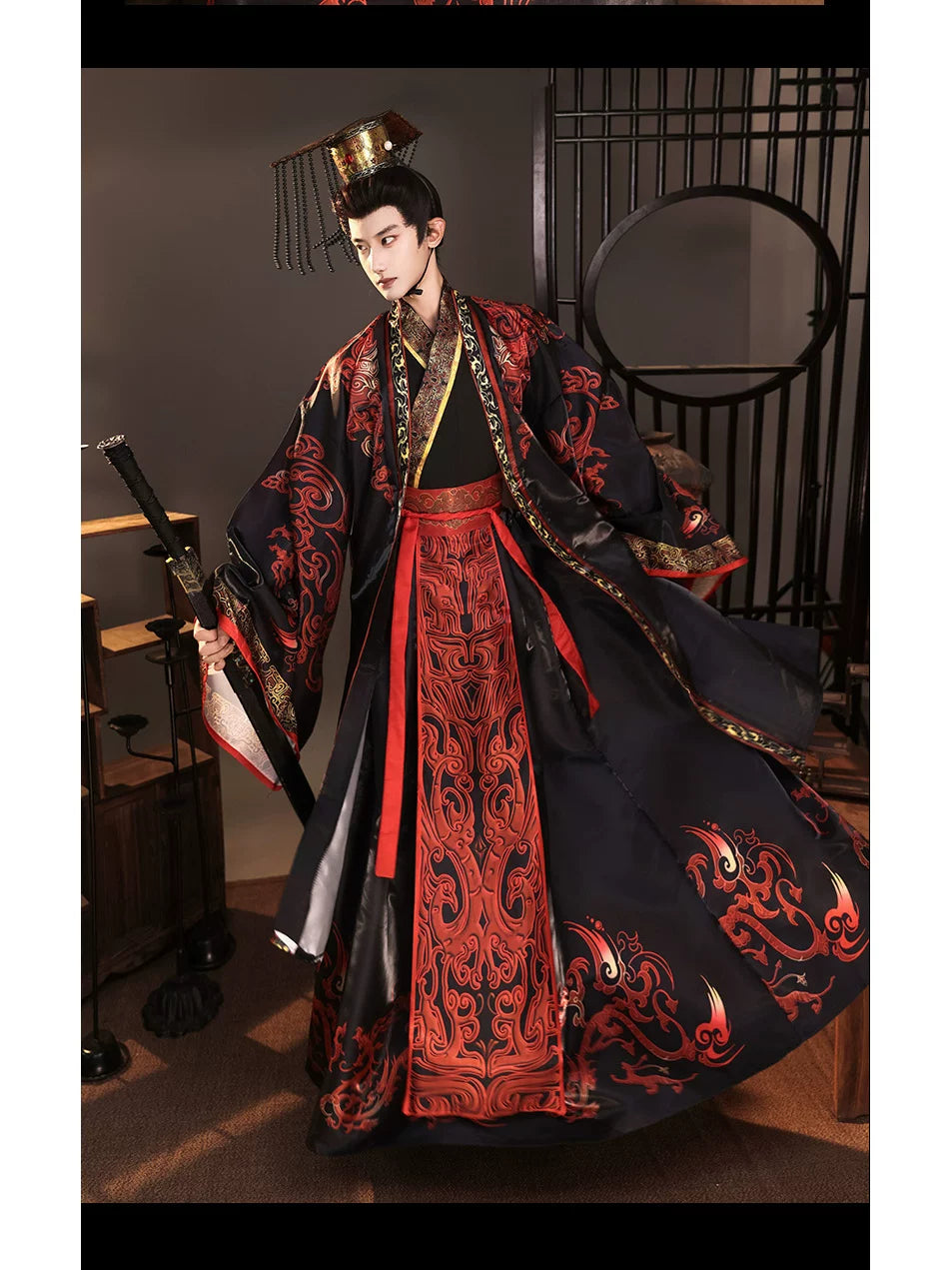
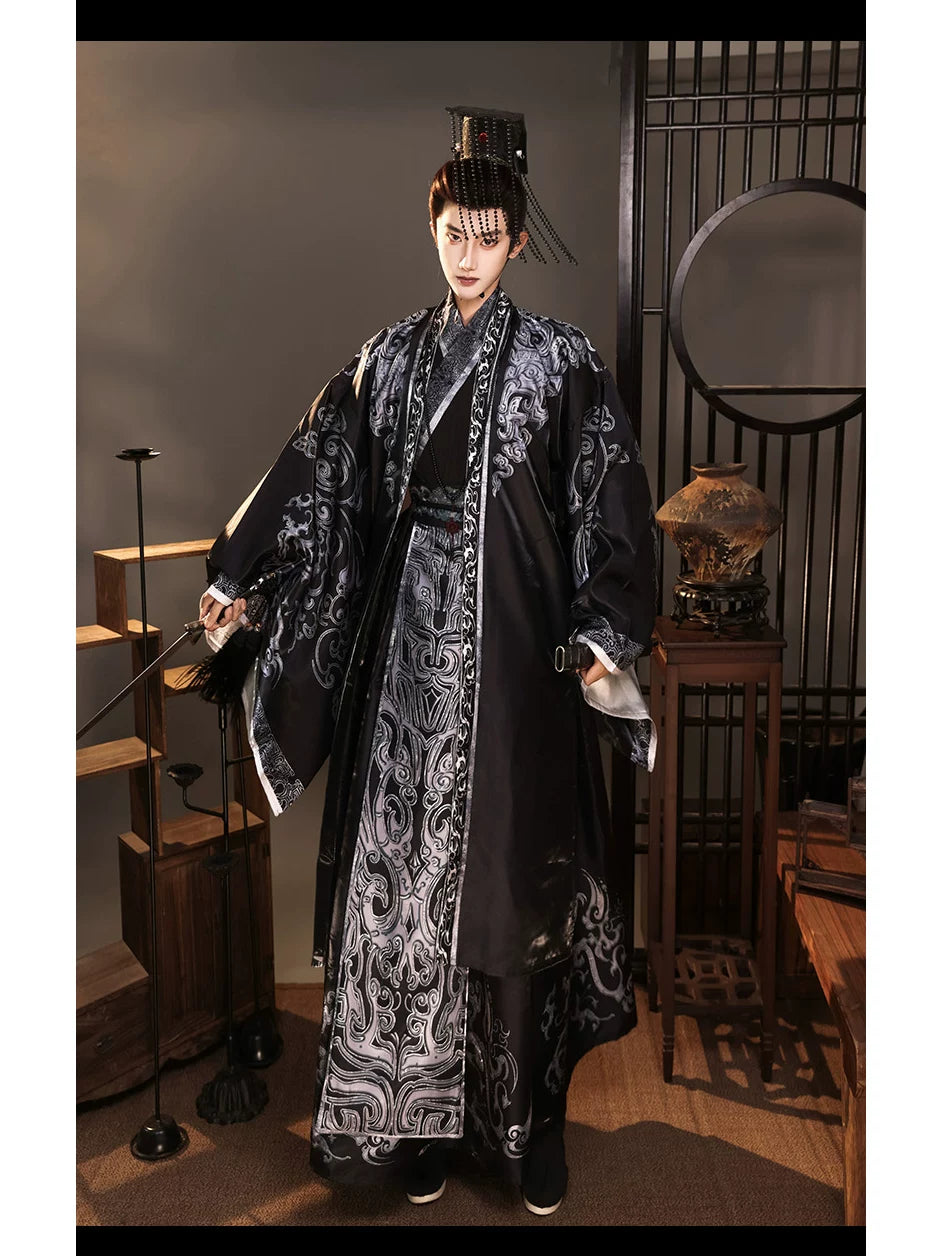
| A long Chinese robe worn with a belt or layered clothing | Start with men’s hanfu or Chinese robes; the exact name depends on cut and period | Explore men’s traditional hanfu |
These are useful starting points, not a complete list of China’s clothing traditions. A collar, floral print or long sleeve alone cannot identify a garment.
1. Qipao or cheongsam: the fitted Chinese dress
For the dress many people picture when they search “Chinese dress name,” qipao and cheongsam are the most useful shopping terms. Look for a continuous dress silhouette, shaped waist and standing collar. Side slits and decorative knotted fastenings are common, although contemporary versions vary.
Singapore’s National Heritage Board identifies qipao and cheongsam as names for this dress and describes its characteristic collar, fastening and slits. See its cheongsam tailoring guide for background. Our Qipao vs Cheongsam article explains the naming in more detail.

Shop the example: White Plum Blossom Silk Cheongsam
Choose this if you like a pale dress with dark botanical detailing for a dinner, celebration or portrait session. The product lists an 88.7% mulberry silk and 11.3% spandex shell, a separate polyester-spandex lining, a back zipper and sizes M–3XL. It is a silk blend, so compare the composition rather than assuming the whole dress is pure silk.
View the White Plum Blossom Cheongsam and size chart → Compare bust, waist, hips and dress length with the garment measurements before choosing your size.
2. Hanfu: flowing layers rather than one dress shape
Hanfu refers to Han Chinese clothing traditions and their contemporary revival. It is an umbrella term, not the name of one single dress. A hanfu outfit may combine a top, skirt, robe and outer layer; the exact combination depends on the style.
When identifying an outfit in a photograph, trace the edges of the garments. Can you see a separate skirt waistband? Does an outer layer open over another top? Do the sleeves belong to an overgarment? Those clues are more useful than the colour or embroidery.

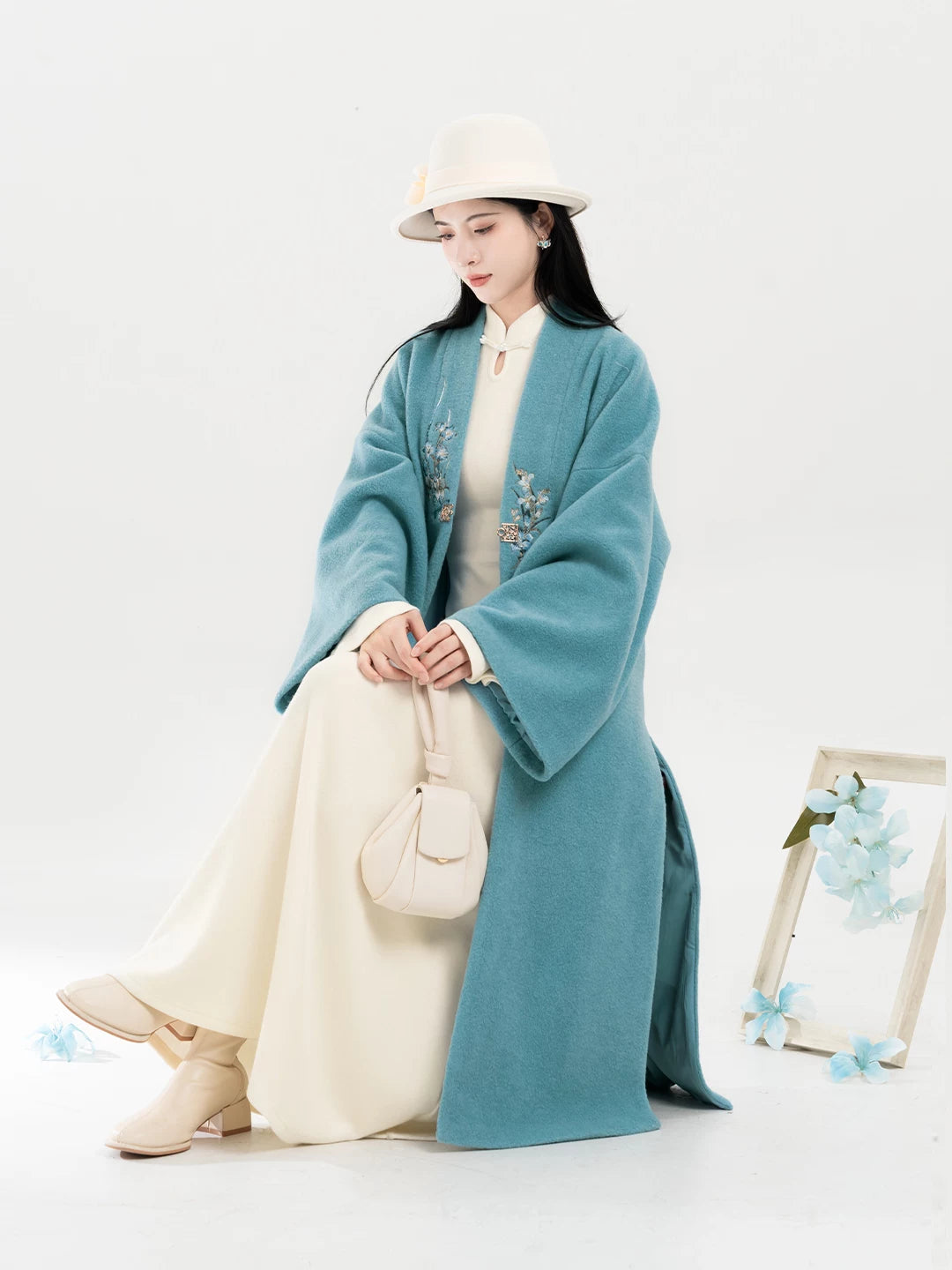
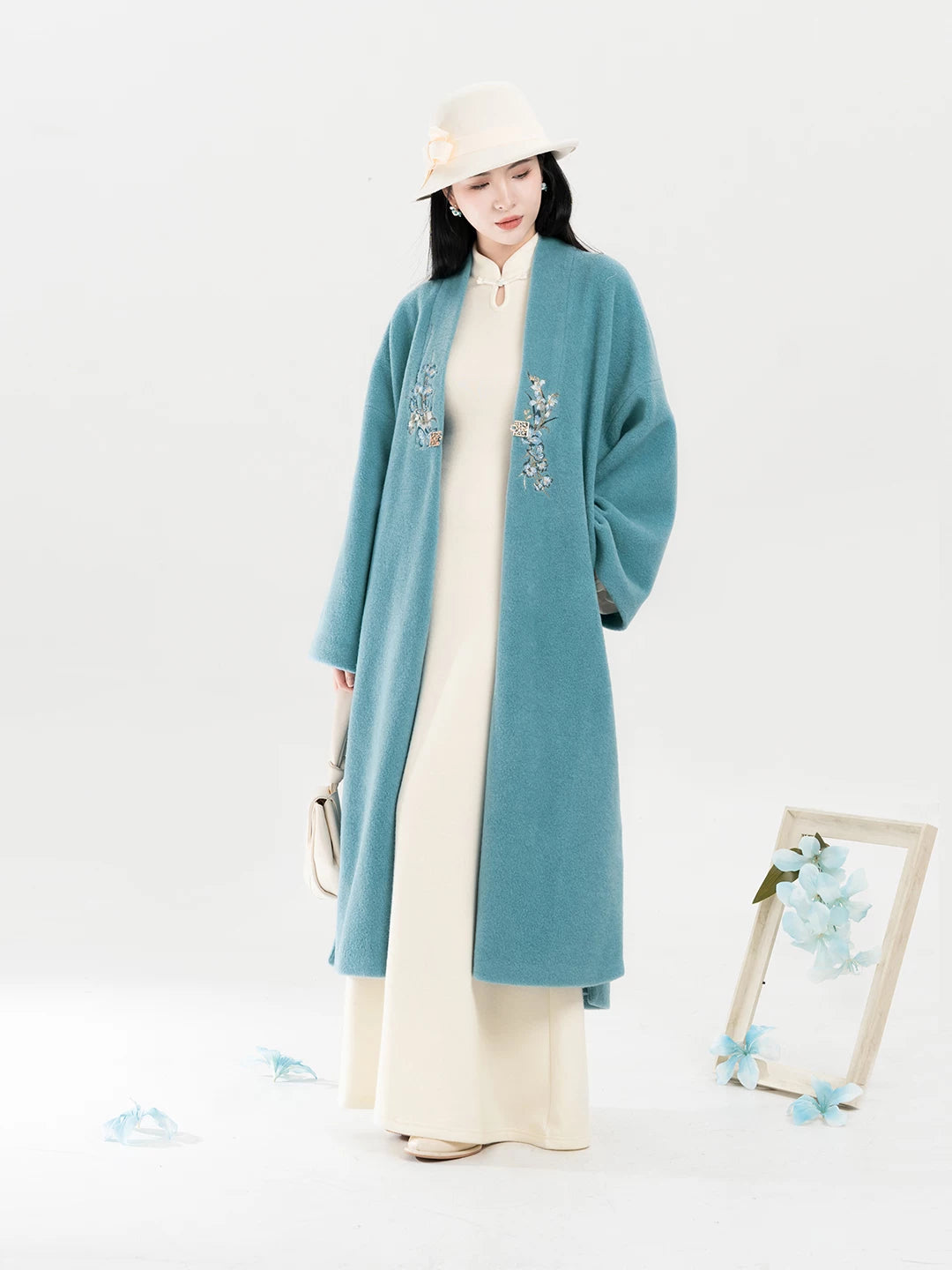
Shop the example: White Tea Blue Tang-Style Hanfu Set
This is an option for readers who want a layered blue-and-white look for a hanfu gathering or photoshoot. The listing offers a three-piece clothing set in S, M and L, with a blue outer layer, a white outer layer and a skirt. It provides separate measurements for the components. Jewellery, hair ornaments and shoes shown in styling photographs are not listed as included pieces.
View the White Tea Blue Hanfu Set and component measurements → For more silhouettes, explore the women’s traditional hanfu collection.
3. Ruqun: a more specific top-and-skirt name
If the outfit has a short upper garment and a separate skirt, ruqun may be the more specific term you need. It describes a clothing combination within hanfu, rather than a synonym for every flowing Chinese dress. Modern listings may also use “hanfu set” when the outfit contains several outer layers.
For choosing a set, the package list matters more than the name alone. A photograph can show a top, skirt, overgarment and accessories even when the selected option buys only one piece. Use our ruqun guide to explore this silhouette.
4. What is a Chinese robe for men called?
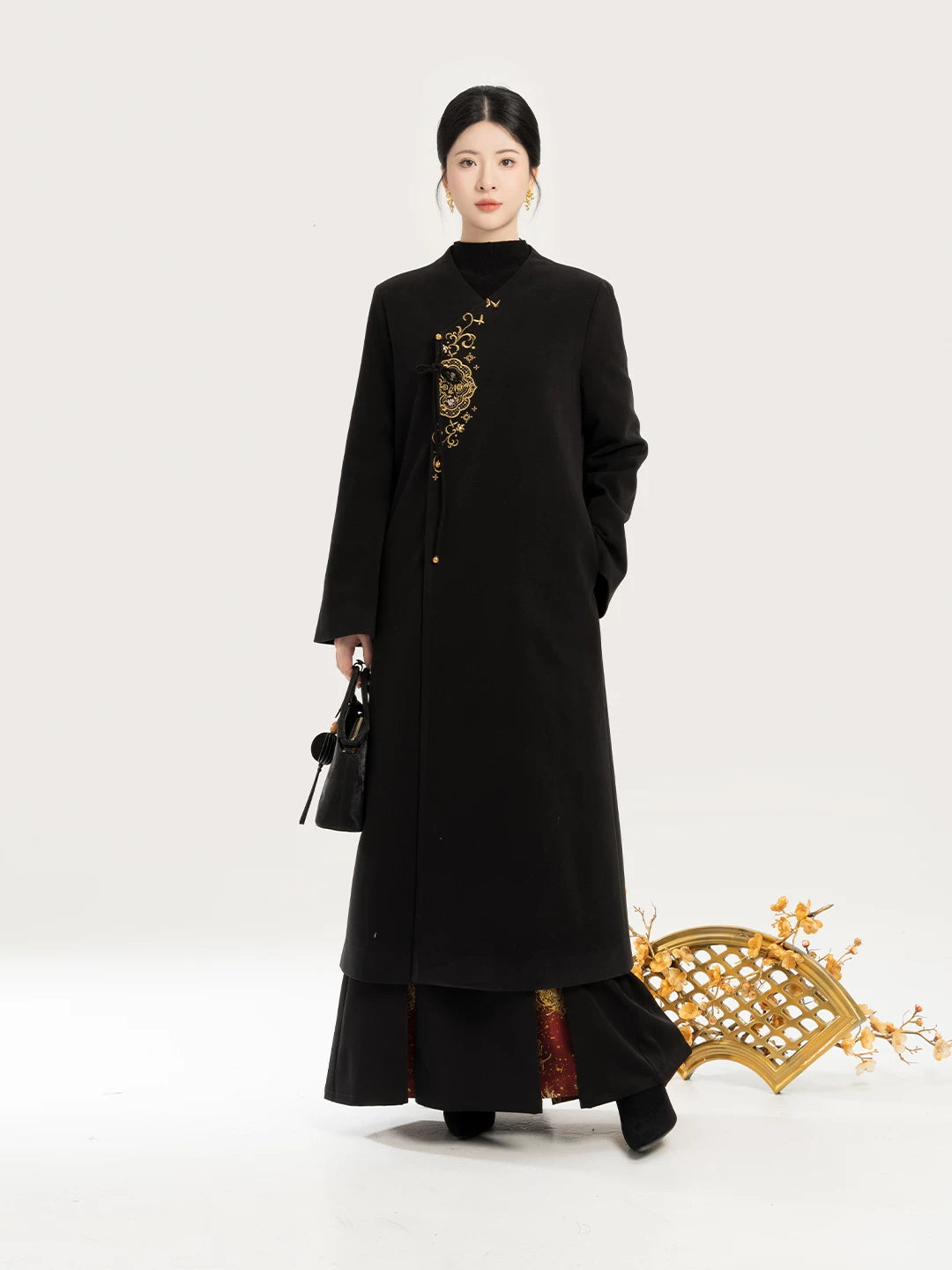
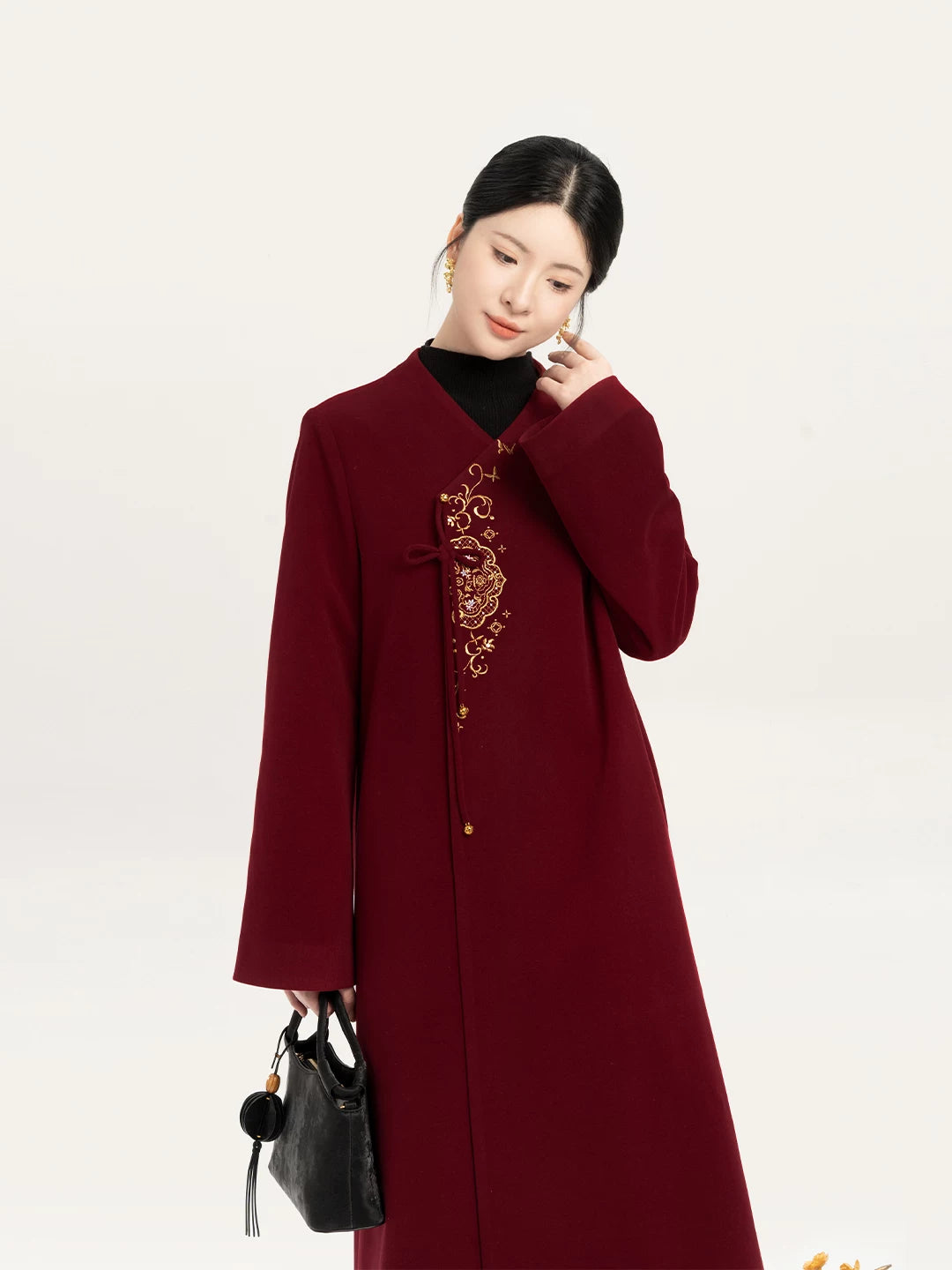
“Men’s hanfu” is a useful starting category for historical-style Han Chinese outfits, but a long robe needs closer identification. Check the neckline, front opening, sleeves and the period the design references. A robe in a fantasy drama may mix several influences.
If you are drawn to layered scholar-style looks, read our Song dynasty clothing guide for men. It pairs historical reference points with contemporary outfit options. For shopping across styles, visit men’s traditional hanfu.
Choose the look, then check the fit
- Want a fitted one-piece silhouette? Start with qipao and check bust, waist, hips and slit height on the exact listing.
- Want flowing layers? Start with hanfu and check each garment’s length, sleeve span and included pieces.
- Buying for an event? Choose the outfit first, then confirm processing and delivery timing before ordering accessories.
Yandan offers free worldwide shipping with duties and taxes included. See our shipping information for delivery details. If a package option or measurement is unclear, contact us with the product link before ordering.
Frequently asked questions
Are qipao and cheongsam different dresses?
In common English shopping usage, the names usually refer to the same dress family. Compare the actual design and measurements rather than treating the two labels as different fits.
Is every traditional Chinese dress called hanfu?
No. China has many clothing traditions, and hanfu is not a catch-all label for every Chinese garment. Use the silhouette and garment construction to narrow down the name.
Does a hanfu set include the accessories in its photo?
Only when the selected package explicitly includes them. Check the variant label and component list for shoes, headwear, jewellery and belts.
Found your style? Shop qipao dresses or explore layered hanfu sets and compare the exact options before ordering.