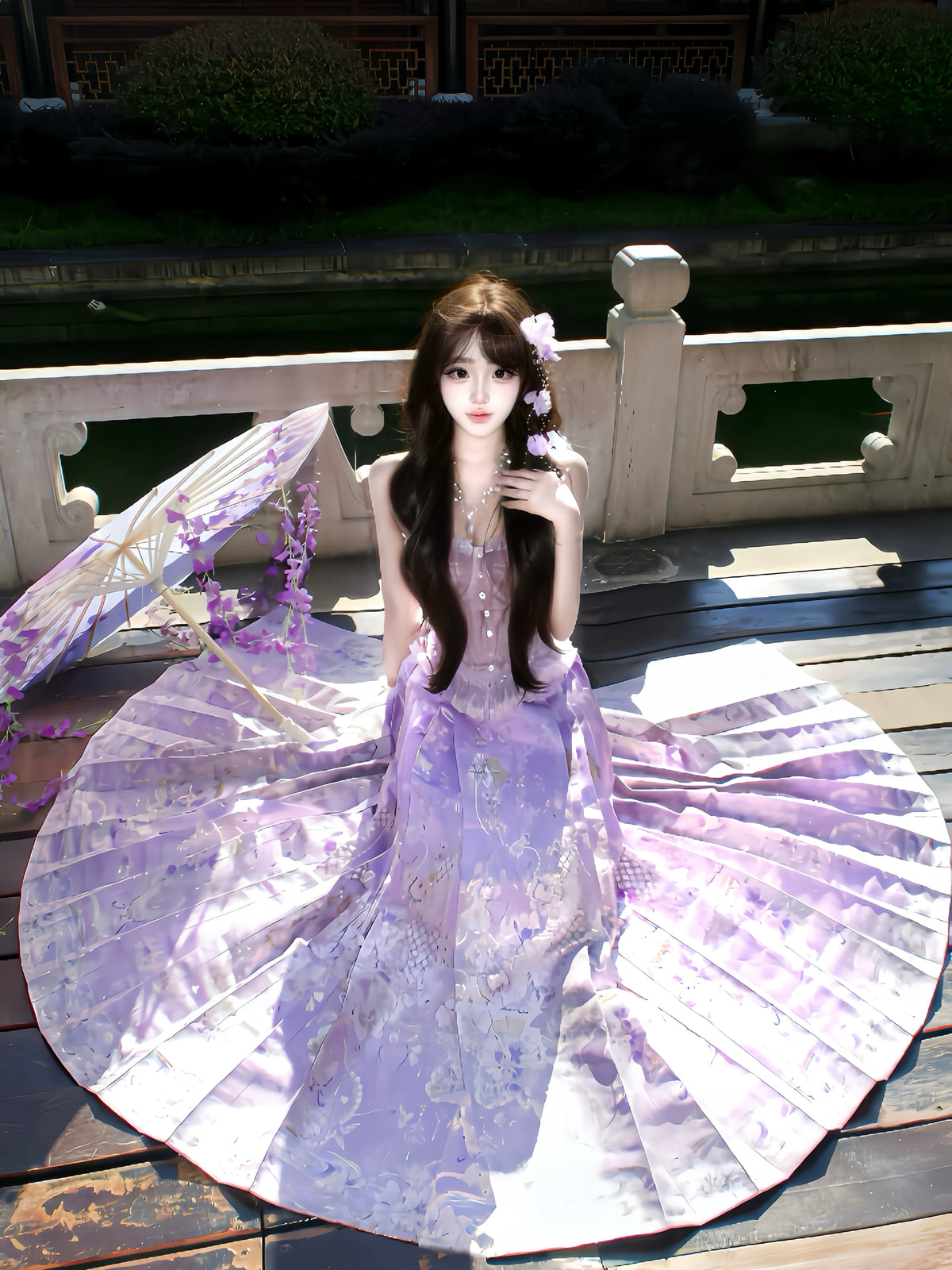
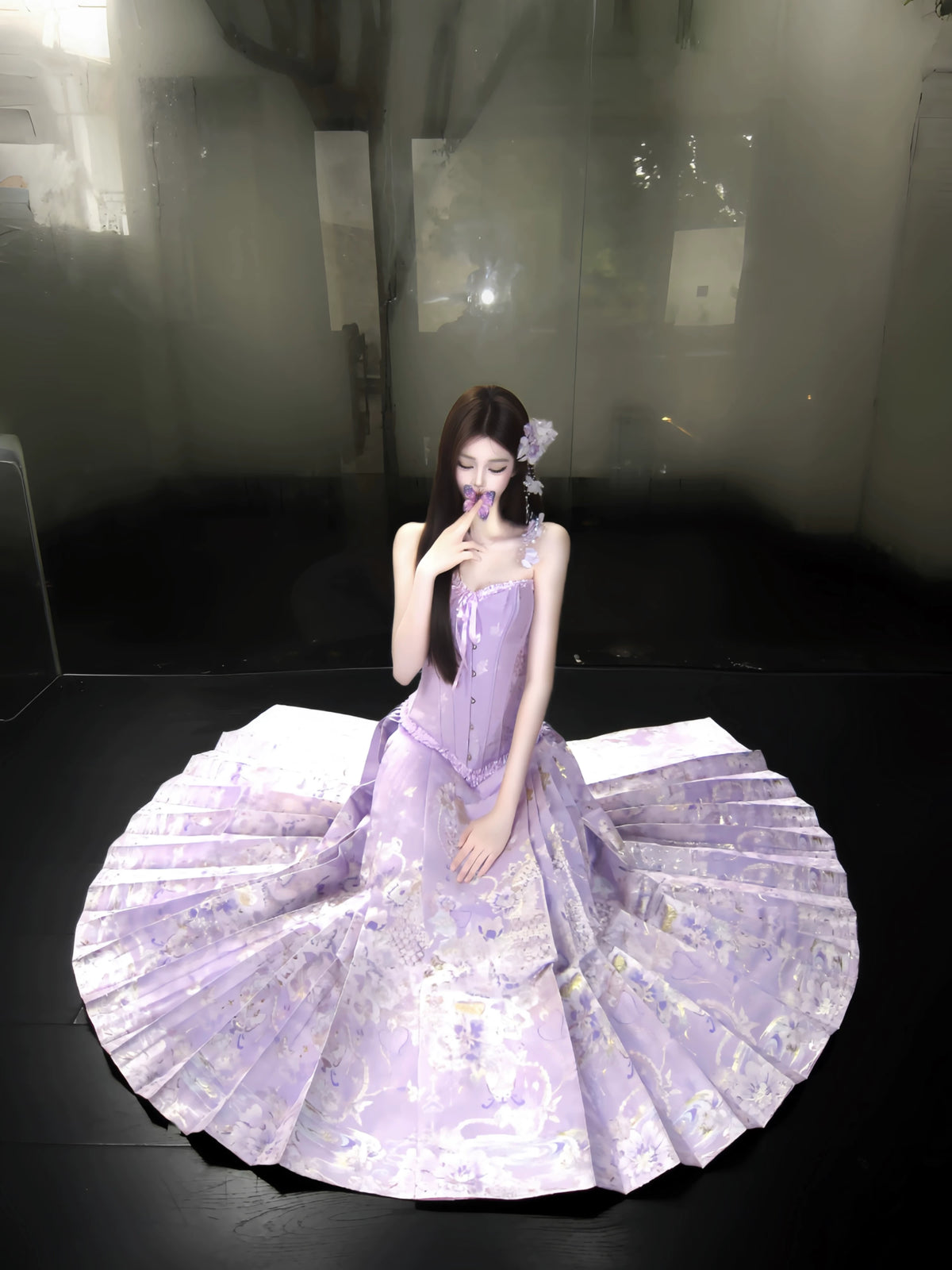
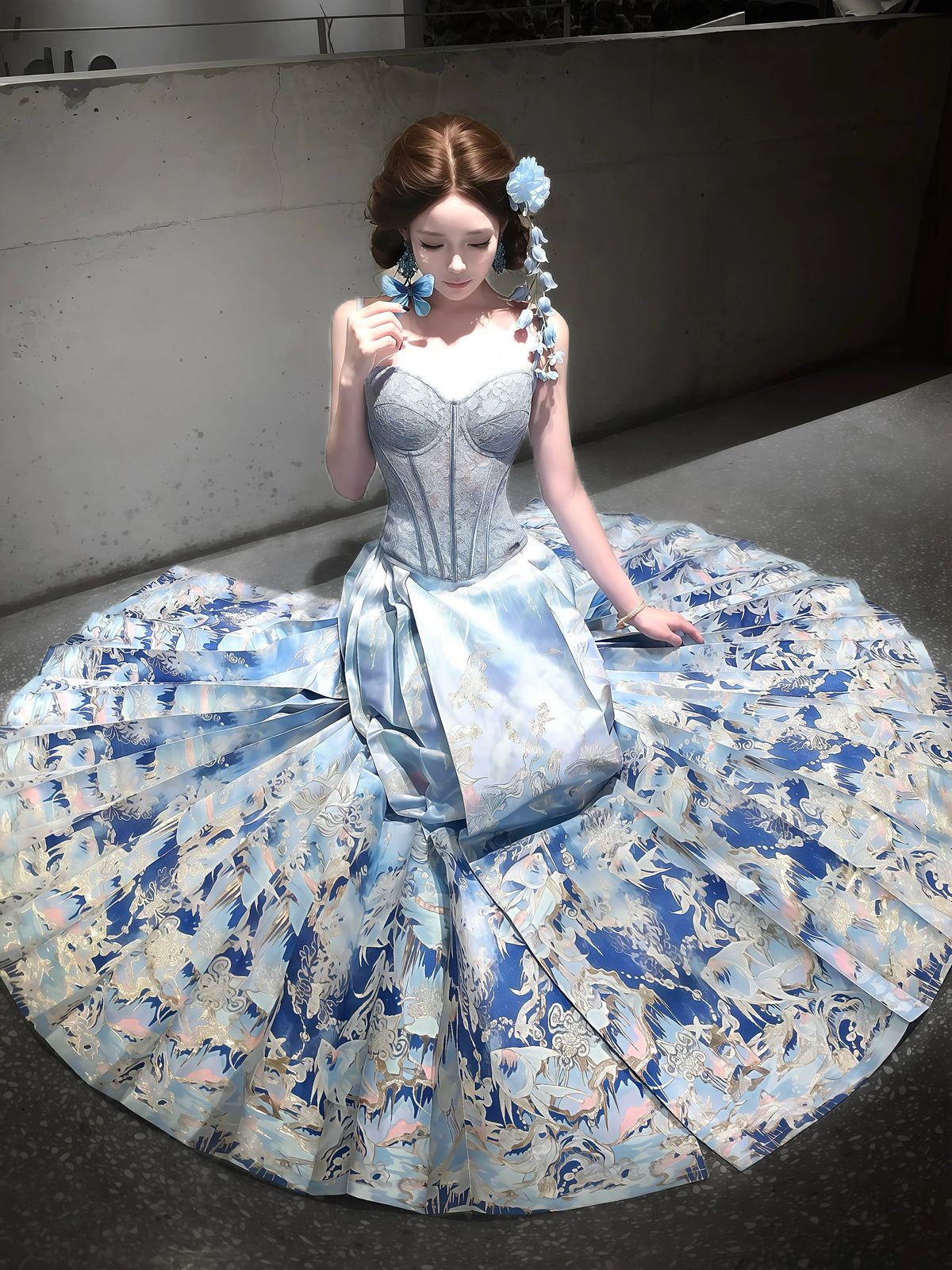
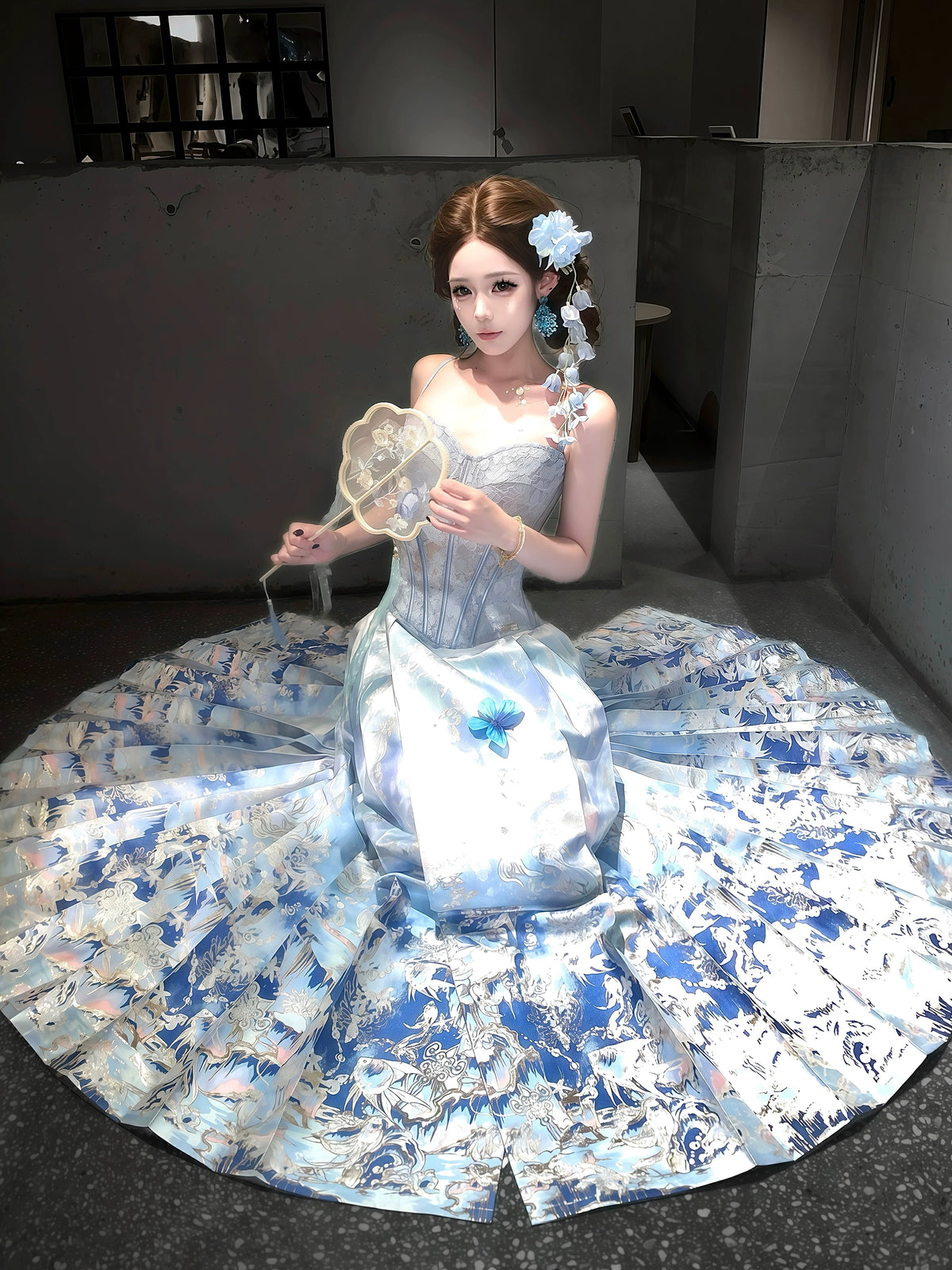
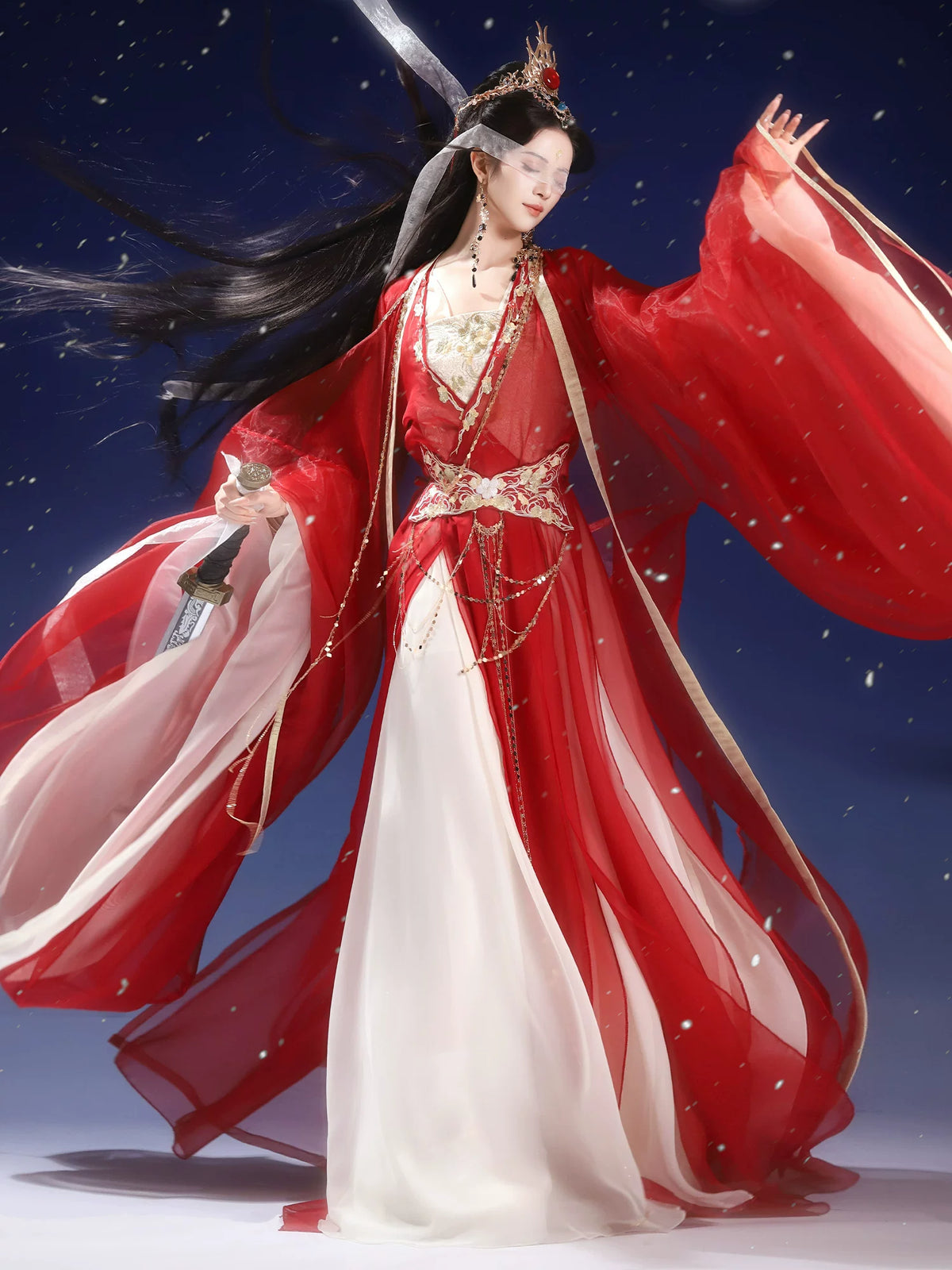
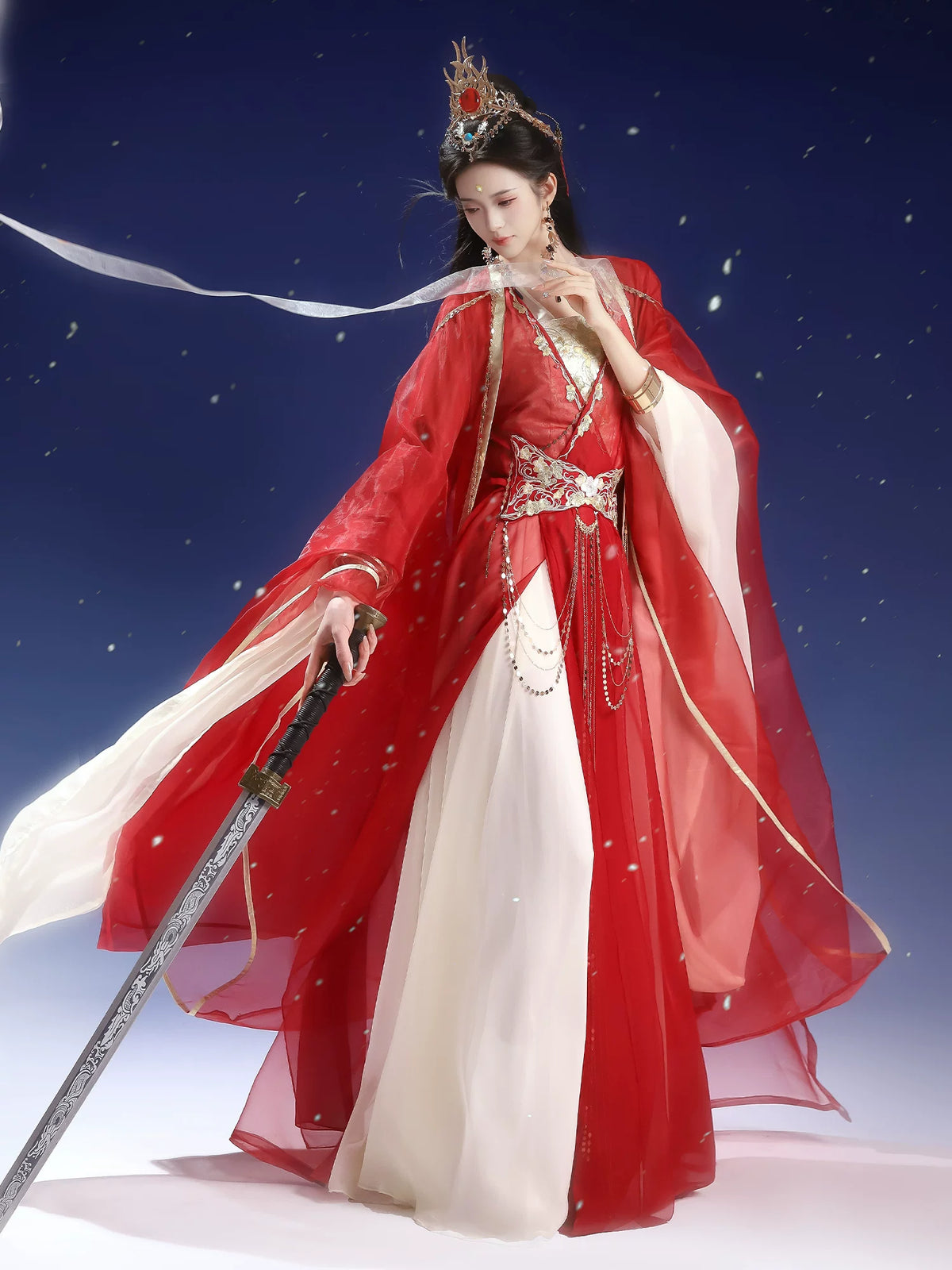
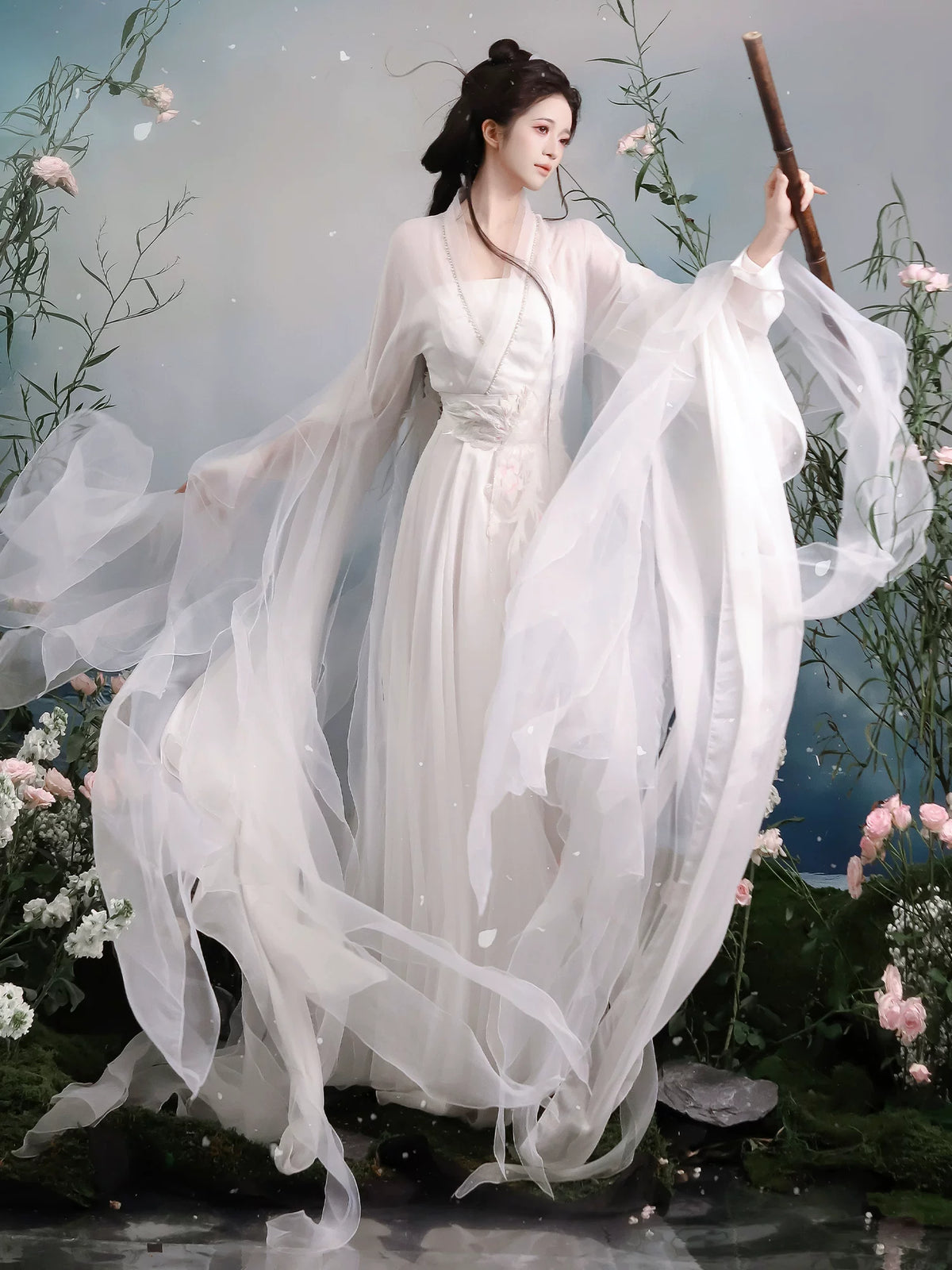
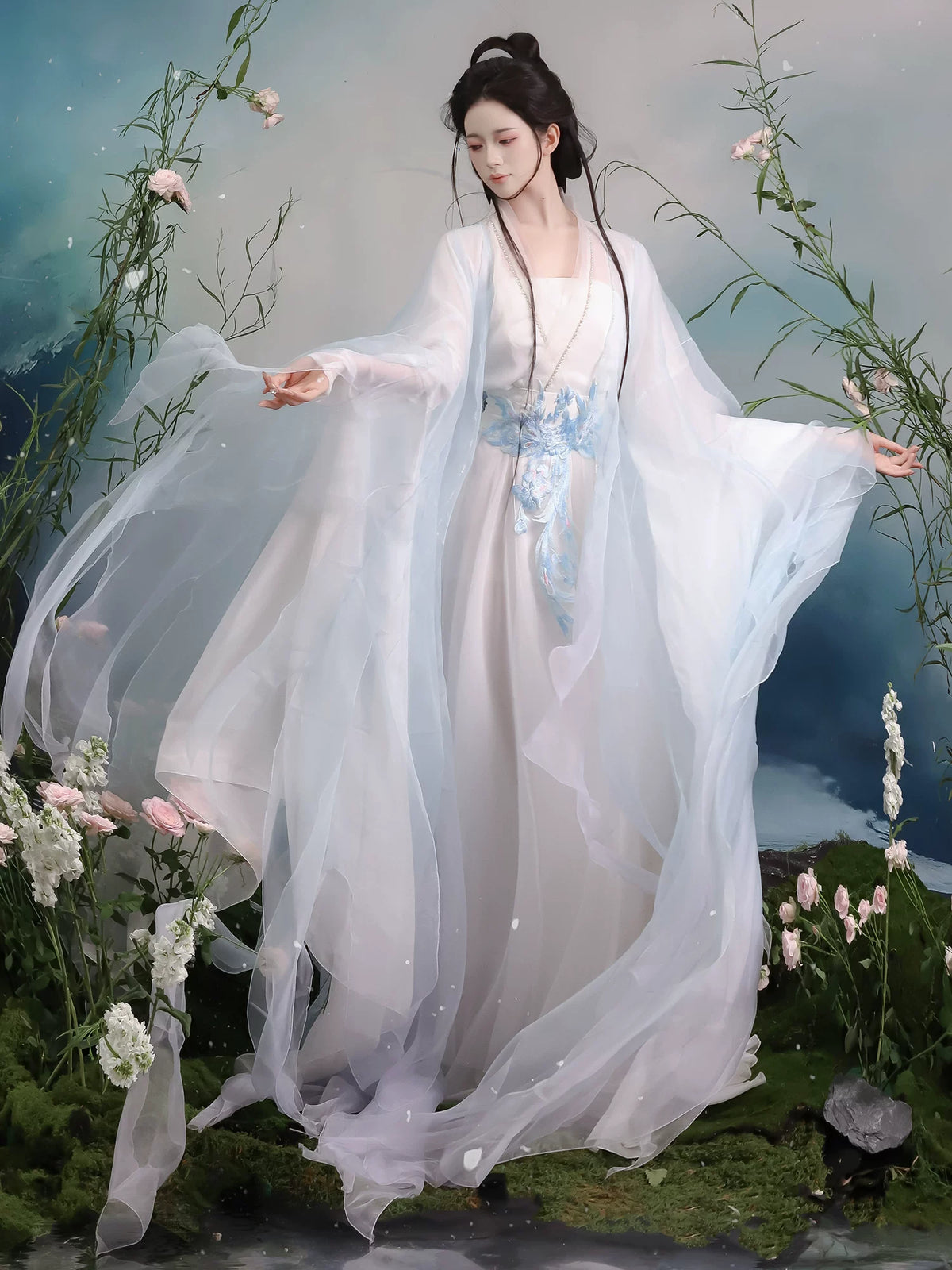
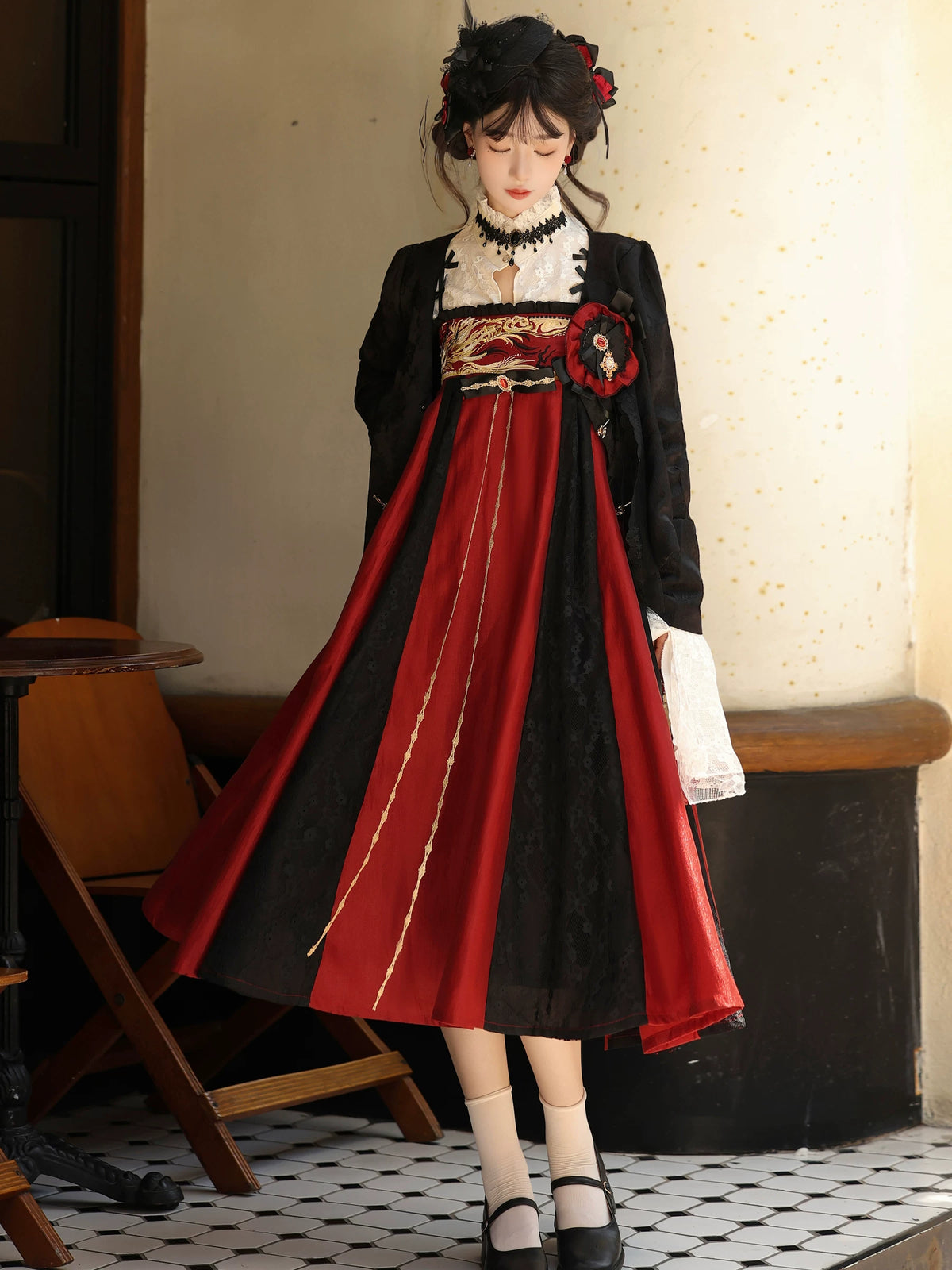
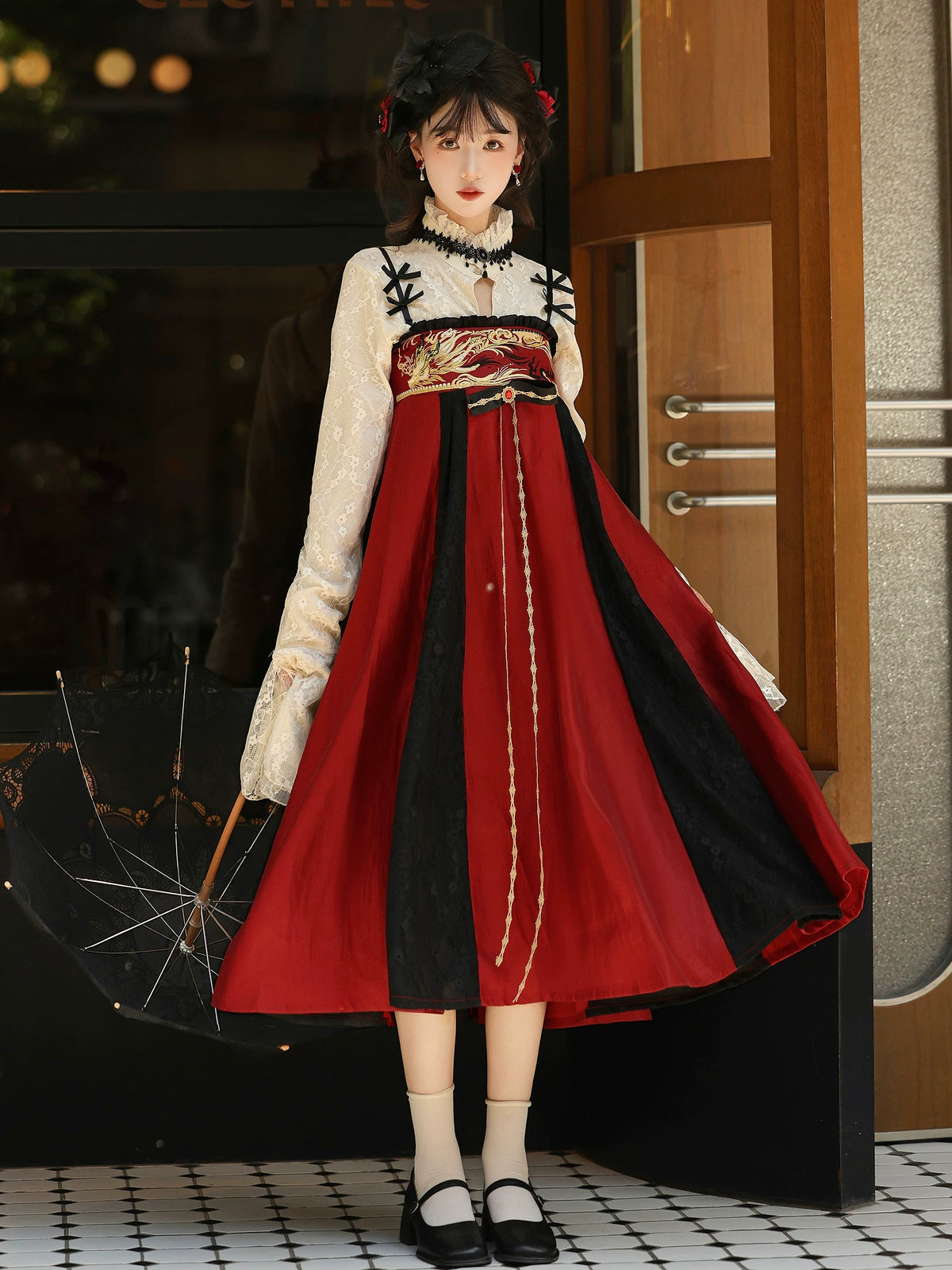
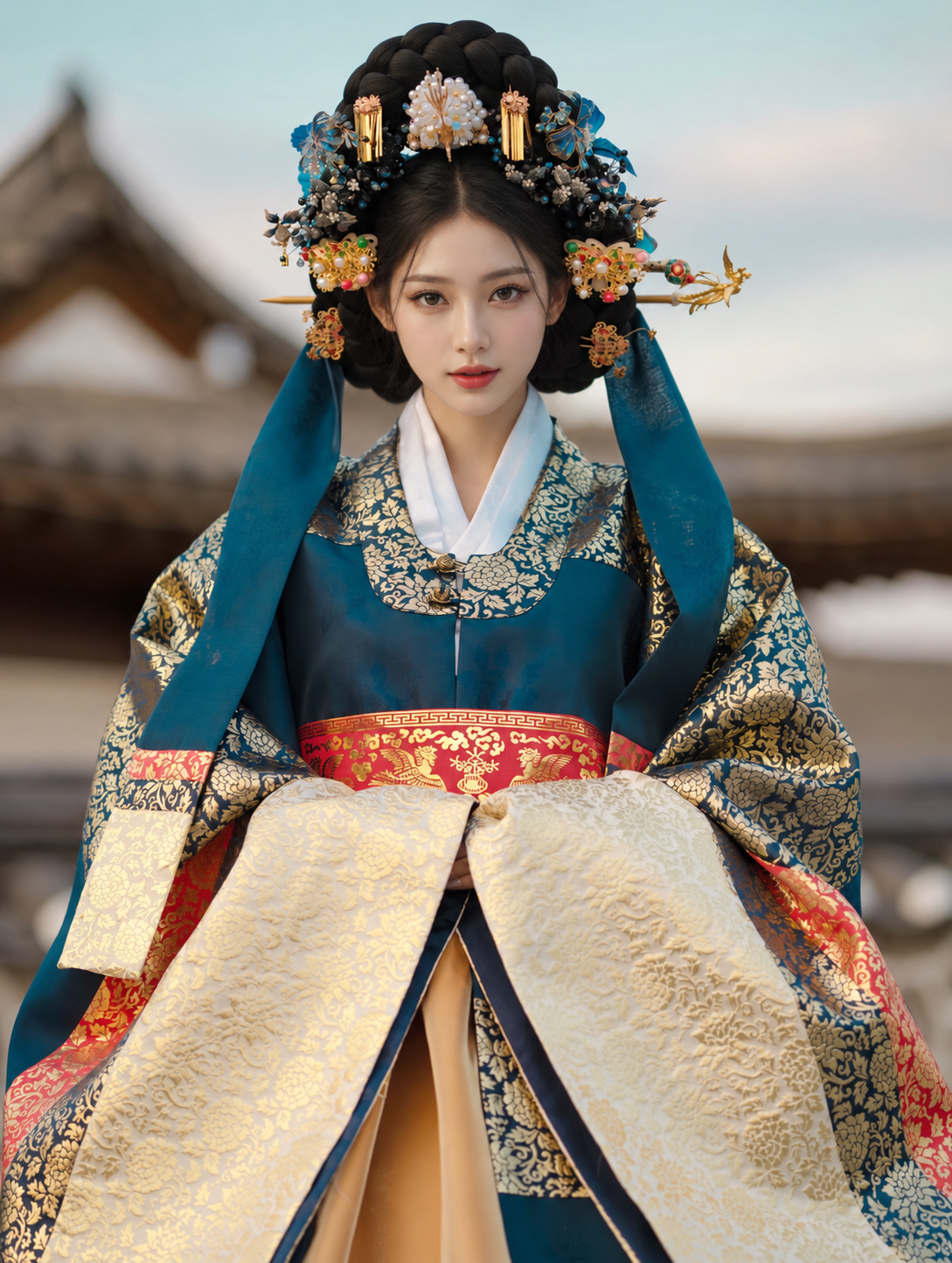
The pattern on a cheongsam is never just decoration. Every motif, every colour, every weave structure carries meaning — accumulated over centuries of Chinese textile tradition. When you choose a cheongsam pattern, you are not just choosing how you look. You are choosing what you say.
This guide covers everything you need to know: the embroidery motifs and what they symbolise, the fabric patterns and how they are made, and how to choose the right pattern for your occasion, your colouring, and your body. Browse our full cheongsam collection →
Part One: The Language of Cheongsam Embroidery Motifs
Embroidery is the most expressive form of pattern in cheongsam design. Unlike woven or printed patterns, embroidery is applied by hand — stitch by stitch — and the motifs chosen are never arbitrary. Each one belongs to a visual vocabulary that Chinese artisans have been developing for over two thousand years.
🦅 Phoenix (凤凰) — The Bride’s Motif
The phoenix is the supreme feminine symbol in Chinese culture — representing grace, virtue, and the power of renewal. In cheongsam embroidery, the phoenix is almost always the bride’s motif. A phoenix cheongsam communicates that the wearer is the most important woman in the room.
Phoenix embroidery appears most often in red and gold thread on bridal cheongsam, though contemporary designers have placed it on black, ivory, and deep jewel-toned backgrounds for dramatic effect. Shop phoenix embroidery bridal cheongsam →
🐉 Dragon & Phoenix Together (龙凤) — The Union Motif
When dragon and phoenix appear together on a cheongsam, the meaning is specific: the union of husband and wife. The dragon represents masculine energy and the groom; the phoenix represents feminine energy and the bride. Together they symbolise a harmonious, balanced marriage.
Dragon-and-phoenix cheongsam are the most explicitly bridal of all patterns. They are worn for tea ceremonies, wedding banquets, and any occasion where the marriage itself is being celebrated.
🌸 Peony (牛丹) — Prosperity & Feminine Beauty
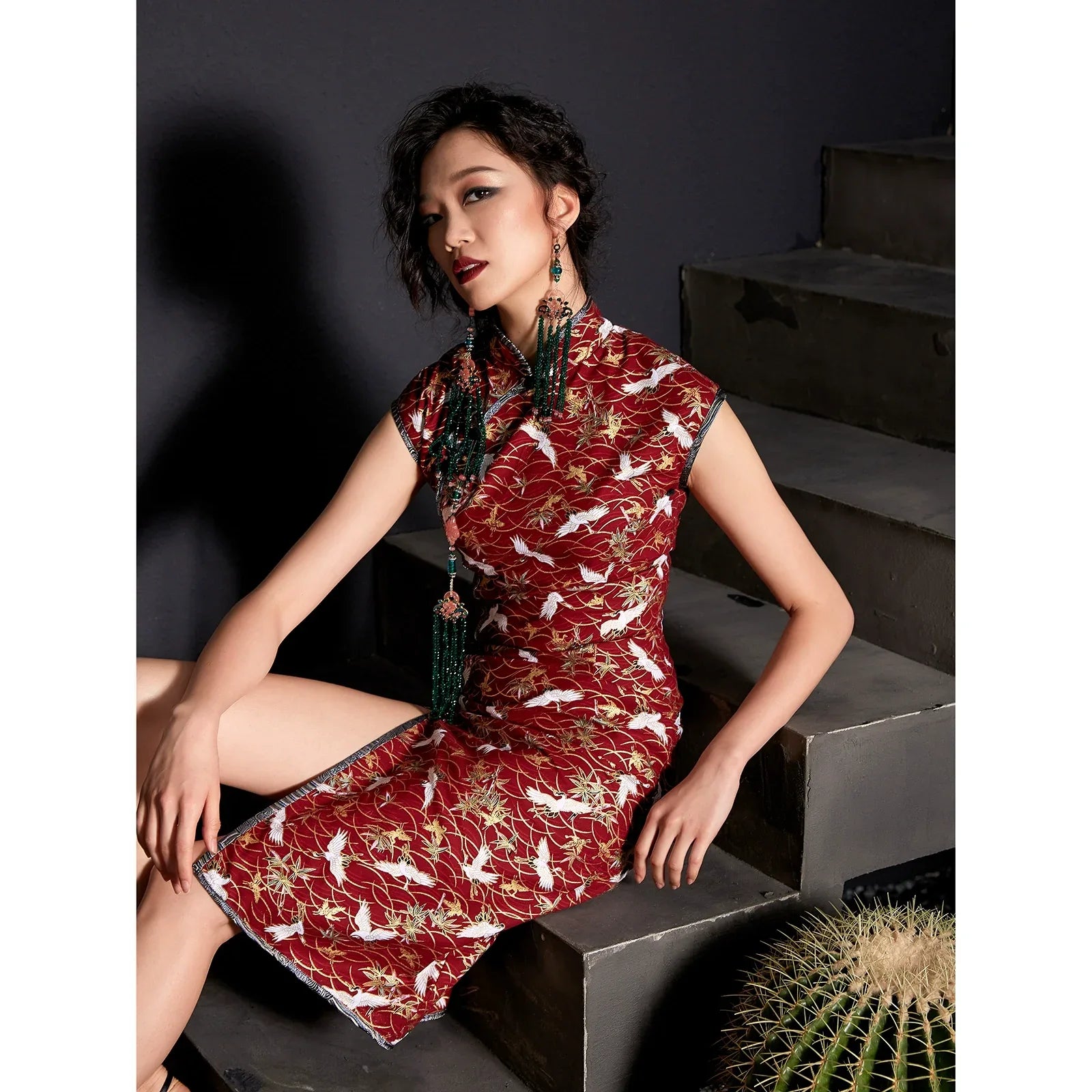
The peony is the “queen of flowers” in Chinese culture — a symbol of prosperity, feminine beauty, and social honour. Peony embroidery on a cheongsam is one of the most versatile choices: appropriate for weddings, formal events, and any occasion where you want to project elegance and abundance.
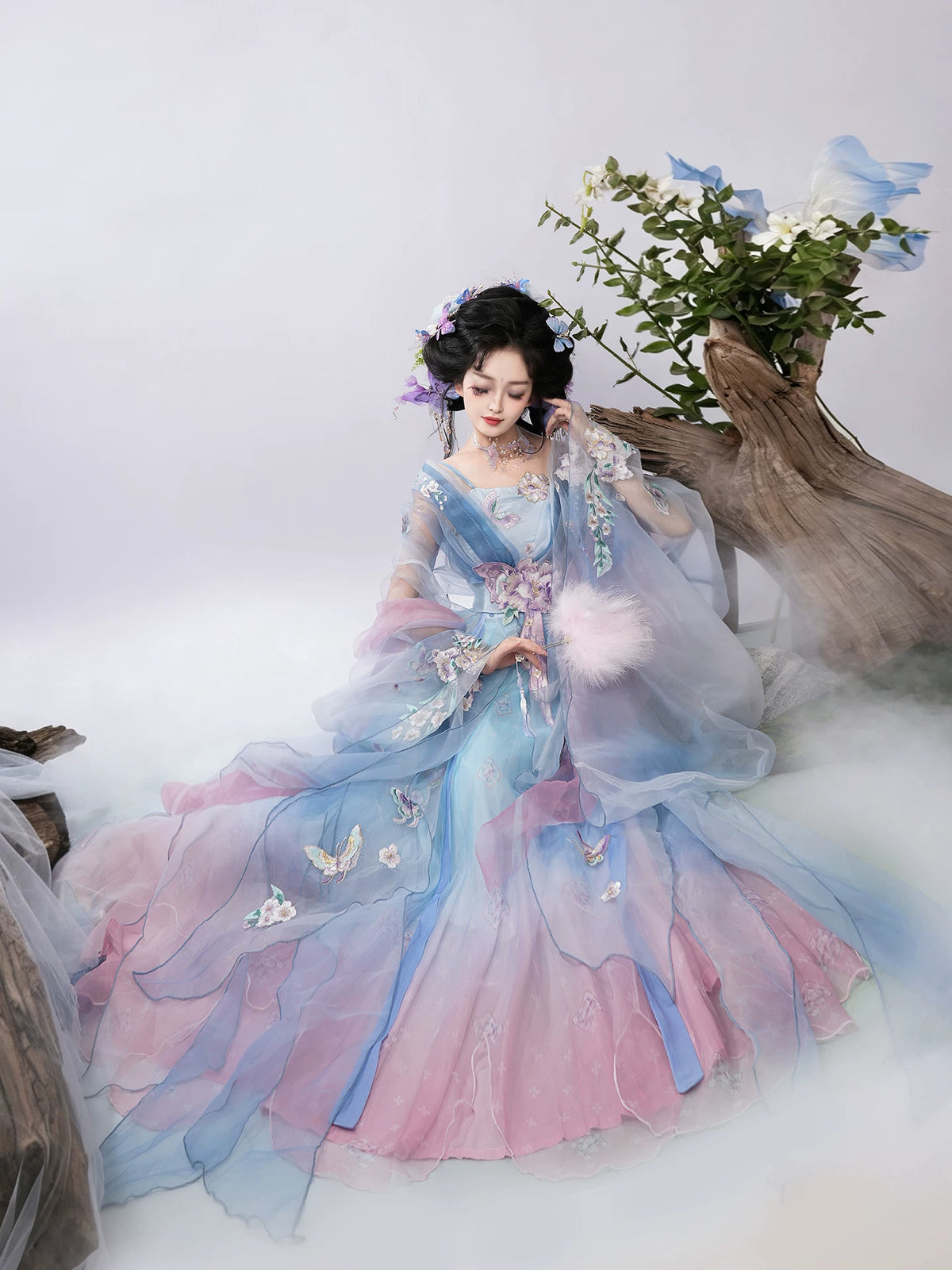
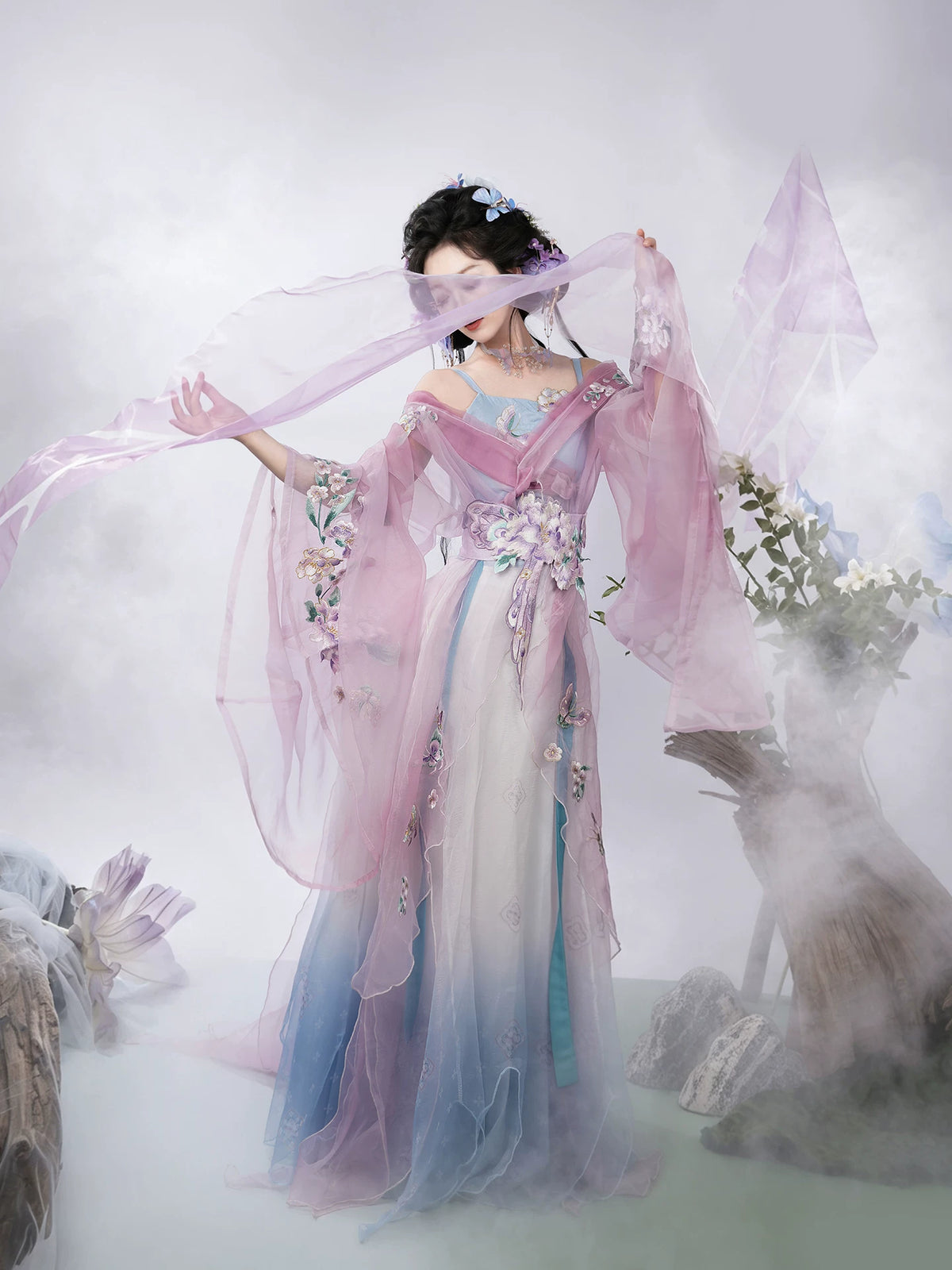
Peony patterns appear in both embroidery and woven jacquard. The embroidered version — particularly in silk thread — has a three-dimensional quality that catches light beautifully in photography.
🍻 Lotus (荷花) — Purity & New Beginnings
The lotus rises from muddy water to bloom in perfect beauty — a metaphor for purity, spiritual elevation, and new beginnings. Lotus embroidery is particularly popular for wedding cheongsam worn by brides who want a motif that speaks to the beginning of a new chapter.
Lotus patterns also appear frequently in the hem embroidery of floor-length cheongsam, where the flowers seem to bloom at the wearer’s feet.
嗜 Double Happiness — The Most Bridal Motif
The double happiness character (嗜) — two happiness characters joined together — is the most explicitly bridal motif in Chinese visual culture. It appears on wedding decorations, red envelopes, and, of course, cheongsam. A double happiness cheongsam leaves no ambiguity about the occasion.
☁️ Cloud Patterns (云纹) — Heavenly Fortune
Cloud patterns are among the oldest motifs in Chinese textile art, appearing on imperial robes from the Han dynasty onward. On cheongsam, cloud patterns — particularly the stylised “auspicious cloud” (祥云) — represent heavenly blessing and good fortune. They appear most often as background patterns in woven jacquard or as secondary embroidery elements framing the main motif.
🦢 Mandarin Ducks (鸳鸯) — Lifelong Fidelity
Mandarin ducks mate for life, making them one of the most powerful symbols of marital fidelity in Chinese culture. Mandarin duck embroidery on a cheongsam is a deeply romantic choice — a declaration of devotion that has been understood in Chinese culture for centuries.
Part Two: Cheongsam Fabric Patterns — Woven, Printed & Embroidered
Beyond embroidery, cheongsam patterns are created through three primary methods, each with distinct visual qualities and price points.
Woven Jacquard Patterns
Jacquard is a weaving technique in which the pattern is built directly into the fabric structure — not printed on top, not embroidered afterward, but woven in. The result is a fabric where the pattern has depth, texture, and a subtle sheen that changes with the light.
Jacquard cheongsam are the most durable and the most structured. The pattern does not fade, does not peel, and does not distort with wear. This is why jacquard is the most common fabric for mid-to-high-end cheongsam — it combines visual richness with practical longevity.
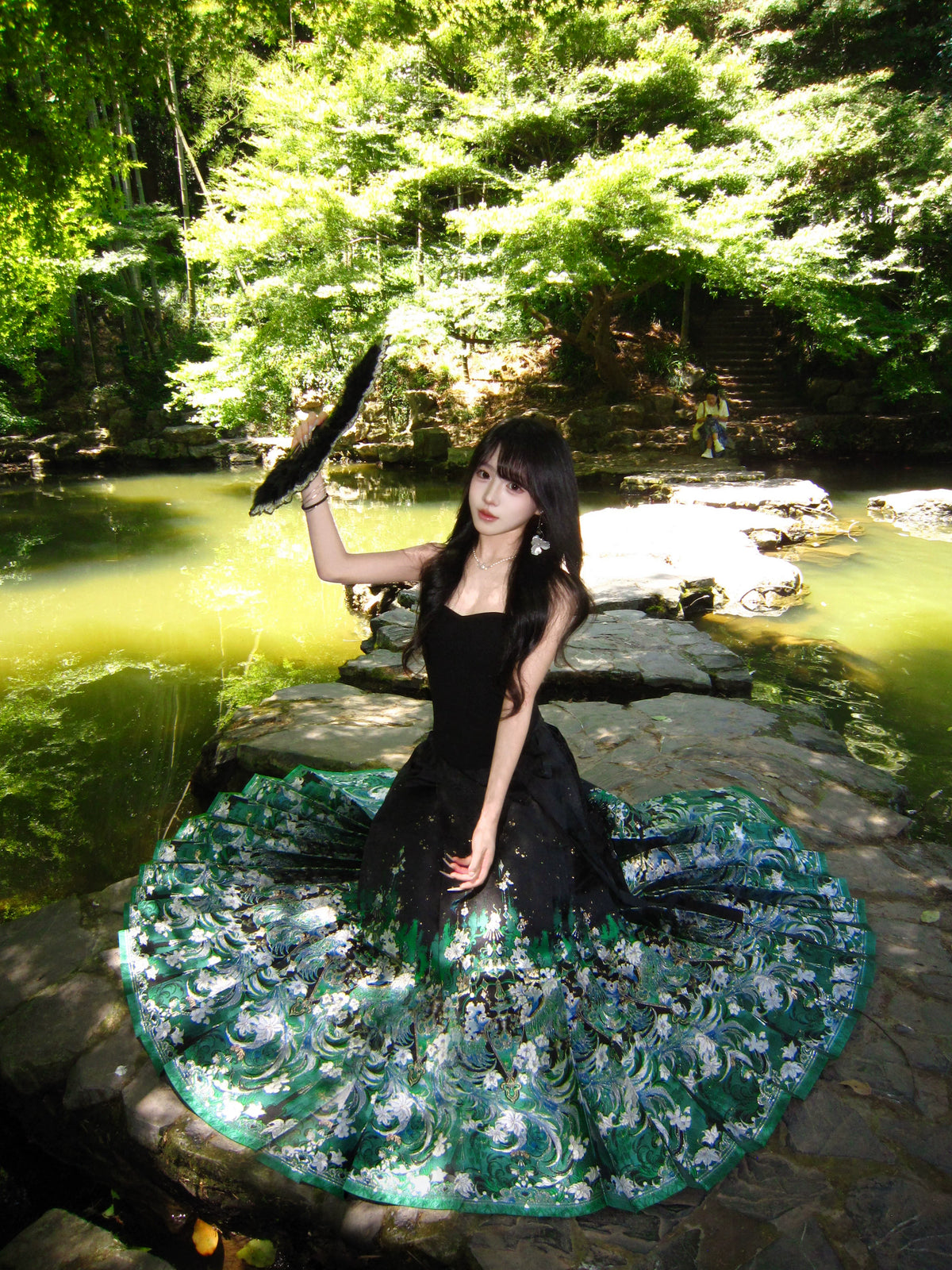
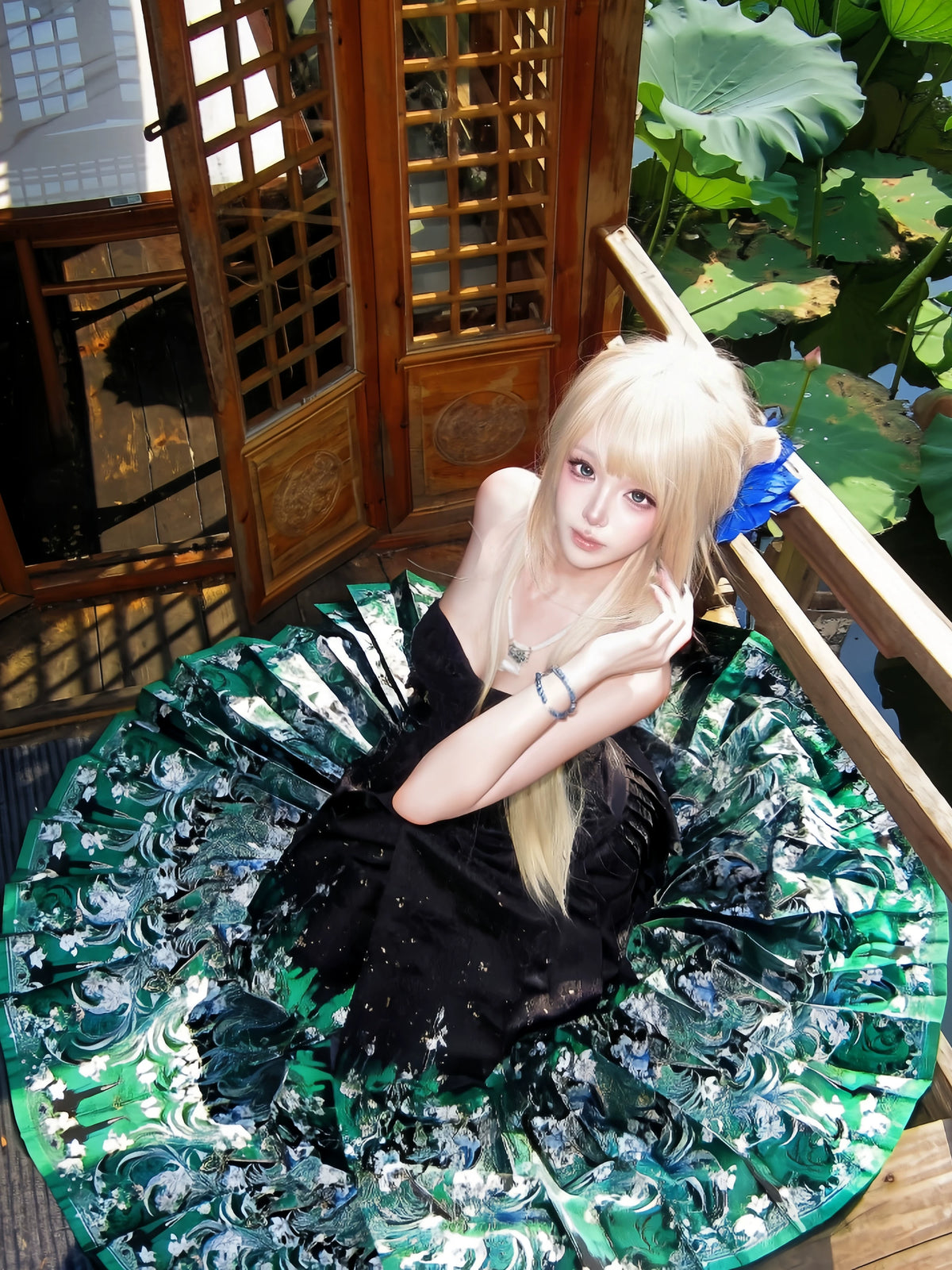
Common jacquard patterns include: chrysanthemum, peony, cloud, geometric lattice, and abstract floral. Gold jacquard — where gold thread is woven into the fabric — is particularly popular for bridal and banquet cheongsam.
Embroidered Patterns
Embroidery is applied to the fabric after weaving — stitched by hand or machine onto a base fabric (usually silk, satin, or organza). Hand embroidery is the most prestigious and the most expensive: a single hand-embroidered cheongsam can take weeks to complete.
The quality of embroidery is visible in the density of the stitching, the precision of the outlines, and the use of speciality threads — silk thread, gold thread, colour-shifting thread, and three-dimensional raised embroidery. These details are what separate a truly exceptional cheongsam from a mass-produced one.
Printed Patterns
Printed cheongsam use fabric that has been dyed or printed with a pattern before construction. This allows for a much wider range of designs — photographic florals, abstract prints, geometric patterns, and contemporary graphic designs that would be impossible to weave or embroider.
Printed cheongsam are typically more affordable and more casual than woven or embroidered pieces. They are the right choice for everyday modern wear, summer events, and occasions where you want a contemporary aesthetic rather than a traditional one.
Part Three: How to Choose a Cheongsam Pattern
Choose by Occasion
Wedding (as bride): Phoenix, dragon-and-phoenix, double happiness, or peony. Red or gold ground. Embroidered or jacquard. This is the occasion for the most significant pattern you can wear. Bridal cheongsam →
Wedding (as guest): Floral patterns — peony, chrysanthemum, lotus — in jewel tones. Avoid double happiness and dragon-and-phoenix, which are reserved for the bride. Avoid all-white, which is associated with mourning in Chinese culture.
Chinese New Year: Auspicious cloud patterns, peony, and plum blossom in red and gold. The pattern should communicate luck and prosperity.
Prom & formal events: Dramatic patterns with high visual impact — large-scale florals, bold geometric jacquard, or statement embroidery. The pattern should photograph well and hold its own in a large room. Prom cheongsam →
Everyday modern wear: Subtle patterns — small-scale florals, geometric prints, tonal jacquard. The pattern should be interesting without being overwhelming in a casual context.
Choose by Colouring
Warm skin tones — gold, red, and warm earth-toned patterns. Gold jacquard is particularly flattering. Avoid cool-toned patterns in blue-grey or silver.
Cool skin tones — blue, purple, and silver-toned patterns. Embroidery in cool jewel tones — sapphire, emerald, amethyst — is striking. Avoid patterns with heavy orange or yellow tones.
Neutral skin tones — the most versatile. Red, black, and ivory patterns all work. The choice is driven by occasion and personal preference rather than colouring.
Choose by Scale
- Large-scale patterns — bold, dramatic, high visual impact. Best for taller frames and formal occasions.
- Medium-scale patterns — the most versatile. Work across body types and occasions.
- Small-scale patterns — delicate, refined, understated. Best for petite frames.
- All-over patterns — unified, cohesive look. Works best with strong tonal contrast.
- Placement patterns — embroidery at collar, hem, or cuffs. Effective on solid-colour base fabrics.
Part Four: The Most Beautiful Cheongsam Patterns in Our Collection
Every cheongsam in our collection is chosen for the quality of its pattern — the precision of the embroidery, the richness of the jacquard, the intentionality of the motif. Here are some of our most distinctive pieces:
For the bride who wants phoenix embroidery:
👉 Yue Xi — Red Embroidered Jacquard Qipao — hand-embroidered phoenix in gold and red silk thread on a structured jacquard ground.
For the bride who wants lotus embroidery:
👉 Lotus Step — Red Mermaid Qipao — lotus embroidery at the hem of a dramatic mermaid silhouette.
For the bride who wants gold jacquard:
👉 Xingle — Golden Jacquard Bridal Set — all-over gold jacquard with a fishtail skirt. Maximum luxury.
For the modern woman who wants pattern without formality:
👉 Browse our modern cheongsam collection →
Browse the full cheongsam collection →
Frequently Asked Questions
What patterns are traditional on a cheongsam?
The most traditional cheongsam patterns are phoenix, dragon-and-phoenix, peony, lotus, double happiness, cloud patterns, and mandarin ducks. Each carries specific cultural meaning and is associated with particular occasions.
What is the difference between embroidered and jacquard cheongsam patterns?
Embroidered patterns are stitched onto the fabric after weaving — they sit on top of the base fabric and have a three-dimensional quality. Jacquard patterns are woven directly into the fabric structure — they are part of the fabric itself and are more durable.
What cheongsam pattern is best for a wedding?
For brides: phoenix, dragon-and-phoenix, or double happiness embroidery on a red or gold ground. For guests: floral patterns — peony, chrysanthemum, lotus — in jewel tones.
What cheongsam pattern is best for Chinese New Year?
Auspicious cloud patterns, peony, and plum blossom in red and gold. The pattern should communicate luck and prosperity.
Can I wear a patterned cheongsam for everyday occasions?
Yes. Modern and improved cheongsam in subtle prints — small-scale florals, geometric patterns, tonal jacquard — are entirely appropriate for everyday wear.