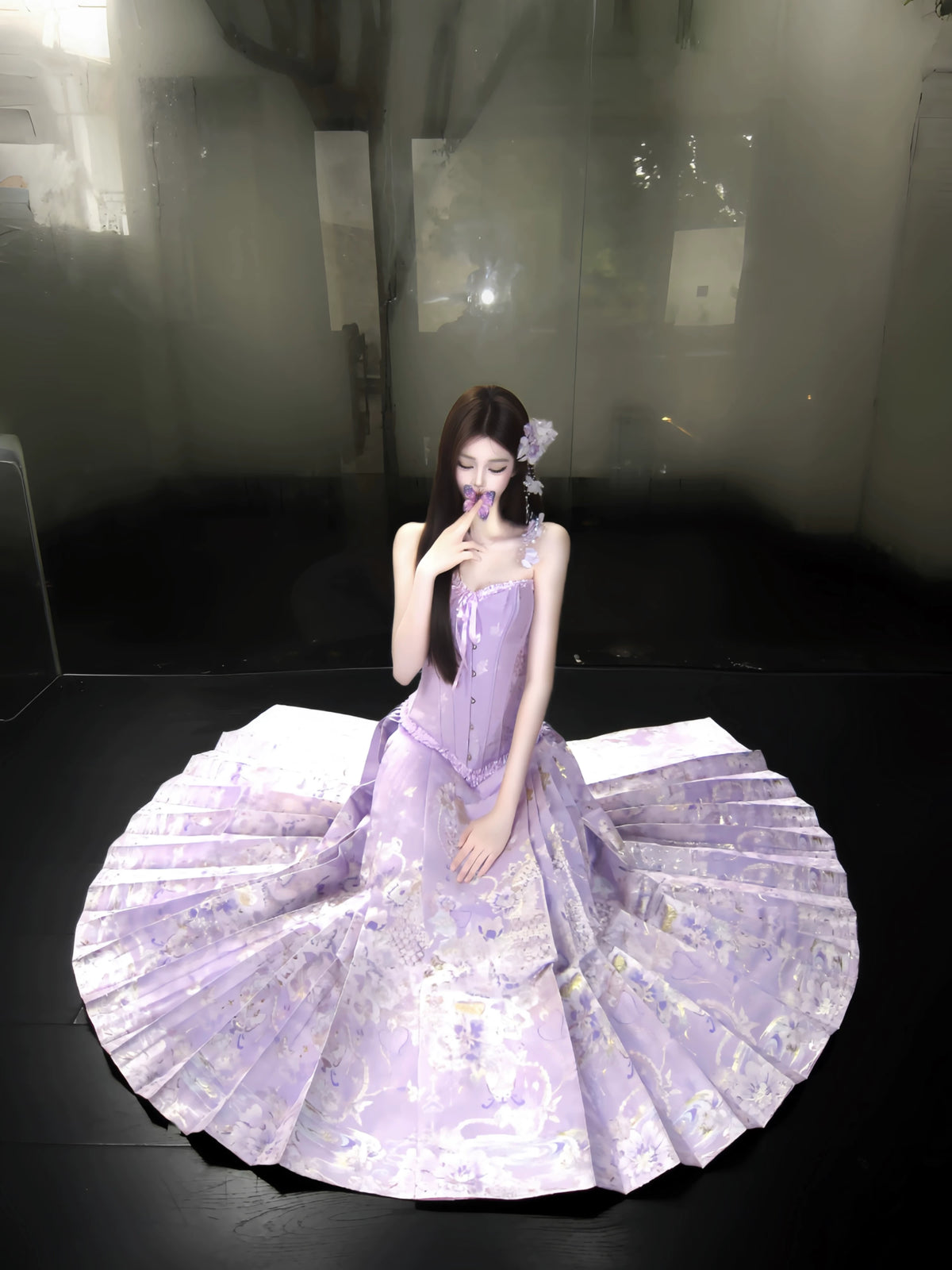
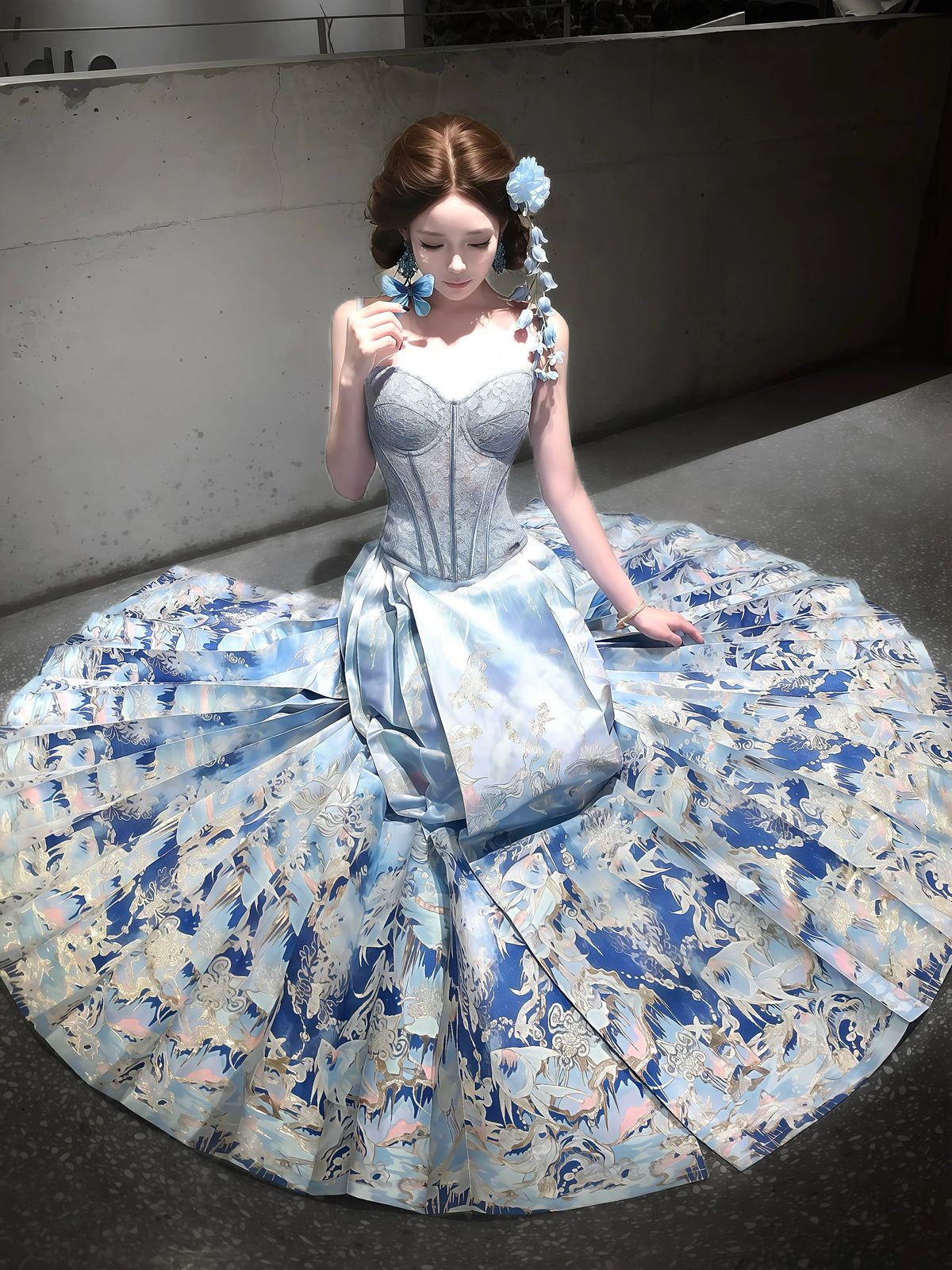
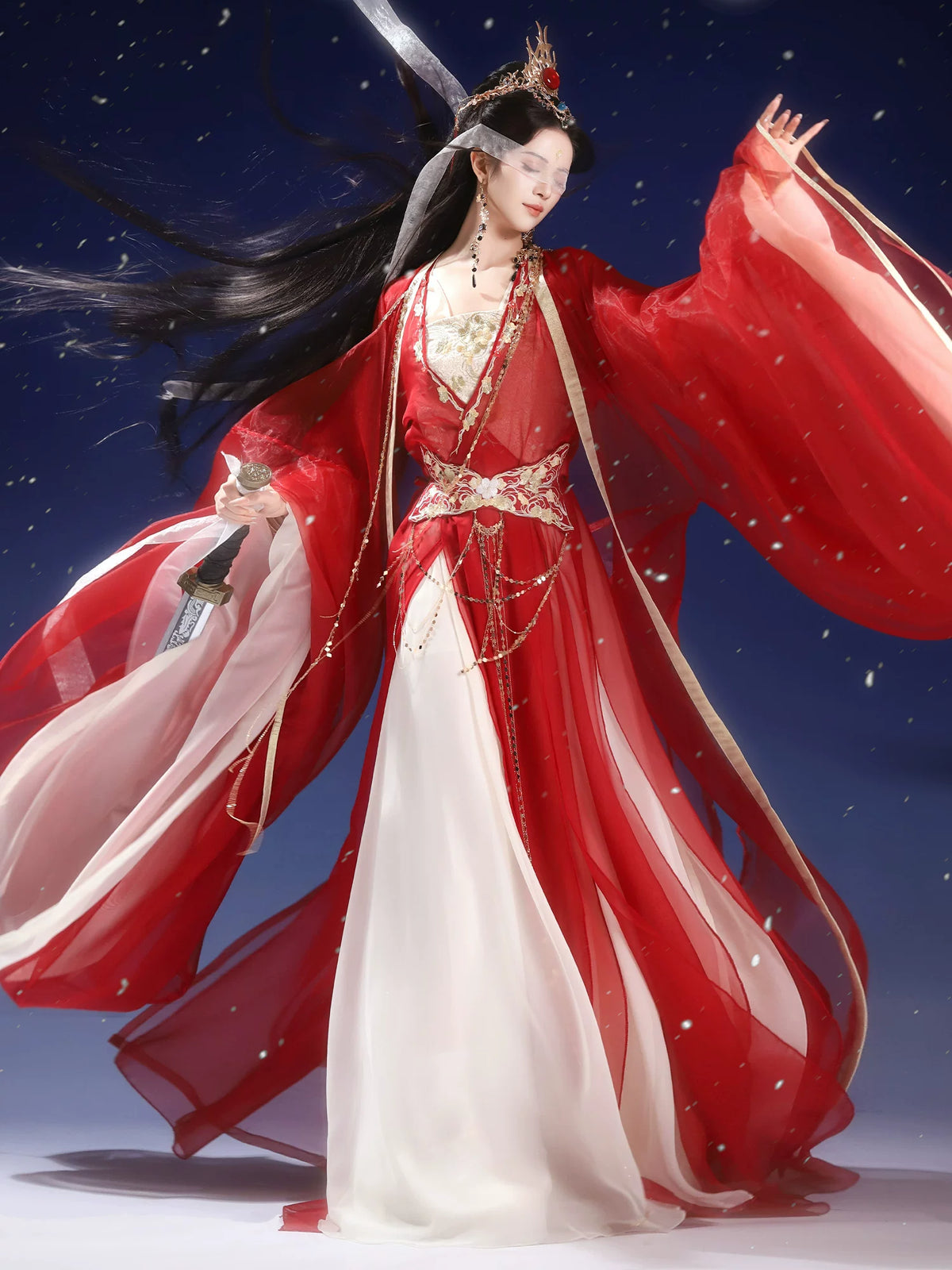
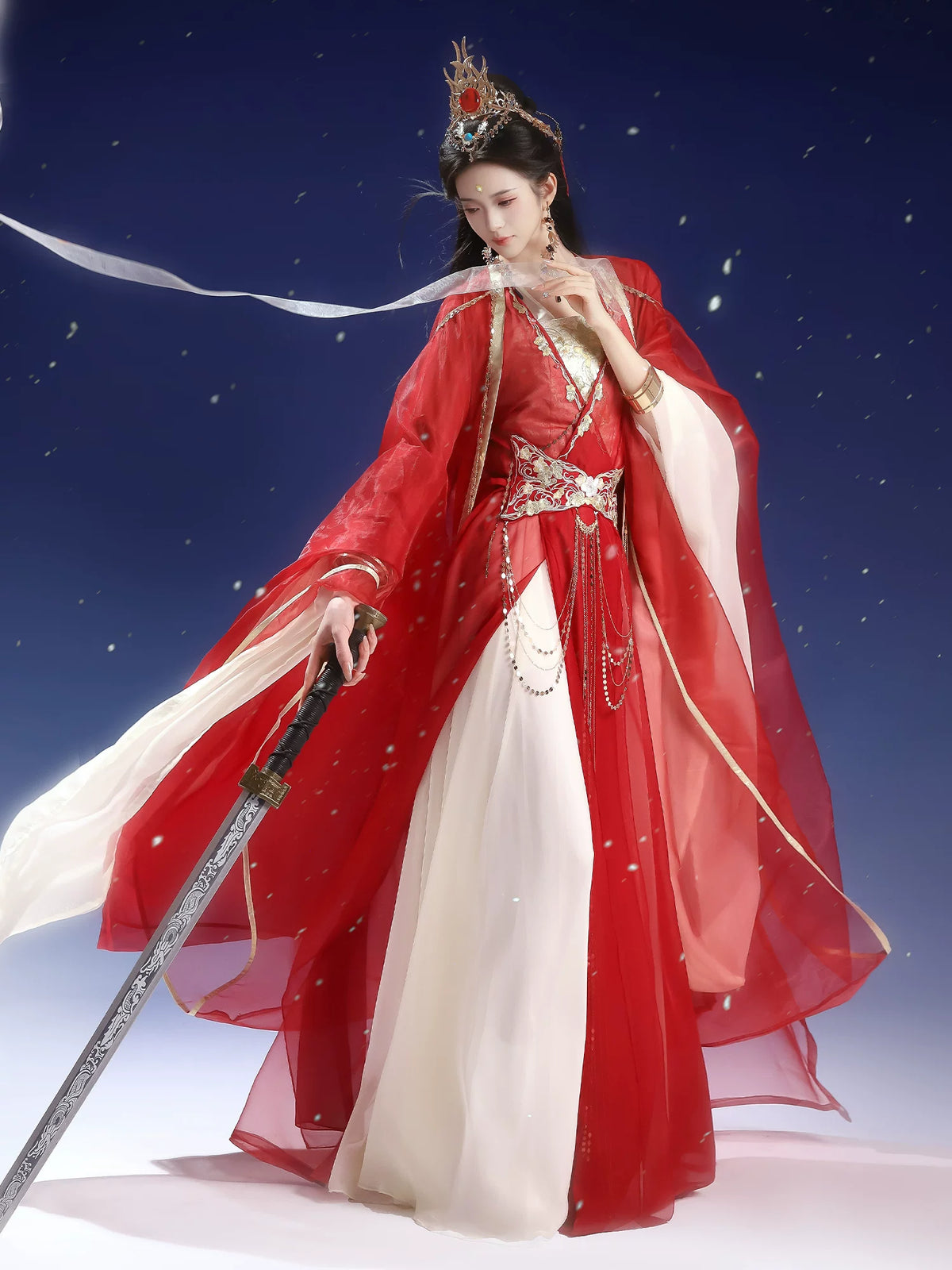
✨ Part One: The Encounter — Why Kimono Is Kyoto’s Most Essential Experience
I still remember the exact moment it happened. I was walking down a narrow back street in Gion, jet-lagged and slightly overwhelmed, when a woman in a deep indigo kimono turned the corner ahead of me. The fabric caught the late afternoon light. The obi at her back was tied in a perfect drum knot. She walked with a kind of unhurried, deliberate grace that stopped me completely.
I had been in Kyoto for less than six hours, and I already understood why people come back here again and again.
That moment planted a question I couldn’t shake: Could I wear one? Should I? Would it look ridiculous — a white guy in a kimono, wandering through a city that has been perfecting this art form for a thousand years?
The answer, I discovered, is more interesting than a simple yes or no. Kimono is not a costume. It is not a prop for tourist photos. It is a living tradition — and one that, when approached with genuine curiosity and respect, welcomes everyone.
The experience I’m about to describe changed how I think about clothing, culture, and what it means to truly appreciate something that isn’t yours by birth. I didn’t just rent a kimono for an afternoon. I walked into a hundred-year-old shop in a Kyoto back alley, and I walked out understanding why this garment has survived for centuries.
“I thought kimono was just a rental prop for tourist photos. Then I walked into a century-old shop in a Kyoto back alley, and finally understood why it has survived for a thousand years.”
🏪 Part Two: Inside a Century-Old Kyoto Kimono Shop
The Shop
The shop I found had been in the same family since 1830. The wooden facade was dark with age. Inside, bolts of silk lined the walls from floor to ceiling: deep purples, steel greys, forest greens, warm ochres. The smell was cedar and something older — something I couldn’t name but immediately trusted.
The owner, a woman in her sixties in a perfectly pressed grey kimono, didn’t speak much English. But she didn’t need to. She looked at me for a moment — my height, my build, my colouring — and began pulling bolts from the shelves with quiet, unhurried confidence. Every kimono is made for the person wearing it, she communicated through gesture and expression. This was not a one-size-fits-all transaction. This was a fitting.
Fabric & Craft: What Makes a Kimono a Kimono
What I learned in that shop, slowly and through fabric samples and patient demonstration, was that kimono is a world of extraordinary material intelligence. The choice of fabric is not merely aesthetic — it is the foundation of the entire garment:
- Silk (kinu) — the gold standard of kimono fabric. True silk has a weight, drape, and luminosity that no synthetic can replicate. It moves differently. It catches light differently. The finest silk kimono are hand-woven and can take months to produce.
- Synthetic fabrics — modern polyester kimono are more affordable, easier to care for, and increasingly sophisticated in their appearance. For a first kimono, or for everyday wear, they are an entirely practical and respectable choice.
- Cotton yukata — the most casual and accessible form of kimono, traditionally worn in summer for festivals and fireworks. Lightweight, breathable, and available in a huge range of patterns.
↑ A white men’s yukata with a bold black dragon print — one of the most iconic motifs in Japanese textile design. The dragon symbolises strength, wisdom, and good fortune. Paired with a dark structured obi, this is a look that is unmistakably masculine and unmistakably Japanese. The shoji screen backdrop completes the aesthetic perfectly.
👉 Shop This Look: Men’s Japanese Kimono Yukata — Fireworks Festival & Retro Loungewear
Embroidery & Pattern: The Language of Kimono Design
Every pattern on a kimono carries meaning. The owner showed me a bolt with chrysanthemum (kiku) motifs — longevity and resilience. Another with pine, bamboo, and plum (sho-chiku-bai) — the three friends of winter, symbols of perseverance through adversity. A third with a subtle geometric seigaiha (overlapping waves) pattern — good luck and protection from harm.
For men’s kimono, the patterns tend to be more restrained: subtle woven textures, geometric repeats, or small, understated motifs. The drama comes from the quality of the fabric and the depth of the colour, not from elaborate surface decoration. This restraint is itself a form of sophistication.
Men’s vs Women’s Kimono: Breaking the Misconception
One of the most persistent misconceptions about kimono is that it’s exclusively women’s dress. It isn’t — and never has been. Men’s kimono has its own distinct and deeply considered aesthetic: longer, looser, in deeper and more restrained colours, with a simpler obi tie. The haori (kimono jacket) worn over the kimono adds a layer of casual, masculine elegance that translates beautifully to modern styling.
The Obi: The Belt That Defines the Look
The obi is the wide sash belt that wraps around the waist and ties at the back. For men, the obi is typically the kaku obi — a stiff, structured belt that gives the kimono its characteristic clean, upright silhouette. The choice of obi has an enormous impact on the overall look: a gold obi reads formal and celebratory; a dark, textured obi reads understated and sophisticated.
↑ A deep black men’s kimono with a silver chrysanthemum and firework pattern — the chrysanthemum is one of Japan’s most beloved motifs, representing longevity and resilience. The dark burgundy obi adds warmth and depth to an otherwise monochromatic palette. This is men’s kimono at its most sophisticated and editorial.
🤺 Part Three: Trying It On — When East Meets West
The Dressing Process
Putting on a kimono properly is not something you do alone, at least not the first time. The owner’s assistant walked me through each step with the patience and precision of someone who has done this ten thousand times. The process is deliberate and sequential: the juban (under-kimono) first, then the kimono itself, then the obi. Each layer is adjusted, smoothed, and secured before the next is added. The collar is set at a precise angle. The hem is adjusted to the correct length. The obi is wrapped, folded, and tied with a series of movements that look simple and are not.
What struck me most was how the process changed my posture. By the time the obi was tied, I was standing differently — straighter, more deliberate, more aware of how I was moving through space. The kimono doesn’t just dress you. It disciplines you, gently, into a different way of being in your body.
Hair & Styling: Getting the Look Right
For men, the styling is relatively straightforward — the kimono does most of the work. Clean, simple hair complements the structured formality of the garment. The assistant suggested I remove my watch and keep accessories minimal. “The kimono is the accessory,” she said. She was absolutely right.
The Visual Reality: Does Kimono Work on Western Bodies?
I had assumed, without really thinking about it, that kimono would look strange on me — that the colours and proportions were calibrated for a different body type, a different colouring. I was wrong.
The deep charcoal kimono the owner had selected — with its subtle woven texture and clean white collar — looked, if anything, better against my fair skin than I had imagined. The contrast was striking. Deep colours — charcoal, steel grey, navy, forest green — are particularly flattering on lighter skin tones, creating a dramatic contrast that photographs beautifully.
The assistant confirmed what I was beginning to suspect: “Kimono is designed to fit everyone. That’s why it’s cut the way it is — straight lines, adjustable layers, no fixed shape. It adapts to the person wearing it.”
The Comfort Question
Everyone asks: is kimono comfortable? The honest answer is: differently comfortable. The obi is firm — you are aware of it. The layers are warm. Movement is more considered, more deliberate. But within those constraints, there is a surprising freedom. The wide sleeves, the loose body, the generous cut — kimono is not restrictive in the way that Western formal dress can be. It is simply different. And different, in this case, is very good.
🍺 Part Four: Wearing Kimono Through Kyoto — A City That Embraces You Back
Kiyomizudera & the Temple Experience
There is something that happens when you walk through a historic temple in a kimono. The architecture and the garment speak the same aesthetic language — the same clean lines, the same restrained palette, the same sense of things made with care and intended to last. The silk of the kimono and the aged cedar of the temple gate seem to belong to the same world, separated only by time.
Passers-by reacted not with the amusement I had half-expected, but with something closer to genuine appreciation. An elderly couple stopped to compliment the obi. A group of schoolchildren asked to take a photo. A temple priest nodded with what I chose to interpret as approval.
Kimono in Modern Kyoto: Cafés, Streets & Everyday Life
What surprised me most was how naturally kimono fits into modern Kyoto life. In a coffee shop on Sanjo-dori, I sat across from a young woman in a modern fusion kimono — a traditional silhouette in a contemporary geometric print — who was working on a laptop. On Shijo-dori, a man in a casual tsumugi kimono and wooden sandals was checking his phone. Kimono, in Kyoto, is not a costume. It is simply another way of getting dressed.
The Value of Owning vs Renting
Kimono rental is everywhere in Kyoto — convenient, affordable, and perfectly suited for a day of sightseeing. But there is a fundamental difference between renting and owning. A rented kimono is a prop. An owned kimono is a relationship. When you own a kimono, you learn it. You develop a connection to the garment that a rental afternoon can never provide. And you carry a piece of Kyoto home with you — not as a souvenir, but as a living object with its own history and meaning.
🛍️ Part Five: How to Choose the Right Kimono for You
↑ A sage grey kimono with a bold black botanical print — oversized leaves, berries, and trailing vines create a graphic, contemporary pattern that sits beautifully within the traditional kimono silhouette. The dark obi anchors the look. This style bridges traditional kimono structure with a modern, wearable aesthetic that works equally well for photoshoots and everyday occasions.
Fabric: Silk vs Synthetic
For a first kimono, the choice between silk and synthetic comes down to budget and intended use. If you plan to wear it regularly and care for it properly, silk is worth the investment — it will last a lifetime and improve with age. If you want something more practical for everyday wear or travel, a high-quality synthetic is an entirely respectable choice.
Style: Matching Kimono to Occasion & Body Type
- For photoshoots & formal occasions: A full traditional kimono with a structured obi — the most visually impactful choice, and the one that photographs best
- For everyday wear & travel: A casual tsumugi or komon kimono, or a modern haori jacket worn over contemporary clothing
- For summer & festivals: A cotton yukata — lightweight, breathable, and available in a huge range of patterns
- For taller or larger frames: The straight-cut construction of kimono means it adapts well to a wide range of body types — look for kimono with generous measurements and adjustable layering
Pattern: Beginner-Friendly Choices
For a first kimono, simpler patterns tend to be more versatile and easier to style. Geometric repeats, subtle woven textures, and single-colour fabrics with a fine surface pattern are all excellent starting points. Save the elaborate pictorial patterns for when you have a clearer sense of your own kimono aesthetic.
Care & Maintenance: Simpler Than You Think
Store flat or rolled (never on a hanger), air after wearing, spot-clean carefully, and have silk pieces professionally cleaned when needed. A well-cared-for kimono will last generations — and become more beautiful with time.
🌟 Part Six: More Than a Garment — A Cross-Cultural Connection
I wore my kimono for the rest of that trip. I wore it to Fushimi Inari at dawn, when the torii gates were still empty and the light was pink and gold. I wore it to a tea ceremony in Uji, where the host told me, through a translator, that she was glad I had come. I wore it on the Shinkansen home to Tokyo, and the elderly man in the seat next to me struck up a conversation that lasted two hours, conducted entirely in gesture and shared appreciation.
Kimono gave me access to something I couldn’t have reached in jeans and a t-shirt. Not because it made me Japanese — it didn’t, and it wasn’t supposed to. But because it demonstrated, visibly and physically, that I was paying attention. That I had taken the time to understand something, even imperfectly. That I was here not just to look, but to participate.
The question of cultural appropriation is real and worth taking seriously. But there is a meaningful difference between appropriation and appreciation — between taking something without understanding it, and approaching it with genuine curiosity, respect, and a willingness to learn. Kimono, worn with care and knowledge, is the latter. The shop owner, the assistant, the temple priest, the elderly couple on the street — none of them saw someone making a mockery of their culture. They saw someone who had taken the time to care.
“Kimono has never belonged to any single group of people. It is a language of beauty — one that crosses skin colour, nationality, and language. You can own a piece of that language. You can bring that Eastern elegance home with you.”
If you’ve been wondering whether kimono is for you — whether as a Western person, a non-Japanese person, a complete beginner — the answer is yes. Approach it with curiosity. Learn what you can. Wear it with care. And let it teach you something about beauty, restraint, and the extraordinary human capacity to make things that last.
Have you worn kimono? Are you thinking about it? Share your experience or questions in the comments — I’d love to hear your story. ✨
🛍️ Shop Our Kimono Collection
- 👘 — complete with kaku obi belt; the definitive men’s kimono look
- 🌻 Men’s Japanese Kimono Yukata — Fireworks Festival & Retro Loungewear — casual, comfortable, and effortlessly stylish
- 🌿 — the perfect entry point into kimono wearing
- 🌸 — for those who want the full, dramatic traditional silhouette
- 💜 — vibrant and striking for photoshoots and celebrations
- 👙 — understated and versatile for everyday kimono wearing