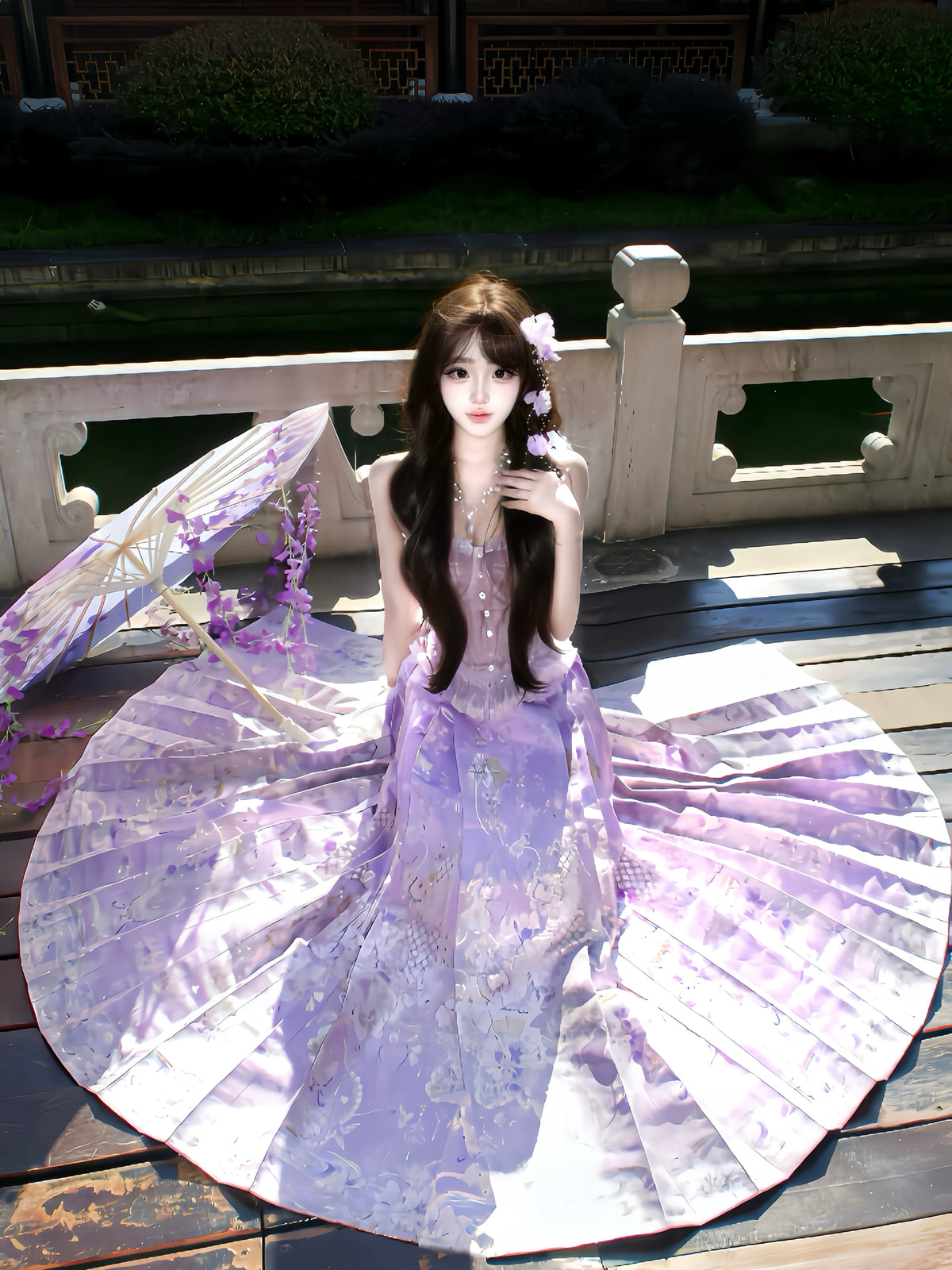
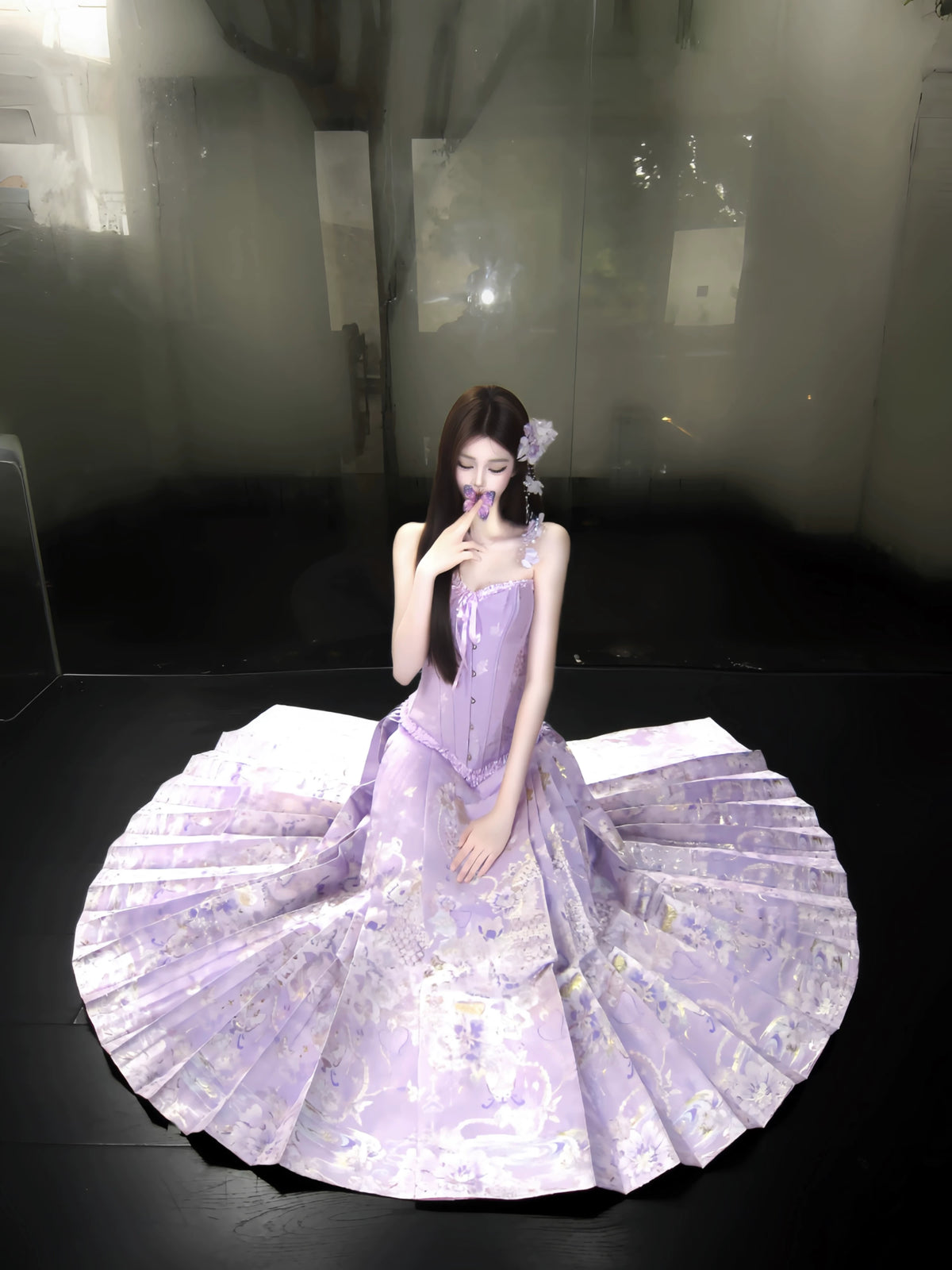
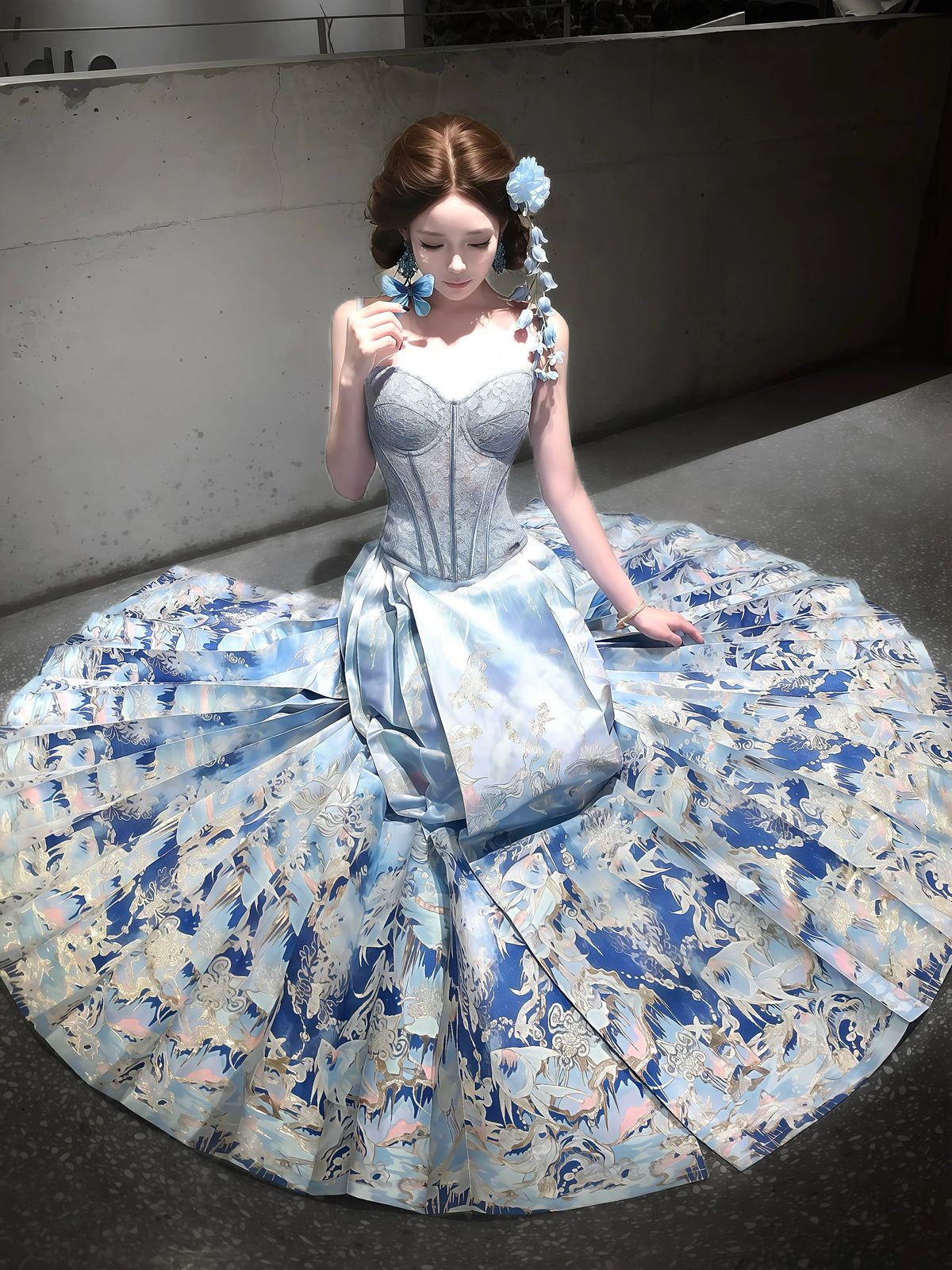
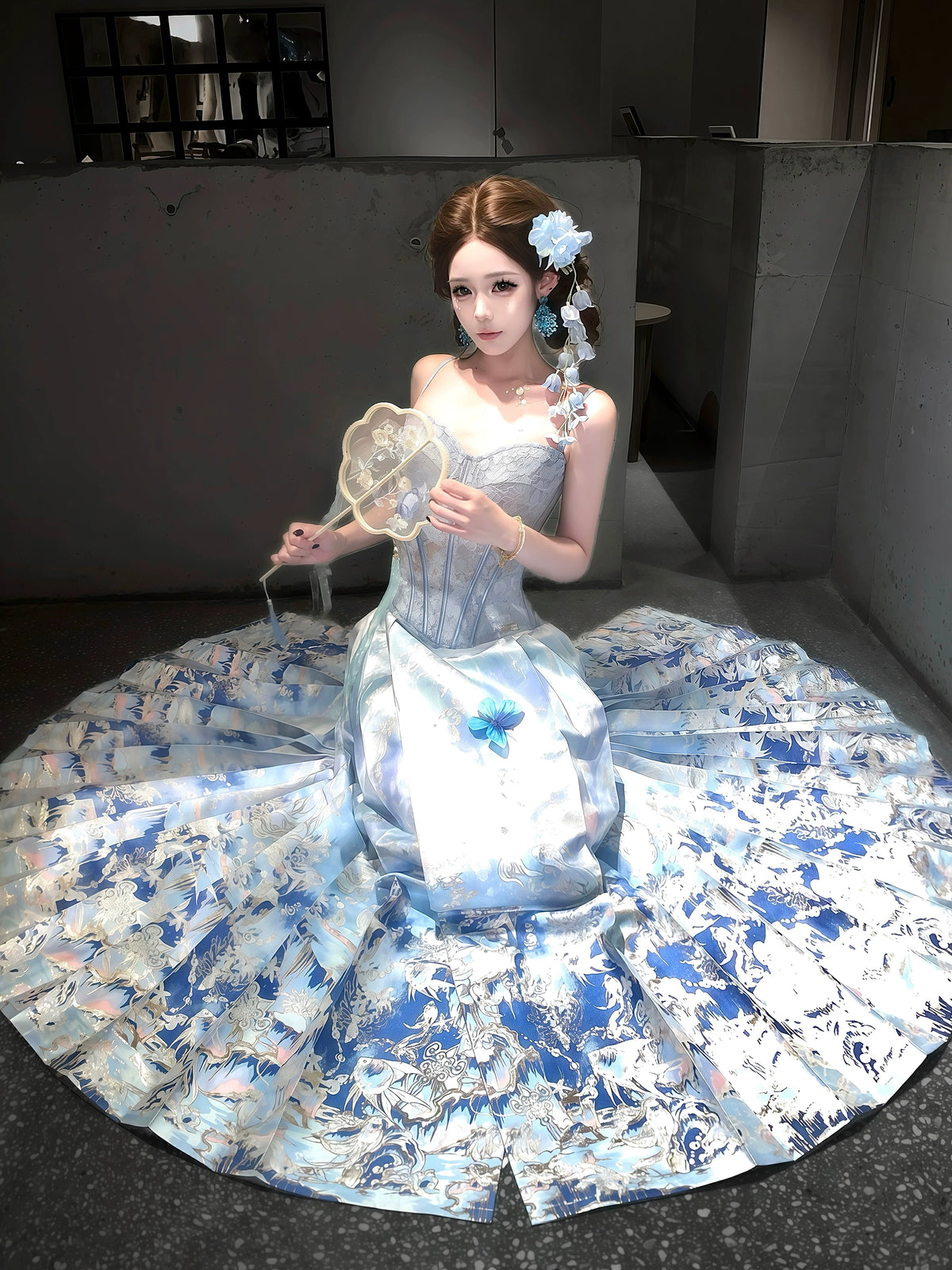
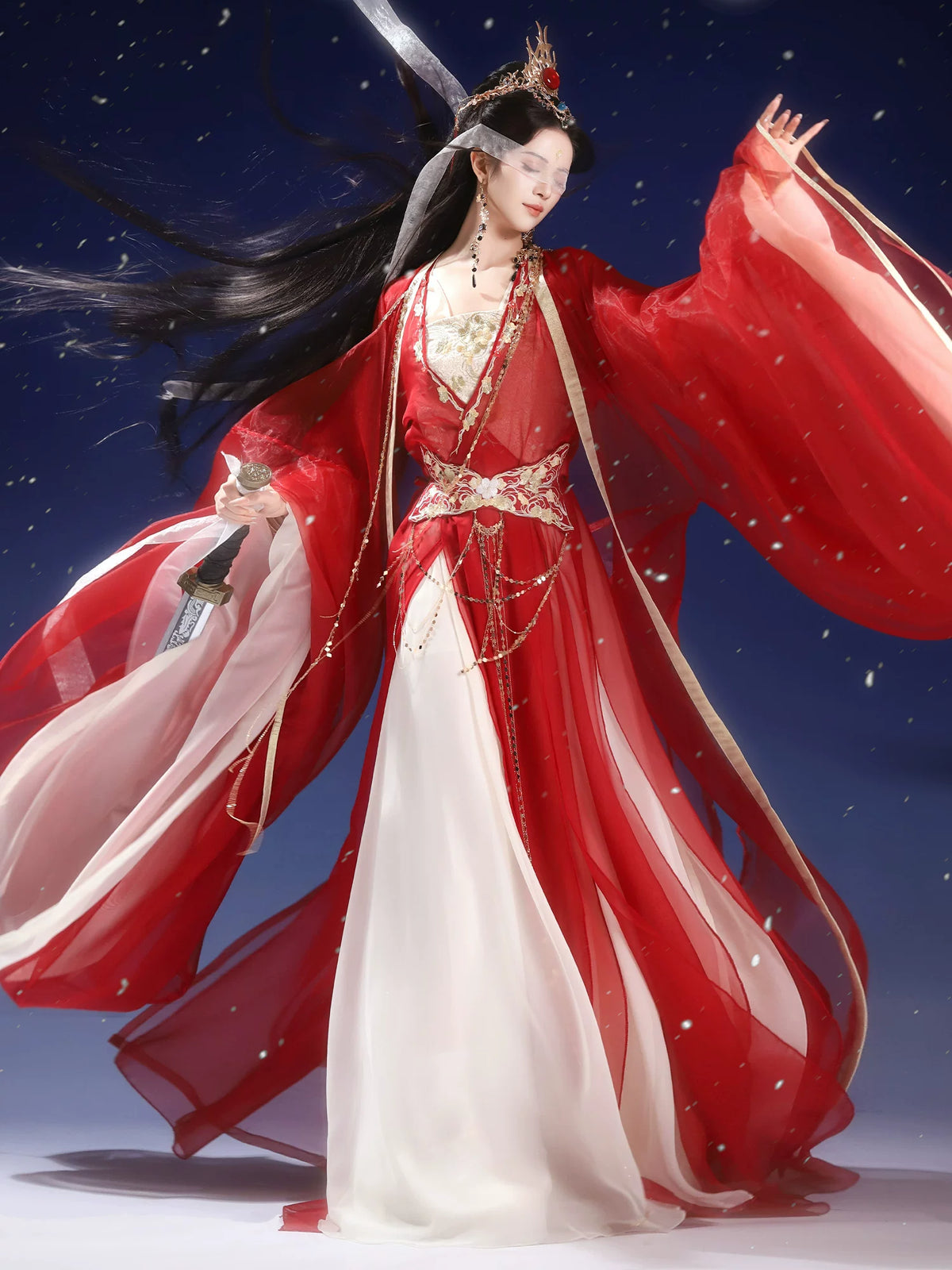
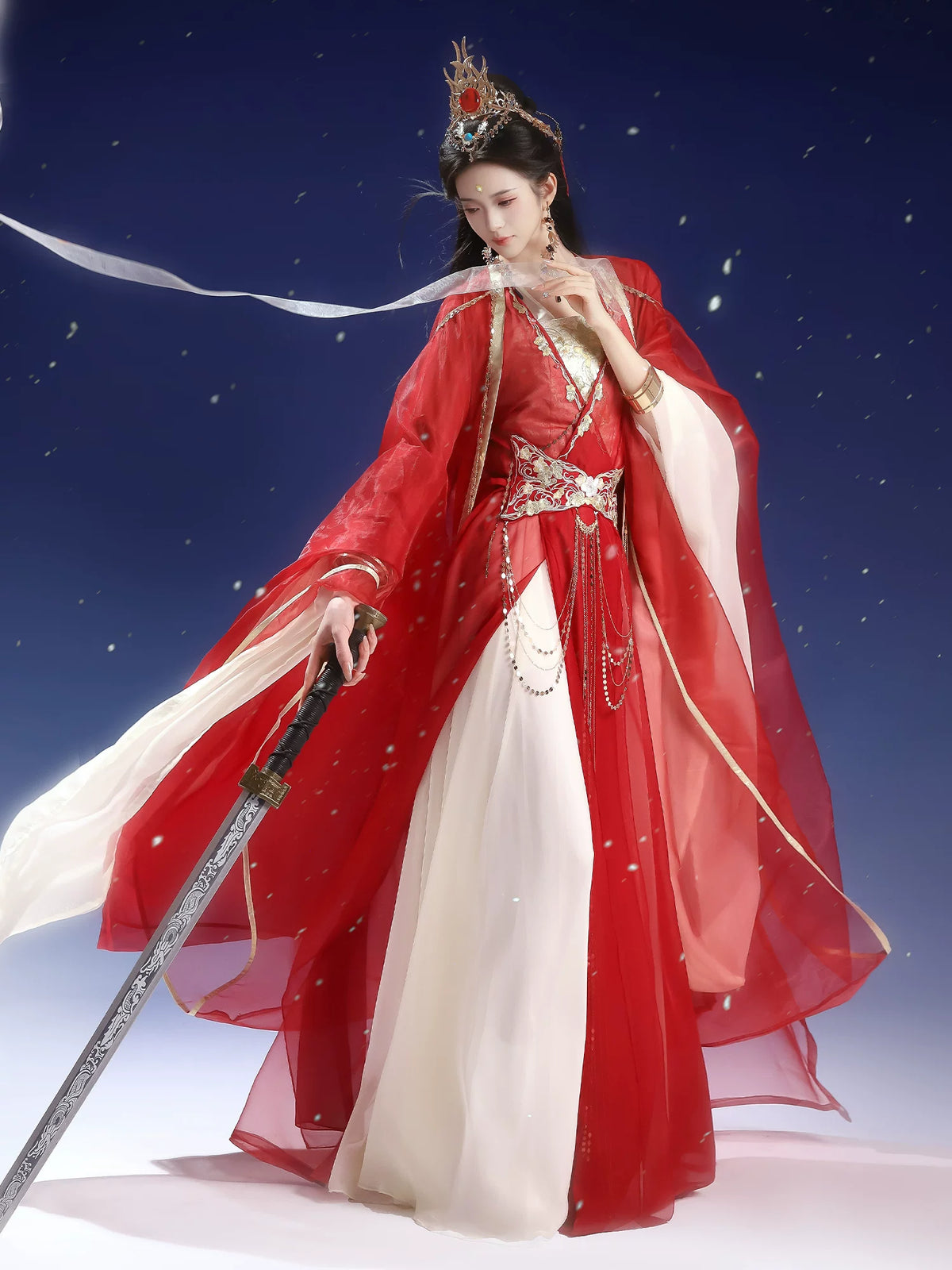
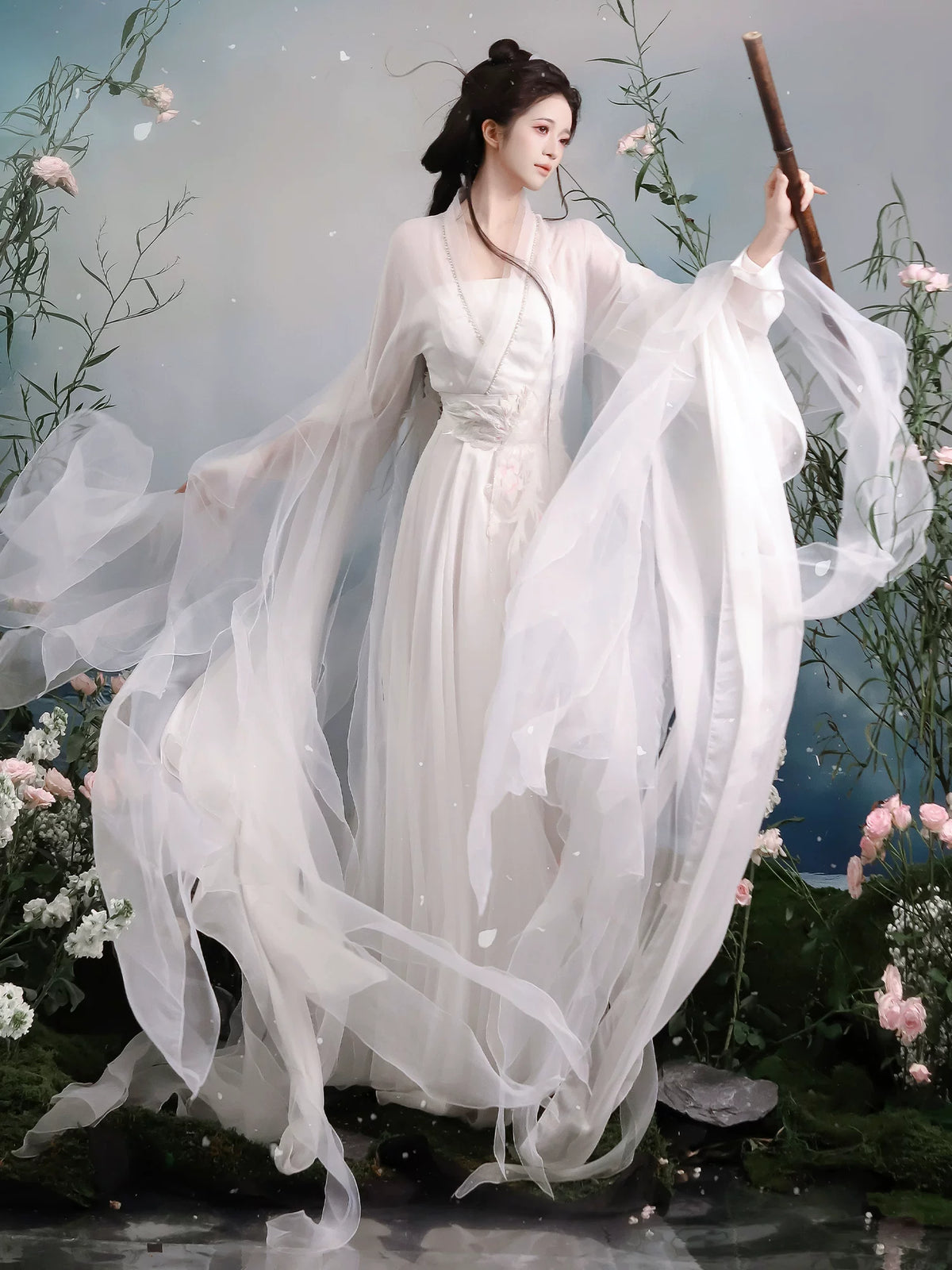
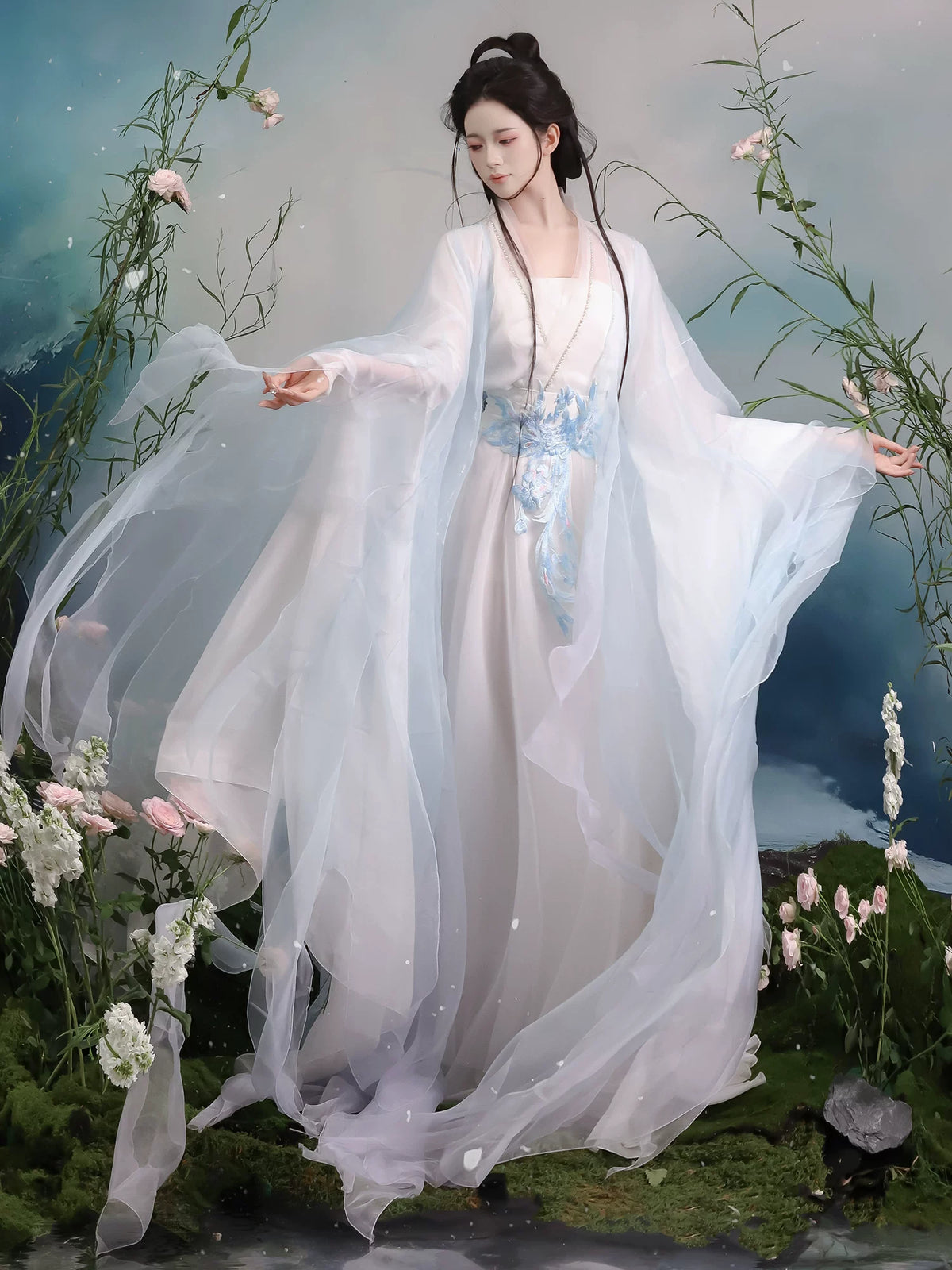
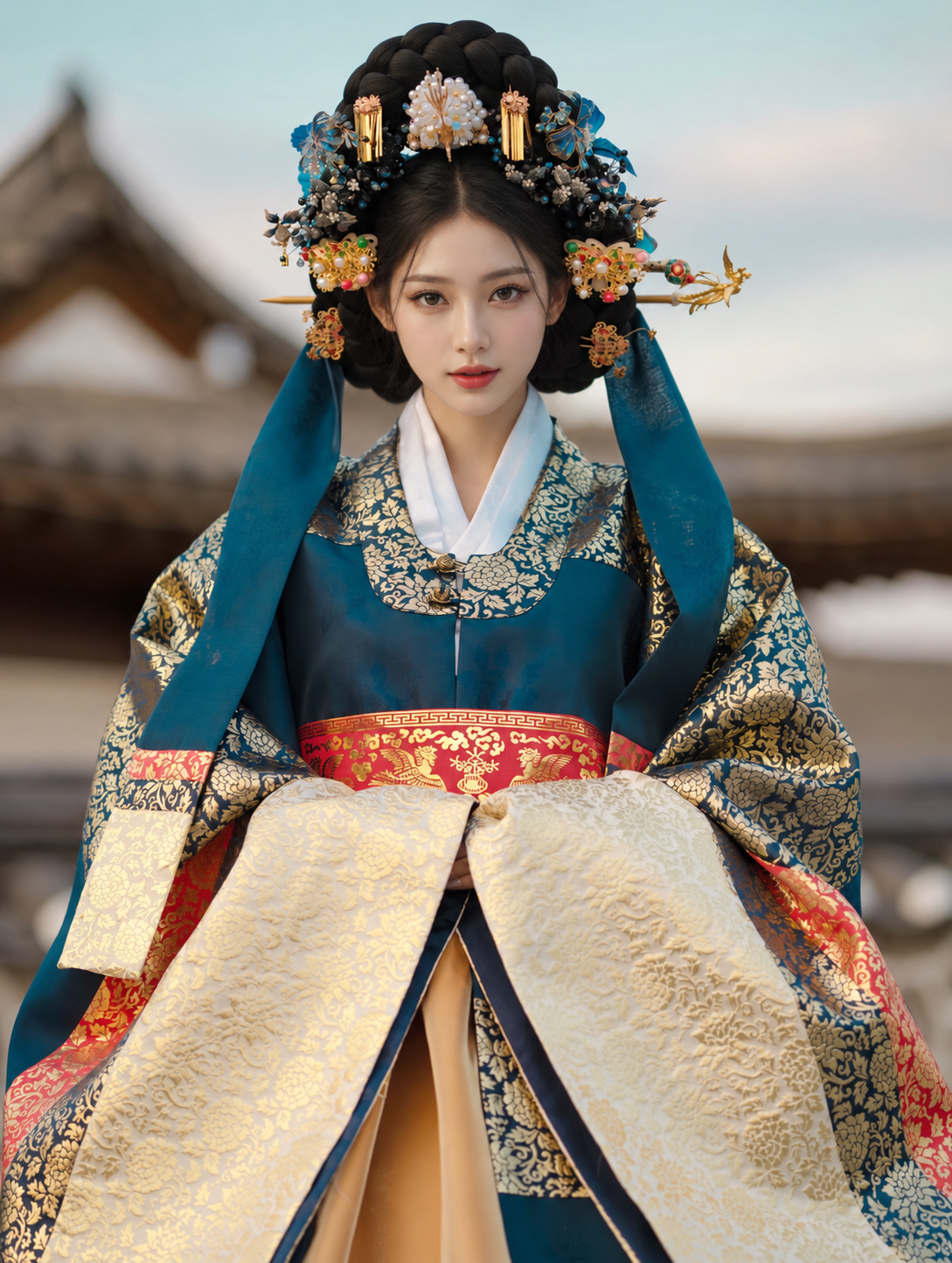
There's something undeniably magical about a kimono photoshoot. The flowing fabric, the intricate obi, the delicate hair accessories — every element comes together to create images that feel timeless, poetic, and deeply beautiful. But getting truly stunning photos takes more than just a gorgeous outfit. The right pose makes all the difference.
Whether you're shooting in a Japanese garden, a traditional street, or a modern studio, this guide covers 15 of the most flattering and photogenic kimono photoshoot poses — with real styling inspiration and tips to help you nail every shot.
📸 Before You Shoot: The Golden Rules of Kimono Posing
Kimono posing is different from regular fashion photography. The structured silhouette, the obi belt, and the length of the garment all shape how you move and stand. Keep these principles in mind:
- Smaller movements read bigger on camera — a slight tilt of the head or a gentle turn of the wrist creates elegance without looking stiff
- Let the sleeves do the work — kimono sleeves are designed to drape beautifully; extend your arms slightly to show them off
- Eyes and gaze matter enormously — a downward gaze feels introspective and poetic; direct eye contact feels powerful and confident
- Props are your best friend — fans, parasols, and flowers all add movement, texture, and visual interest
🌸 Pose 1: The Garden Reverie — Fan in Hand, Gaze Down
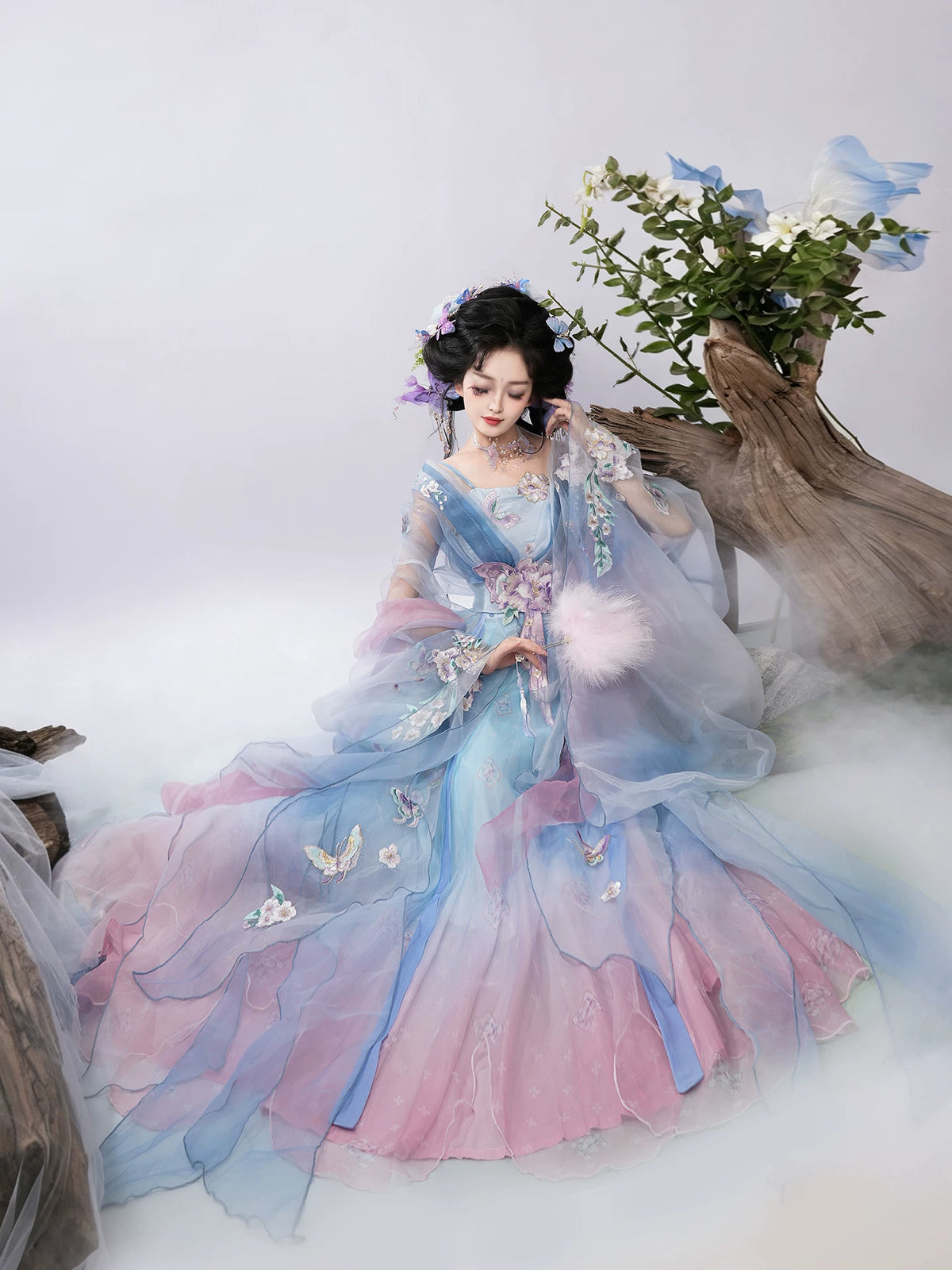
This is one of the most classic and universally flattering kimono poses. Lean gently against a wall or railing, hold a round fan (uchiwa) loosely in both hands, and let your gaze fall softly downward. The result is dreamy, introspective, and deeply feminine.
Why it works: The downward gaze creates a sense of quiet contemplation. The fan adds a prop element that gives your hands a natural, graceful purpose. The garden greenery frames the subject beautifully.
Styling tip: Soft pastel kimonos — blush pink, lavender, sage — photograph beautifully in garden settings. Pair with delicate floral hair accessories to complete the look.
👉 Shop the Look: Cherry Blossom Kimono Hair Accessories — Bow Edge Clip Hairpin | Fringed Hair Comb — Kimono & Hanfu Headgear
🏯 Pose 2: The Architectural Lean — Hand on Wall, Direct Gaze
Place one hand lightly against a wall, pillar, or door frame and look directly into the camera. This pose is confident, editorial, and works especially well against traditional Japanese architecture — dark wood, temple gates, or ornate doorways.
Why it works: The direct gaze creates immediate connection with the viewer. The hand on the wall adds a casual, effortless quality that balances the formality of the kimono. Bold, graphic kimono patterns — like large florals or geometric prints — shine in this pose.
Styling tip: High-contrast kimonos (dark base with bold white or bright patterns) create the most striking results against architectural backgrounds. A single statement hair accessory in a complementary colour ties the look together.
🏮 Pose 3: The Street Turn — Back to Camera, Looking Over Shoulder
Turn your back to the camera, hold a fan open at your side, and glance back over your shoulder with a soft, downward gaze. This is one of the most iconic kimono poses — and for good reason. It showcases the obi (back knot) in all its glory, which is often the most intricate and beautiful part of the kimono.
Why it works: The obi is the centrepiece of the kimono's back view — this pose is designed to show it off. The open fan adds movement and visual interest. A traditional street setting with lanterns and wooden shopfronts creates an instantly atmospheric backdrop.
Styling tip: This pose works beautifully with any kimono, but lighter colours — white, cream, pale blue — stand out most against the warm tones of a traditional street setting. Hair worn up reveals the nape of the neck and the obi simultaneously.
👉 Shop the Look: Traditional Formal Japanese Kimono — Women's Visiting Kimono Set
🍂 Pose 4: The Autumn Contemplation — Hand to Hair, Eyes Down
Stand among autumn foliage, raise one hand gently to touch your hair or hair accessory, and let your gaze fall softly downward. This pose feels natural, unposed, and deeply poetic — as if you've been caught in a quiet moment of thought.
Why it works: The hand-to-hair gesture draws attention to your hair accessories while creating a natural, candid quality. Autumn settings — red maples, golden ginkgo, stone garden paths — provide a rich, warm backdrop that complements almost any kimono colour.
Styling tip: Kimonos with warm tones (pink, red, orange, cream) harmonise beautifully with autumn foliage. Layer your hair accessories for a more elaborate look — multiple pins and combs create a stunning effect in this pose.
👉 Shop Hair Accessories: Fringed Hair Comb — Kimono & Hanfu Headgear | Cherry Blossom Bow Clip Hairpin
⛩️ Pose 5: The Temple Stand — Upright, Chin Up, Gaze to the Side
Stand tall and upright beside a temple gate, wooden sign, or architectural feature. Hold a small prop (like a kinchaku pouch) loosely at your side, lift your chin slightly, and direct your gaze to one side. This pose is regal, composed, and commands attention.
Why it works: The upright posture maximises the kimono's full silhouette — from collar to hem. The slight chin lift creates a sense of quiet confidence. Bold, graphic kimono patterns (large florals, dramatic prints) are especially powerful in this pose.
Styling tip: This pose suits statement kimonos — bold reds, dramatic prints, high-contrast patterns. Keep hair accessories elegant but not overpowering; a single well-chosen piece at the side of the head works beautifully.
✨ 10 More Kimono Photoshoot Poses to Try
Beyond the five signature poses above, here are ten more ideas to fill out your shoot:
- The Parasol Twirl — hold an open parasol over one shoulder and look up at it with a soft smile
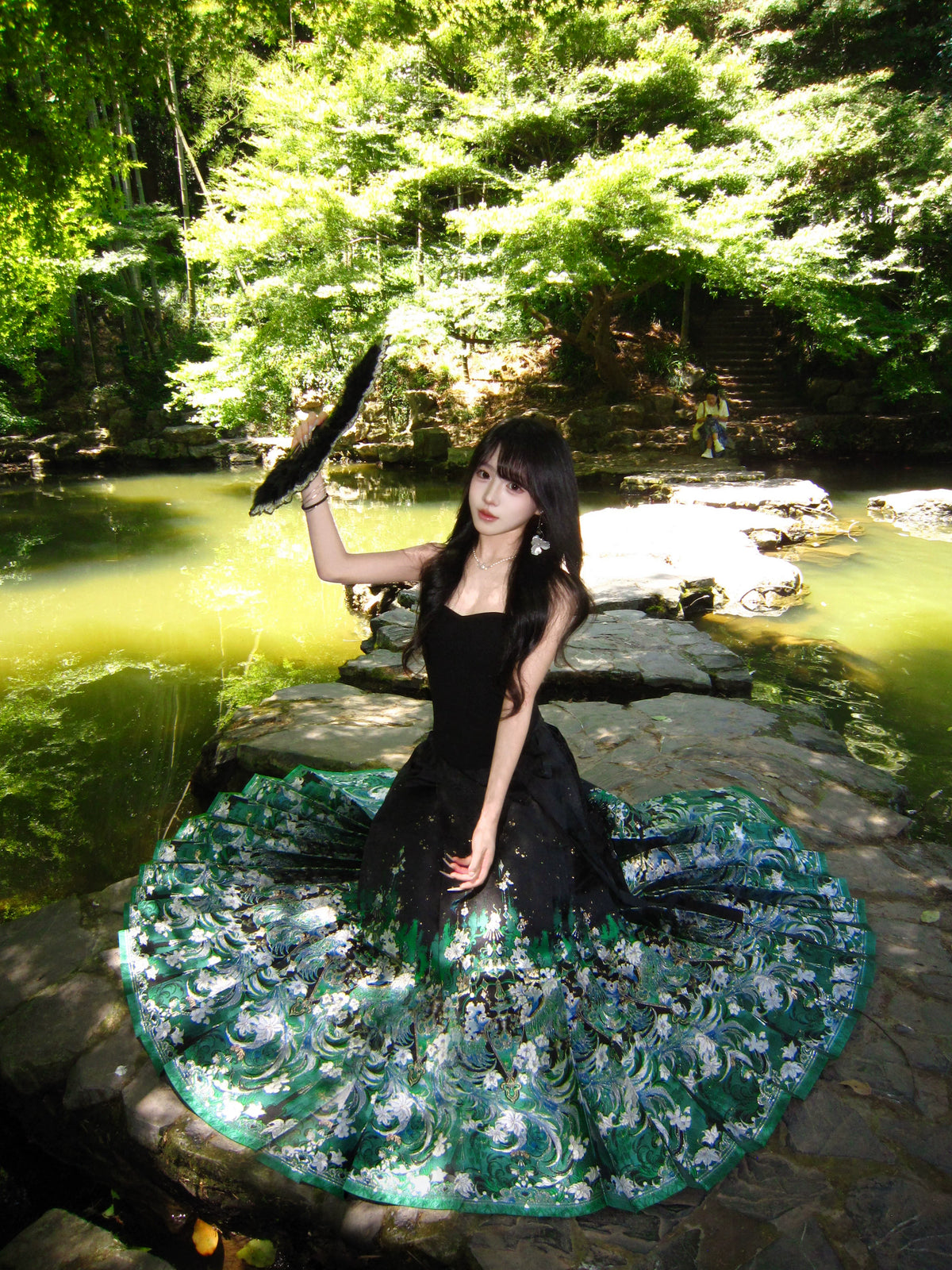
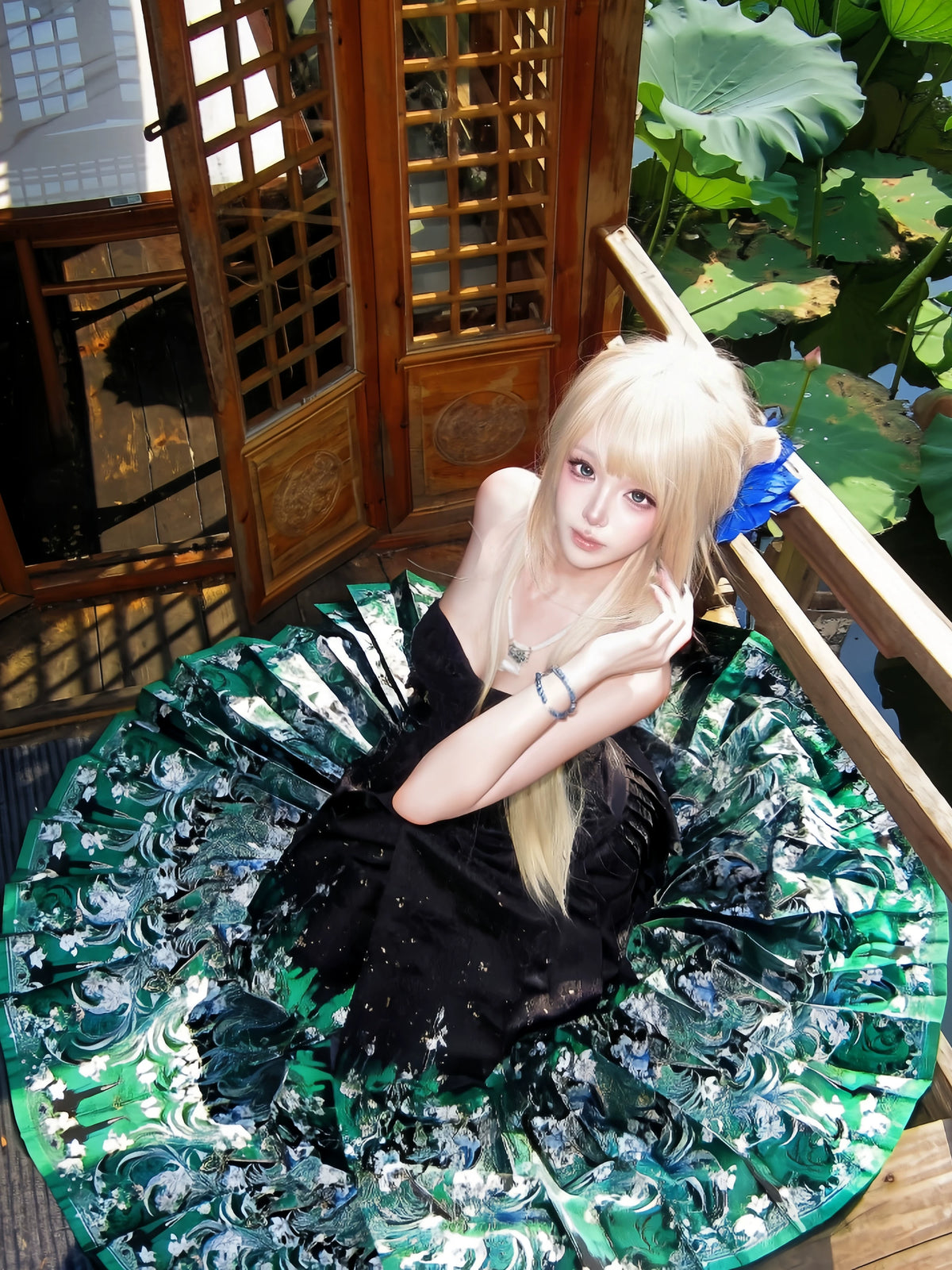
- The Seated Garden Pose — sit on a stone bench or garden step, arrange the kimono hem carefully, and rest your hands in your lap
- The Walking Shot — walk slowly toward the camera with small, deliberate steps; let the sleeves swing naturally
- The Bridge Lean — lean on a railing over water, looking out into the distance
- The Cherry Blossom Reach — reach up gently toward a branch of blossoms, eyes following your hand
- The Doorway Frame — stand centred in a doorway or gate, facing the camera directly
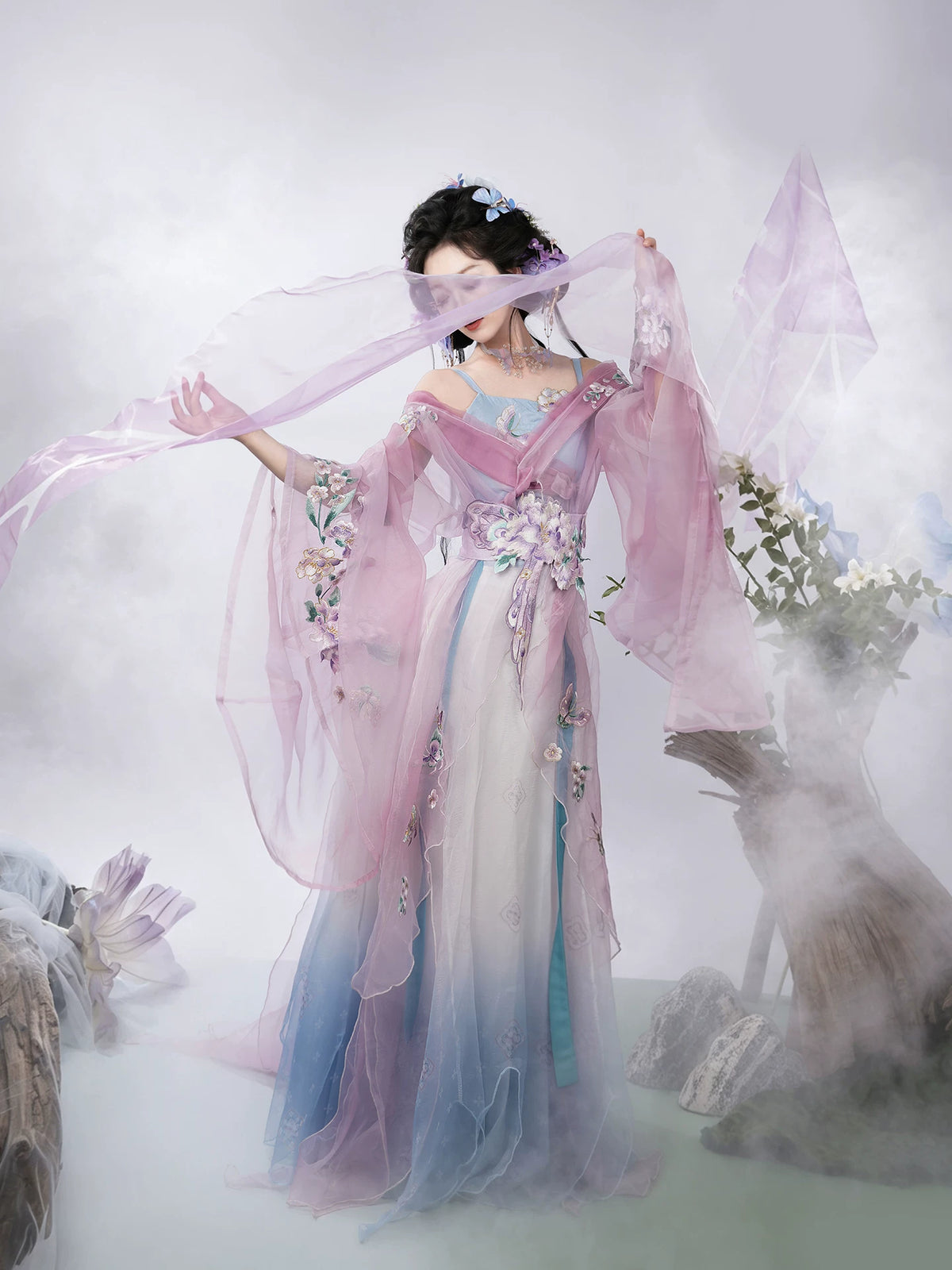
- The Sleeve Spread — extend both arms slightly to show the full width of the sleeves; look down or to the side
- The Candid Laugh — look away from the camera and laugh naturally; movement and joy photograph beautifully in kimono
- The Close-Up Detail — focus on the obi knot, the collar, or the sleeve cuff; these detail shots add depth to any photo set
- The Reflection Shot — find a reflective surface (water, glass, a mirror) and capture both you and your reflection
🎋 Location Guide: Where to Shoot for the Best Results
Japanese Garden
The classic choice — and for good reason. Stone lanterns, koi ponds, maple trees, and bamboo groves all provide naturally beautiful backdrops. Best in spring (cherry blossom season) and autumn (foliage season).
Traditional Street or Temple District
Wooden shopfronts, paper lanterns, stone pathways, and temple gates create an instantly atmospheric setting. The warm, textured tones complement almost any kimono colour.
Studio
A clean studio backdrop lets the kimono itself take centre stage. Use props — fans, parasols, flowers, screens — to add visual interest. Studio lighting gives you full control over mood and tone.
Modern Urban
The contrast of traditional kimono against a modern city backdrop creates a striking, editorial aesthetic. Glass buildings, minimalist architecture, and clean lines all work beautifully.
💄 Styling Tips for Camera-Ready Kimono Looks
- Hair up always photographs better — an updo reveals the collar, the nape of the neck, and the obi, all of which are key visual elements of the kimono
- Layer your hair accessories — multiple pins, combs, and clips create a richer, more editorial look on camera
- Bold lip colour reads well on camera — a classic red or deep berry lip is the traditional choice and photographs beautifully
- Avoid busy jewellery — the kimono itself is the statement; keep jewellery minimal or traditional
- Steam your kimono before shooting — even small creases are visible on camera; a well-pressed kimono photographs significantly better
🛍️ Shop Your Kimono Photoshoot Look
Ready to create your own stunning kimono photos? Start with the right outfit and accessories:
- 👘 Traditional Formal Japanese Kimono — Women's Visiting Kimono Set — a complete, authentic kimono set perfect for photoshoots
- 🌸 Cherry Blossom Kimono Hair Accessories — Bow Edge Clip Hairpin — delicate and photogenic
- 🌿 Fringed Hair Comb — Kimono & Hanfu Headgear — a statement piece that photographs beautifully from every angle
The most important thing? Enjoy the experience. The best kimono photos come from genuine moments of joy, curiosity, and connection with the beauty of what you're wearing. Take your time, try different poses, and let the kimono guide you. ✨