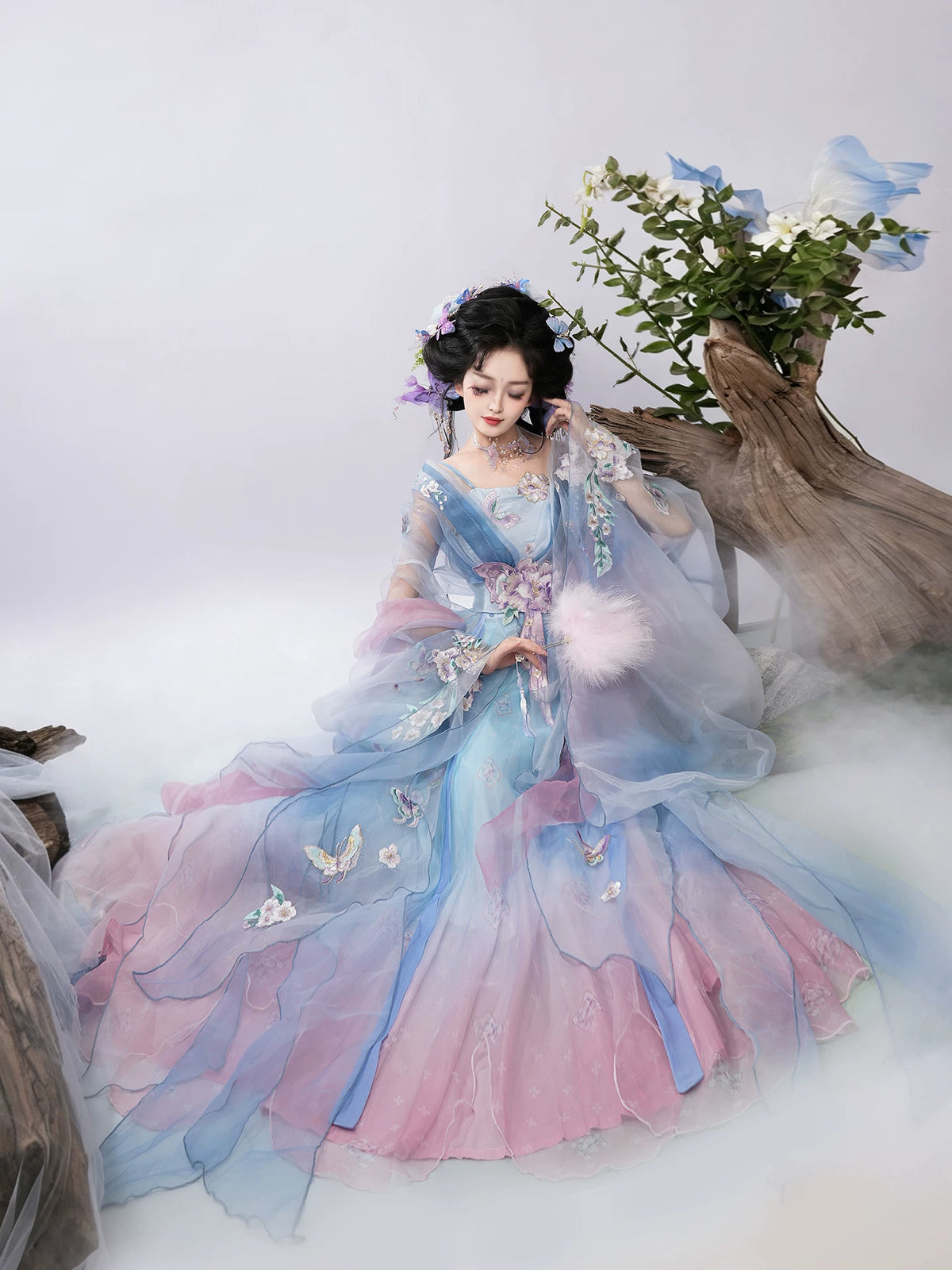
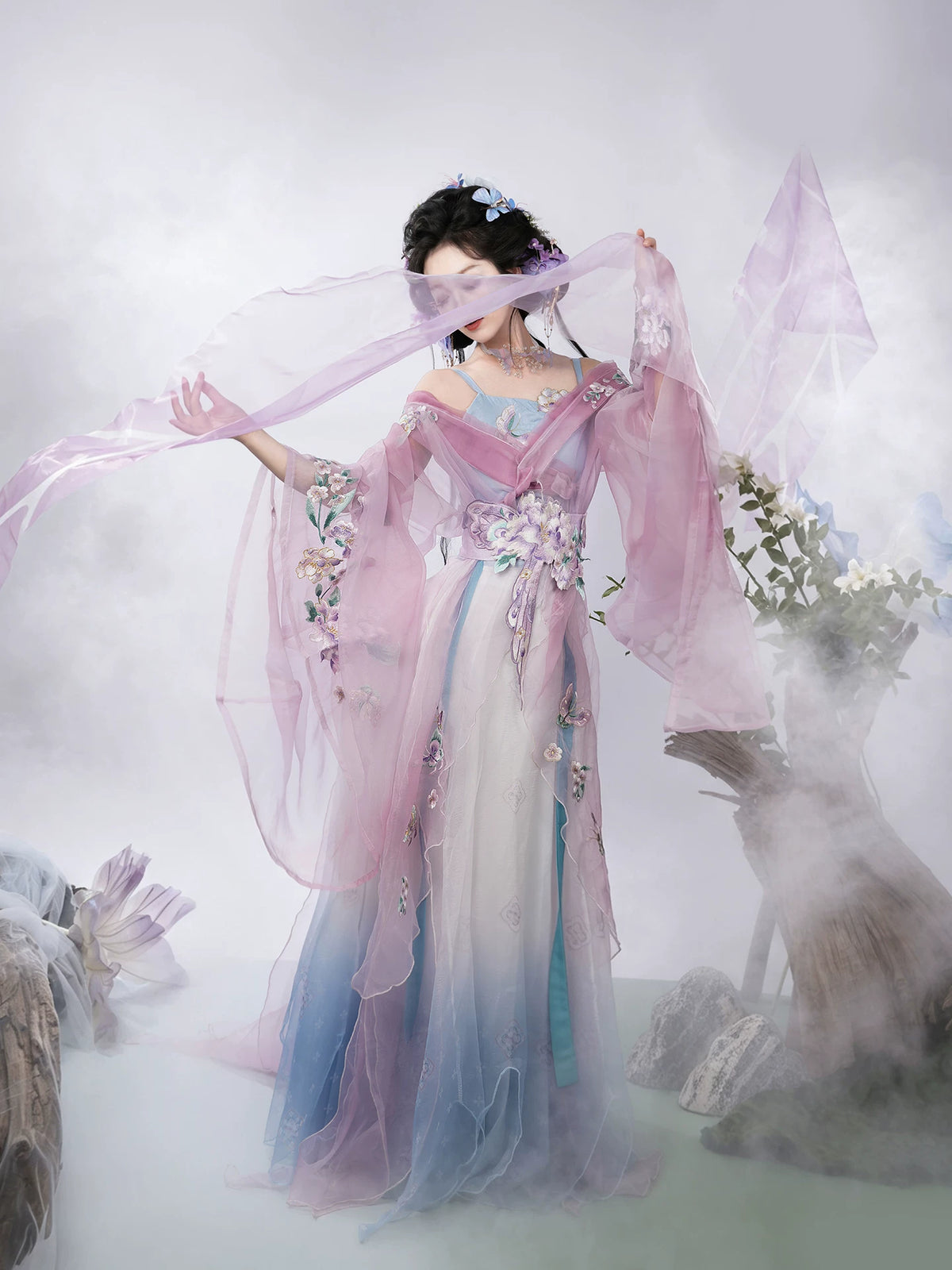
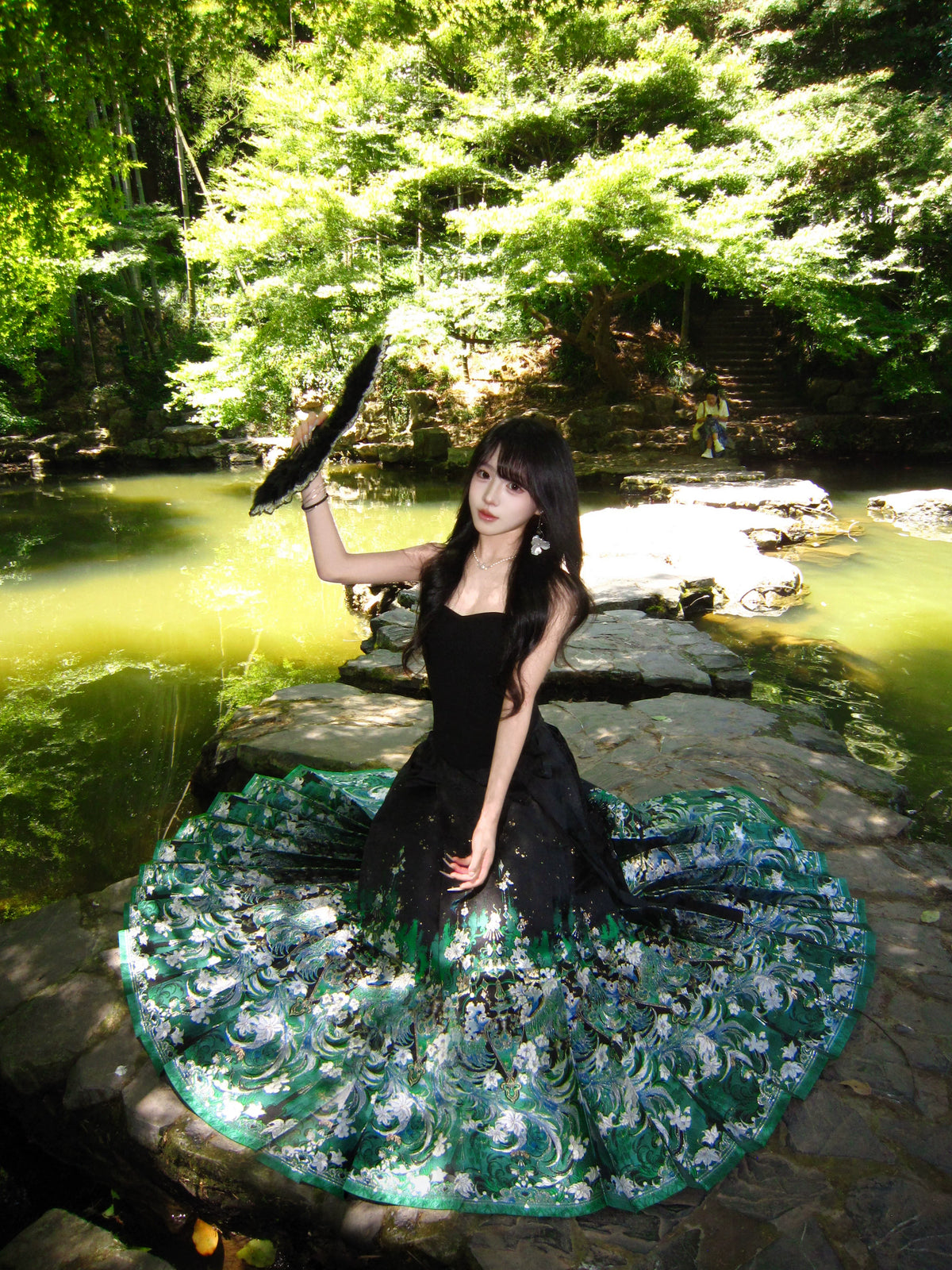
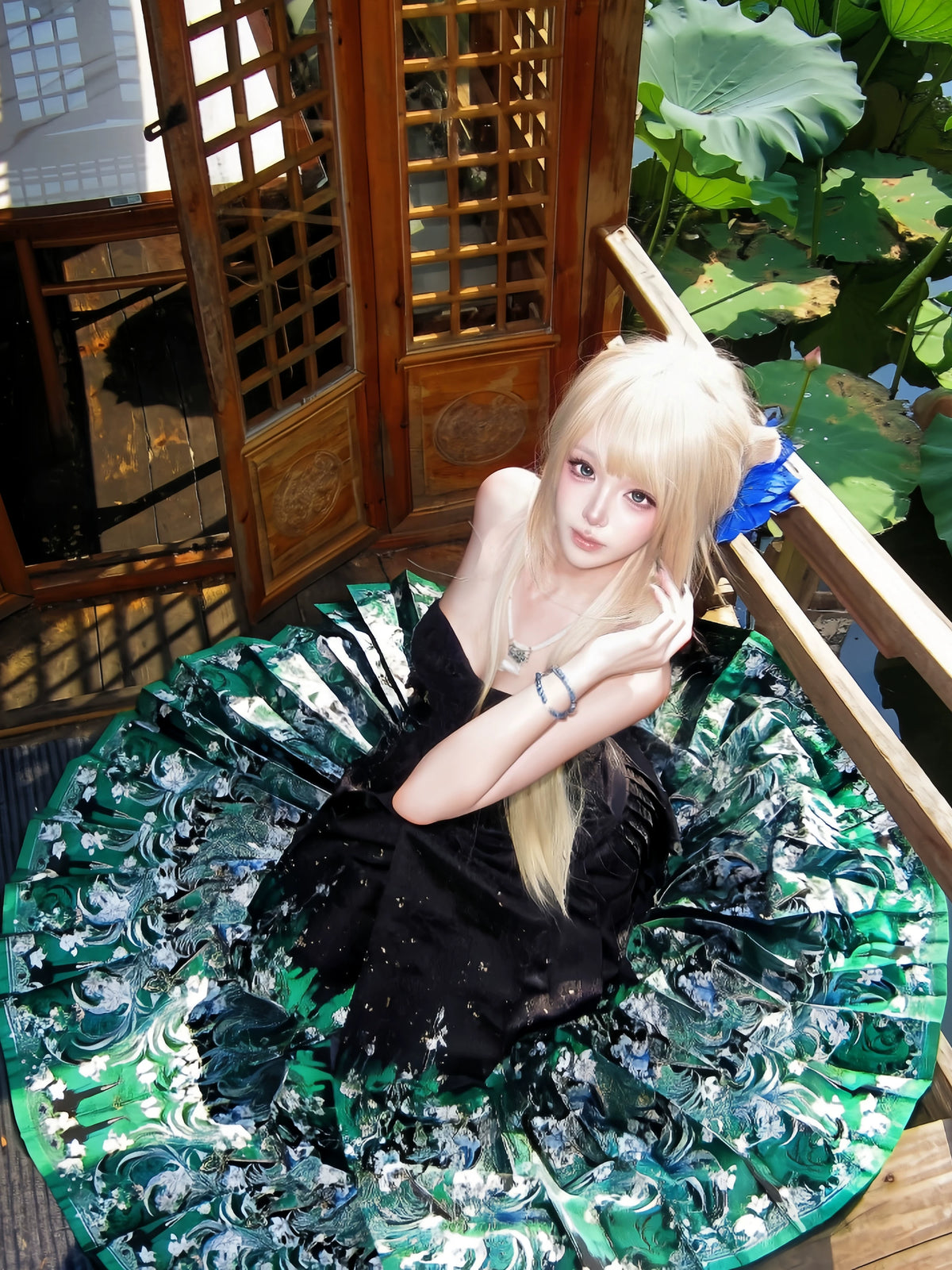
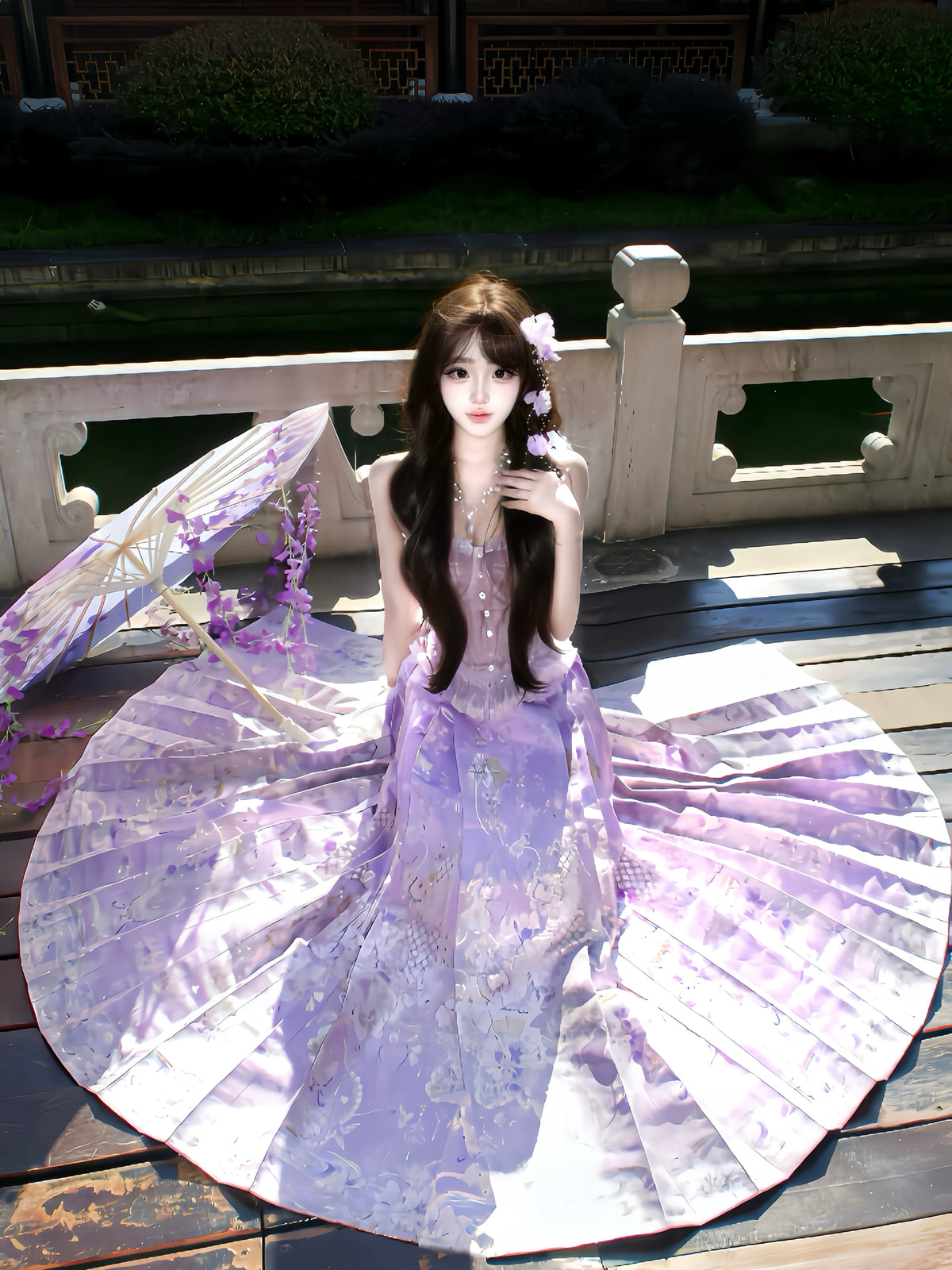
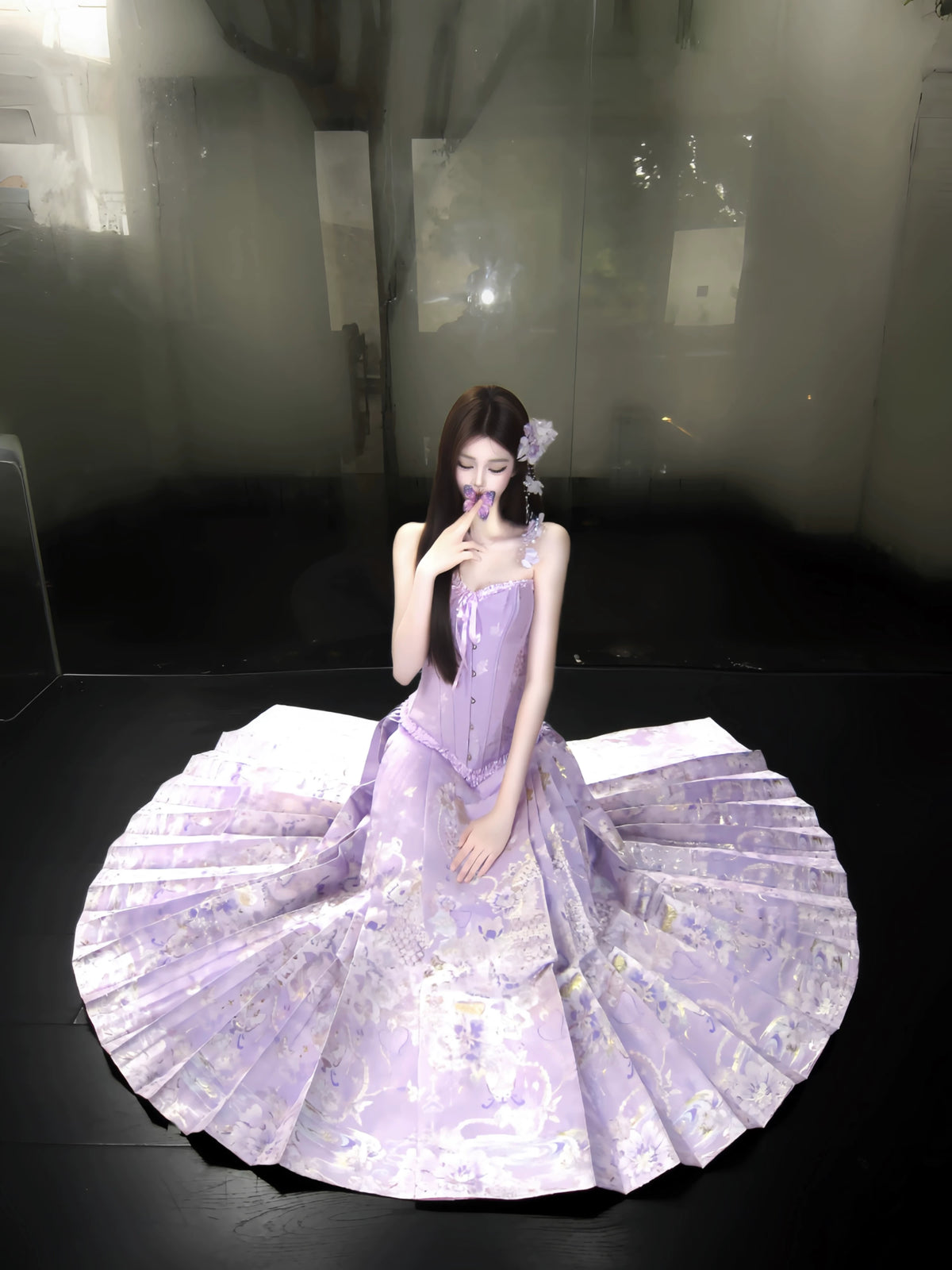
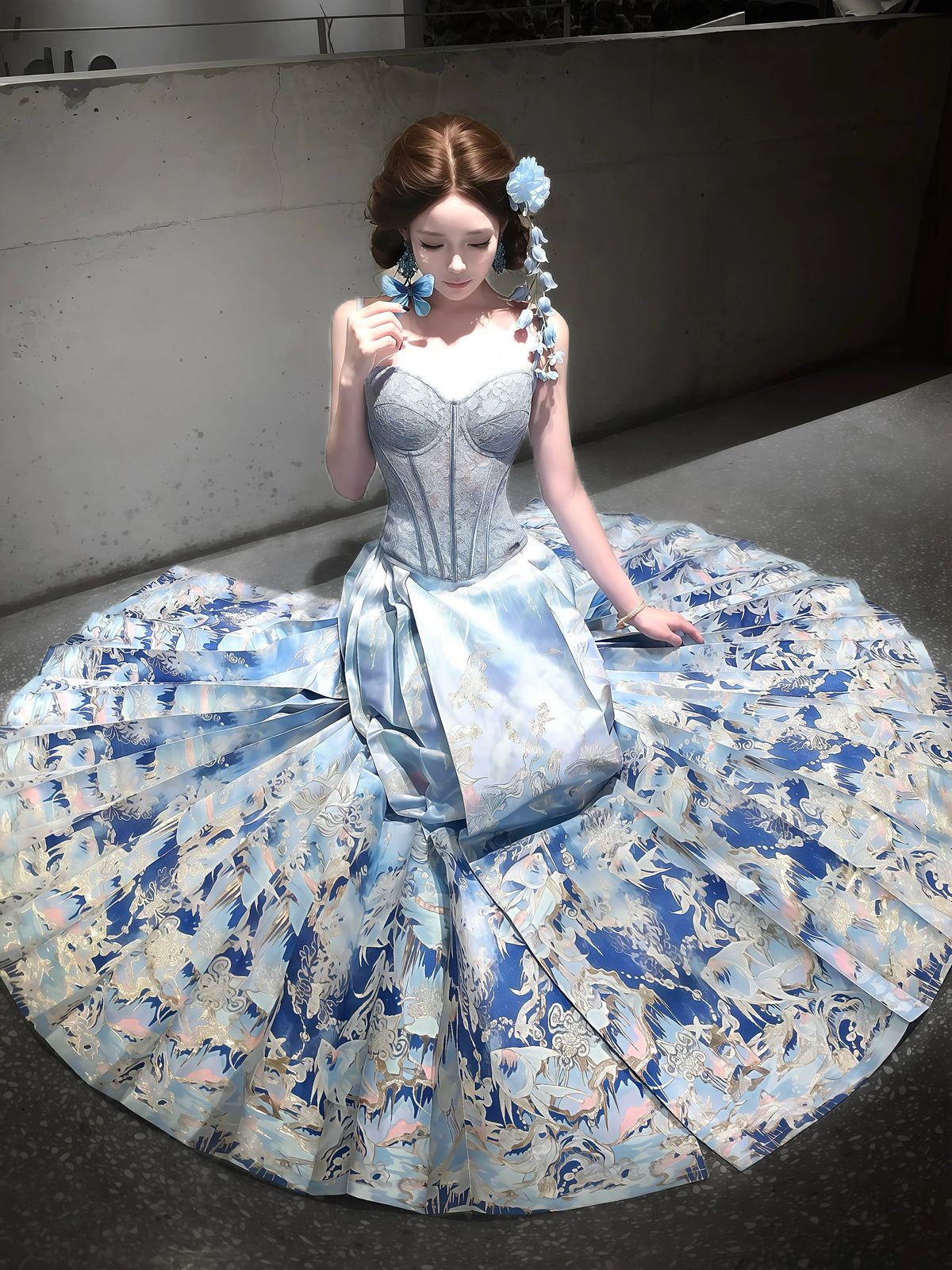
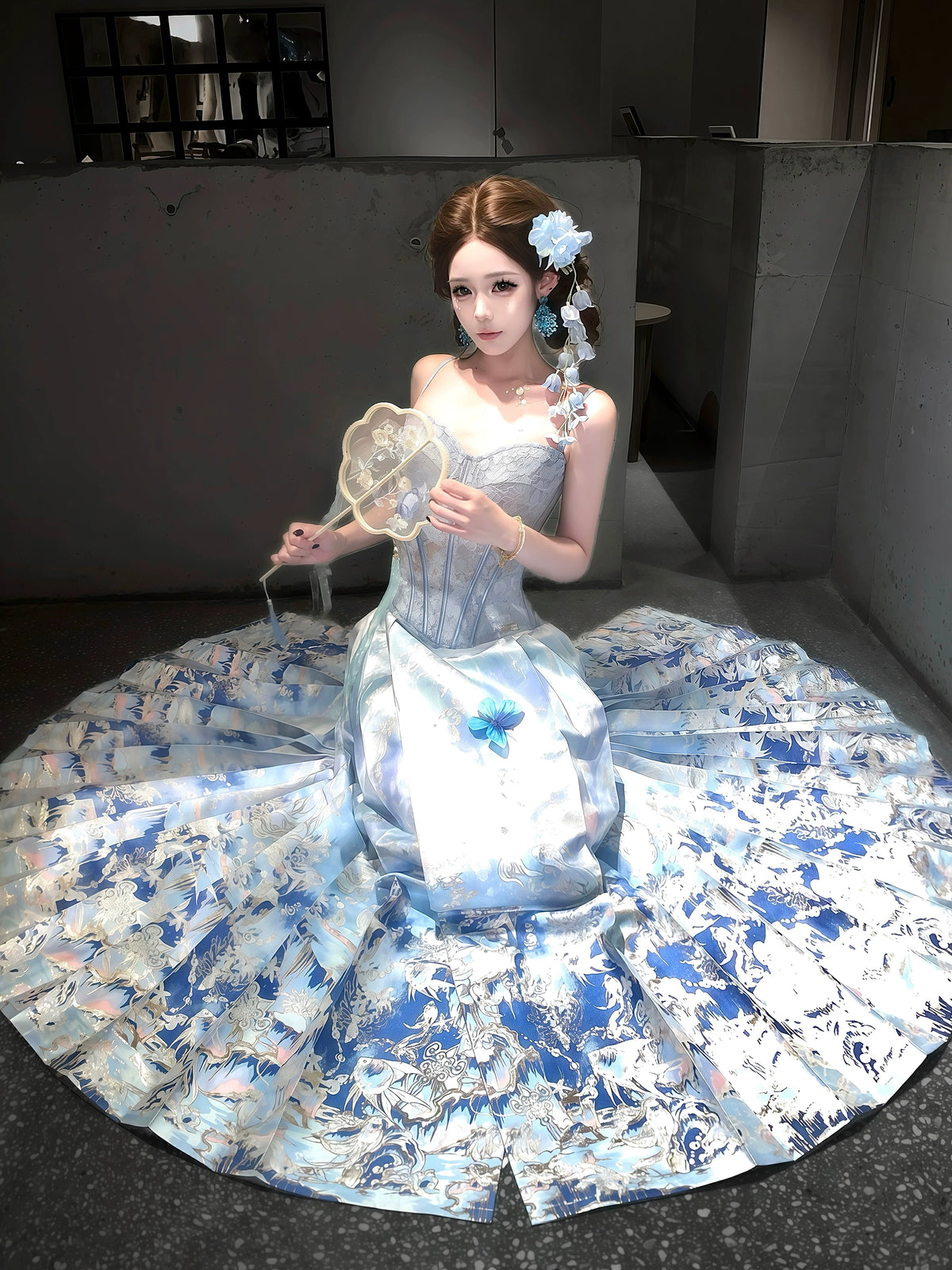
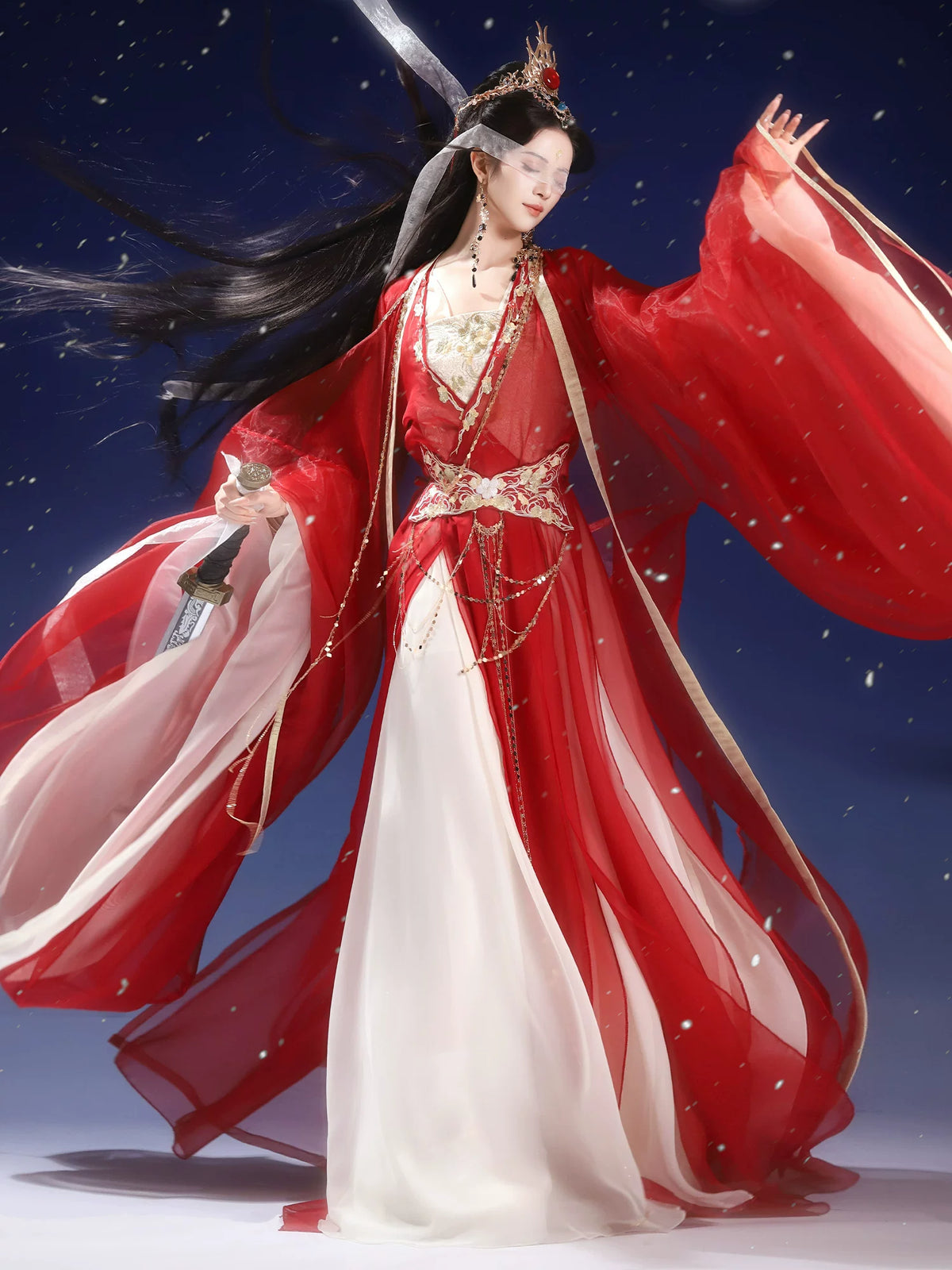
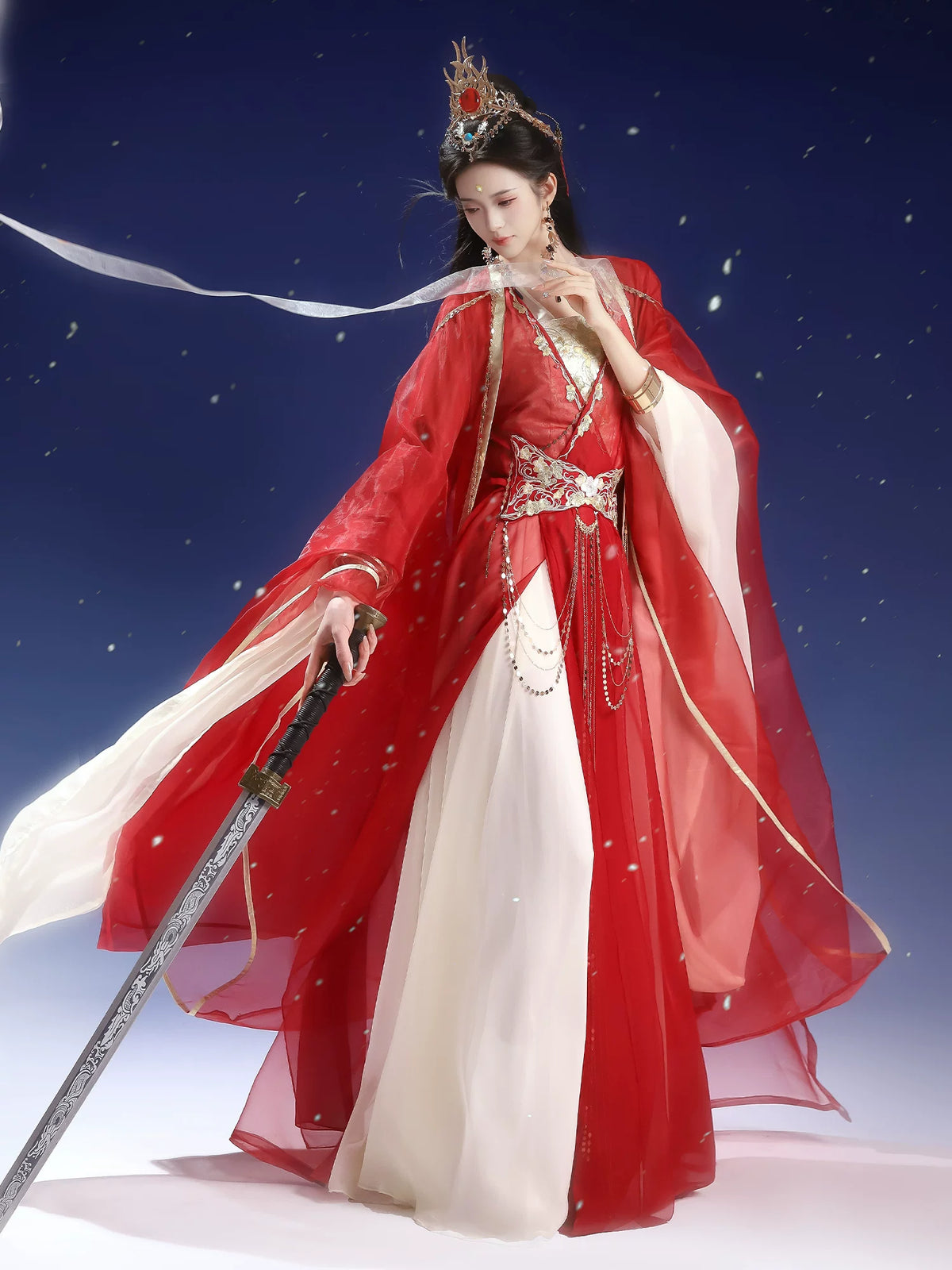
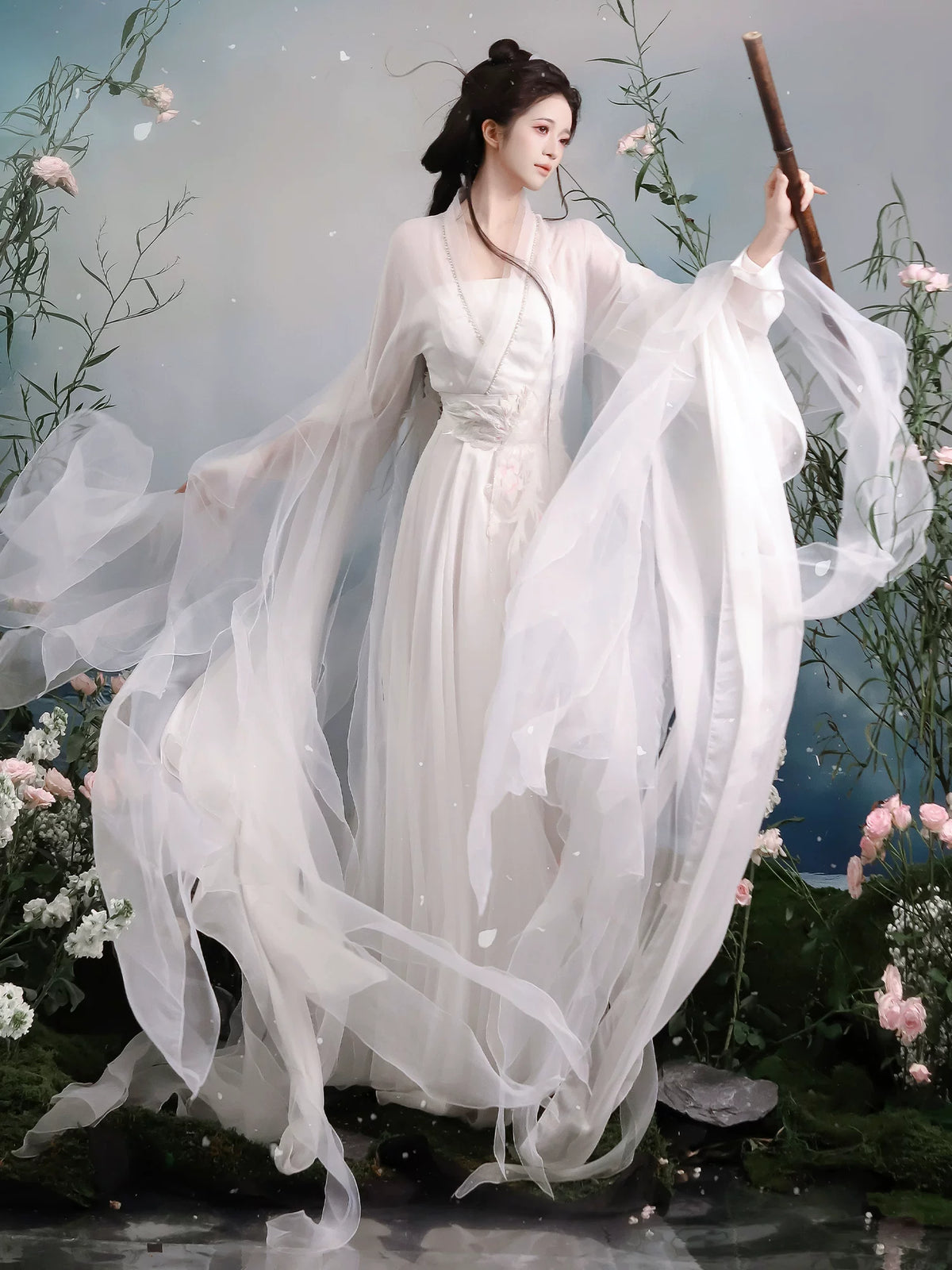
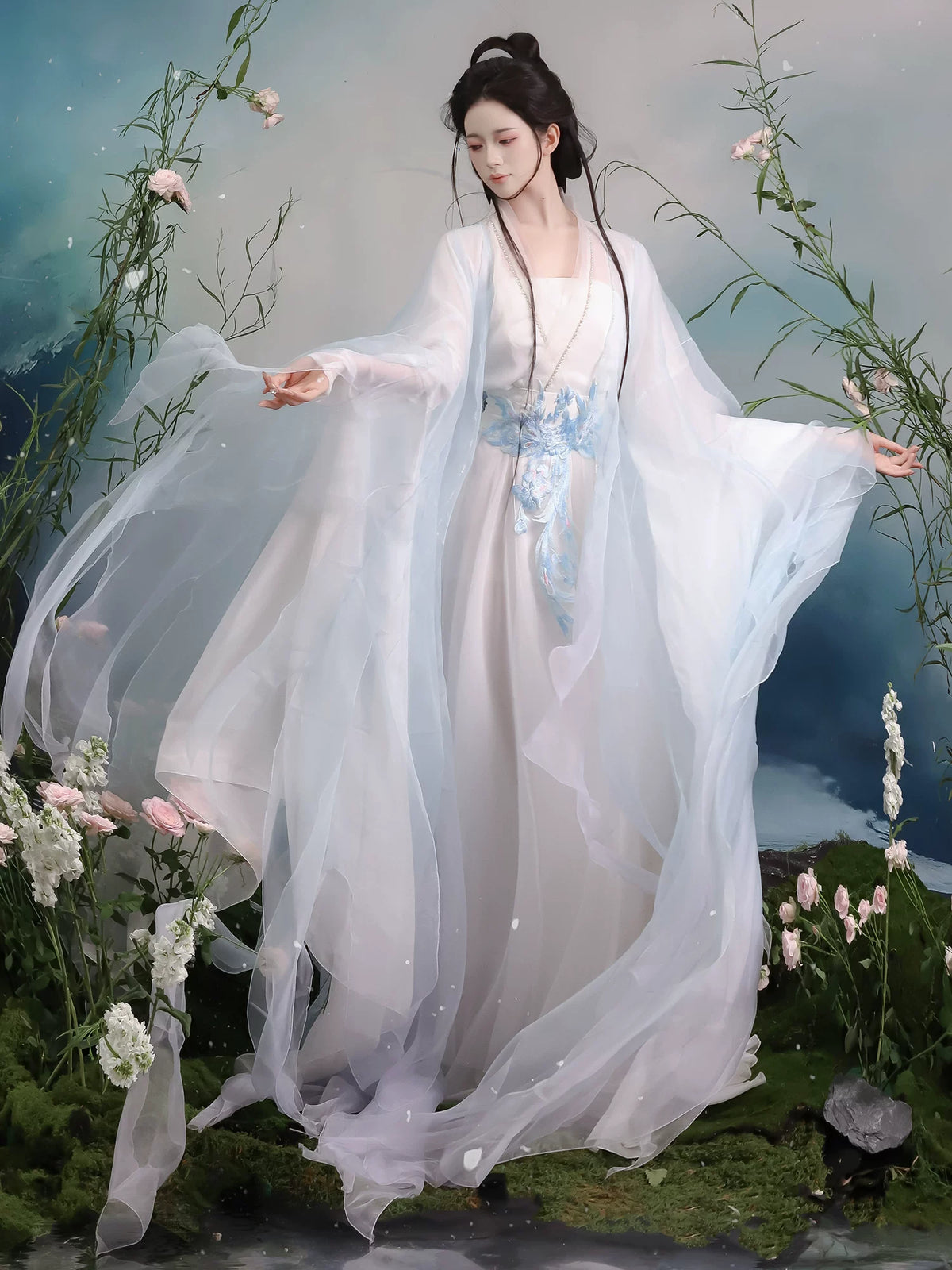
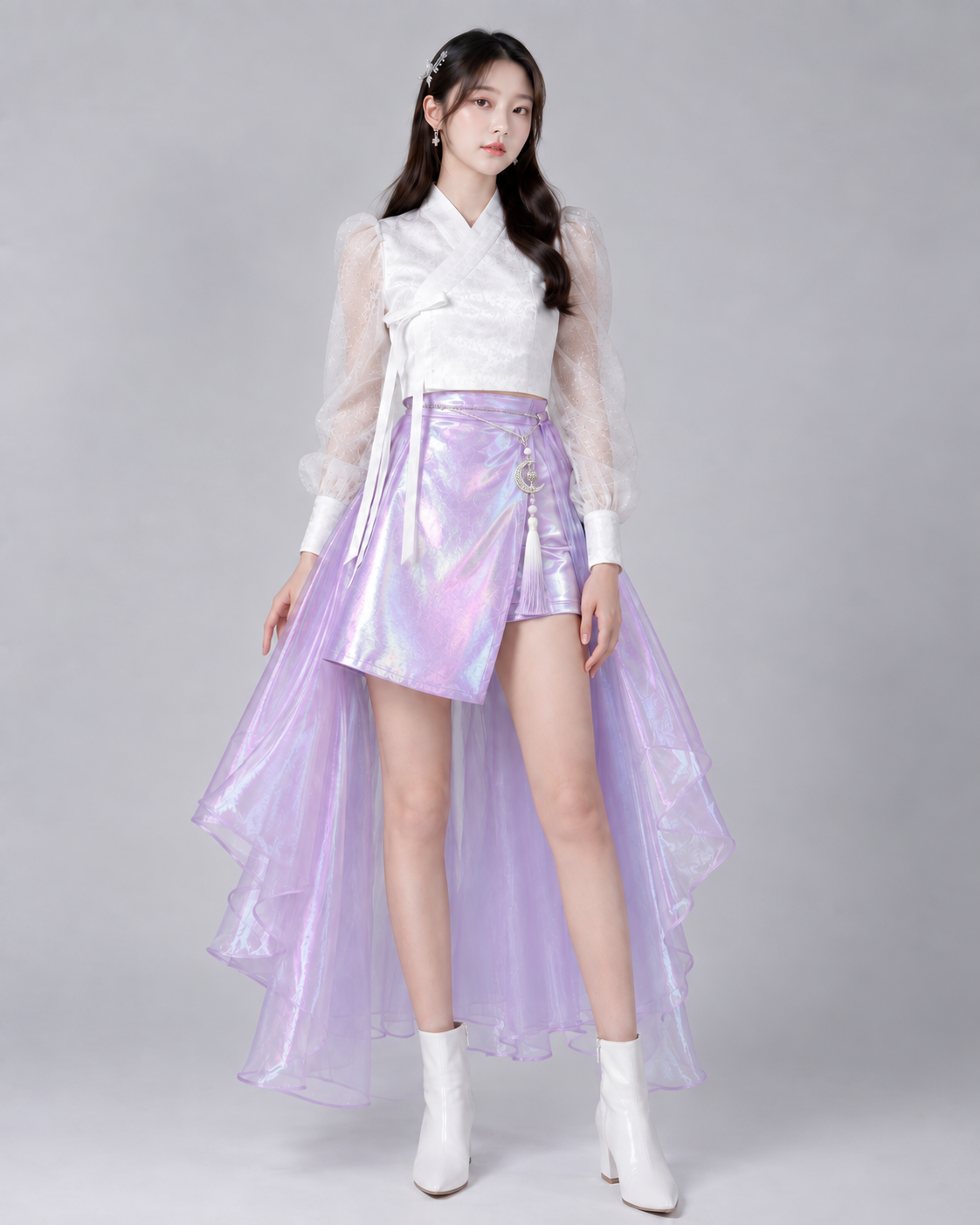
You have decided you want a cheongsam bridal gown. Now comes the harder question: which one?
The market for bridal cheongsam has never been richer — or more confusing. Traditional fitted qipao. Mermaid silhouettes. Improved modern cuts. Silk, jacquard, organza. Red, white, champagne, gold. Cloud shoulders, shawls, trailing hems. The options are genuinely overwhelming if you do not know what you are looking for.
This guide cuts through the noise. We will walk you through the cultural history that gives each choice its meaning, and then give you a clear, practical framework for choosing the cheongsam bridal gown that is right for you. Browse our full bridal cheongsam collection →
Part One: Why the History Matters When You Buy
Understanding where the cheongsam comes from is not just interesting — it is practically useful. The history explains why certain colours, silhouettes, and embroidery motifs carry the weight they do, and why choosing them intentionally makes your bridal look more meaningful.
The Manchu Origin: Practicality Before Beauty

The garment that became the cheongsam originated with the Manchu people of northeastern China, who founded the Qing dynasty in 1644. The original Manchu robe was loose, straight-cut, and designed for movement — a practical garment for a people who lived on horseback.
This origin matters for one reason: the cheongsam as we know it today is not a static cultural artefact handed down unchanged through the centuries. It is a garment that was transformed — radically, deliberately, and beautifully — by the women who wore it. That transformation is what gives it its power.
The Shanghai Revolution: When the Cheongsam Became Fashion
The defining moment in cheongsam history happened in 1920s Shanghai. Han Chinese women — educated, cosmopolitan, and determined to create a modern Chinese identity — took the loose Manchu robe and rebuilt it entirely.
They fitted it to the body. They raised and stiffened the collar. They incorporated Western tailoring techniques — darts, structured seams, bias cutting. They raised and lowered the hem according to fashion. The result was something the world had never seen: a dress that was simultaneously Chinese and modern, traditional and avant-garde.
"The 1930s qipao was not traditional dress — it was the height of modernity. The women who wore it were making a statement about who they were and who they intended to become. That statement is still being made every time a bride chooses a cheongsam today."
— Dr. Antonia Finnane, Professor of History, University of Melbourne, author of Changing Clothes in China
By the 1930s, the cheongsam was the dominant dress of urban Chinese women across all social classes. It was worn by film stars, politicians’ wives, and factory workers alike. It was, briefly, the national dress of China.
The Bridal Cheongsam: A Tradition Born in the 20th Century

The cheongsam as a specifically bridal garment is a 20th-century tradition — younger than most people assume. It became the standard Chinese bridal dress through Hong Kong, Taiwan, and the diaspora in the mid-20th century, worn for the tea ceremony, the banquet, and often the ceremony itself.
This matters for buyers because it means the bridal cheongsam tradition is still evolving. There is no single “correct” way to wear it. The tradition is alive, and you are part of it.
Part Two: The Language of Colour — What Your Choice Communicates
In Chinese bridal dress, colour is not decorative — it is communicative. Every colour carries specific cultural meaning, and choosing intentionally makes your look more powerful.
Red (红色) — The Classic Choice
Red is the traditional Chinese bridal colour, symbolising luck, joy, prosperity, and the warmth of new beginnings. It is the colour of the tea ceremony, the banquet, and any occasion where you want to honour Chinese tradition fully. A red cheongsam is never wrong at a Chinese wedding — it is the definitive statement. Shop red bridal cheongsam →
White & Ivory — The Modern Bridge
White has complex symbolism in Chinese culture — it is associated with mourning in traditional contexts, but has been fully embraced for modern weddings influenced by Western aesthetics. A white cheongsam with embroidery creates a look that bridges Eastern and Western bridal traditions beautifully. It is particularly popular for Western-style ceremonies followed by a Chinese banquet.
Champagne & Gold — The Luxurious Middle Ground
Gold and champagne carry connotations of prosperity and celebration without the directness of red. Gold jacquard cheongsam are particularly popular for banquets and toast ceremonies, and they photograph exceptionally well under warm lighting.
Pink — The Romantic Contemporary
Pink cheongsam have become increasingly popular for engagement parties, bridal showers, and modern ceremonies. They read as romantic and contemporary without the full weight of traditional red — a good choice for brides who want something distinctly Chinese but softer in tone.
Purple & Jewel Tones — The Distinctive Statement
Deep jewel tones — purple, emerald, sapphire — are dramatic and distinctive. They photograph beautifully and create a memorable bridal look for evening ceremonies. Less traditional, but entirely appropriate for modern Chinese weddings.
"Colour choice in Chinese bridal dress is one of the most personal decisions a bride makes. It communicates her relationship to tradition, her aesthetic sensibility, and her vision for the day. There is no wrong answer — only intentional and unintentional ones."
— Professor Wessie Ling, fashion historian, Northumbria University
Part Three: The Language of Embroidery — What the Motifs Mean

The embroidery on a cheongsam bridal gown is not decoration — it is a visual vocabulary with centuries of meaning behind it. Knowing what the motifs mean helps you choose a dress that says exactly what you want it to say.
- Phoenix (凤凰) — the symbol of the bride. The phoenix represents feminine power, grace, and renewal. A phoenix cheongsam is the most traditional choice for a Chinese bride.
- Dragon and Phoenix together (龙凤) — the union of bride and groom. Dragon represents the groom; phoenix represents the bride. Together they symbolise a harmonious, balanced marriage.
- Peony (牛丹) — prosperity, feminine beauty, and honour. The peony is the “queen of flowers” in Chinese culture and one of the most auspicious motifs for bridal wear.
- Lotus (荷花) — purity, elegance, and new beginnings. The lotus rises from muddy water to bloom perfectly — a powerful metaphor for marriage.
- Double Happiness (嗜) — the most explicitly bridal motif. Two happiness characters joined together, representing the joy of union. Unmistakable and deeply traditional.
- Clouds (云纹) — good fortune and heavenly blessing. Cloud patterns are among the oldest motifs in Chinese textile art.
- Mandarin ducks (鸳鸯) — fidelity and lifelong partnership. Mandarin ducks mate for life, making them a powerful symbol of marital devotion.
Part Four: The Practical Buying Guide
Step 1: Decide Your Occasion First
The single most important question before you start shopping is: what is this dress for?
- The ceremony — fitted traditional qipao or white/ivory cheongsam. Prioritise elegance and photography.
- The tea ceremony — red, with auspicious embroidery. This is the most culturally significant moment; dress accordingly.
- The banquet and toast circuit — maximum visual impact. Mermaid silhouettes, trailing hems, gold jacquard. You will be moving through the room all evening; comfort matters as much as appearance.
- The engagement party — slightly less formal. Improved silhouettes, modern cuts, pink or champagne.
- Wedding photography — dramatic silhouettes and high-contrast colours. A red mermaid qipao against a classical garden backdrop is one of the most striking images in wedding photography.
Many brides wear two or three cheongsam across their wedding day. If that is your plan, decide the role of each dress before you start shopping for any of them.
Step 2: Choose Your Silhouette

The silhouette is the second decision, and it is closely linked to the occasion.
Traditional fitted qipao — the classic silhouette, fitted from shoulder to hem. Maximum elegance, requires precise fit. Best for ceremonies, tea ceremonies, and formal photography. Shop fitted qipao →
Mermaid / fishtail — fitted through the body, flaring at the knee. Dramatic and photogenic. Best for banquets and evening ceremonies where visual impact is the priority. Shop mermaid qipao →
Improved / bell silhouette — relaxed proportions, A-line or bell cut. More comfortable for extended wear. Best for engagement parties, bridal showers, and brides who want the cheongsam aesthetic without a strictly fitted cut. Shop improved cheongsam →
With shawl or cloud shoulder — a fitted qipao paired with a matching shawl or cloud shoulder (云肩). Gives the bride two distinct looks in one outfit — covered for the ceremony, uncovered for the reception.
East-meets-West fusion — cheongsam collar and frog buttons combined with Western bridal volume. Best for multicultural weddings and brides who want to honour both traditions. Shop fusion bridal gown →
Step 3: Choose Your Fabric

Fabric determines how the dress looks, moves, and photographs — and how comfortable it is to wear for hours.
- Silk — the most luxurious option. Drapes beautifully, photographs with a natural lustre, and feels exceptional against the skin. Requires dry cleaning and careful handling. Best for formal ceremonies and photography.
- Jacquard — a woven fabric with pattern built into the weave rather than embroidered on top. Structured, rich-looking, and durable. The workhorse of bridal cheongsam — it holds its shape, photographs well, and is more forgiving than silk.
- Brocade — heavily patterned, with a raised texture. Maximum visual richness. Best for formal occasions where you want the dress to make an immediate impression.
- Organza & gauze — lightweight, translucent, and ethereal. Used for layered looks and shawls. Creates a soft, romantic effect that photographs beautifully in natural light.
- Stretch fabrics — used in improved and modern cheongsam. More comfortable for extended wear, more forgiving across body types, and easier to move in. The practical choice for banquets and toast ceremonies.
Step 4: Get the Fit Right

Fit is the single most important factor in how a cheongsam looks. A perfectly fitted cheongsam is transformative. An ill-fitting one — regardless of how beautiful the fabric or embroidery — is uncomfortable and unflattering.
How to measure:
- Size by bust measurement — this is the most critical dimension for cheongsam fit
- If you are between sizes, size up — a cheongsam that is slightly loose can be taken in; one that is too tight cannot be let out
- The collar should sit comfortably at the neck without gapping or digging in — if the collar fit is wrong, the whole dress looks wrong
- The side slit should allow comfortable walking — if you cannot take a full stride, the dress is too tight
Body type guidance:
- Petite frames — knee-length or tea-length silhouettes elongate. Vertical embroidery patterns and monochrome palettes add height.
- Taller frames — floor-length traditional qipao are particularly striking. The full length creates a commanding presence.
- Curvier figures — stretch fabrics and side slits allow comfortable movement. Look for waist darts that define the silhouette without constricting. Plus size options →
- Straighter figures — embroidery at the bust and hip creates the illusion of curves. A-line cuts add volume below the waist.
Step 5: Budget Guidance
Bridal cheongsam span a wide price range, and understanding what drives the price helps you spend wisely.
- Fabric quality — silk and hand-woven jacquard cost significantly more than polyester blends. The difference is visible and tactile.
- Embroidery — hand embroidery is the most expensive and the most beautiful. Machine embroidery is more affordable and still excellent quality at the mid-range.
- Frog button craftsmanship — hand-knotted frog buttons are a mark of quality. They take time to make and they show.
- Construction — a properly structured cheongsam with boning, lining, and precise seaming costs more than a simplified version. The structure is what makes the silhouette.
Our recommendation: invest in the dress you will wear for the tea ceremony and the primary photography session. For the banquet toast circuit, a well-made mid-range improved cheongsam in a beautiful colour is entirely appropriate — and more comfortable for a long evening.
Our Top Picks for Every Budget & Occasion

For the tea ceremony:
👉 Yue Xi — Red Embroidered Jacquard Qipao — traditional fitted silhouette, auspicious embroidery, the definitive tea ceremony dress.
For the banquet:
👉 Lotus Step — Red Mermaid Qipao — dramatic mermaid silhouette, maximum visual impact for the toast circuit.
For the engagement party:
👉 Mibell — Bell Silhouette Improved Cheongsam — relaxed and comfortable, beautiful for extended wear.
For the fusion wedding:
👉 The Red East-Meets-West Gown — mandarin collar meets Western drama.
Browse the full wedding cheongsam collection →
The 5 Questions to Ask Before You Buy
- What is this dress for? Ceremony, tea ceremony, banquet, engagement, or photography? Each occasion has different requirements.
- What colour speaks to my wedding? Traditional red, modern white, luxurious gold, romantic pink? Choose intentionally.
- What silhouette suits my body and my comfort level? Fitted traditional, mermaid, improved, or fusion?
- What fabric suits the season and the occasion? Silk and jacquard for formal; stretch for extended wear; organza for layered looks.
- What embroidery motifs matter to me? Phoenix for the bride, dragon and phoenix for the union, peony for prosperity, double happiness for tradition.
Care & Preservation: Protecting Your Investment
- Dry clean only for silk, jacquard, and embroidered pieces
- Store hanging in a breathable garment bag — never folded
- Keep away from direct sunlight to prevent colour fading
- Have professionally pressed before wearing — never iron directly on embroidery or frog buttons
- For long-term preservation, store in acid-free tissue paper in a cool, dark environment
Frequently Asked Questions
When should I order my cheongsam bridal gown?
Order at least 4–6 weeks before your wedding to allow for shipping and any adjustments. For custom or made-to-measure pieces, allow 8–12 weeks.
Can I wear a cheongsam if I am not Chinese?
Yes. The cheongsam has been worn by brides of all backgrounds for decades. Wearing it with genuine appreciation and respect for its cultural context is always appropriate.
How many cheongsam do Chinese brides typically wear?
Many Chinese brides wear two or three: one for the ceremony or tea ceremony, one for the banquet, and sometimes a third for the engagement or photography session. Each is chosen for its specific occasion.
What is the difference between a qipao and a cheongsam?
They are the same garment. Qipao is the Mandarin name; cheongsam is the Cantonese name. Both refer to the fitted, high-collared Chinese dress with frog button closures and side slits.
Do you offer plus size bridal cheongsam?
Yes. Browse our plus size cheongsam collection →
What shoes should I wear with a cheongsam bridal gown?
Heeled court shoes or block heels in nude, gold, or a colour pulled from the dress. For mermaid and trailing styles, comfort matters more than appearance — the shoes are rarely visible.