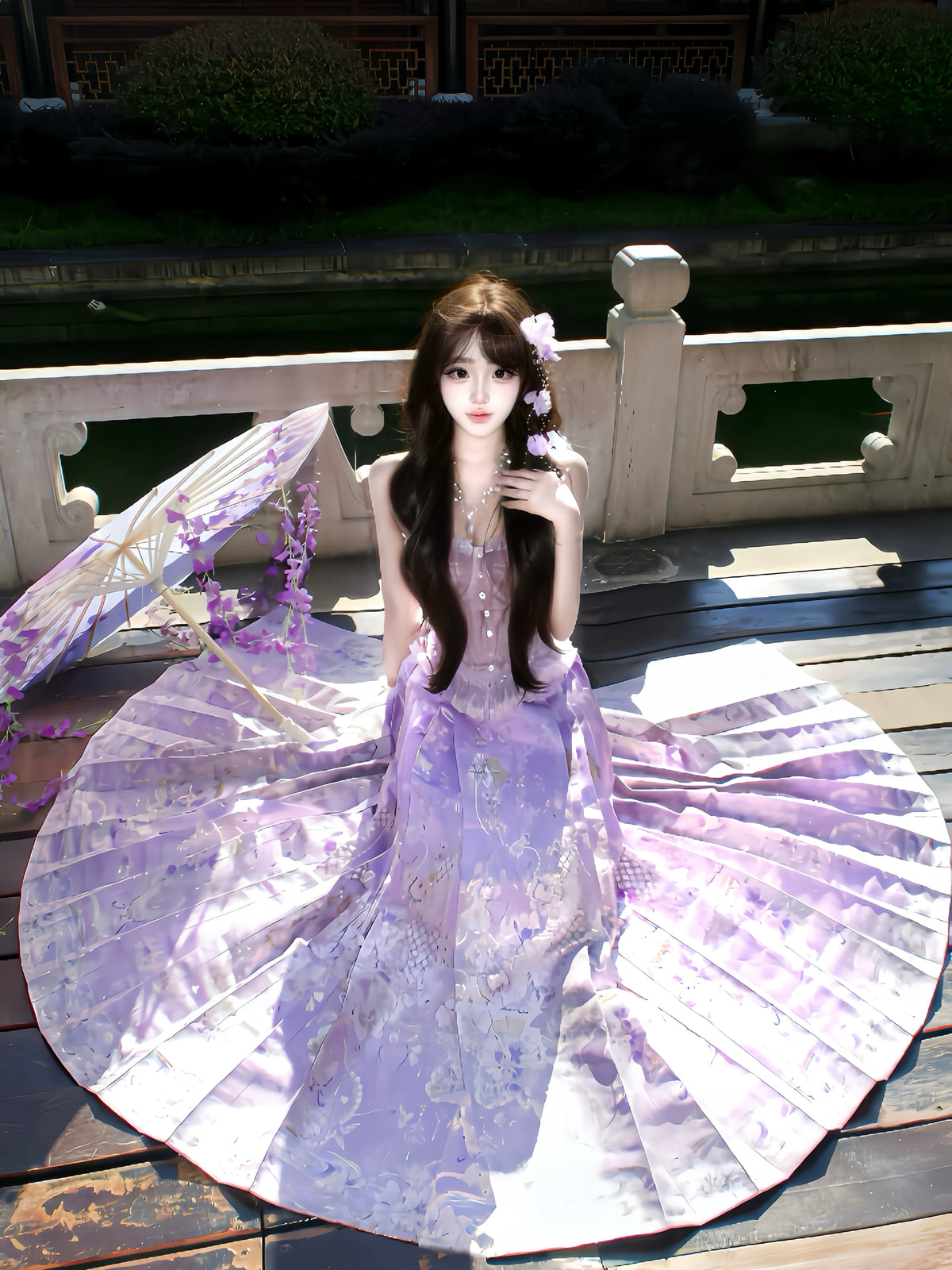
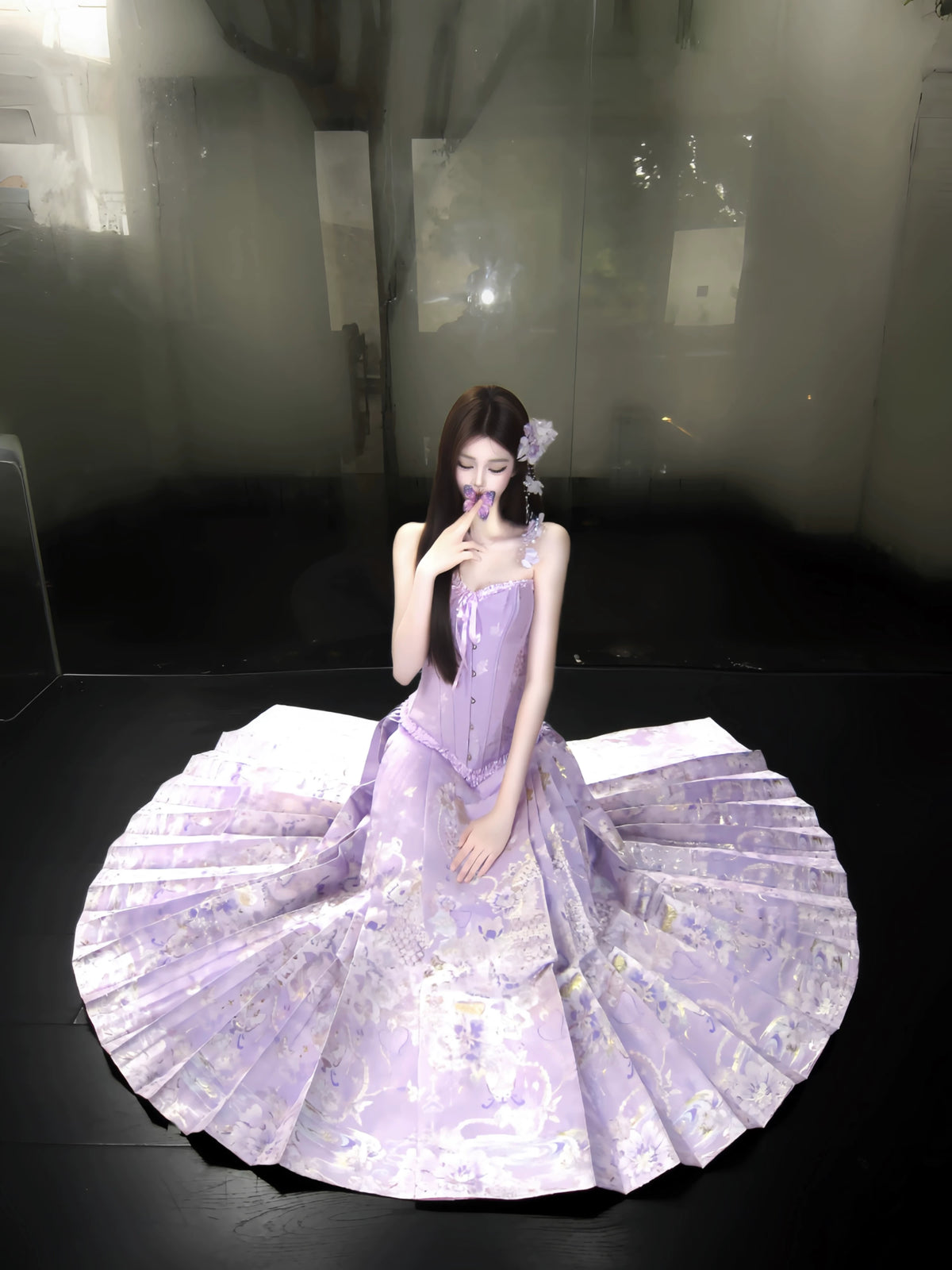
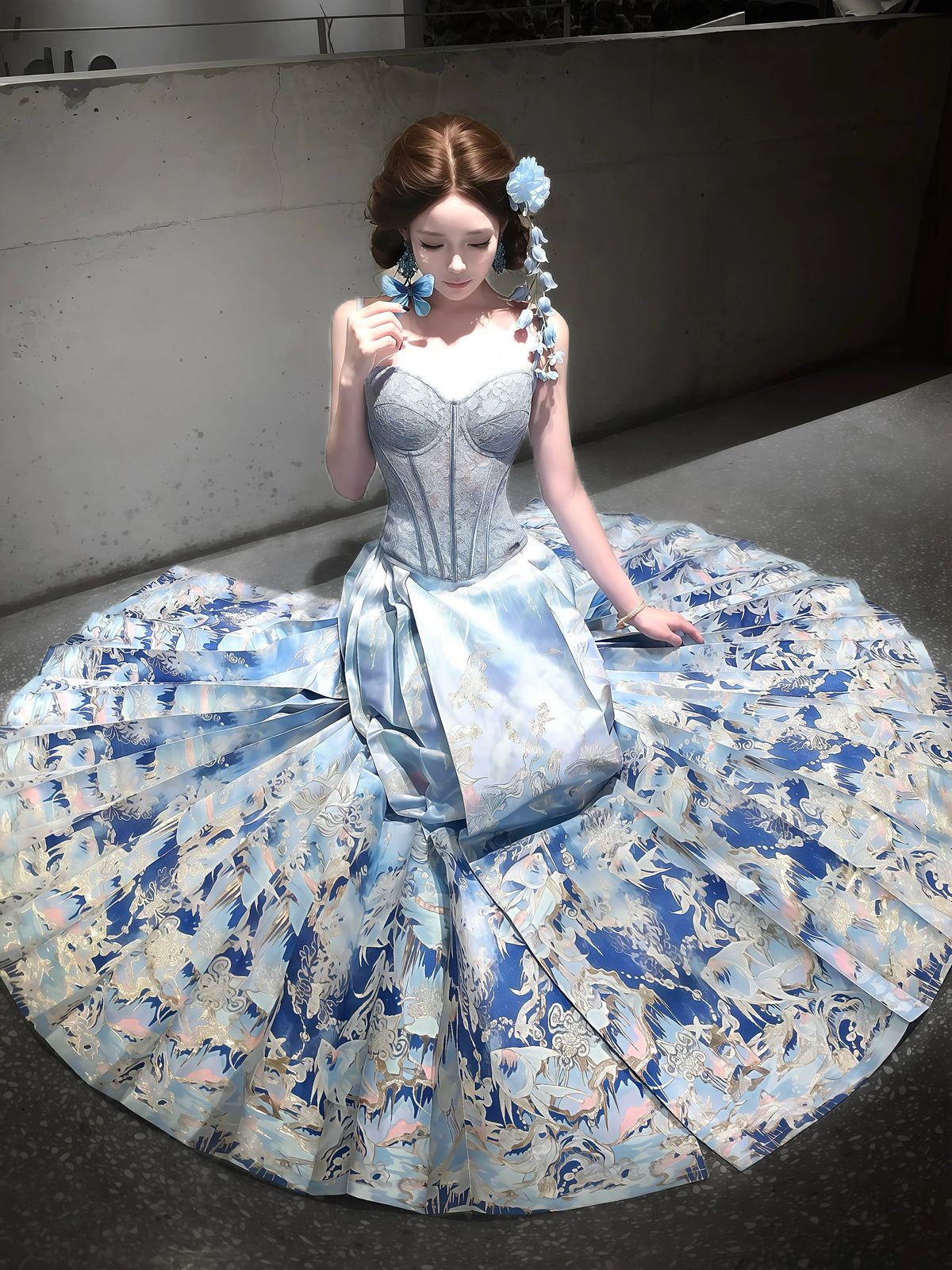
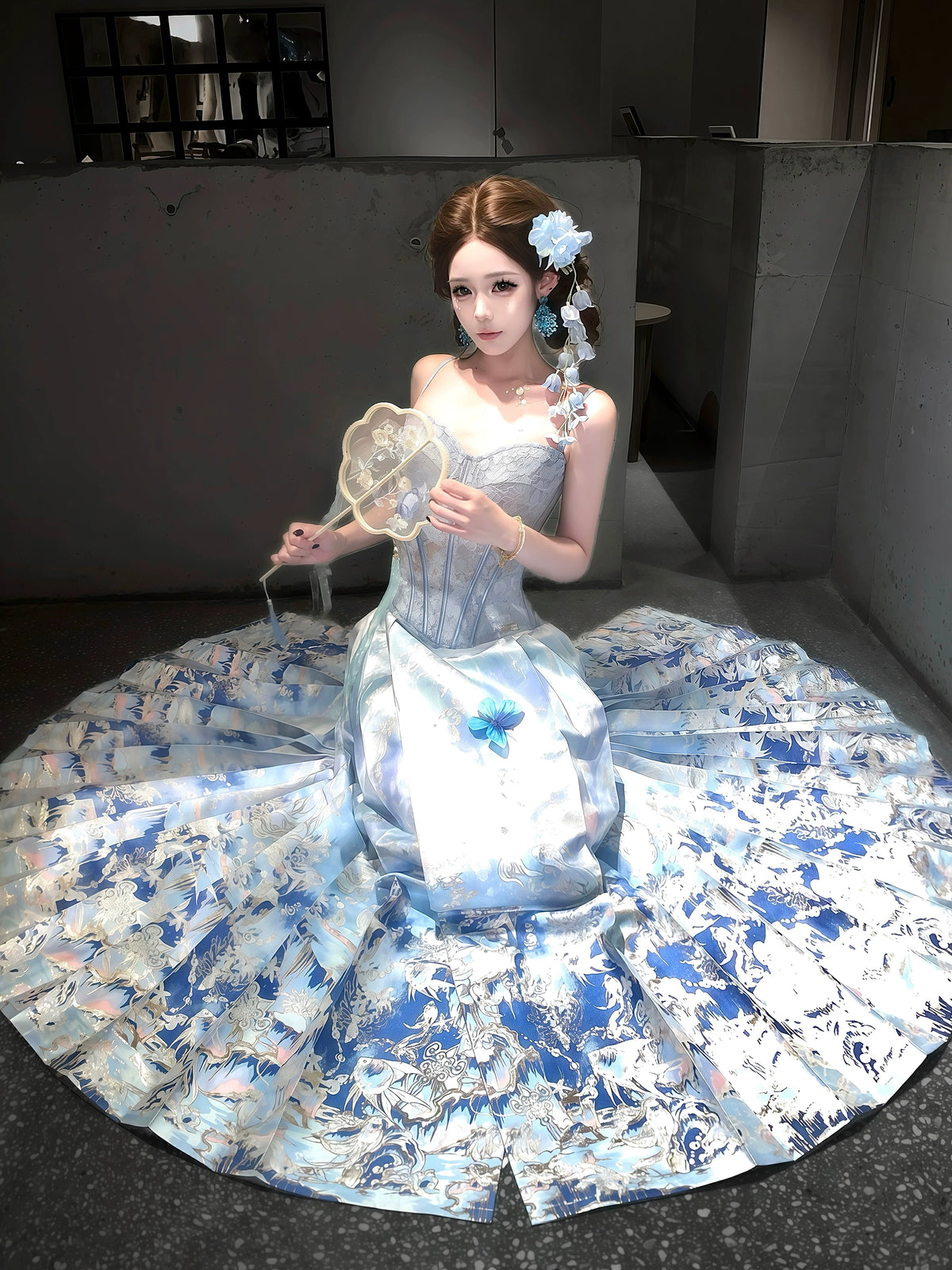
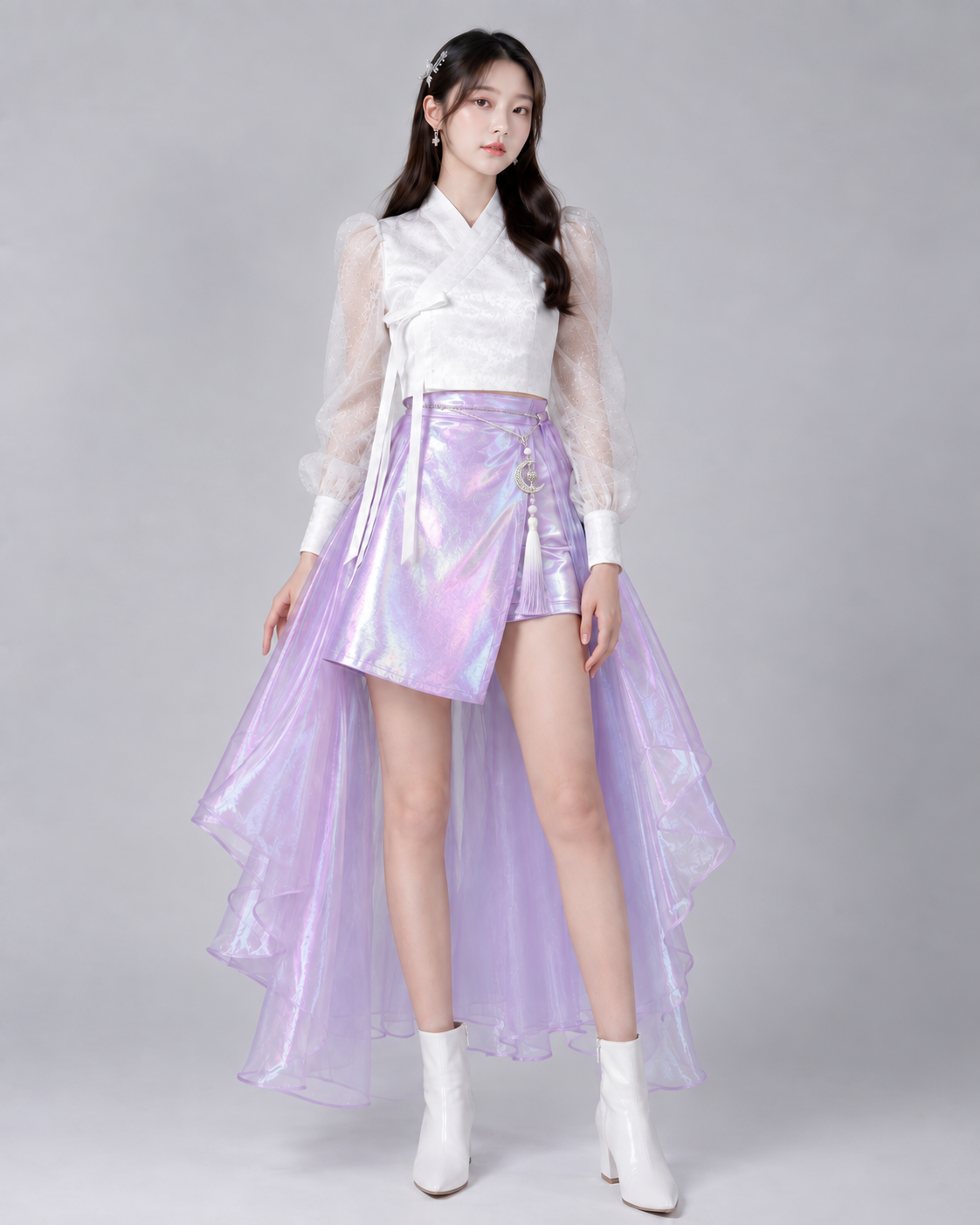
If you've ever found yourself wondering about the difference between hanfu vs kimono, you're not alone. Both are among the world's most recognisable traditional garments — and both have experienced remarkable revivals in recent years. But despite their visual similarities to the untrained eye, hanfu and kimono are distinct traditions with different histories, construction methods, cultural meanings, and modern communities.
This guide breaks down everything you need to know: the origins, the silhouettes, the occasions, and how to choose the right garment for you.
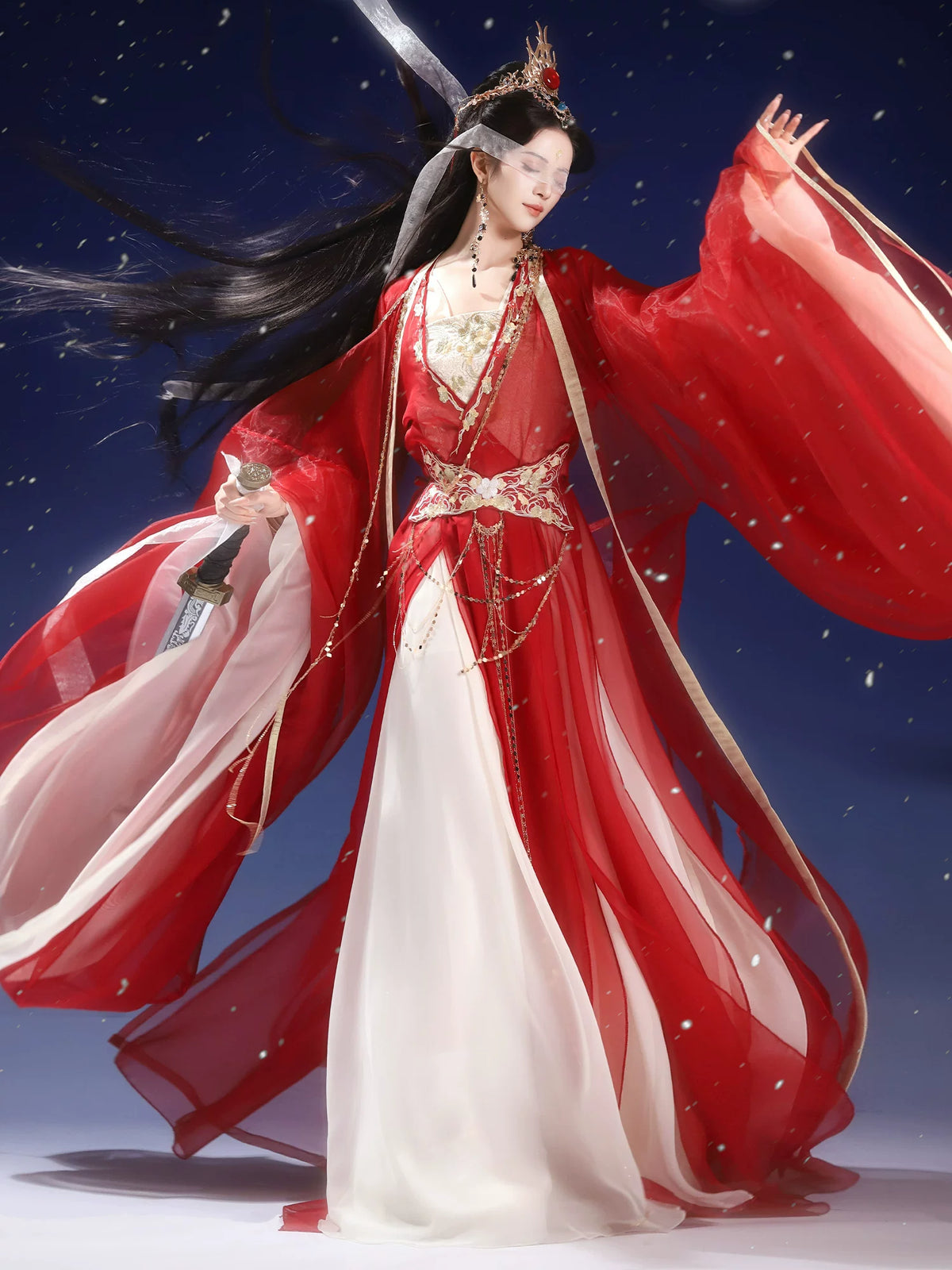
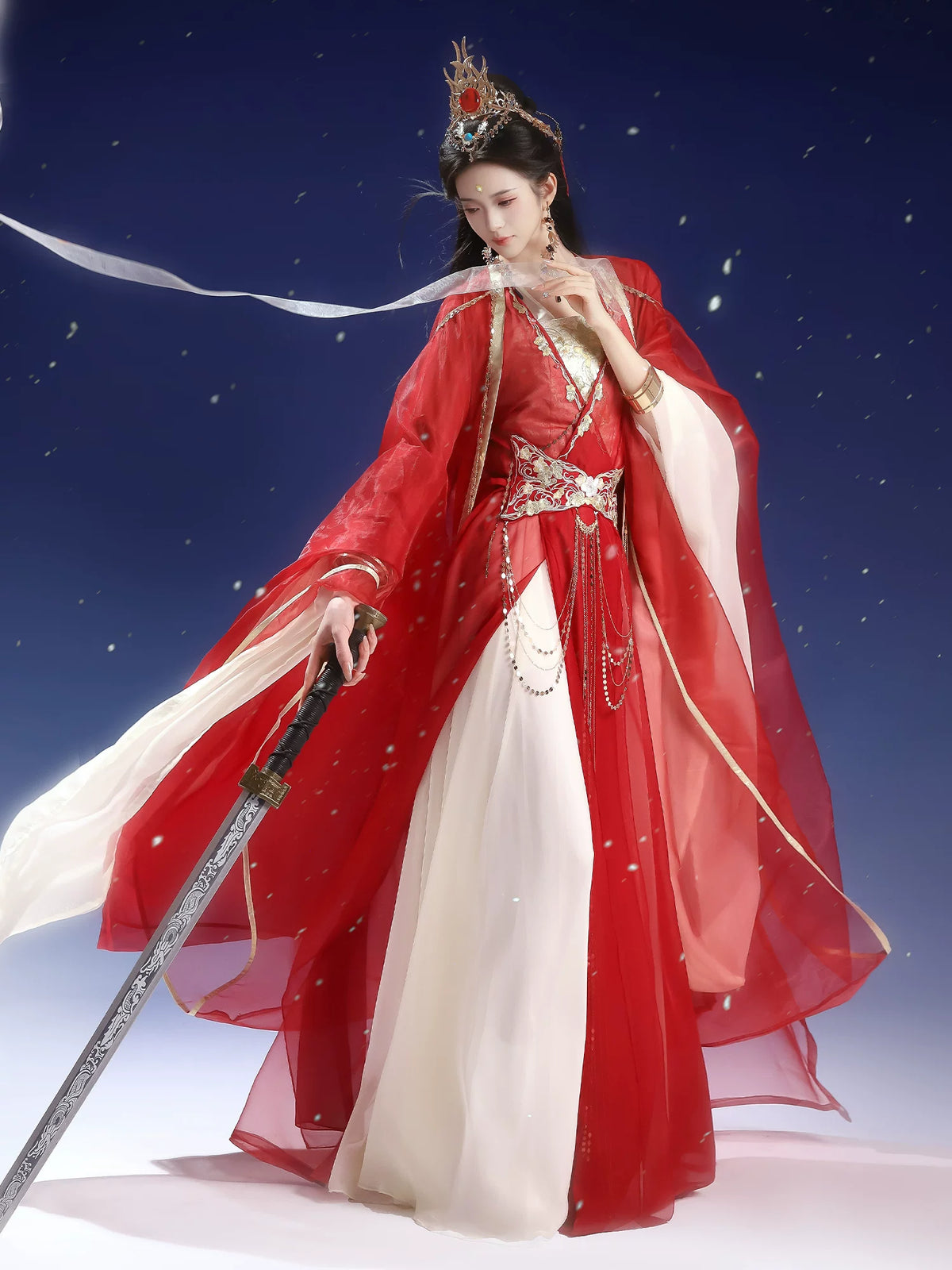
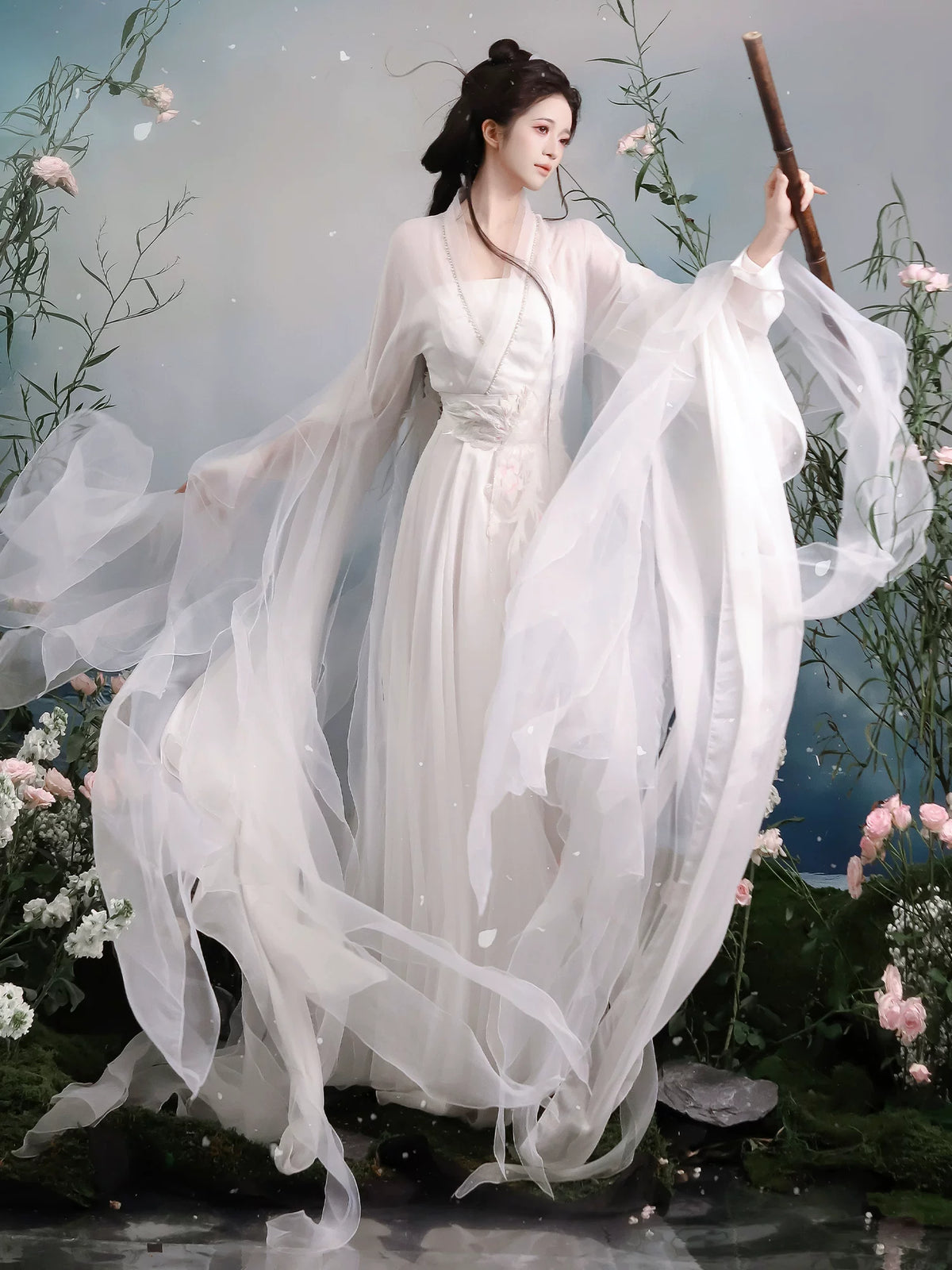
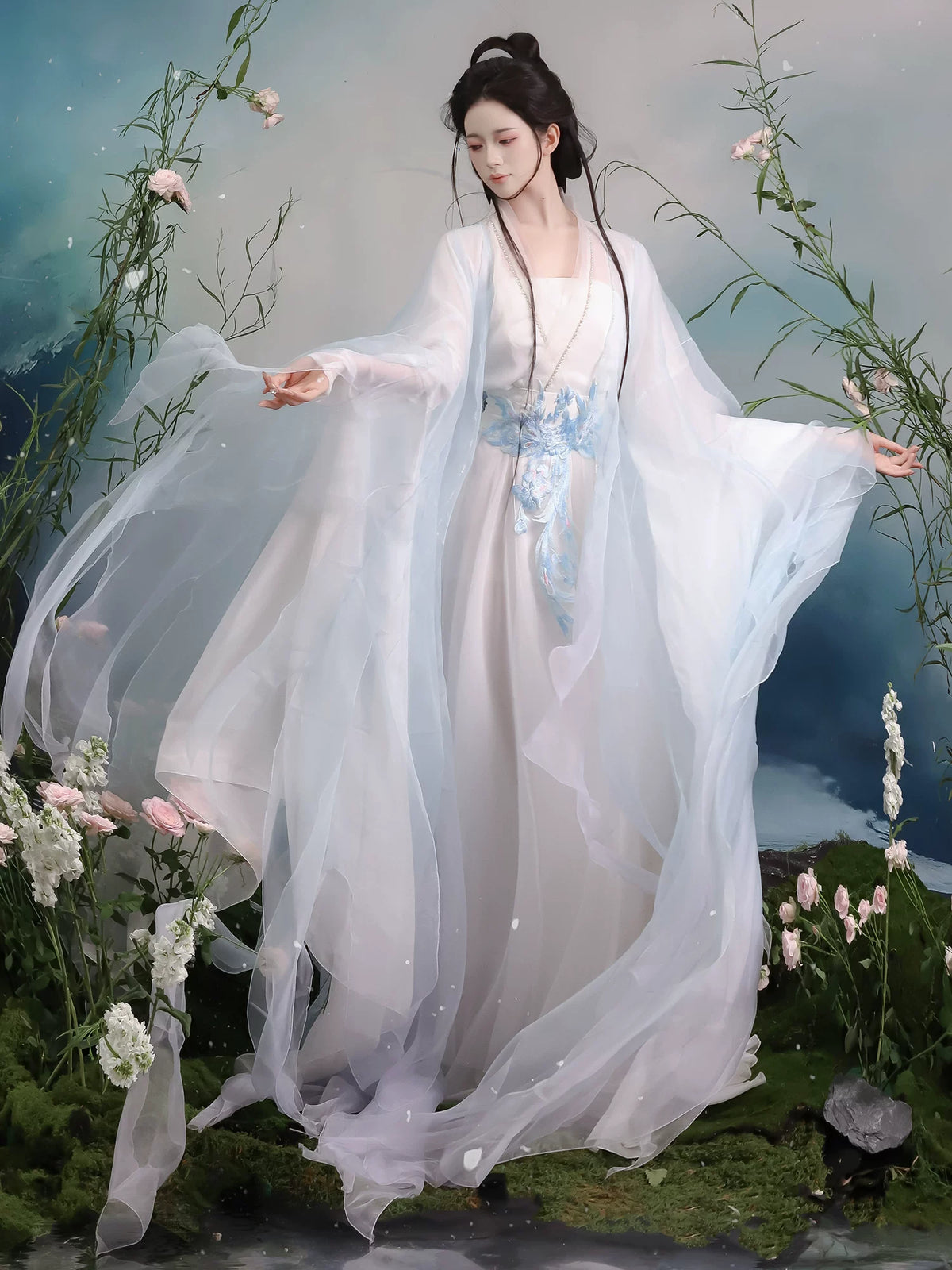
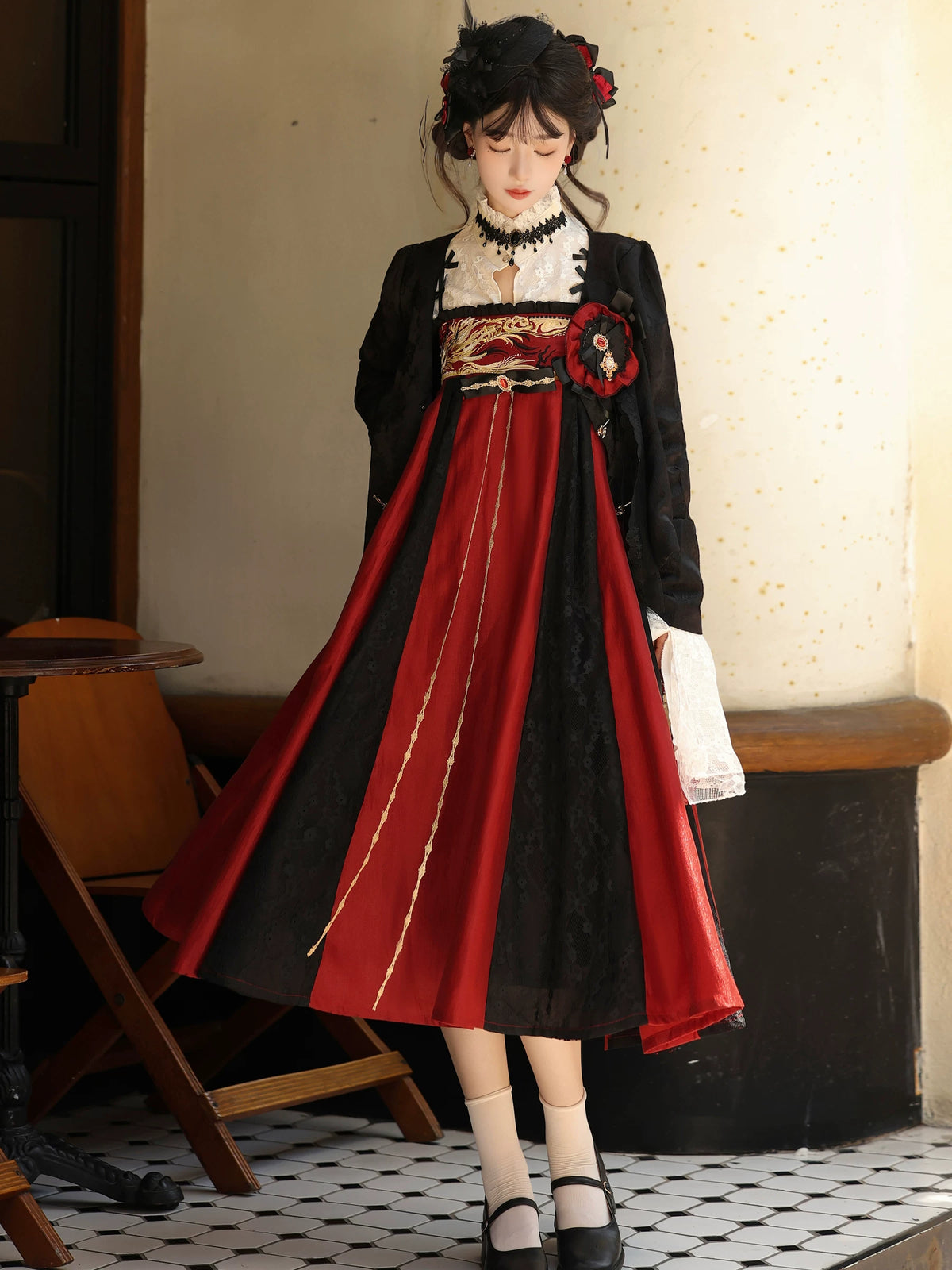
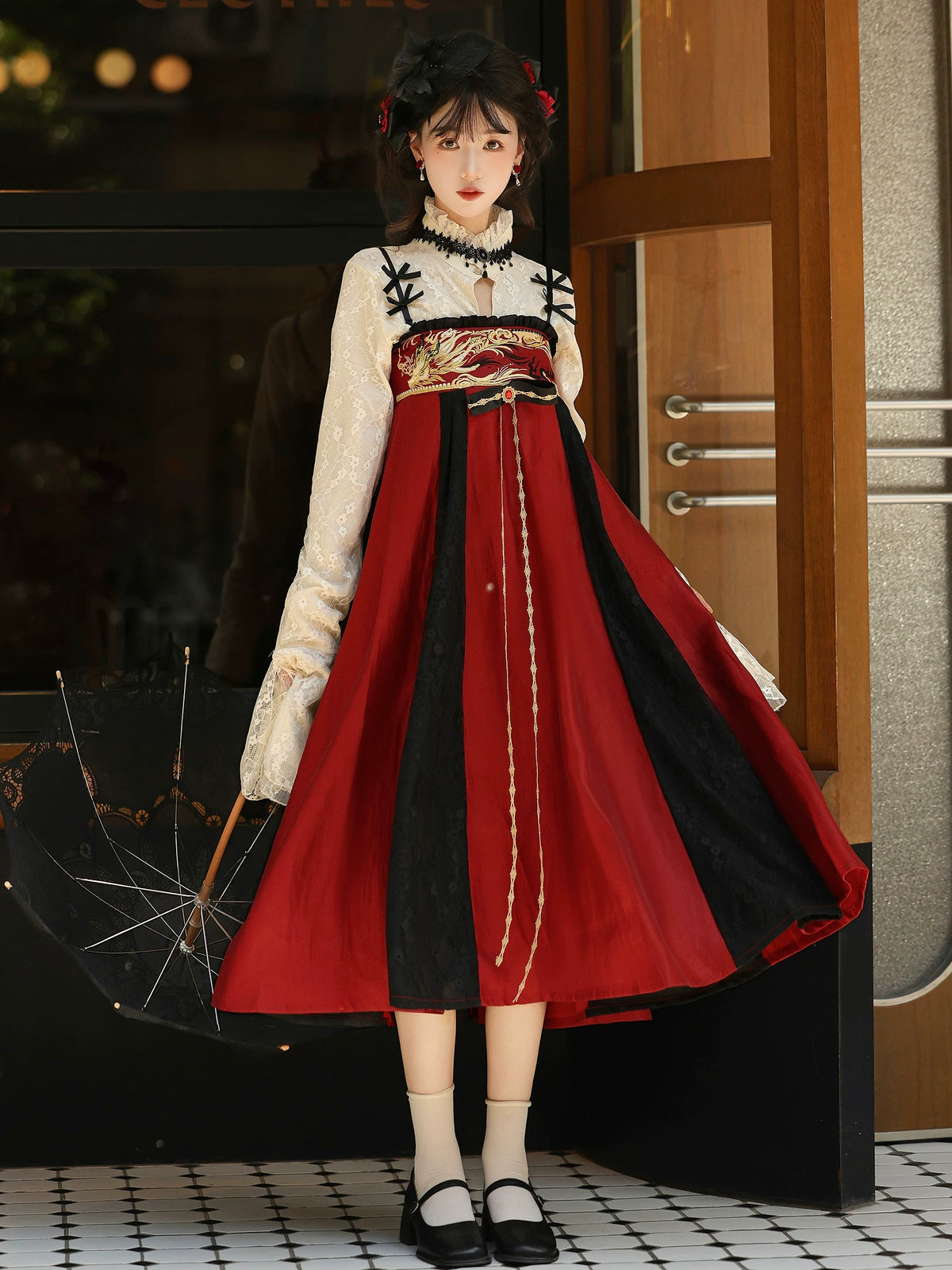
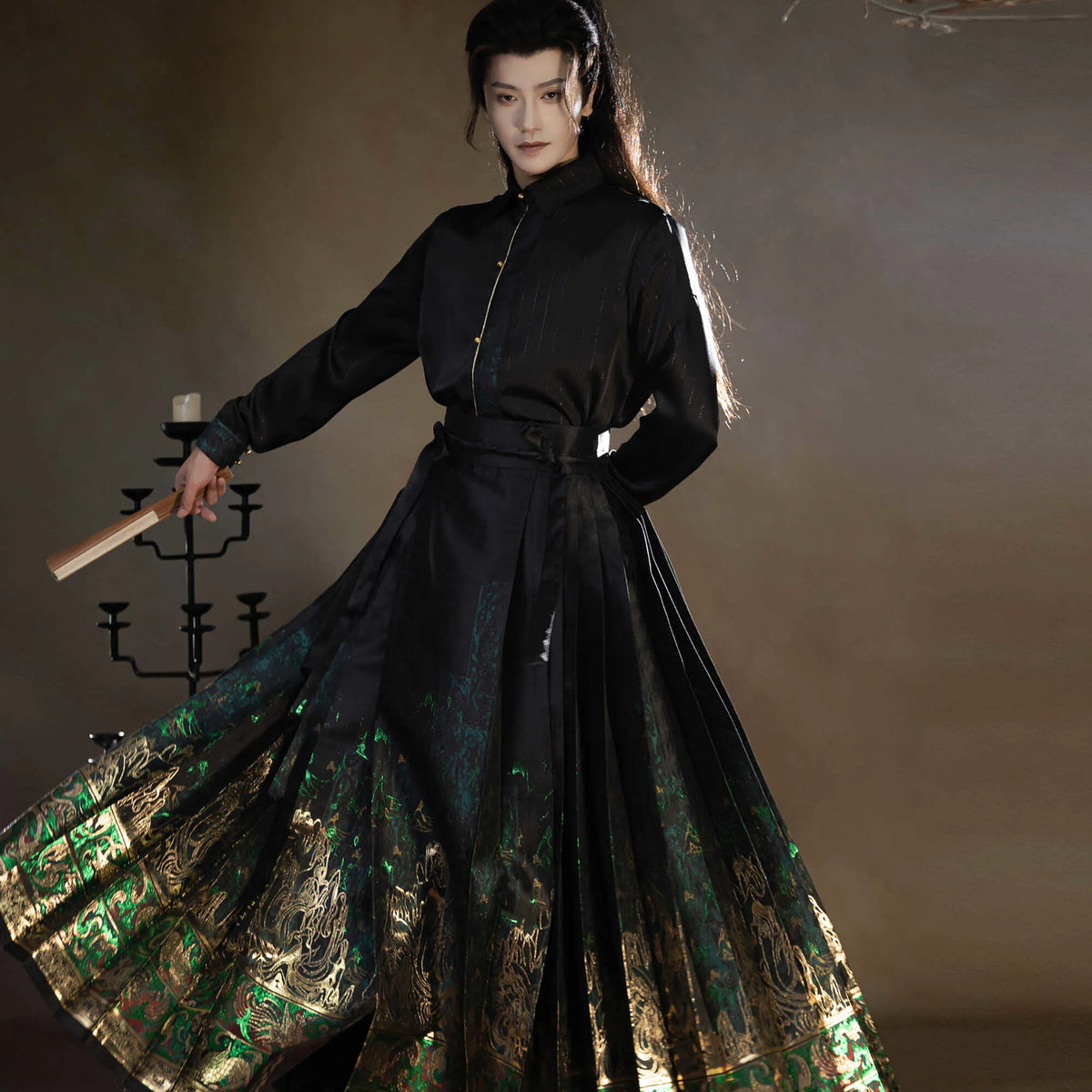
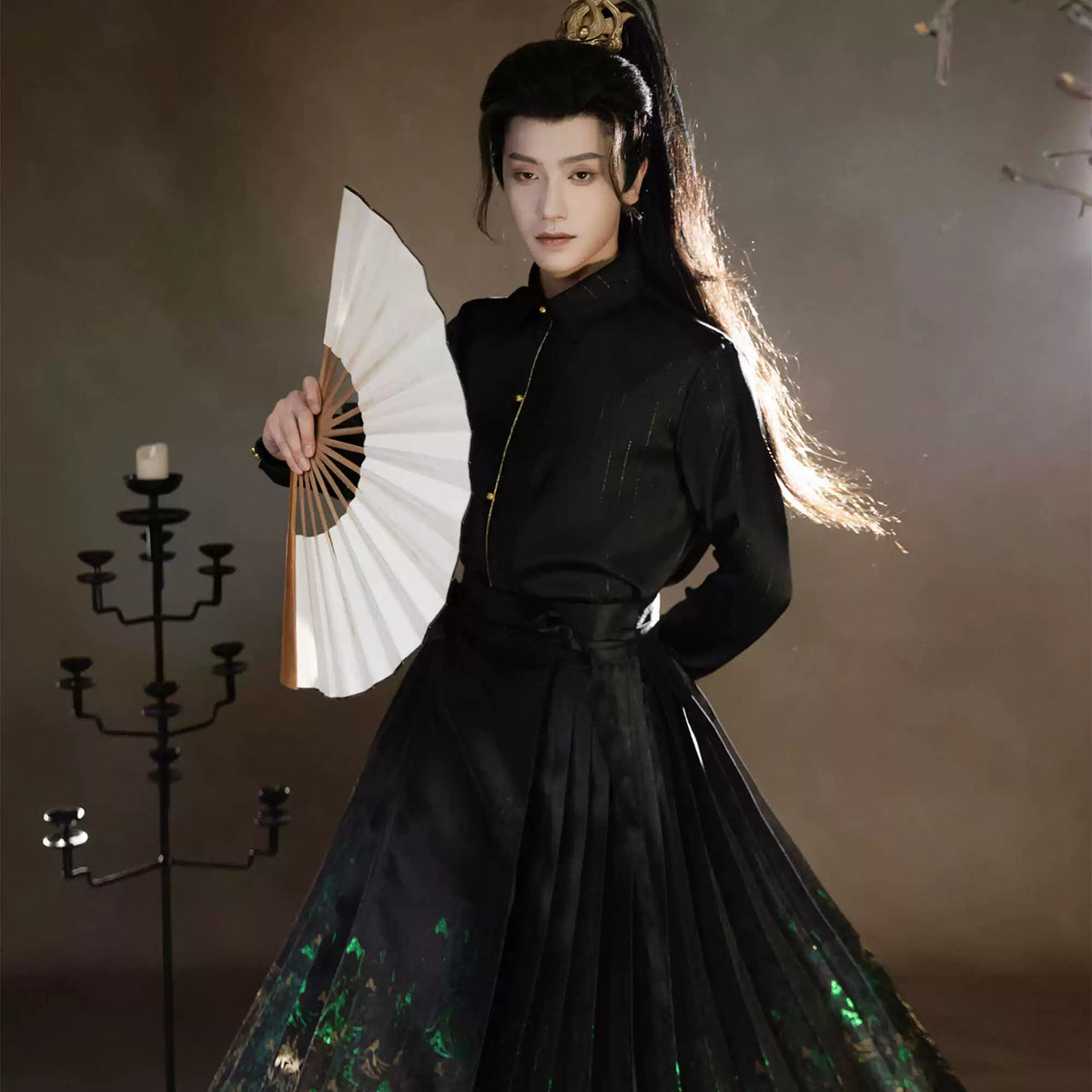
See the Difference: Shop a Hanfu Set or a Kimono
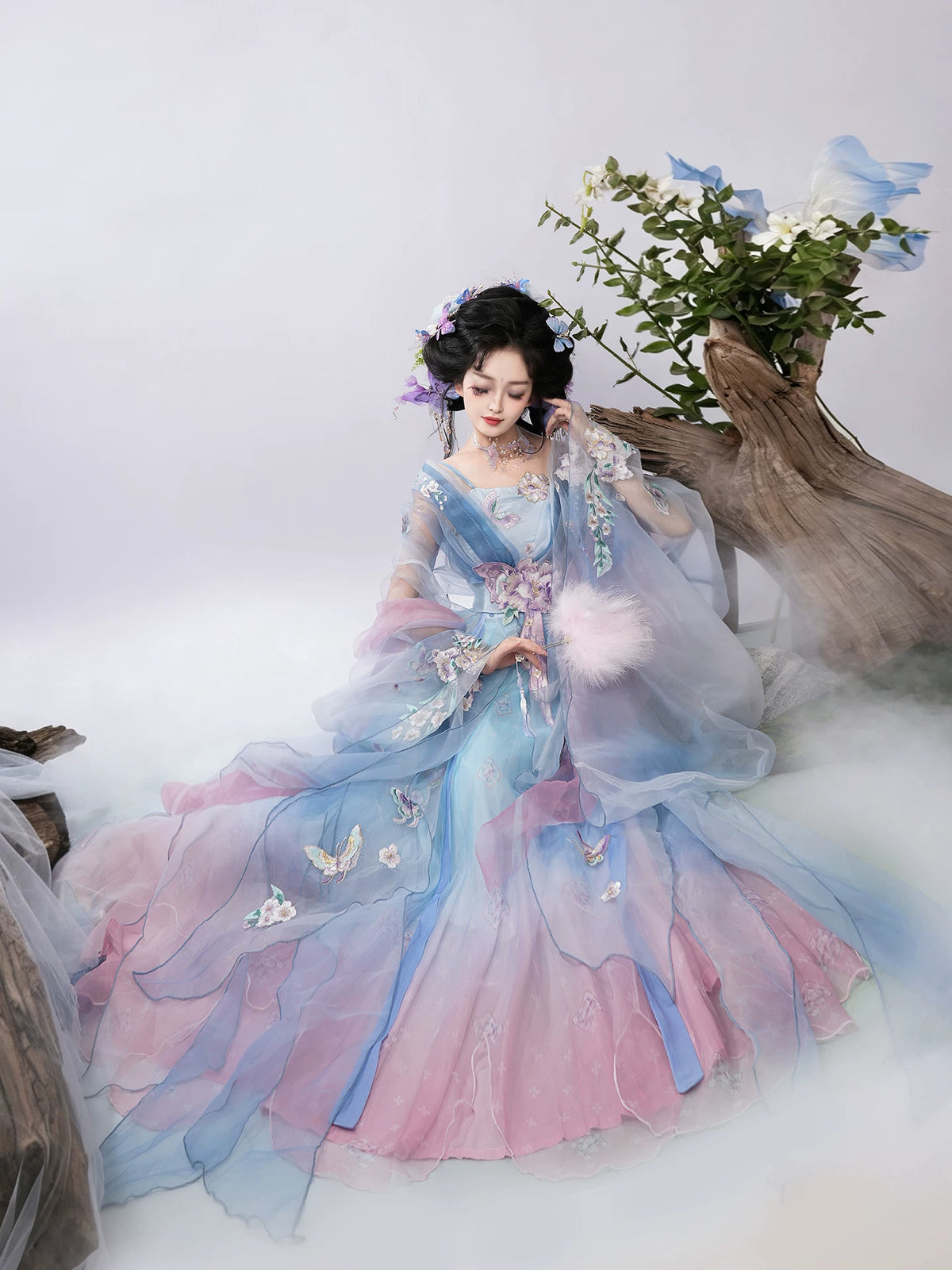
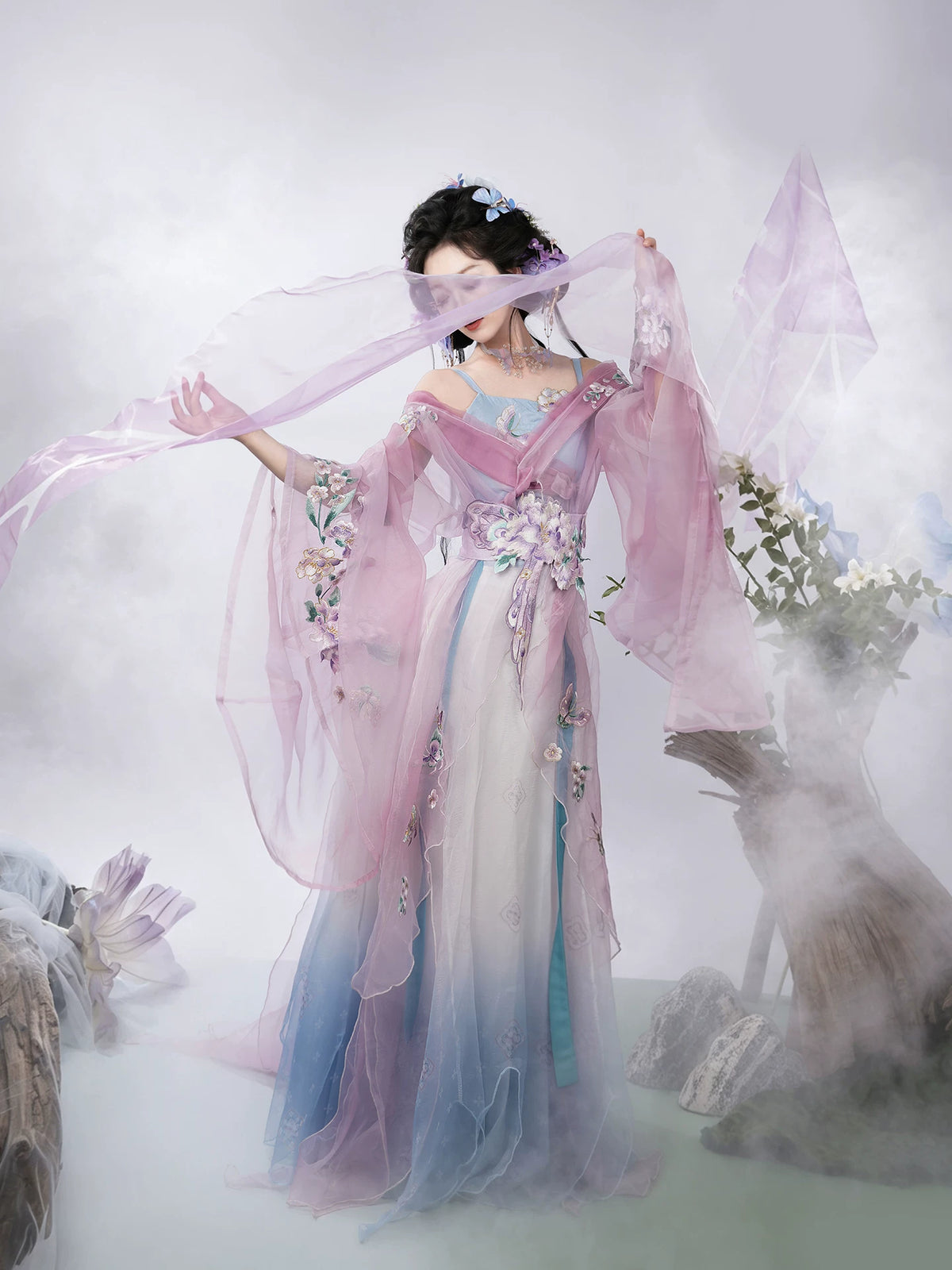
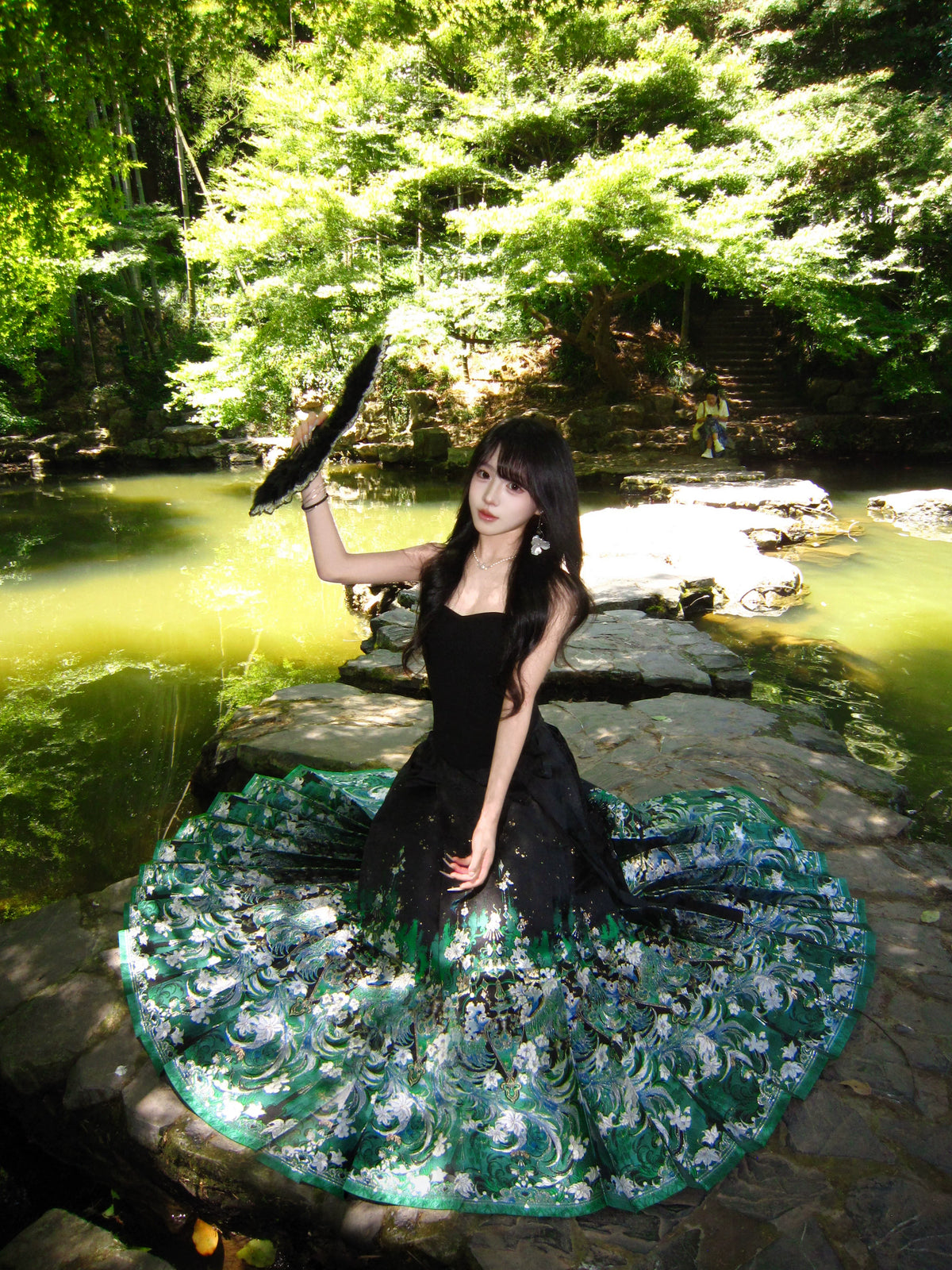
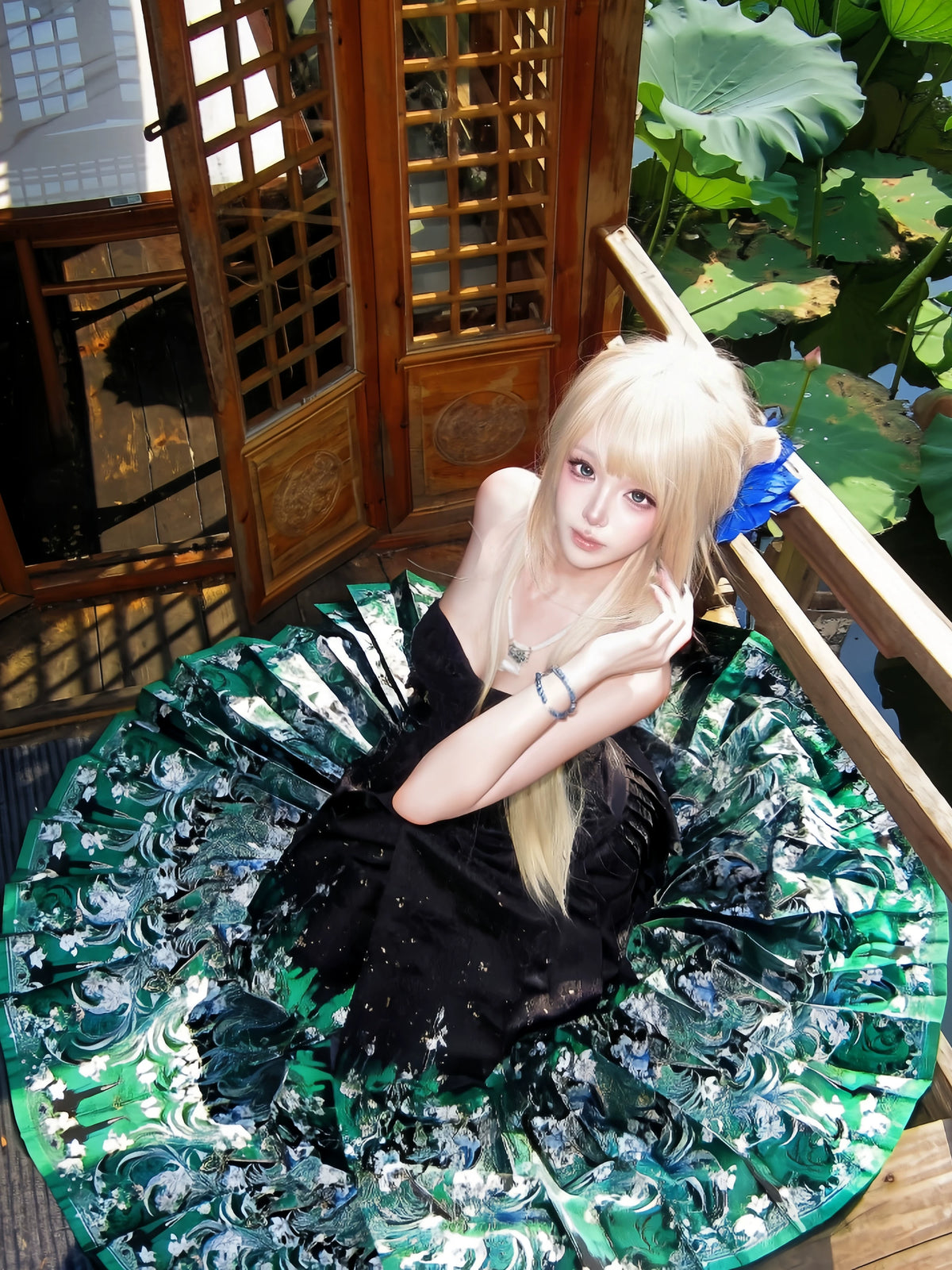
These two current products show the categories side by side. Use the product page—not the photograph alone—to confirm the exact garment pieces, length, size and package you are buying.


Want to compare more styles? Browse Traditional Hanfu or Women’s Kimono. Yandan provides free worldwide shipping with import duties included; processing time and carrier transit are separate.
What Is Hanfu?
Hanfu (汉服) is the traditional clothing of the Han Chinese people — the world's largest ethnic group. The term covers a vast family of styles worn across more than 3,000 years of Chinese history, from the Han dynasty (206 BCE) through to the mid-17th century, when the Qing dynasty mandated a change in dress codes.
What unites all hanfu styles is a set of core design principles:
- Cross-collar construction (交领) — the right side always crosses over the left
- Sash or belt fastening (系带) — tied rather than buttoned
- Layered silhouette — inner robes, outer robes, and accessories worn together
- Flowing proportions — wide sleeves, long hems, generous cuts that move with the body
Today, hanfu is worn by millions of people worldwide as a form of cultural expression, fashion, cosplay, and everyday dress — a movement known as the hanfu revival (汉服复兴).
A traditional Japanese kimono — note the structured obi belt, T-shaped silhouette, and zori sandals
What Is a Kimono?
The kimono (着物) is Japan's national traditional garment, worn by both men and women. The word literally means "thing to wear" — and for centuries it was simply the default clothing of Japanese society. Today, kimono is worn primarily for formal occasions: weddings, tea ceremonies, festivals, and coming-of-age ceremonies.
Key features of the kimono include:
- T-shaped silhouette — straight seams, no curves cut into the fabric
- Obi belt — a wide, structured sash tied at the back in an elaborate knot
- Right-over-left collar — left-over-right is reserved for dressing the deceased
- Tabi socks and zori sandals — traditional footwear worn with kimono
"The kimono is not simply a garment — it is a complete aesthetic system that encodes season, occasion, age, and social status in every element of its construction and decoration."
— Dr. Sheila Cliffe, author of The Social Life of Kimono, Jumonji University
Hanfu vs Kimono: The Key Differences
1. Origin & Cultural Context
This is the most fundamental distinction in the hanfu vs kimono debate. Hanfu is Chinese — specifically Han Chinese — and represents a tradition stretching back over three millennia. Kimono is Japanese, and while it was historically influenced by Chinese Tang dynasty court dress, it evolved into a distinctly Japanese form over the following centuries.
2. Silhouette & Construction
Hanfu and kimono look superficially similar — both are robes with wide sleeves and floor-length hems — but their construction is fundamentally different.
Hanfu is cut to follow the body's natural curves. Different dynasty styles have different silhouettes — the fitted ruqun (褶裙) of the Han dynasty, the structured yuanlingpao (圆领袍) of the Tang, the layered daopao (道袍) of the Ming.
Kimono is cut from straight rectangular panels of fabric with minimal shaping. The T-shaped construction means the garment hangs from the shoulders and is shaped entirely by how it is wrapped and tied.
Ming dynasty hanfu — the cross-collar, wide-sleeve silhouette distinct from kimono's T-shape
3. Fastening & Accessories
Hanfu is fastened with sashes and ties (系带), with accessories including jade pendants (玉佩), hair ornaments (发饰), and waist seals (腰封). The layering system allows for significant personal expression.
Kimono is held together by the obi — a wide belt that can be tied in dozens of different knots, each appropriate for different occasions and ages. The obi is often the most expensive and elaborate element of a kimono ensemble.
4. Occasions & Formality
In Japan, kimono is primarily worn for formal occasions — weddings, tea ceremonies, festivals, and ceremonies. Casual kimono (yukata) exists but is considered informal summer wear.
Hanfu, by contrast, spans the full spectrum from highly formal ceremonial dress to relaxed daily wear. The modern hanfu revival has produced a thriving ecosystem of daily hanfu (汉服日常穿) — lightweight, practical garments designed for modern life.
Ceremonial hanfu in deep red — the full spectrum from daily wear to elaborate formal dress
5. The Revival Movements
Both hanfu and kimono have active revival communities — but they look quite different.
The kimono revival in Japan is largely driven by efforts to preserve traditional craft and wearing culture. Outside Japan, kimono appreciation communities exist worldwide, though questions of cultural sensitivity are actively debated.
The hanfu revival is a younger, faster-growing movement — driven by social media, xianxia dramas, and a generation of young Chinese people reclaiming cultural identity. It has expanded rapidly beyond China, with hanfu communities active across Southeast Asia, Europe, and North America.
"The hanfu revival is not simply a fashion trend — it is a cultural renaissance. Young people are using clothing as a way to reconnect with a history that was interrupted for nearly four centuries."
— Professor Hua Mei, fashion historian, Donghua University
Hanfu vs Kimono: Quick Comparison
| Hanfu | Kimono | |
|---|---|---|
| Origin | China (Han Chinese) | Japan |
| History | 3,000+ years | ~1,200 years (current form) |
| Silhouette | Varied by dynasty; fitted or layered | T-shaped, straight panels |
| Fastening | Sashes and ties (系带) | Obi belt (wide structured sash) |
| Collar | Cross-collar, right over left | Straight collar, right over left |
| Occasions | Daily to ceremonial; full spectrum | Primarily formal occasions |
| Modern wearing | Growing daily wear culture | Mainly special occasions |
| Revival movement | Fast-growing global community | Active preservation efforts in Japan |
Did Kimono Come from Hanfu?
This is one of the most common questions in the hanfu vs kimono discussion — and the answer is nuanced.
Early Japanese court dress was heavily influenced by Tang dynasty Chinese clothing, introduced through diplomatic and cultural exchange from the 7th century onwards. The sokutai worn by Japanese court officials bears a clear resemblance to Tang dynasty yuanlingpao (round-collar robes).
However, over the following centuries, Japanese dress evolved independently — developing the distinctive T-shaped construction, the obi belt system, and the elaborate seasonal wearing codes that define kimono today. By the Heian period (794–1185), Japanese court dress had already diverged significantly from its Chinese influences.
So: kimono was influenced by hanfu, but it is not hanfu. The two traditions share a common ancestor but have evolved into entirely distinct garments.
Hanfu vs Kimono: Which Should You Wear?
The answer depends on your background, your occasion, and what draws you to traditional East Asian dress in the first place.
Choose hanfu if:
- You're interested in Chinese history, culture, or the hanfu revival movement
- You want a garment you can wear daily, not just for special occasions
- You're drawn to the xianxia aesthetic from dramas like The Untamed or Word of Honor
- You want more variety — hanfu spans dozens of distinct dynasty styles
- You're attending a Chinese cultural event, festival, or photography shoot
Choose kimono if:
- You're attending a Japanese cultural event or ceremony
- You're interested in Japanese aesthetics and the kimono wearing tradition
- You want a garment with a highly codified, formal wearing system
How to Start Wearing Hanfu
1. Choose your style era. Tang dynasty styles are the most accessible for beginners — structured, versatile, and easy to wear. Xianxia styles are more dramatic and better suited to photography or events.
2. Start with a complete set. A full hanfu set — inner robe, outer robe, and sash — gives you the complete look without having to source individual pieces.
3. Size by bust, not by label. Always check the individual size chart and size by your bust measurement for the most accurate fit.
4. Consider the occasion. Daily hanfu in breathable cotton or linen for everyday wear; heavier embroidered sets for photography, events, or cosplay.
Explore our full collection of traditional hanfu and new Chinese style clothing — from daily wear Tang suits to elaborate xianxia sets.
Frequently Asked Questions
Is hanfu the same as kimono?
No. Hanfu is traditional Chinese clothing; kimono is traditional Japanese clothing. While kimono was historically influenced by Tang dynasty hanfu, the two garments have distinct constructions, wearing systems, and cultural contexts.
Which is older — hanfu or kimono?
Hanfu is significantly older. The hanfu tradition dates back over 3,000 years. Kimono in its current recognisable form developed during Japan's Heian period (794–1185 CE).
Can non-Chinese people wear hanfu?
Yes. The hanfu community is welcoming to people of all backgrounds who approach the tradition with respect and genuine interest.
Is hanfu harder to wear than kimono?
Both have learning curves. Kimono requires mastering a complex wrapping and tying system — particularly the obi. Hanfu is generally more forgiving for beginners, especially modern improved styles designed for daily wear.
Where can I buy authentic hanfu?
Explore our full collection of traditional hanfu and new Chinese style clothing — from daily wear Tang suits to elaborate xianxia sets, each piece crafted to honour the tradition.
Shopping for Hanfu or Kimono: choose the right collection
If you searched for “hanfu kimono” or “kimono hanfu,” the practical answer is that these are separate clothing categories. Choose the collection that matches the garment you actually want, then verify the exact selectable option on the product page.
If you want Hanfu
- Browse Traditional Hanfu for dynasty-inspired robes, layered sets, skirts, and formal styles.
- Browse Modern Hanfu for contemporary and everyday-oriented interpretations.
If you want Kimono
- Browse Traditional Japanese Kimono Clothing for the broadest relevant Kimono selection currently available.
- Compare Women’s Kimono or Festival Kimono when gender or occasion is the more useful filter.
Before ordering either style
Read the full variant name instead of assuming that the lowest displayed price represents the complete photographed outfit. Confirm included garments and accessories, size and garment measurements, current availability, material stated for the selected product, and whether the item is ready stock or requires additional processing. Yandan provides free worldwide shipping with import duties included; processing time and carrier transit are separate.