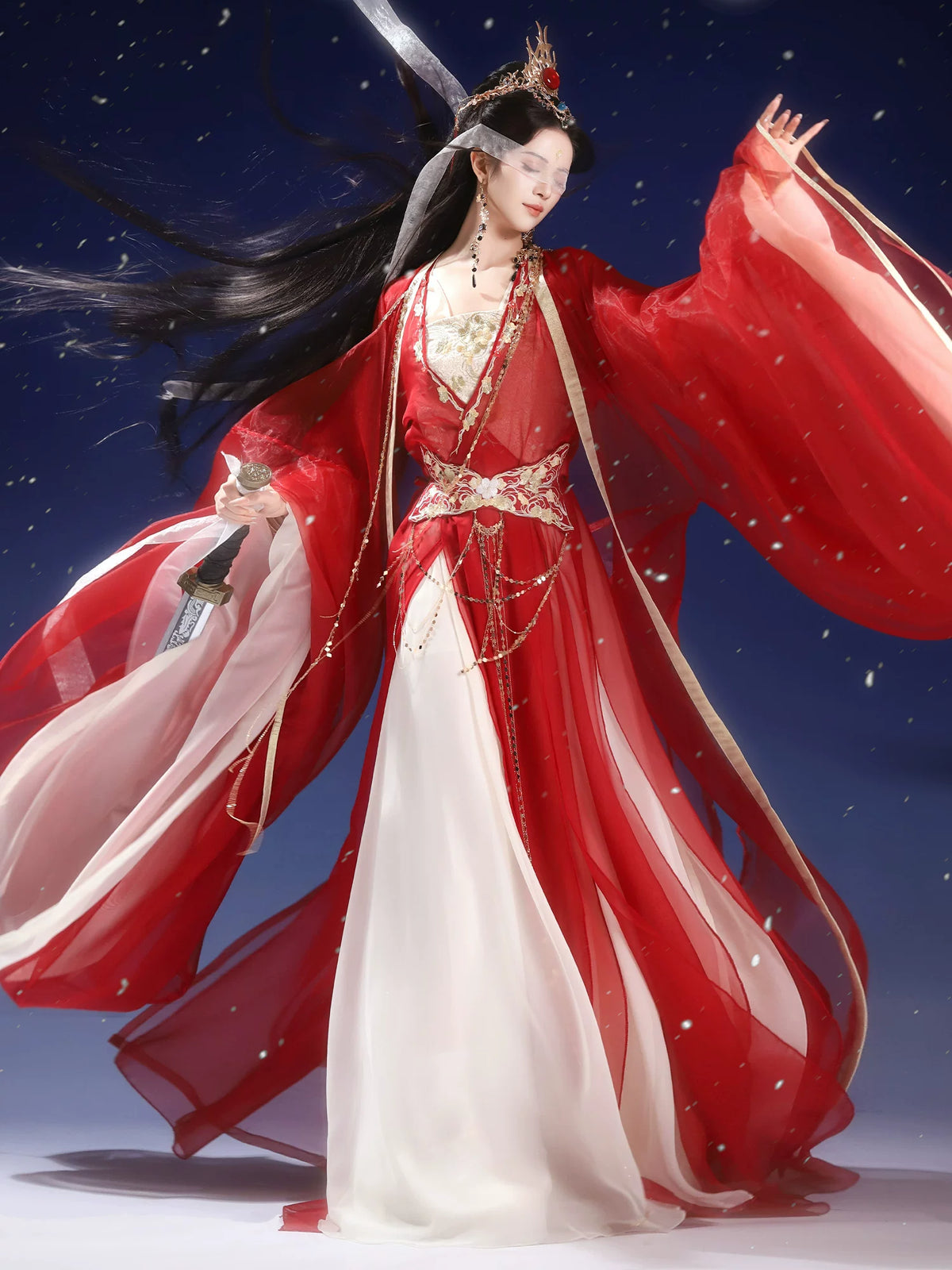
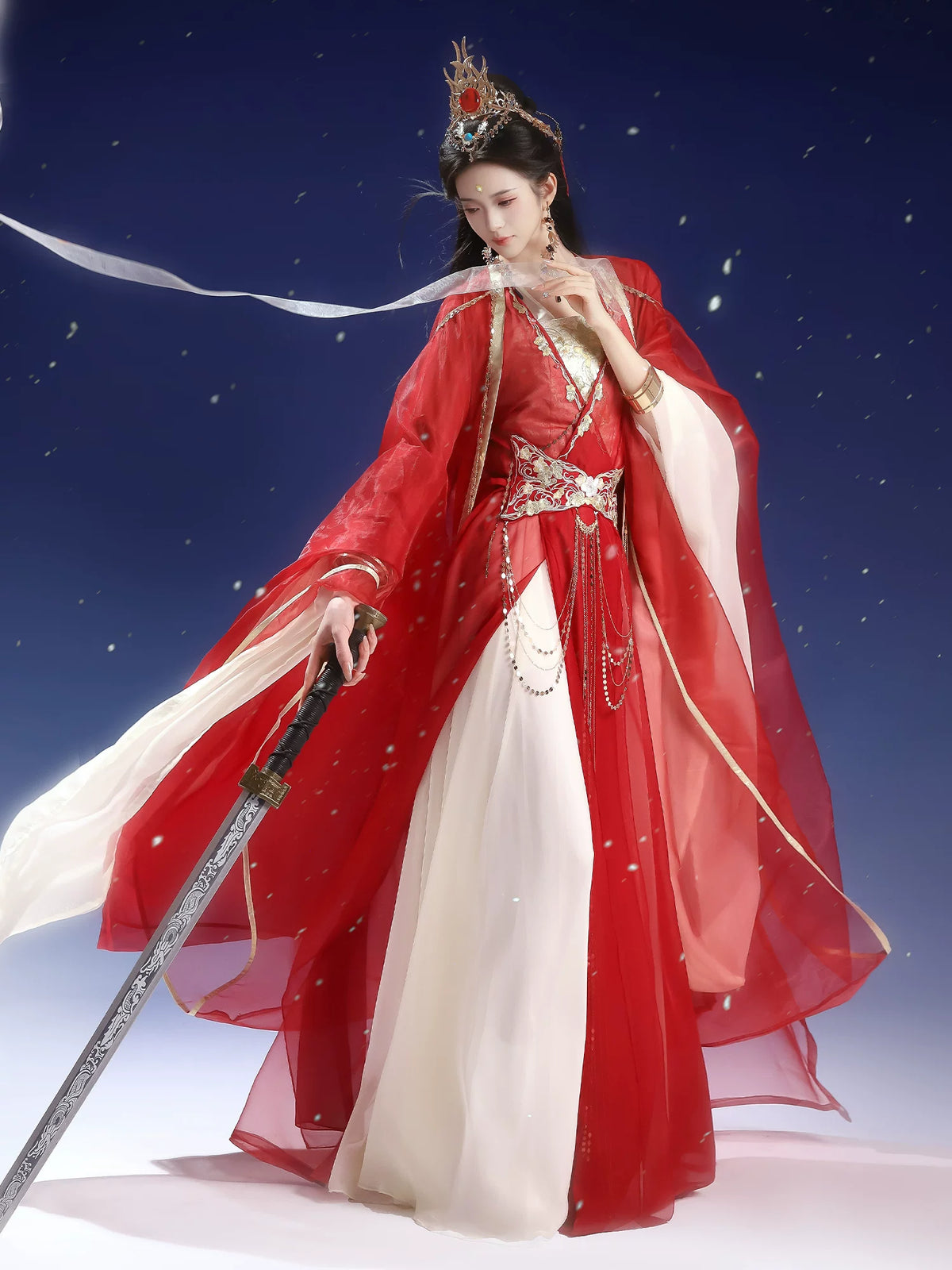
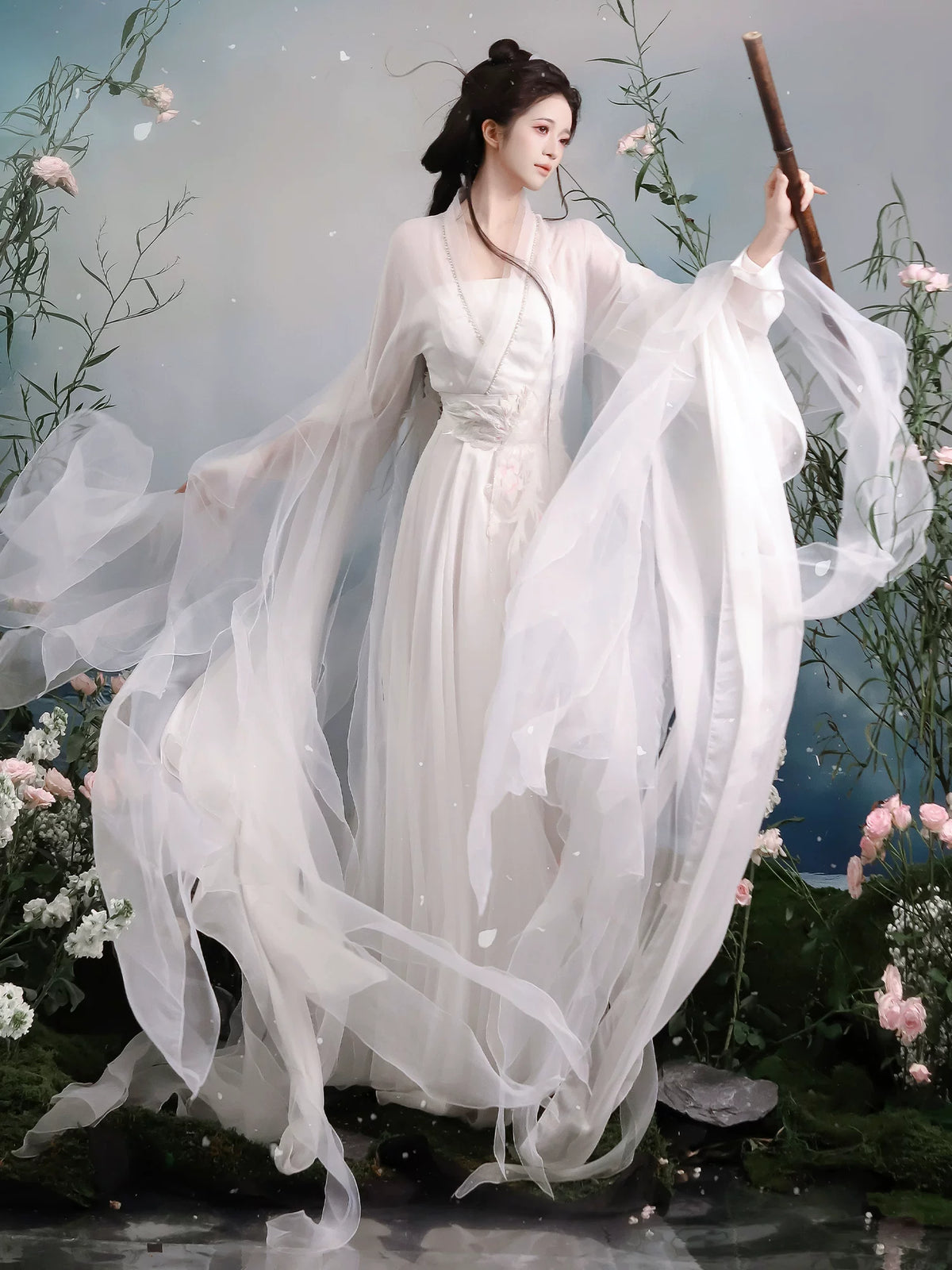
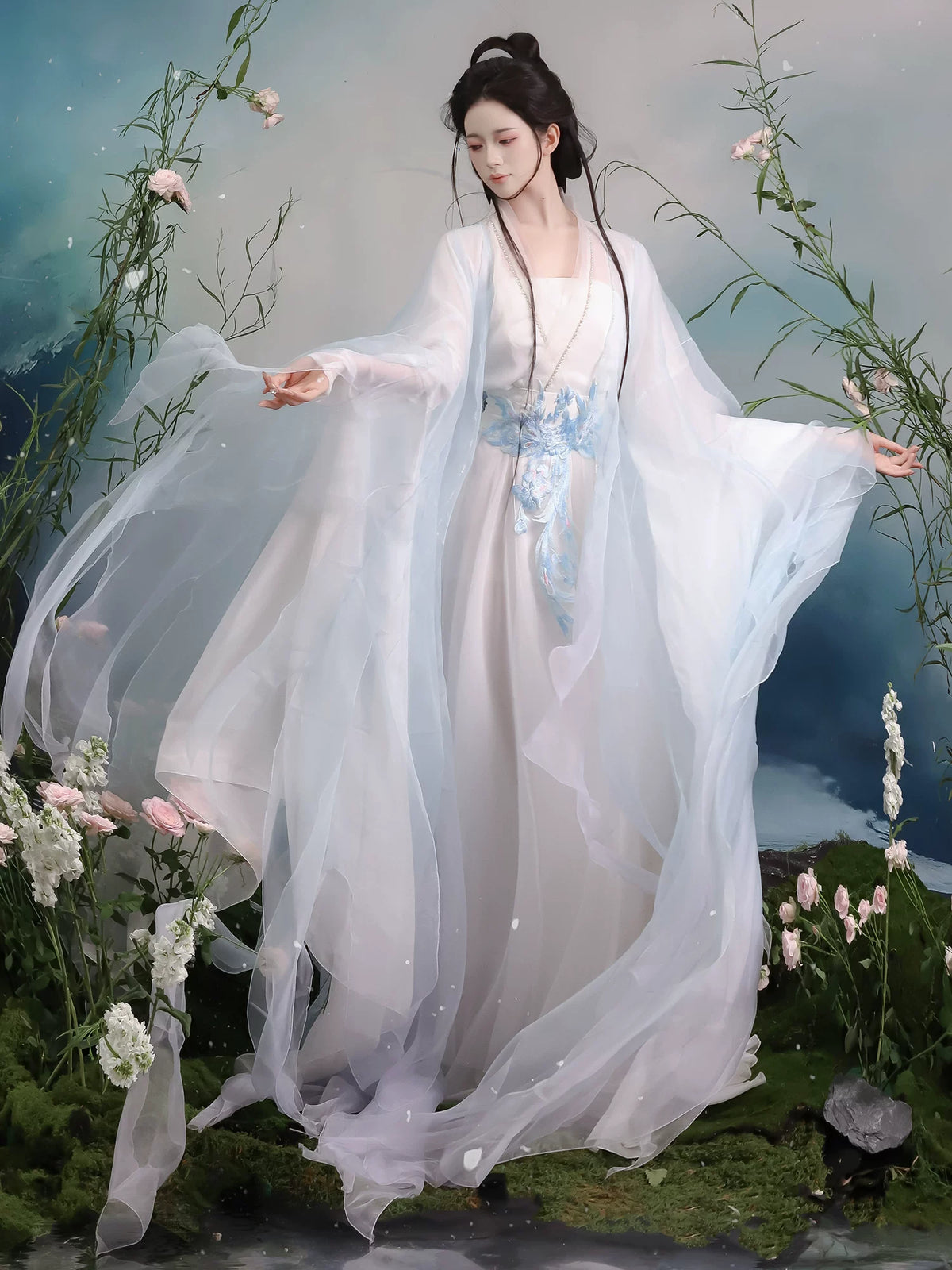
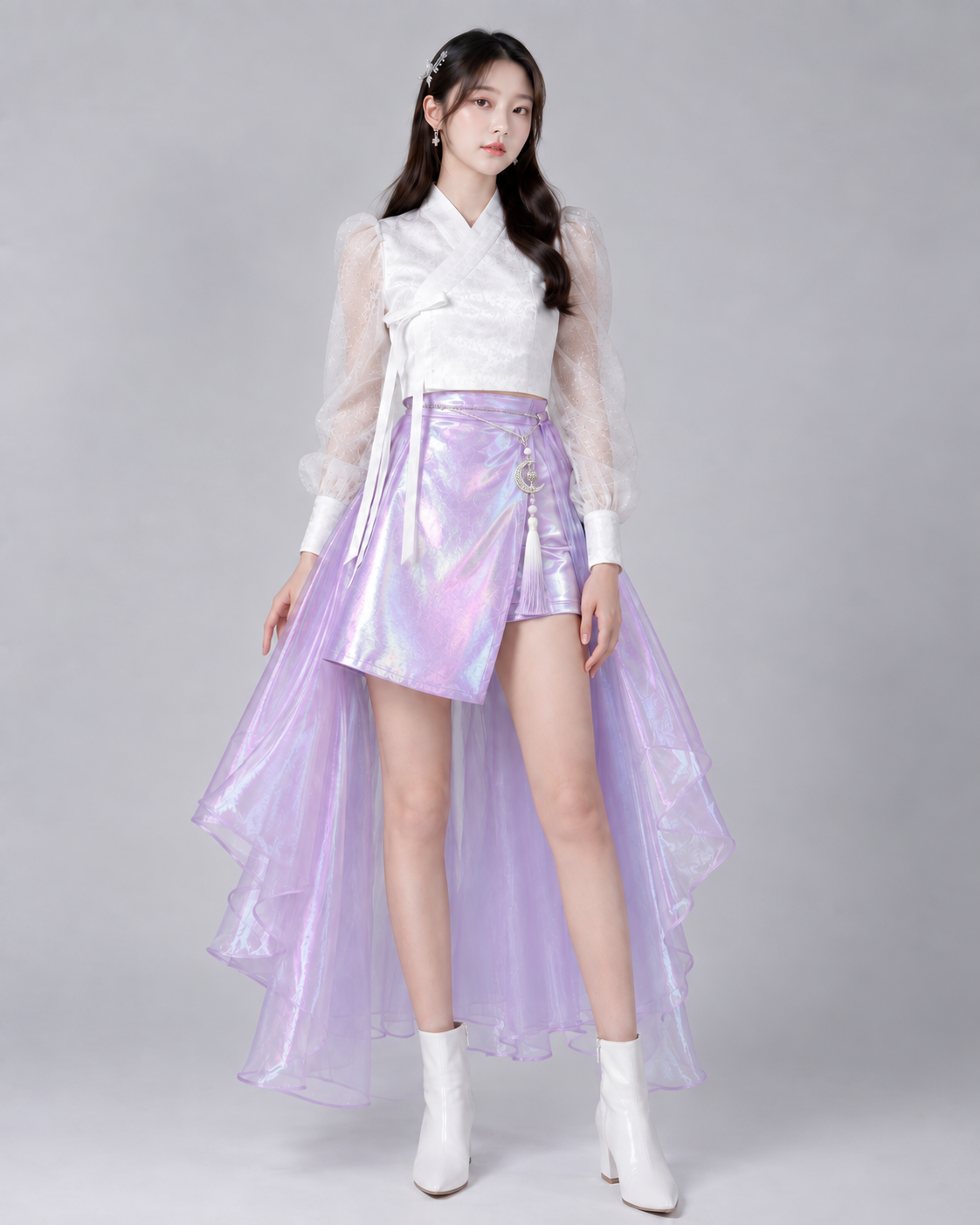
What can a single garment hold? For the Korean hanbok traditional, the answer is everything: the most important moments of a life, the blessings of a family, and the warmth of a civilisation passed down across a thousand years. It has never been cold fabric. It has always been a keeper of memory.
There is a difference between a garment you wear and a garment that wears you into history. The Korean hanbok traditional is the second kind. It does not follow trends. It does not chase convenience. It carries meaning, in every hand-tied ribbon, every embroidered motif, every fold of silk that catches the light as you move.
This is not a guide to a fashion item. This is a guide to a cultural inheritance, one that has accompanied Korean families through their most tender and most significant moments for over a millennium. By the end, you will understand why the hanbok traditional is not a relic of the past, but one of the most quietly powerful garments you can choose to wear today.
🌸 Part One: The Gentleness Hidden in Every Detail
The Korean hanbok traditional is not designed to impress at a distance. It is designed to move you up close, in the details, in the craftsmanship, in the small decisions that reveal a philosophy of dress unlike anything in the Western wardrobe tradition.
🧵 A Silhouette That Welcomes Every Body
↑ A classic Korean hanbok traditional on display: the blush-pink jeogori with its white embroidered cuffs and deep plum goreum ribbon, paired with a full ivory chima. The structured volume of the skirt, the precision of the collar, the restraint of the colour palette, every element is a deliberate choice, not decoration but meaning.
The first thing you notice about a Korean hanbok traditional is what it does not do. It does not cling. It does not compress. It does not demand a particular body shape in order to look beautiful. Its generous, flowing cut is designed to flatter every figure: petite, tall, slender, full, young, and old.
This is not an accident. It is a philosophy. The Eastern aesthetic tradition has always understood that true elegance is not about revealing the body, but about creating a harmonious relationship between the wearer and the garment. The hanbok does not sculpt you into a shape. It moves with you, and in moving with you, it makes you beautiful.
- Women's silhouette: The jeogori sits just below the bust, creating a high-waisted line that elongates the legs. The chima falls in generous, gathered folds that move like water when you walk. The goreum ribbon falls in a soft, asymmetric bow that shifts with every movement.
- Men's silhouette: The men's jeogori is longer and more relaxed, falling to the hip or upper thigh. The baji (wide trousers) taper at the ankle, creating a clean, dignified line that conveys quiet authority without stiffness.
👉 Mint Green and White Korean Princess Palace Hanbok | White Hanbok Palace Dress
🪡 The Warmth in the Handwork
↑ A champagne brocade jeogori with intricate floral weave, a charcoal goreum ribbon, and a silver norigae pendant hanging at the waist, paired with a luminous white chima. The traditional painted screen backdrop completes a picture of understated, deeply considered elegance. This is the hanbok at its most refined.
- The goreum ribbon: Tied by hand in a specific asymmetric shape passed down through generations. Tying the goreum is a small ritual in itself, a moment of care and intention before you step out into the world.
- The norigae pendant: The decorative tassel pendant hanging from the goreum ribbon is one of the most personal elements of the hanbok. Jade signifies purity and good fortune. Coral represents vitality and protection. Each norigae is a silent wish worn at the waist.
- The embroidered motifs: Understated, never garish. Peonies for wealth and feminine beauty. Lotus flowers for purity. Cranes for longevity and nobility. Cloud patterns for good fortune. Each motif is a silent wish, stitched into the fabric by hands that understood what the garment would witness.
The beauty of the hanbok traditional is not in its loudness. It is in its sincerity. It is handwork with warmth, craftsmanship with intention, a garment you can feel the care in the moment you put it on.
👉 Court Ancient Women's Wedding Dress, Korean Traditional Hanbok Suit | Red Blue Hanbok, Korean Court Dress
💍 Part Two: The Moments That Call for a Hanbok Traditional
A Korean hanbok traditional is worn at the moments that define a life, the moments you will remember when you are old, the moments your children will hear about and your grandchildren will see in photographs.
💍 The Wedding and Court Ceremony: A Promise Held in Silk
↑ The Korean court hanbok at its most magnificent: a deep indigo-to-violet ombre wonsam robe with gold chrysanthemum embroidery, worn with an elaborate flower crown and a painted folding fan. This is the formal ceremonial end of the hanbok spectrum, a garment of extraordinary presence, worn at the most significant moments of a life.
The traditional Korean wedding ceremony is one of the most visually and emotionally powerful ceremonies in East Asian cultural life. The bride wears a vivid red chima and an elaborately embroidered jeogori, with a jokduri hair ornament and a norigae pendant at her waist. For the most formal court ceremonies, the wonsam, a wide-sleeved ceremonial robe in deep jewel tones, is worn over the jeogori and chima, transforming the wearer into a figure of extraordinary cultural presence.
The hanbok is not a costume for the occasion. It is the occasion. Years later, when the photographs are brought out and the story is told again, it will be the hanbok that makes the memory feel real, that makes the warmth and the certainty of that day available again.
👉 Court Ancient Women's Wedding Dress, Korean Traditional Hanbok Suit
🎂 The First Birthday: A New Life's First Blessing
The doljanchi, the Korean first birthday celebration, is one of the most emotionally significant occasions in Korean family life. The child is dressed in the most colourful hanbok of their entire life, a miniature version of the traditional dress in vivid primary colours, surrounded by symbolic objects that are said to predict their future path.
An elder ties the auspicious goreum ribbon by hand, smoothing the fine fabric, speaking softly of health, happiness, and long life. This is not just dressing a baby. This is welcoming a new life into a cultural inheritance that stretches back a thousand years. Every set of baby hanbok traditional is the purest expression of a family's love, the first precious keepsake on a child's journey of growth.
🎊 Traditional Festivals: The Thread That Ties Generations Together
At Seollal (Lunar New Year) and Chuseok (the harvest festival), the Korean hanbok traditional becomes a thread that ties the generations together. The generous, flowing fabric closes the distance between people. An elder adjusts a grandchild's goreum ribbon. A younger family member helps an older one with their collar. No matter how far you have travelled, putting on a traditional hanbok at a family festival brings you home. It is the belonging that is stitched into the fabric itself.
🌿 Coming of Age and Ancestral Rites: Respect Made Visible
- Gwanrye, Coming of Age: Young people dress in traditional hanbok to mark the transition to adulthood. The hanbok is the physical form of the responsibility being assumed, the dignity of the occasion made visible in fabric and form.
- Jesa, Ancestral Rites: Wearing plain, undyed traditional hanbok to honour ancestors is an act of respect expressed through restraint. Every detail communicates the reverence of the occasion without a single word.
👉 Red Blue Hanbok, Korean Court Dress | Blue Yanji Korean Princess Court Hanbok
🌿 Part Three: The Korean Hanbok Traditional in Modern Life
One of the most persistent misconceptions about the Korean hanbok traditional is that it belongs only to ceremony, only to the past. This is wrong. The hanbok traditional is not a museum piece. It is a living garment, finding its place in contemporary life in ways that are both faithful to its heritage and completely of the present moment.
📸 Beyond the Ceremony: Everyday Moments Worth Marking
↑ A vivid red jeogori paired with a deep teal chima, worn outdoors against the weathered wood of a traditional hanok building. This is the Korean hanbok traditional in its most alive form: not behind glass in a museum, not on a stage, but worn by a real person in a real place, moving through the world with ease and joy and complete cultural confidence.
- Hanok village and heritage travel photography: A simple, elegant hanbok traditional transforms a travel photograph into something with depth and cultural resonance. Eastern charm and effortless authenticity, without trying too hard.
- Cultural events and themed gatherings: Wearing a hanbok traditional to a cultural event allows you to express a distinctive personal aesthetic while contributing to the atmosphere of the occasion. You become part of the cultural story being told, not just an observer of it.
- The gift of meaning: A Korean hanbok traditional is one of the most thoughtful gifts you can give. It carries the wish of peace and beauty. It is not consumed. It is kept, worn, and remembered.
✨ Tradition Preserved, Modern Life Considered
- Fabric upgrade: The feel and drape of traditional silk, ramie, and cotton, combined with modern textiles that are softer against the skin, easier to care for, resistant to wrinkling, and suitable for international shipping.
- Silhouette refinement: The core structure of the jeogori, chima, and baji is preserved completely. Minor adjustments make the garment more flattering across a wider range of body types and ages.
- Accessory simplification: The core accessories, the norigae pendant and simple hair ornaments, are retained. Overly elaborate elements are simplified, making the hanbok wearable without feeling costumed.
Wearing a Korean hanbok traditional is not trend-chasing. It is not nostalgic performance. It is a choice to live with more intention, more beauty, and more cultural depth. It is a way of saying: I value the things that last.
👉 Mint Green and White Korean Princess Palace Hanbok | White Hanbok Palace Dress
❤️ Closing: One Garment, A Lifetime of Memory
The Korean hanbok traditional has never been just a garment. It is a miniature of Eastern aesthetics. It is a vessel for cultural inheritance. It is a witness to the most important moments of a life. And more than any of these things, it is a wearable memory, something you can touch, put on, and feel the warmth of every time you wear it.
It does not follow trends, so it never goes out of style. It does not chase convenience, so it never loses its meaning. Understated, never showy, it gives the person who wears it a quiet, distinctive presence and a luminosity that needs no explanation.
If you, too, are drawn to this sense of ceremony, if you want a garment that can carry memory, transmit blessing, and accompany you through every moment worth keeping, choose a Korean hanbok traditional. Let this warmth that has crossed a thousand years become one of the small beautiful things in your life.
One Korean hanbok traditional. One exclusive memory. Wear it, and fold warmth and blessing into every ordinary, precious day.
🛍️ Shop Korean Hanbok Traditional
- 🤍 Court Ancient Women's Wedding Dress, Korean Traditional Hanbok Suit — the ultimate traditional wedding hanbok; timeless and deeply meaningful
- ❤️ Red Blue Hanbok, Korean Court Dress — vivid, ceremonial, and unforgettable
- 💚 Mint Green and White Korean Princess Palace Hanbok — fresh, elegant, and beautifully photogenic
- 💙 Blue Yanji Korean Princess Court Hanbok — refined and regal; a statement piece for special occasions
- 🤍 White Hanbok Palace Dress — pure and luminous; perfect for weddings and ceremonies
- 💑 — coordinated and harmonious; for couples who want to share the tradition